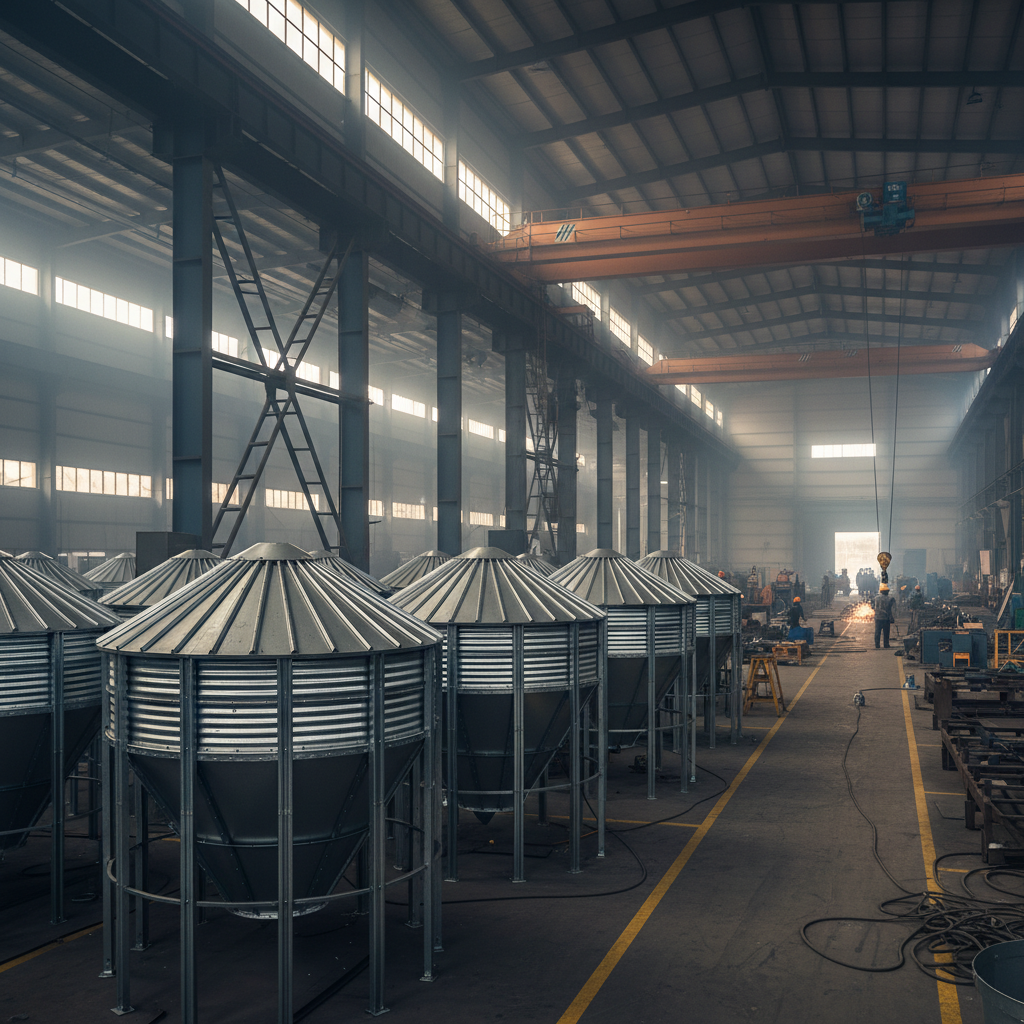
Everything You Should Know About the 10 ton feed silo
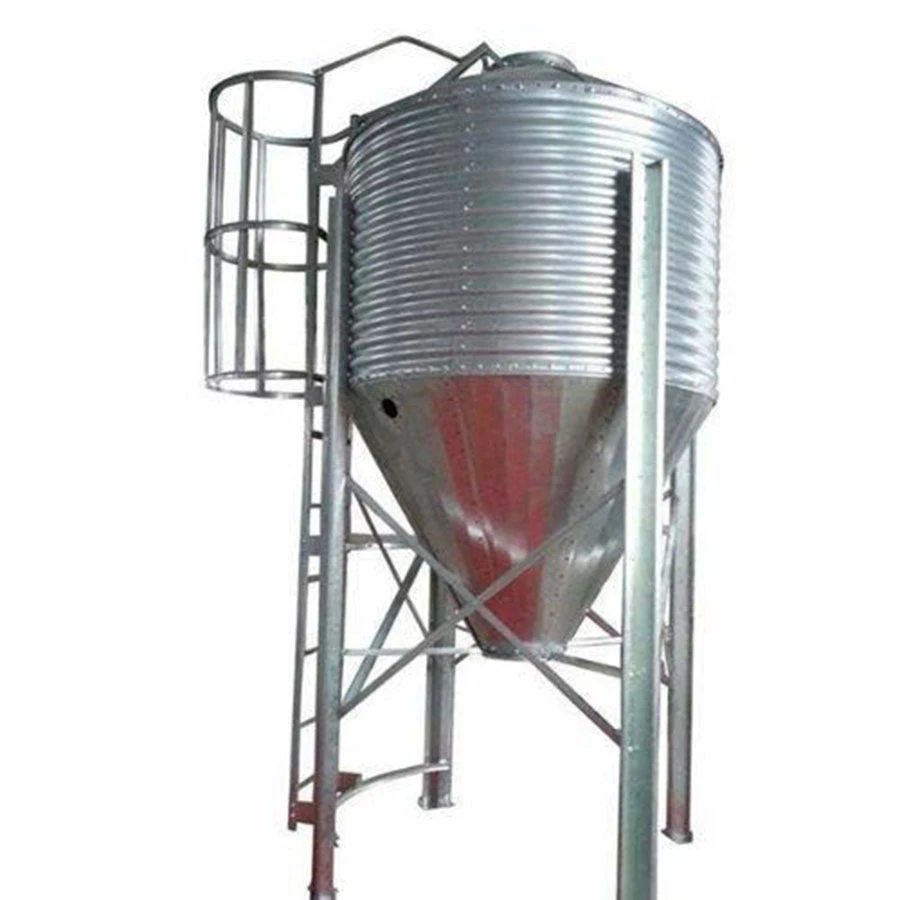
Having clocked many years in the industrial equipment world, I can say the 10 ton feed silo is a humble but crucial player on modern farms and feed operations. It’s not the flashiest machine out there, but its role speaks volumes — storing bulk feed efficiently, keeping it dry and uncontaminated, and making the whole feeding process smoother, day after day.
Truth be told, I’ve seen feed silos handle all kinds of challenges: from scorching summer heat to unexpected cold snaps, dusty environments, and even the occasional earthquake tremor. They’re built tough, but also engineered thoughtfully, which is where subtle design choices really matter.
For instance, the standard 10 ton capacity strikes a nice balance. It’s large enough for most medium-scale farms but still manageable when it comes to installation or integration with existing equipment. Many engineers I’ve worked with say this size offers great versatility without becoming unwieldy.
Design & Material: What Makes a Good Feed Silo?
Feed silos nowadays generally utilize galvanized steel or stainless steel. I tend to prefer galvanized steel for its balance between durability and cost, but stainless steel understandably shines where corrosion resistance is critical. The steel sheets are often pre-treated, and the joints sealed tightly, so moisture doesn’t creep in — a total dealbreaker when storing grain or pellet feed.
I once saw a feed silo with a moisture sensor and automated aeration fans built in — fancy stuff! That setup helps maintain the feed’s quality by avoiding clumping or molding, mostly when storage stretches over months. And oddly enough, it’s surprisingly helpful in humid climates where moisture infiltrations become an invisible menace.
Basic Product Specs
| Specification | Details |
|---|---|
| Capacity | 10 Metric Tons |
| Material | Galvanized Steel (Optional Stainless Steel) |
| Diameter | 2.2 - 2.5 meters (varies by model) |
| Height | 4 to 6 meters |
| Discharge Type | Bottom discharge with adjustable flow |
| Additional Features | Moisture Sensor (optional), Aeration System |
How Do Vendors Stack Up?
Choosing the right vendor isn’t just about price tags (although who isn’t hoping for a good deal?). Reliability, customization options, after-sales support, and, frankly, how easy they are to get hold of when something goes sideways — those count just as much. I've worked with a handful of suppliers over the years and can share a quick vendor comparison based on typical offerings:
| Vendor | Price Range | Material Quality | Customization | Warranty |
|---|---|---|---|---|
| Vendor A | $5,500 - $7,000 | High (Stainless option) | Wide range | 5 years |
| Vendor B | $4,800 - $6,500 | Medium (Galvanized steel) | Limited | 3 years |
| Vendor C | $6,000 - $8,200 | High (Enhanced Coating) | Moderate | 4 years |
One quick story before I wrap up: a family-run dairy farm I once consulted for switched to a 10 ton galvanized feed silo from Vendor B. They mentioned it dramatically reduced feed wastage – partly due to the easy-to-use bottom discharge and tighter sealing that kept out moisture and pests. They even joked that checking the feed supply had become their new favorite “break time” ritual.
In real terms, a feed silo is more than just metal and bolts — it’s a small workhorse in the daily dance of farming, quietly doing its job. If you’re in the market for a reliable 10 ton feed silo, focusing on material quality, vendor reputation, and features like moisture control will serve you well.
At the end of the day, it feels good knowing that with the right equipment, you’re giving your livestock feed the best possible environment. And that’s kind of satisfying, isn’t it?
References:
- Industry standards for feed storage, USDA Agricultural Handbook
- Johns, M., “Modern Feed Silos: Design & Maintenance,” FarmTech Journal, 2021
- Interview notes from senior engineers, FeedTech Equipment Suppliers, 2023
Post time: Dec . 03, 2025