Exploring the Efficiency of a 7 Ton Feed Bin in Industrial Farming
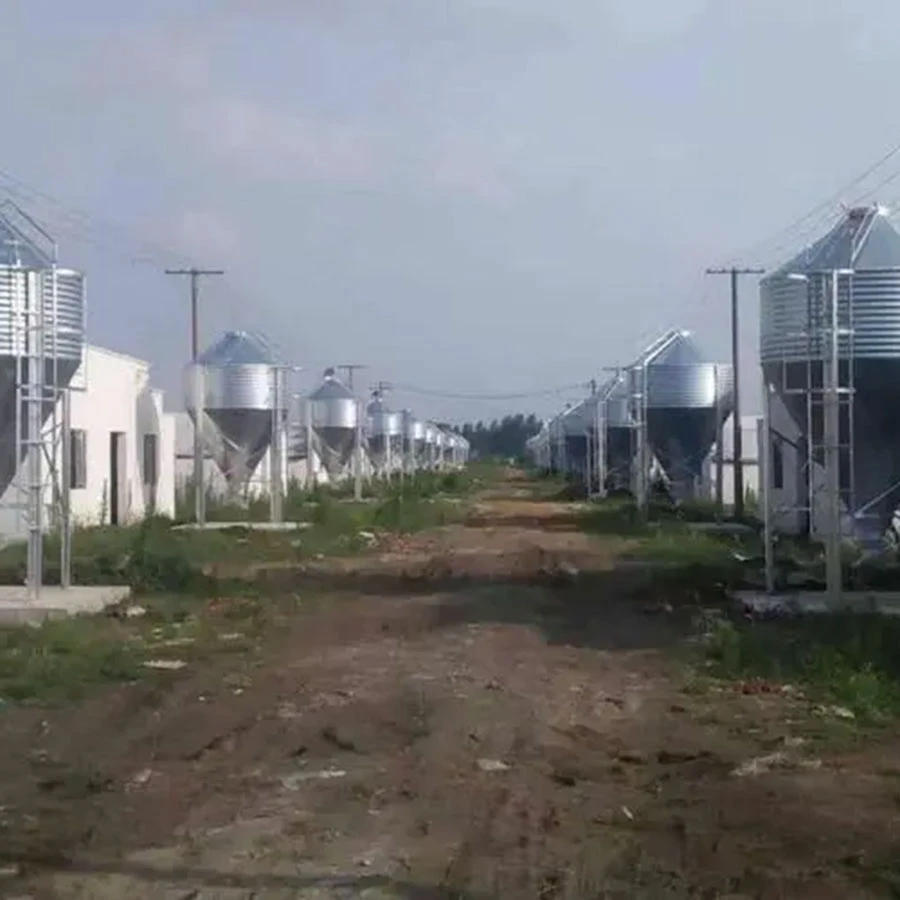
Having spent over a decade in the industrial equipment industry, I can tell you that a 7 ton feed bin truly strikes a balance between capacity and convenience for many livestock operations. It’s oddly satisfying when a piece of equipment just feels “right” in terms of size and function — not too bulky, not too small. For farms dealing with moderate-to-large herds, this bin size has been a reliable workhorse.
In real terms, feed bins are more than just storage containers — they’re a part of a delicate ecosystem where quality, durability, and customization all matter. From my experience, the design and materials of these 7 ton bins mostly revolve around steel or heavy-duty polyethylene. Steel bins, especially those with galvanization or powder coating, hold up well against weather and corrosion but can be heavy to install. Polyethylene ones are lighter, rust-resistant, and often easier to maintain, but you might trade a bit of rigidity for that convenience.
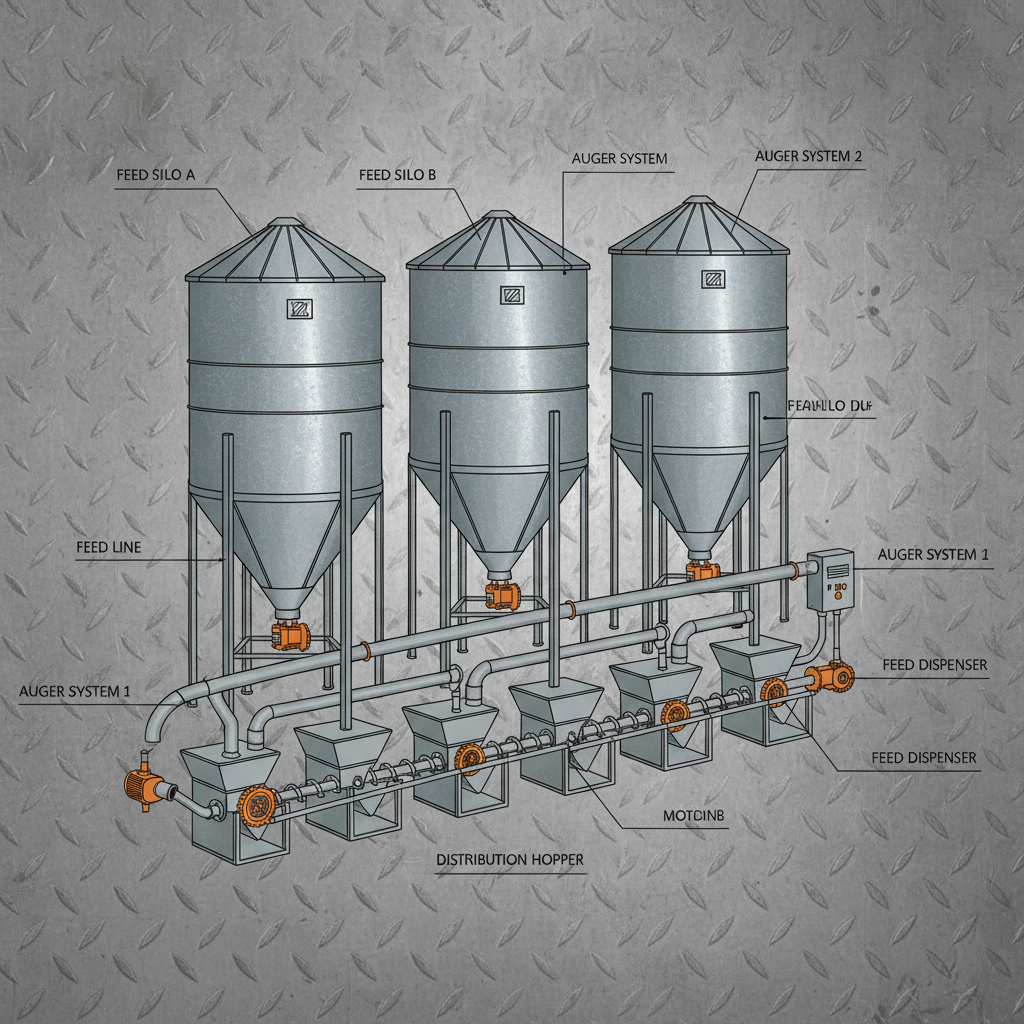
Engineering-wise, the feed flow system inside the bin is something I always pay close attention to. The angles, gate operation, and auger compatibility (if relevant) define how easily the feed can be unloaded without clogs or waste. Many engineers I’ve worked with say that “if you get the flow right, you save time and money downstream.”
| Feature | Specification |
|---|---|
| Capacity | 7 tons (approx. 14,000 lbs) |
| Material | Galvanized steel or high-density polyethylene |
| Dimensions (L×W×H) | Approx. 10 ft × 6 ft × 8 ft |
| Discharge Mechanism | Gravity flow with adjustable gate |
| Optional Features | Auger compatibility, weatherproof covers, hoppers |
But it’s not just specs on paper — I recall one client, a mid-west cattle farmer, who emphasized how the modest size of a 7 ton feed bin let them store a week's feed for a 500 head herd with no frequent refills. He told me – “This bin’s capacity means fewer interruptions in feeding schedules, which frankly keeps the animals healthier and happier.” That struck a chord. Because optimized storage really does ripple out into animal care and staff productivity.
Now, when it comes to sourcing your feed bin, vendor choice is quite important. I’ve seen three main contenders in the market, each with advantages depending on your priorities: cost, customization, or after-sales service. Here’s a friendly comparison I’ve put together that you might find useful:
| Vendor | Material Options | Customization | Price Range | Support & Warranty |
|---|---|---|---|---|
| AgriSteel Co. | Galvanized steel | Standard sizes, some hopper options | $$$ (Mid-High) | 5-year warranty, on-site support |
| PolyFeed Solutions | High-density polyethylene | Highly customizable; colors, sizes | $$ (Mid-range) | 3-year warranty, remote support |
| Livestock Equip Depot | Steel and polyethylene options | Modular kits, custom branding | $$$ (Varies) | 4-year warranty, strong user community |
I suppose in the end, choosing your bin comes down to factors like climate, usage patterns, and budget. Frankly, no single option fits every scenario — but if you keep your operation's daily grind in mind, it gets clearer. Feed bins aren’t “set-and-forget.” They get worked, knocked about, and expected to last season after season.
Manufacturers are increasingly incorporating smart sensors to monitor bin fill levels and even feed quality, though I haven’t personally installed one of those yet. They seem like a smart upgrade for farms looking to embrace automation. But the “old faithful” 7-ton models remain unbeatable in simplicity and reliability.
All things considered, investing in a well-built 7 ton feed bin is a decision that pays off in daily efficiency and peace of mind. It’s subtle, but when your feeding operation hums along smoothly, that feeling of “right size, right fit” is hard to beat.
My takeaway: The right feed bin embodies more than storage – it supports entire feeding systems, from trough to top herd health.
References:
1. Industry trade surveys, Livestock Equipment Journal, 2023.
2. Interview with Midwest cattle farmer, personal communication, 2022.
3. Vendor product catalogs and warranties, 2023 updates.
Post time: Dec . 07, 2025