Understanding the 8 ft Cattle Trough: Why Size and Design Matter Globally
If you’ve spent any time around livestock or the agricultural industry, you’d know how critical proper watering equipment is to animal health and livestock productivity. Among these, the 8 ft cattle trough stands out as a practical and popular size, striking a balance between accessibility and capacity. But beyond the rural farms of the Midwest or the open plains of Australia, these troughs have an understated global significance. They support sustainable livestock management, aid humanitarian efforts in food security, and play a role in cost-efficient farming in developing countries.
In real terms, understanding why this simple yet essential piece of equipment matters can lead to smarter investment decisions, improved animal welfare, and ultimately, stronger agricultural economies worldwide.
The Bigger Picture: Global Relevance of the 8 ft Cattle Trough
Livestock farming accounts for about 40% of global agricultural GDP. That’s roughly $1.4 trillion annually. And water—clean, accessible water—is a non-negotiable factor for sustainable livestock keeping. The 8 ft cattle trough meets a critical need here: offering enough length and volume for groups of cattle to hydrate quickly while limiting water wastage.
In many parts of sub-Saharan Africa and South Asia, where water resources are scarce and infrastructure limited, the availability and design of cattle troughs directly affect herd health and, by extension, farmer livelihoods. Moreover, international organizations like the UN’s Food and Agriculture Organization (FAO) often emphasize improved watering solutions as part of their sustainable livestock initiatives.
Yet, a challenge commonly faced is finding troughs that can handle environmental stresses, are cost-efficient, and easy to maintain. This is where the classic 8 ft cattle trough design remains relevant—durable yet accessible.
What Is an 8 ft Cattle Trough? A Simple Definition
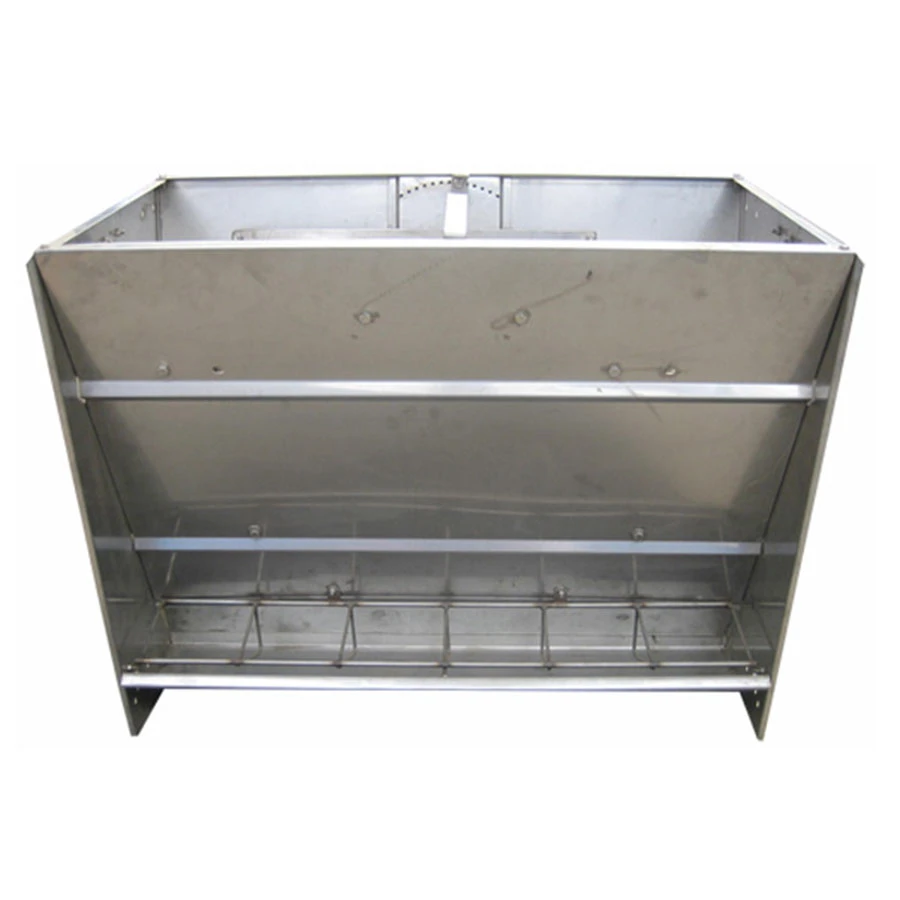
At its core, an 8 ft cattle trough is a water container measuring roughly eight feet in length, specifically designed to provide drinking water to cattle and other livestock. These troughs are typically long rectangular basins, offering multiple animals simultaneous access, which helps reduce competition and stress among herds.
Its size is a sort of Goldilocks zone—not too small to cause crowding, not too large to be unwieldy or wasteful. Depending on materials — galvanized steel, polyethylene, concrete — the trough can be tailored to various farm sizes and climates.
More importantly, it’s not just the physical dimensions but its connection to modern farming goals that make the 8 ft cattle trough a smart choice: improving animal welfare, ensuring water conservation, and fitting into scalable livestock systems.
Core Components & Key Factors
Durability
Whether it’s a scorching summer in Texas or freezing winters in Montana, a good cattle trough stands up to the elements. Many engineers prefer galvanized steel or UV-resistant polyethylene for their weatherproof qualities—both capable of lasting 10+ years with basic maintenance.
Capacity and Access
The length primarily determines how many cattle can drink simultaneously. Roughly, an 8 ft trough accommodates 8 to 12 medium-sized cattle comfortably, reducing waiting time and aggressive behaviors during watering.
Cost Efficiency
While concrete troughs are long-lasting and heavy, they usually come at a higher price and are harder to relocate. Polyethylene options hit a sweet spot: affordable, lightweight, yet tough enough for daily farm use.
Maintenance & Hygiene
The design often includes smooth interiors to minimize algae build-up and allow for easier cleaning—a must to prevent disease outbreaks.
Portability & Scalability
Around 8 ft length means manageable size for transport and installation, yet large enough to serve small to medium herds. Farms with growing livestock numbers often opt for multiple troughs at this dimension to scale.
Global Applications and Real-World Use Cases
Across the globe, from Australian beef ranches to Kenyan smallholdings, the 8 ft cattle trough is a common sight. It’s especially vital in:
- Developing agricultural communities, where resource constraints make efficient water use critical.
- Post-disaster recovery zones: where NGOs deploy troughs to quickly restore animal watering points and thus protect food supplies.
- Industrial livestock facilities in North America and Europe, where standardization of trough size supports herd health monitoring and automated feeding systems.
For example, a relief organization recently distributed 8 ft cattle trough units in flood-affected regions in Bangladesh, providing durable watering solutions that withstood monsoon rains and aided in stabilizing livestock populations.
Advantages and Long-Term Value
- Cost savings through reduced water waste and minimal upkeep.
- Improved animal welfare by ensuring stable, stress-free access to water.
- Sustainability: many models can be recycled or made from eco-friendly materials.
- Social benefits: secure water supply enables farmers to raise healthier herds, strengthen their livelihoods, and contribute to food security.
Frankly, it's hard to overstate how a simple trough can embody innovation and trust in farming communities.
Future Trends & Innovations Shaping the 8 ft Cattle Trough
Looking ahead, several exciting directions emerge for these troughs:
- Smart sensors: Integrated IoT devices to monitor water levels and quality remotely.
- Sustainable materials: Bio-based plastics and recycled metals reducing environmental footprints.
- Solar-powered water dispensers: Automating refill systems in off-grid areas.
- Modular designs: Allowing farmers to connect multiple troughs and adapt configurations as herd dynamics change.
The convergence of technology and traditional farming tools feels oddly empowering for small rural communities.
Challenges and Practical Solutions
Of course, no solution is perfect. Typical challenges include:
- Wear and tear: Even durable materials can degrade in harsh climates or with rough use.
- Water contamination risks: Algae, dirt, and microbes can threaten animal health.
- Initial cost barriers: Farmers in low-income regions may struggle with upfront investment.
- Transport logistics: Moving an 8 ft trough to remote areas can be complicated.
But these aren’t dead ends. Expert recommendations include using protective coatings, scheduling regular cleaning, leveraging NGO funding or microloans for purchases, and partnering with local suppliers to ease distribution.
8 ft Cattle Trough Specification Table
| Specification | Details |
|---|---|
| Length | 8 feet (approx. 2.44 meters) |
| Material | Galvanized Steel / Polyethylene / Concrete |
| Water Capacity | 150 - 200 gallons (570 - 760 liters) |
| Weight | 50 - 150 kg (depending on material) |
| Installation | Surface-mounted / Partially recessed |
| Average Lifespan | 10-15 years |
Vendor Comparison: Leading 8 ft Cattle Trough Providers
| Vendor | Material Options | Price Range (USD) | Notable Features | Ideal Use Cases |
|---|---|---|---|---|
| FarmStead Supplies | Galvanized Steel | $200 - $300 | Heavy-duty, Powder-Coated for Rust Resistance | Large-scale ranches, harsh environments |
| PolyLivestock Co. | UV-Resistant Polyethylene | $150 - $250 | Lightweight, Portable, Resistant to Cracking | Small-medium farms, remote locations |
| Concrete Solutions Ltd. | Precast Concrete | $300 - $450 | High Durability, Permanent Installation | Industrial farms, long-term infrastructure |
Frequently Asked Questions About 8 ft Cattle Trough
1. How many cattle can an 8 ft cattle trough serve at once?
Typically, an 8 ft cattle trough comfortably serves 8 to 12 medium-sized cattle simultaneously. This reduces competition and stress, promoting healthier herds.
2. What materials are best for longevity and easy maintenance?
Galvanized steel and UV-resistant polyethylene are popular due to their durability and resistance to rust or UV damage. Concrete is durable too but less portable.
3. How often should these troughs be cleaned?
Cleaning frequency depends on usage and environment, but many experts recommend weekly inspections and monthly cleanings to prevent algae buildup and contamination.
4. Can 8 ft cattle troughs be used in remote or off-grid locations?
Absolutely. Polyethylene models are especially favored in remote areas for their light weight and ease of transport. They can also integrate with solar-powered water refill systems.
5. What’s the typical lifespan of an 8 ft cattle trough?
With regular maintenance, galvanized steel and polyethylene troughs last around 10-15 years, while concrete can sometimes last even longer under optimal conditions.
Conclusion: Why the 8 ft Cattle Trough Is More Than Just a Water Container
The humble 8 ft cattle trough carries weight beyond its length—it’s a linchpin for sustaining livestock health, boosting agricultural economies, and supporting food security initiatives worldwide. In choosing the right trough, farmers and organizations invest not only in water delivery but in innovation, animal welfare, and long-term sustainability.
Curious to see the variety and get expert advice? Visit https://www.cxlivestock.com and explore our latest 8 ft cattle trough options tailored to your needs.
Post time: Dec . 02, 2025