Understanding Cheap Cattle Troughs: Why It Matters in Livestock Management
When you think about cattle farming, a pretty basic yet critical component often comes to mind—the cattle trough. Now, cheap cattle troughs might sound like a no-brainer or just another farm supply, but the reality is these simple fixtures have global significance. They impact everything from animal welfare and farm productivity to environmental sustainability and even humanitarian aid in rural communities.
Cheap, reliable cattle troughs ensure livestock stays hydrated, reduces contamination, and can be cost-effectively scaled for farms big and small. As global meat and dairy demand rises—literally predicted by the Food and Agriculture Organization (FAO) to increase by ~15% over the next decade—efficient water delivery infrastructure like troughs is a quiet hero behind the scenes.
Mini takeaway: Investing in proper cattle troughs saves costs, protects animals, and supports a growing global industry. It’s a small detail with a big ripple effect.
The Global Context: Water Access Challenges in Livestock Farms
Cattle farming isn't confined to just a few countries; it’s a pillar of agriculture worldwide. According to the United Nations’ reports on rural livelihoods, livestock rearing sustains roughly 1.3 billion people globally. Yet, these communities often wrestle with water scarcity, infrastructure gaps, and climate pressures. This is where cheap cattle troughs come into sharp focus.
Water troughs for cattle are usually an overlooked part of the livestock supply chain, but they face a unique set of challenges in various climates—from semi-arid African savannahs to humid Asian floodplains. Lower-cost options, designed for robustness and ease of maintenance, can help smallholder farmers maintain healthy herds without breaking the bank.
But here’s the rub: not all “cheap” troughs are created equal. Durability, hygiene, and practicality make or break their true value, especially when imported or locally produced in developing regions.
What Are Cheap Cattle Troughs, Exactly?
Put simply, cheap cattle troughs are feeding or watering containers designed for cattle that focus on minimizing upfront and maintenance costs without sacrificing function. They can be made from a variety of materials:
- Plastic polymers (rotationally molded for strength and UV resistance)
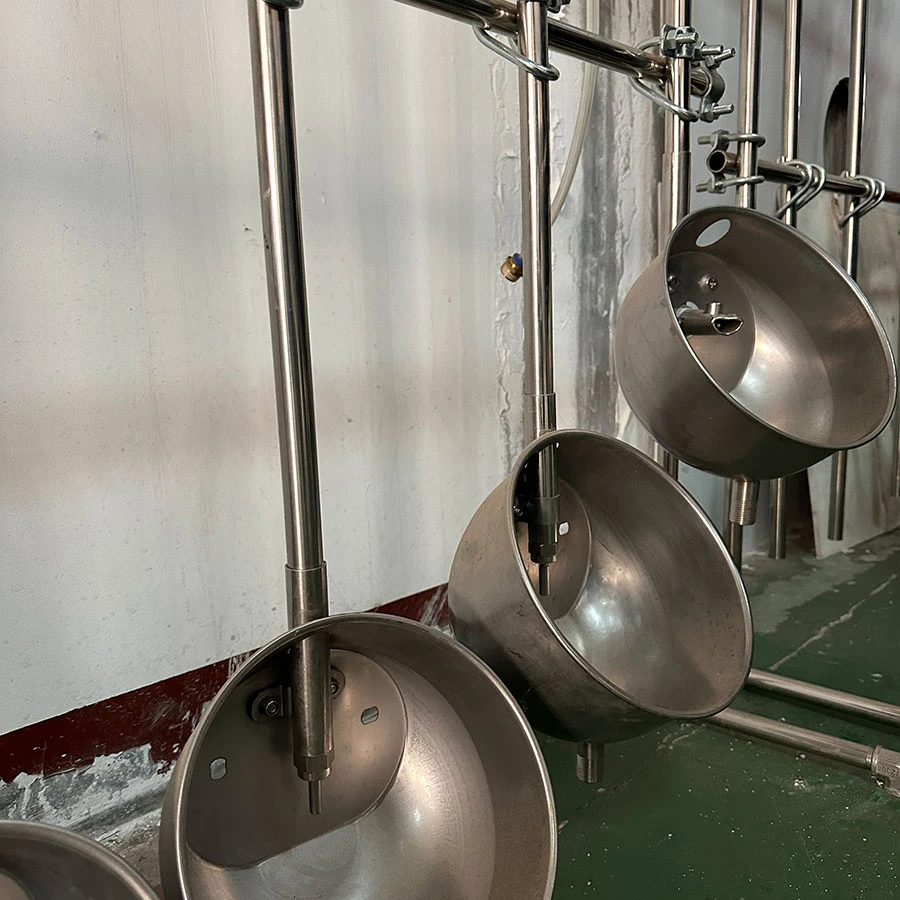
- Metal (galvanized steel or aluminum)
- Concrete (cast in place or pre-formed)
- Local materials like clay or bamboo in certain traditional contexts
Cheap doesn’t mean flimsy. In fact, the goal is to find the delicate balance between affordability and lifespan so farmers, NGOs, or government programs can deploy water infrastructure cheaply yet effectively.
In humanitarian crises or development projects, these troughs support basic animal care, prevent disease spread, and foster food security with minimal investment.
Core Components That Define a Quality Cheap Cattle Trough
1. Durability
The longevity of a trough is king. Materials resistant to corrosion, UV degradation, and physical impact prolong service, cutting replacement expenses.
2. Cost Efficiency
It’s tempting to go ultra-cheap, but the best options balance initial price and upkeep—this might mean investing slightly more upfront but saving major headaches down the line.
3. Ease of Cleaning
Cattle trough hygiene is essential to prevent bovine illnesses. Trays or tanks with smooth surfaces, rounded edges, and proper drainage simplify maintenance tasks.
4. Portability and Scalability
Modular troughs that can be easily transported or connected to larger watering systems serve both small farms and burgeoning agricultural operations.
5. Environmental Sustainability
Using recyclable materials or innovative composites reduces the environmental footprint—a consideration increasingly valued in modern farming.
Mini takeaway: When selecting cheap cattle troughs, focus on these five traits to ensure the investment pays off in practical terms.
Real-World Applications of Cheap Cattle Troughs
From the dusty plains of Kenya to the subtropical farms of Brazil, cheap cattle troughs have found diverse applications:
- Smallholder farms: Affordable troughs allow farmers with modest herds to keep animals hydrated, improving milk yields.
- Disaster relief efforts: Post-flood or drought aid programs often include cattle troughs to help restore livestock health quickly.
- Commercial ranches: Larger-scale troughs integrated with automated water supply systems maximize efficiency.
- Remote industrial zones: Mining or construction camps with temporary livestock holdings use durable, modular troughs that can be set up and removed rapidly.
Mini takeaway: Usage scenarios demonstrate the adaptability of cheap cattle troughs—from subsistence farmers to commercial operations.
Practical Advantages & Long-Term Value
| Feature | Benefit | Why It Matters |
|---|---|---|
| Cost-Effectiveness | Lower upfront and maintenance costs | Improves affordability for small farmers |
| Sustainability | Use of eco-friendly materials | Reduces long-term environmental impact |
| Animal Welfare | Clean, accessible water supply | Boosts cattle health and productivity |
| Reliability | Durable construction withstands harsh conditions | Reduces downtime and replacement delays |
Aside from clear logical benefits, there's also an emotional component when farmers trust the tools they use daily. Knowing your animals have reliable watering options eases stress and boosts confidence in managing livestock effectively.
Innovations and Future Trends in Cattle Troughs
The sector isn’t standing still. New tech and greener materials are shaking things up:
- Smart Sensors: Digital water level monitors notify farmers when replenishment is needed, cutting water waste.
- Solar-Powered Pumps: In off-grid regions, solar trough systems ensure constant water flow sustainably.
- Biodegradable composites and recycled plastics: Emerging materials reduce the carbon footprint of manufacturing.
- Modular designs: Improved interlocking systems allow easy expansion or customization.
- Antimicrobial coatings: New surface treatments keep troughs cleaner, reducing disease risk.
These developments balance cost with functionality—critical for keeping cheap cattle troughs genuinely accessible.
Common Challenges & How They’re Being Solved
Challenges persist. A few stick out:
- Rapid wear and tear in extreme climates
- Manufacturing inconsistencies leading to leaks or fragility
- Limited local production forcing costly imports
Experts suggest collaboration between NGOs, manufacturers, and governments to promote standardized materials and eco-friendly production. Workshops teaching farmers basic repairs also prove invaluable—sometimes a simple weld or seal can double a trough’s life.
Product Specifications at a Glance
| Specification | Typical Value | Notes |
|---|---|---|
| Material | Rotationally molded polyethylene | UV stabilized, impact resistant |
| Capacity | 150 - 300 liters | Adjustable by model |
| Weight | 12 - 18 kg | Easy to move for one person |
| Dimensions (LxWxH) | 100 x 50 x 45 cm | Compact but capacious |
| Warranty | 2 years | Typical manufacturer coverage |
Comparing Top Vendors of Cheap Cattle Troughs
| Vendor | Price Range | Material Types Available | Warranty | Lead Time |
|---|---|---|---|---|
| AgriTrough Solutions | $40 - $80 | Polyethylene, galvanized steel | 2 years | 1-2 weeks |
| Livestock Equip Co. | $35 - $70 | Rotomold plastic | 1.5 years | 2-3 weeks |
| GreenFarm Supplies | $50 - $90 | Recycled plastics, concrete | 3 years | 3-4 weeks |
Frequently Asked Questions About Cheap Cattle Troughs
Q1: What is the average lifespan of a cheap cattle trough?
A good-quality cheap cattle trough made from rotationally molded polyethylene typically lasts around 5-7 years under normal conditions. Factors like climate, UV exposure, and handling can affect this, but proper care extends the life considerably.
Q2: Are plastic cattle troughs better than metal ones?
Both have pros and cons. Plastic troughs resist rust and are lightweight, making them easier to move. Metal troughs tend to be more durable against physical damage but can corrode. For many, plastic strikes the best balance for affordable, low-maintenance use.
Q3: Can cheap cattle troughs be used in cold climates?
Yes, but freezing conditions can cause cracking in some plastics. Opting for UV-stabilized polyethylene designed for low temperatures helps, or sometimes metal or concrete troughs are preferred in cold zones.
Q4: How easy is it to maintain and clean these troughs?
Most are designed for simple cleaning—smooth interiors and accessible shapes make rinsing and scrubbing straightforward. Regular cleaning helps minimize algae and bacterial buildup that could harm livestock.
Q5: Is it possible to get customizable cheap cattle troughs?
Many suppliers offer customizable sizes, colors, and fittings (like float valves or drain plugs). Customization might increase cost slightly but provides better fit-for-purpose solutions.
Final Thoughts
Cheap cattle troughs may not be glamorous, but their impact on livestock management worldwide is undeniable. They combine cost-efficiency, durability, and practicality — qualities that support farmers large and small through changing climates and increasing demand. Whether you manage a modest herd or oversee post-disaster relief, these troughs solve a fundamental need: clean, reliable water access for cattle.
Ready to explore options or upgrade your setup? Visit our website for detailed catalogs, expert advice, and bulk order discounts.
References
Post time: Dec . 02, 2025