Understanding Agricultural Feed Bins for Sale: A Vital Resource in Modern Farming
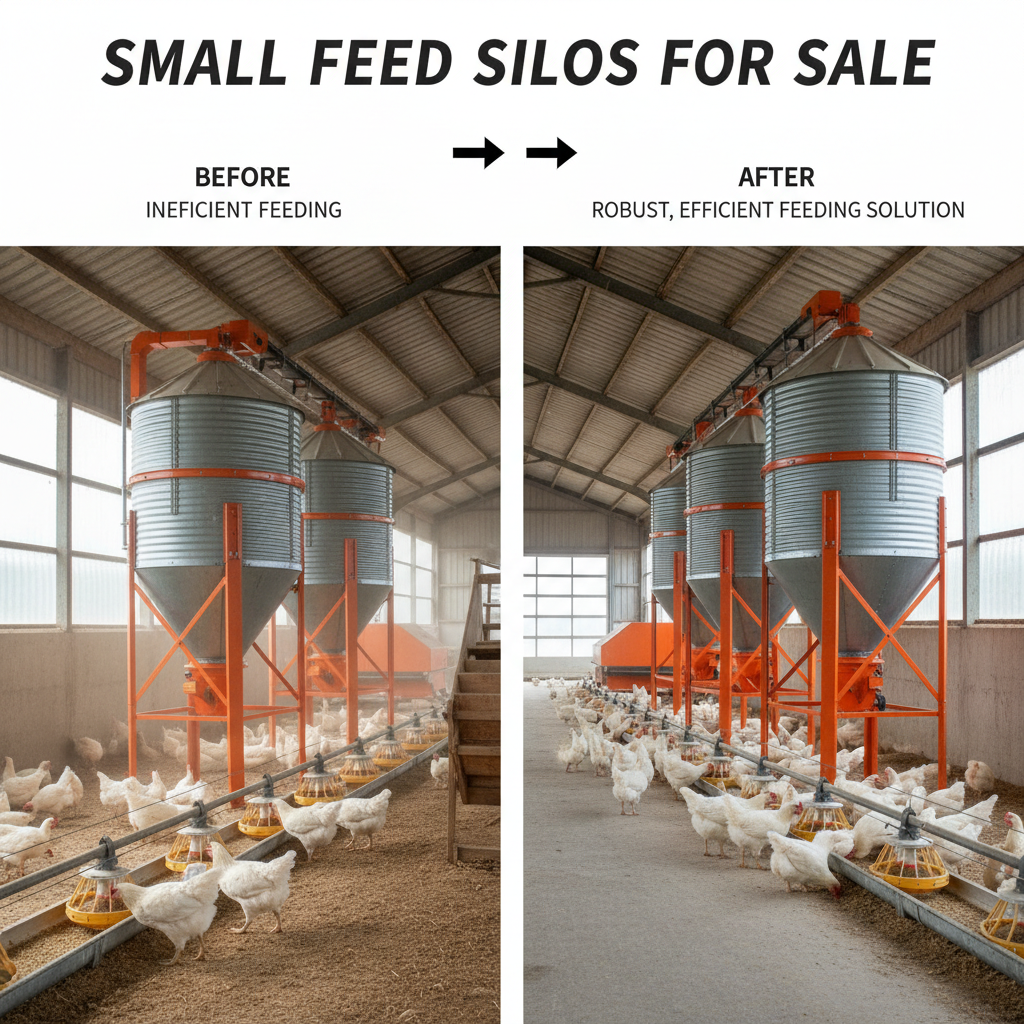
When we talk about agricultural feed bins for sale, we're diving into something more than just storage containers. These bins represent a backbone for sustainable, efficient livestock farming worldwide. Frankly, without proper feed storage solutions, the risks of spoilage, contamination, and logistical headaches skyrocket — and with global food systems under constant stress from climate change and population growth, understanding these bins is crucial.
Global Relevance of Agricultural Feed Bins for Sale
Why should anyone outside of farming circles care about agricultural feed bins? The answer lies partly in scale and partly in consequence. According to the Food and Agriculture Organization (FAO), ensuring efficient feed storage directly impacts livestock productivity, which in turn feeds millions globally. The World Bank notes how post-harvest losses, including feed spoilage, can reach 10-15% in some developing regions — a gap that judicious use of feed bins can help close.
So, in a world with rising food demand and erratic climatic conditions, securing feed in reliable, scalable containers is more than just convenient; it's strategic.
What Exactly Are Agricultural Feed Bins?
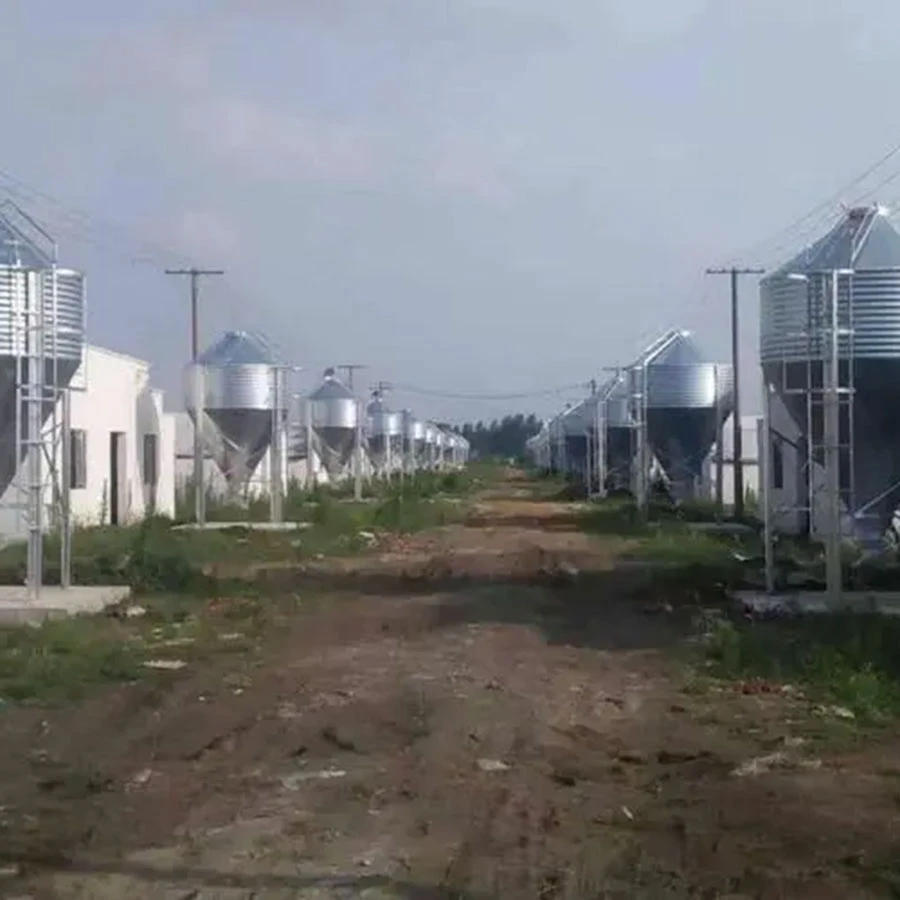
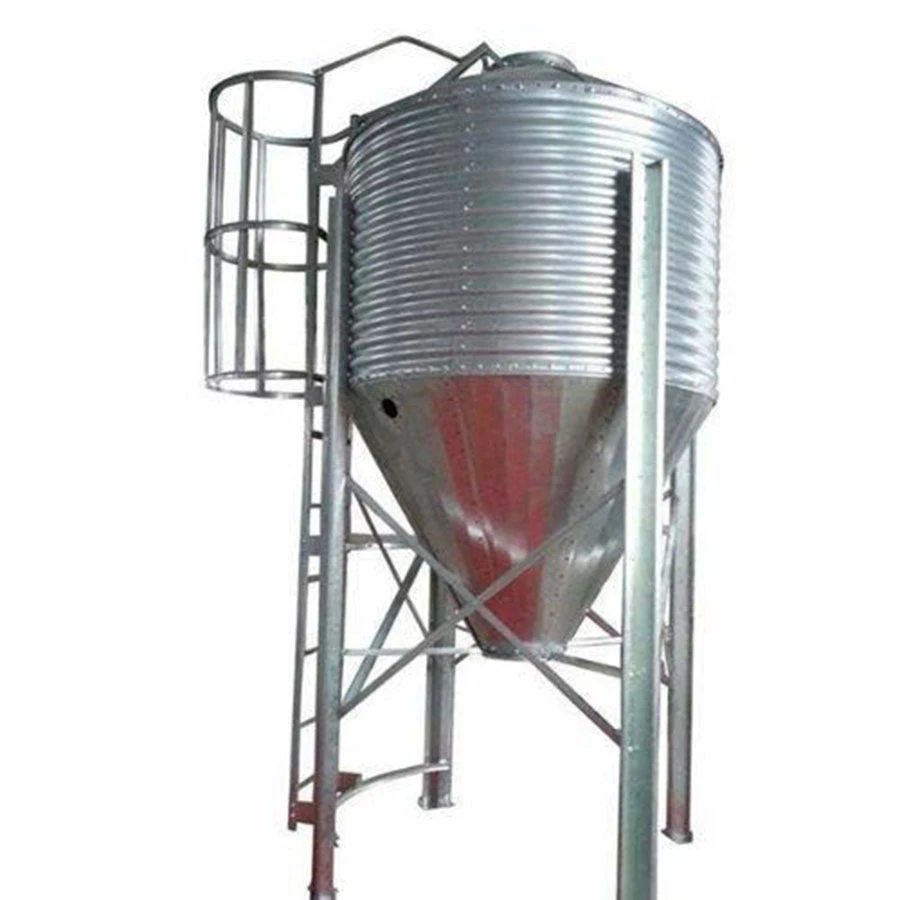
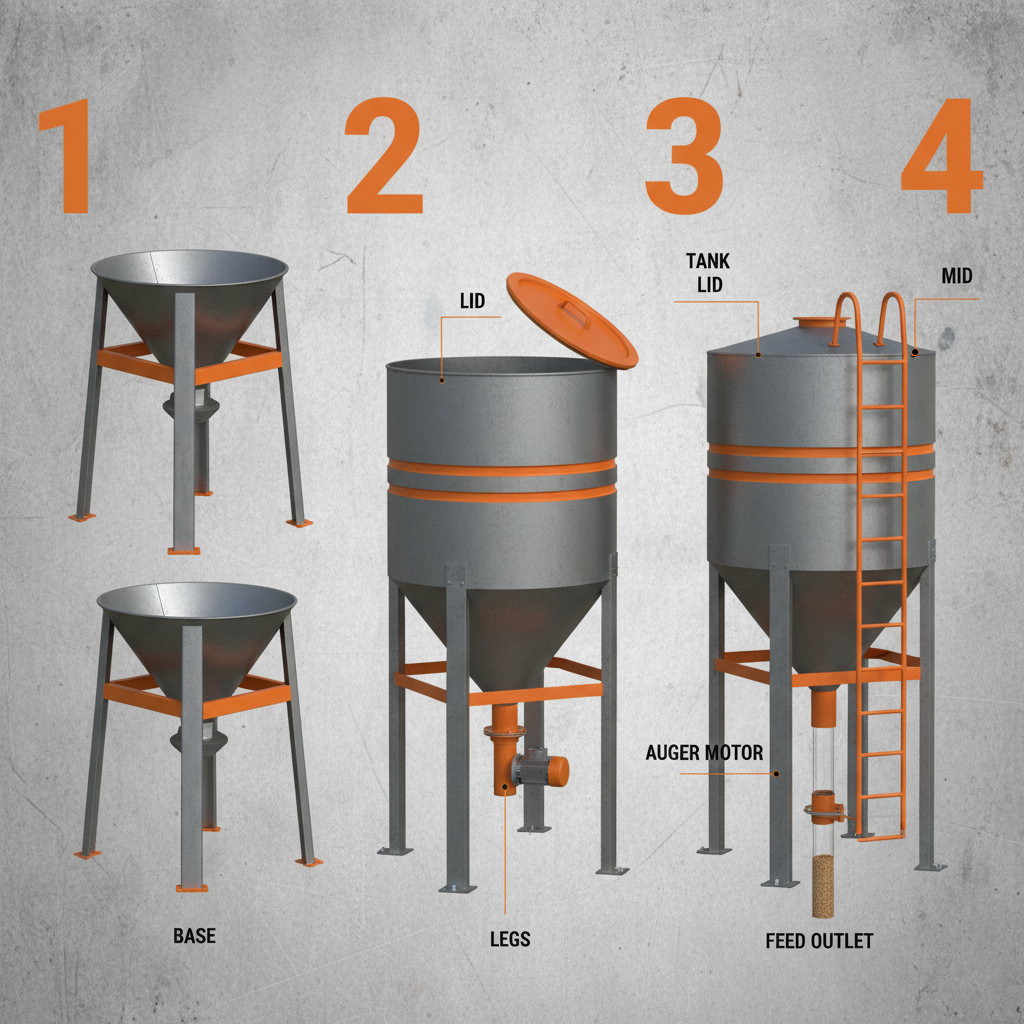
In simplest terms, agricultural feed bins are storage units designed to hold livestock feed safely and efficiently. They come in a variety of forms—metal, plastic, or even composite—with features tailored to protect feed from pests, moisture, and other contaminants. You might find them on small family farms or sprawling commercial operations.
These bins connect deeply with modern agricultural advancements. As farming shifts toward smart, sustainable models, feed bins serve as critical infrastructure — enabling better portion control, inventory management, and feed preservation.
Key Features of Agricultural Feed Bins
Durability
Feed bins need to endure harsh environmental conditions — from blazing sun to heavy rain or freezing temperatures. That means materials like galvanized steel or UV-resistant plastics dominate. Durability isn’t just about lifespan; it protects feed quality over time.
Capacity & Scalability
Bins come in sizes from a few hundred kilograms to several tons. This flexibility is crucial as farms grow or adjust. You don’t want a bin too small causing frequent refilling trips, or too big that feed goes stale.
Ease of Access and Loading
Efficient designs include convenient openings, augers, or conveyor compatibility. This reduces labor time and feed waste — something farmers frequently mention as a stress saver.
Cost Efficiency
Initial purchase price matters, but so do maintenance and replacement costs. A well-made bin pays off through reduced feed loss and lower pest-control expenses.
Environmental Resistance
Weatherproofing and airtight seals prevent moisture ingress and contamination. This aspect is essential in tropical or humid climates, preventing mold and spoilage.
Customization & Integration
Modern feed bins can be customized with sensors for weight and temperature monitoring, aligning with the digital farm trend.
| Feature | Specification |
|---|---|
| Material | Galvanized steel / UV-resistant plastic |
| Capacity | 500 kg to 10,000 kg |
| Weather resistance | IP65 / Airtight sealing |
| Dimensions (Typical) | 2m x 2m x 3m (varies by model) |
| Optional tech | Weight sensors, temperature monitors |
Global Applications & Who Benefits
Feed bins are literally everywhere farming exists, but some regions find them absolutely indispensable. For example:
- Sub-Saharan Africa: Where smallholder farms seek to reduce post-harvest feed losses.
- North America & Europe: Large-scale dairy and cattle operations that rely on feed consistency to maintain production.
- Disaster Relief & Remote Operations: Emergency agricultural programs often deploy mobile feed bins to stabilize livestock nutrition in crisis zones.
Oddly enough, in some remote industrial zones, feed bins also double as storage hubs for related bulk materials, underscoring their versatile design.
Advantages & Long-Term Value
What’s the real payoff? Aside from preventing feed spoilage, these bins offer farmers peace of mind. There’s safety in knowing feed is clean, dry, and ready to use — which directly impacts animal health and productivity.
Plus, from a sustainability standpoint, efficient feed storage means less waste and therefore less environmental strain. It fuels innovation in pasture management and trust between suppliers and growers.
Trends & Innovations on the Horizon
The future for agricultural feed bins leans heavily into smart technology — integrating IoT devices to monitor temperature and stock levels remotely. Automation in feed dispensing, combined with solar-powered sensors, seems to be the next logical step.
Materials innovations aim at lighter, more recyclable composites to reduce the ecological footprint, while some manufacturers are exploring modular, stackable designs to save space and improve scalability.
Challenges & Practical Fixes
Of course, not everything is smooth. Common issues include pest intrusion, condensation build-up, and initial capital outlay, especially for small farms. Yet, innovations like insect-resistant coatings and affordable sensor kits help bridge these gaps.
Moreover, shared financing models or cooperative purchasing can ease financial burdens — something NGOs have explored in developing regions to great effect.
| Vendor | Materials | Capacity Range | Technology Features | Price (Approx.) |
|---|---|---|---|---|
| AgriStore | Galvanized steel | 1000 - 10000 kg | Weight sensors, remote monitoring | $3,000 - $15,000 |
| FeedGuard | High-density polyethylene (HDPE) | 500 - 7500 kg | Temperature sensors, UV protection | $2,200 - $12,000 |
| Livestock Solutions Co. | Composite steel-plastic | 1500 - 9000 kg | Modular design, sensor-ready | $3,500 - $14,000 |
FAQs: Common Questions About Agricultural Feed Bins for Sale
- Q: What materials are best for feed bins in humid climates?
A: Materials like galvanized steel with airtight seals or UV-resistant HDPE plastic are generally best. They resist moisture and help prevent mold, which is crucial in humid conditions. - Q: How often should feed bins be cleaned to maintain feed quality?
A: Ideally, bins should be cleaned between feed batch cycles or at least every 3-6 months to prevent contamination and pest build-up. - Q: Can I integrate digital monitoring into existing feed bins?
A: Many vendors now offer retrofit sensor kits for weight and temperature monitoring, making it easy to modernize legacy bins without full replacement. - Q: Are modular feed bins practical for small farms?
A: Absolutely. Modular bins offer scalable options that can grow with your operation, helping manage costs while optimizing storage.
Conclusion: The Smart Investment in Agricultural Feed Bins
Ultimately, investing in reliable agricultural feed bins for sale isn’t just about storage. It’s about safeguarding livestock health, improving operational efficiency, and supporting global food security — all while aligning with emerging tech and sustainability goals.
For anyone looking to upgrade or start fresh, exploring options online is a good first step. For instance, you might check out agricultural feed bins for sale for a range of reliable and modern solutions.
In a world where every bit of feed counts, having the right bin feels almost like peace of mind.
References
Post time: Dec . 03, 2025