Aluminium Grate Flooring: Why It’s More Important Than Ever
When you hear aluminium grate flooring, you might picture an industrial walkway or a construction site. But in reality, this versatile system plays a vital role worldwide—from improving safety in factories to aiding rapid deployment in humanitarian crises. Frankly, understanding these lightweight, yet durable flooring options can unlock new ways to balance cost-efficiency, durability, and sustainability—something industries and relief efforts alike can’t ignore.
The Global Context: Aluminium Grate Flooring in a Changing World
Across the globe, rapid urbanization and industrial growth mean that safe, reliable flooring solutions are needed more than ever. According to the International Organization for Standardization (ISO), industrial infrastructures must increasingly meet strict standards related to load-bearing, corrosion resistance, and environmental impact. Aluminium grate flooring aligns well with these demands—lightweight, corrosion-resistant, yet strong enough for heavy machinery and foot traffic.
Moreover, in regions hit by natural disasters, traditional flooring often becomes unusable or hazardous. Aluminium grating systems are being adopted for their quick installation and durability in extreme conditions, notably by organizations involved in humanitarian logistics. The World Bank estimates that over 200 million people are annually affected by flooding and earthquakes, which means materials that can be rapidly deployed and recycled, such as aluminium, could be game-changers.
Mini takeaway:
Aluminium grate flooring’s global importance lies not just in industry but in emergency response, bridging safety, speed, and environmental care.
What Exactly Is Aluminium Grate Flooring?
Put simply, aluminium grate flooring is a type of open-grid flooring made of aluminium alloy bars arranged in a pattern to allow air, light, and liquids to pass through. This design combines strength with drainage and slip resistance—essential for environments like factories, oil rigs, commercial kitchens, and even livestock enclosures.
Its connection to modern industries is profound. Aluminium’s corrosion resistance makes it ideal for harsh environments—think coastal power plants or chemical factories—where steel would degrade fast. And for humanitarian setups, it translates into lighter, faster-to-install flooring for emergency shelters and temporary facilities. So it's not just metal bars—it marries engineering with practical needs in a pretty clever way.
Key Features of Aluminium Grate Flooring
1. Durability and Corrosion Resistance
Aluminium naturally forms an oxide layer that protects it from rust—the bane of steel gratings. This makes aluminium grate flooring ideal for damp, corrosive environments. Many engineers say it can outlast traditional steel alternatives in these settings by years.
2. Lightweight and Easy Installation
Compared to steel, aluminium is roughly one-third the weight without sacrificing much strength. This reduces labor costs and speeds up installation, especially critical in emergency relief or renovation projects.
3. Cost Efficiency Over Time
Though upfront costs may be slightly higher than some options, the lifecycle costs come down because of less maintenance, longer service life, and recyclability. You’ll get returns not only financially but environmentally.
4. Safety and Slip Resistance
The open grid design doesn’t just let liquids and debris fall through, reducing slip hazards; many aluminium grates have serrated edges for extra traction which is a real boon on slippery factory floors.
5. Scalability and Customization
Manufacturers can easily tailor aluminium grating sizes, thicknesses, and load ratings for different applications—from pedestrian walkways to heavy-duty vehicle platforms.
Mini takeaway:
You’re not just buying a ‘floor.’ You’re investing in a durable, adaptable system that thrives where others tire—and that counts for a lot.
Real-World Applications Around the Globe
Let’s get practical. Aluminium grate flooring is popping up everywhere:
- Industrial zones in Europe and North America: Used on mezzanines, catwalks, and machine platforms where safety and corrosion resistance are paramount.
- Coastal oil and gas rigs: Because rusting steel is a nightmare, operators rely on aluminium to withstand saltwater spray.
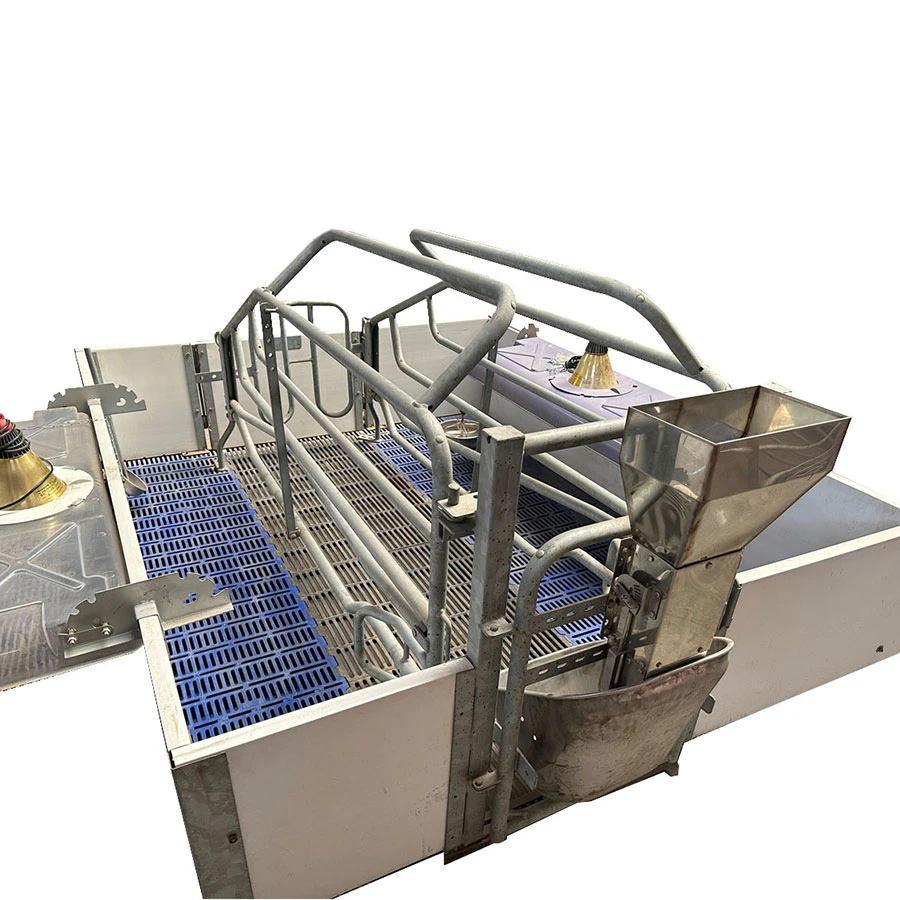
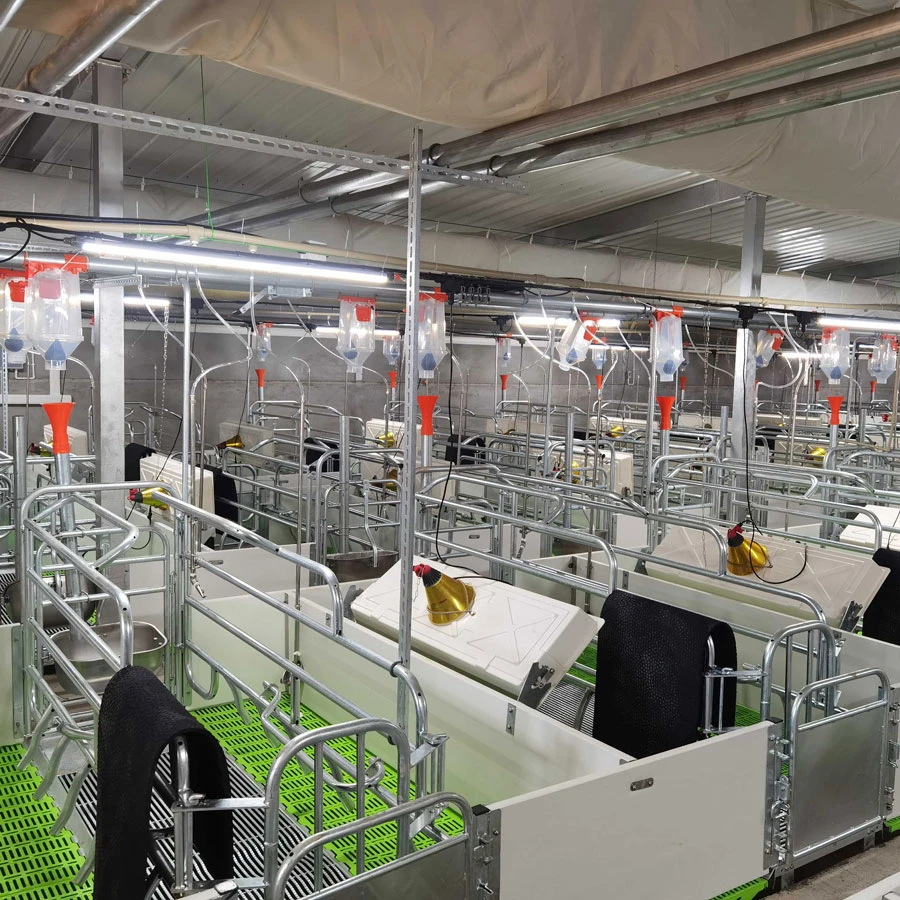
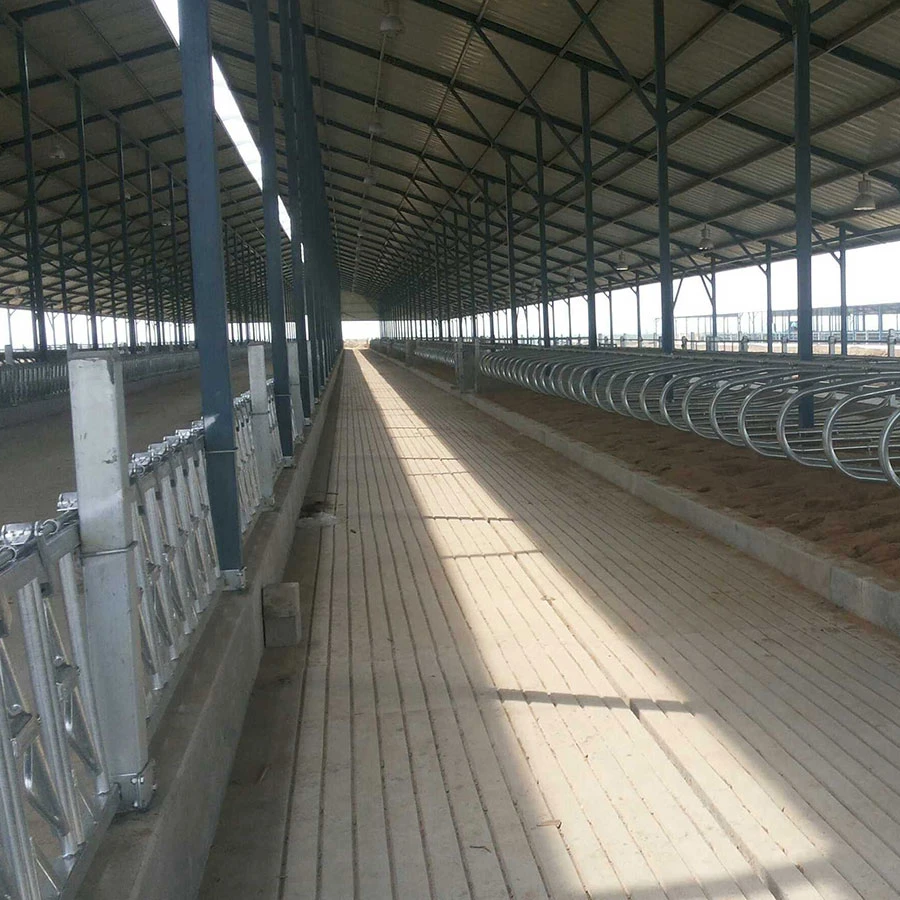
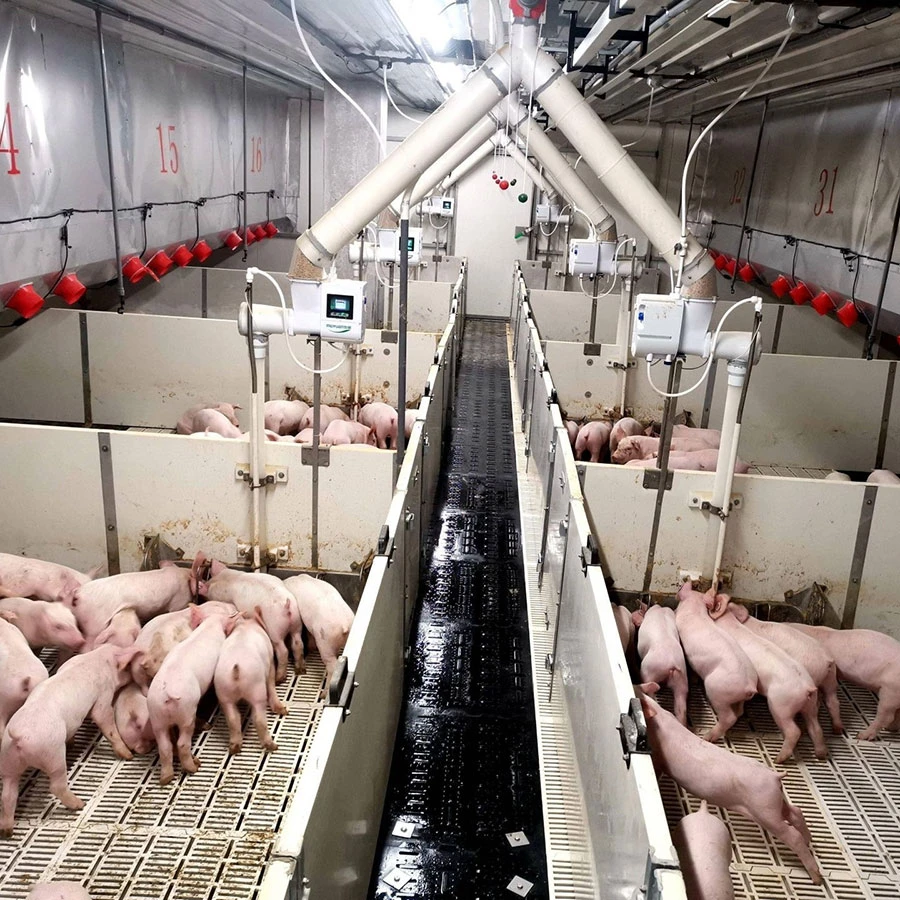
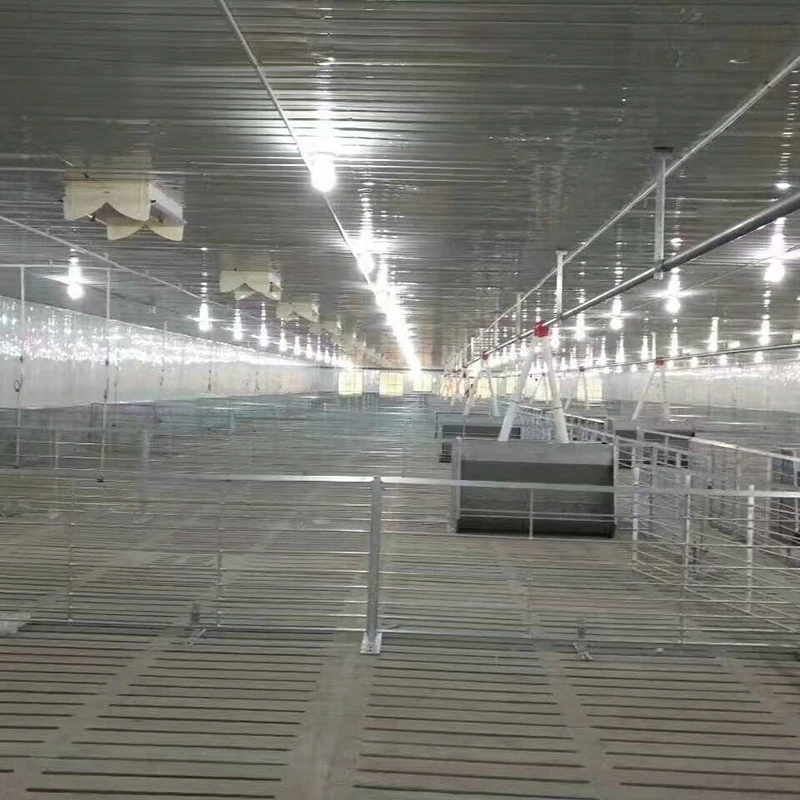
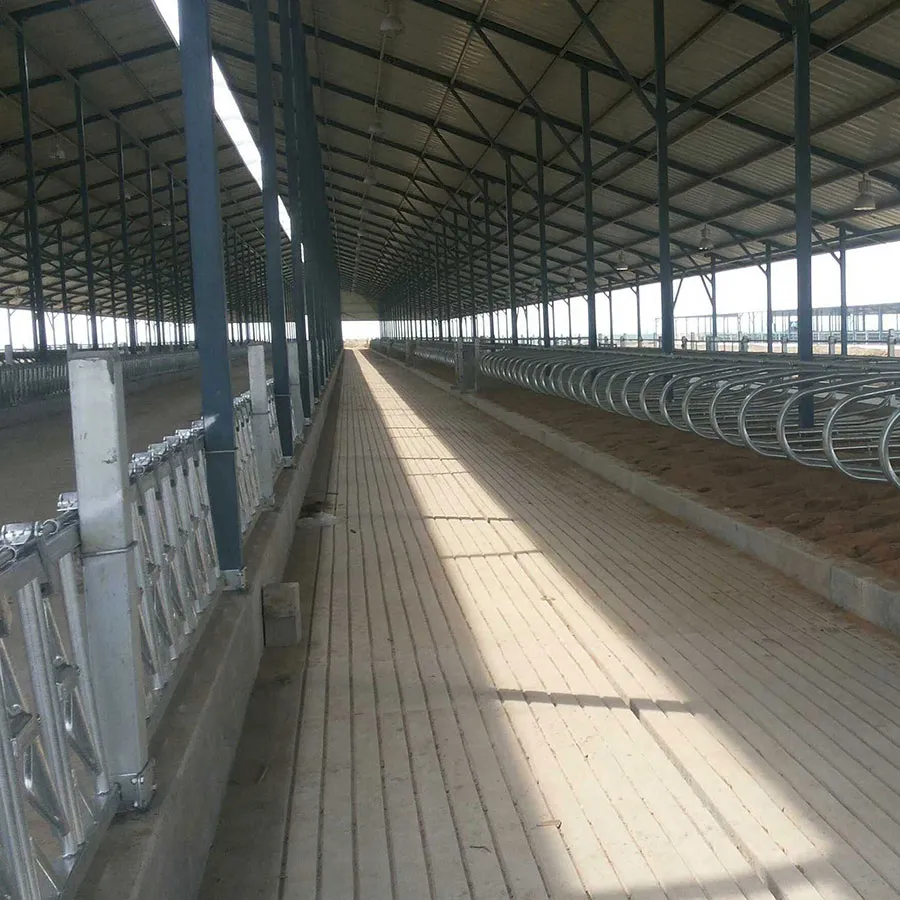
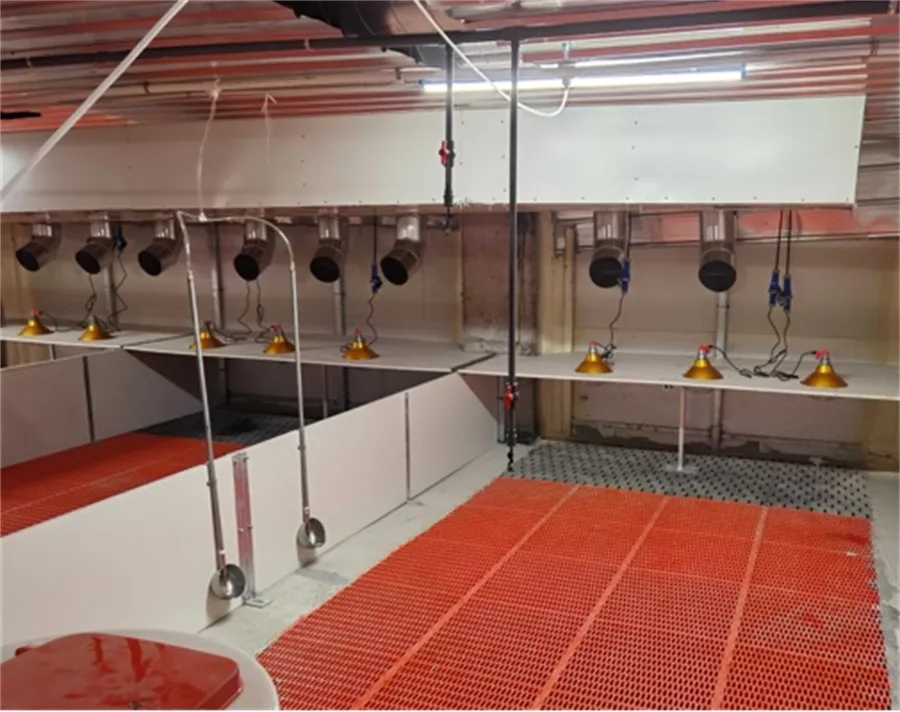
- Livestock farms in Australia and New Zealand: Non-slip, easy to clean, and robust, it’s a favorite for cattle walkways and holding pens (aluminium grate flooring is a highlight here).
- Humanitarian agencies: In post-disaster zones in Southeast Asia and Africa, aluminium grates form temporary flooring for shelters and clinics, reinforcing conditions quickly without heavy equipment.
Product Specification Table
| Specification | Typical Range | Remarks |
|---|---|---|
| Material Grade | 6061-T6 Aluminium Alloy | High strength & corrosion resistant |
| Load Capacity | Up to 800 kg/m² | Suitable for pedestrian & light vehicular traffic |
| Panel Size | 1 m × 3 m standard, customizable | Easy transport & modular assembly |
| Surface Finish | Serrated or smooth | For enhanced slip resistance |
| Corrosion Resistance | Excellent in marine & chemical environments | Minimal maintenance required |
Comparing Leading Aluminium Grate Flooring Vendors
| Vendor | Price per m² | Customization | Lead Time | Warranty |
|---|---|---|---|---|
| Xtreme Metals Co. | $45–$55 | Full custom sizes & finishes | 4–6 weeks | 10 years |
| EcoGrip Flooring | $40–$50 | Standard panels with eco-friendly coatings | 3–5 weeks | 7 years |
| RapidDeck Solutions | $50–$60 | Modular kits, fast shipping | 2–3 weeks | 5 years |
Advantages & Long-Term Value of Aluminium Grate Flooring
The many benefits of aluminium grate flooring go beyond just technical specs:
- Cost savings: Reduced maintenance and longer life translate to better ROI.
- Sustainability: Aluminium is highly recyclable, supporting green building initiatives.
- Safety & Comfort: Employees and livestock alike benefit from slip-resistant, ergonomic surfaces.
- Trust & Innovation: Using advanced flooring materials signals a commitment to modern, smart infrastructure.
On a personal note, I've visited work sites where switching from steel to aluminium grate flooring significantly improved both morale and workflow. It’s the kind of upgrade that quietly but profoundly changes day-to-day operations.
Emerging Trends and Innovations
The future of aluminium grate flooring is exciting. Researchers are experimenting with nano-coatings to enhance anti-corrosive properties even further while integrating sensors into flooring panels for real-time load monitoring—a neat fusion of materials engineering and IoT.
There’s also growth in green manufacturing, where producers are lowering the carbon footprint of aluminium production via renewable energy. Plus, automation in fabrication lines means faster, cheaper custom grates.
Challenges and How Industry Is Responding
Aluminium grate flooring isn’t perfect. The higher upfront cost compared to some steel or plastic composites can deter clients. Also, it can dent more easily under extreme loads or sharp impacts.
But toughened aluminium alloys and hybrid designs combine aluminium core with reinforced overlays are mitigating these issues. Some companies even offer leasing models to lessen initial capital burden for large projects.
FAQ: What You’re Curious About Aluminium Grate Flooring
- Q1: How does aluminium grate flooring compare to steel in industrial settings?
- A1: Aluminium gratings are lighter and more corrosion-resistant than steel, reducing maintenance downtime. However, steel may handle extremely heavy loads better. Many engineers choose aluminium for its lifespan and safety benefits in corrosive environments.
- Q2: Can aluminium grate flooring be used outdoors in harsh climates?
- A2: Yes, aluminium’s corrosion resistance makes it excellent for outdoor applications—marine docks, chemical plants, or sun-exposed walkways remain structurally sound much longer than untreated steel options.
- Q3: Is aluminium grate flooring eco-friendly?
- A3: Aluminium is among the most recyclable metals, requiring less energy to recycle than producing new stock. Used panels can be repurposed or recycled completely, making this flooring choice quite sustainable overall.
- Q4: How fast can aluminium grate flooring be installed on site?
- A4: Due to its modular panels and lightweight design, installation can be rapid, often within days for large projects and sometimes within hours for smaller setups or emergency relief, greatly speeding up deployment.
- Q5: Are there customization options for specific industrial needs?
- A5: Absolutely. From load-bearing capacity to surface treatments like serration for grip, aluminium grate flooring can be tailored for industries ranging from food processing to heavy manufacturing and even livestock farming.
Wrapping It Up: The Last Word on Aluminium Grate Flooring
Aluminium grate flooring stands at the crossroads of innovation, safety, and sustainability. Whether you’re running a heavy industrial plant, prepping for disaster relief, or improving farm infrastructure, this flooring solution offers long-term value that's more than just metal bars—it's about smarter, safer, and greener spaces.
Curious to explore more? Visit our website at https://www.cxlivestock.com to discover how aluminium grate flooring can fit your next project, big or small.
References:
- International Organization for Standardization (ISO)
- World Bank – Disaster Risk Management
- Wikipedia – Aluminium
Post time: Dec . 02, 2025