The Quiet Backbone of Modern Livestock Management: Aluminum Cattle Stall Dividers
If you’re in livestock farming or the agricultural sector, you’ve probably heard of aluminum cattle stall dividers but maybe haven’t given them much thought beyond “those fences inside the barn.” Oddly enough, these relatively simple components are vital for animal welfare, farm efficiency, and even global food security. Across the globe, as the agricultural industry seeks smarter solutions for sustainable livestock management, understanding the benefits and applications of aluminum cattle stall dividers has become crucial.
Why does it even matter? The Food and Agriculture Organization (FAO) estimates that almost half of the world’s agricultural production depends on livestock, and conditions in cattle housing directly impact productivity, health, and ultimately livelihoods. Aluminum stall dividers offer a lightweight, durable, and hygienic way to manage animals—especially relevant as farms grow larger or more specialized.
1 Let’s journey through their significance, and why they’re quietly shaping modern livestock care.
Global Context: Why Aluminum Cattle Stall Dividers Are More Important Than You Think
When looking at global statistics on livestock farming, changes in herd sizes and farming practices reflect the enormous pressure on infrastructure in both developed and developing countries. According to the World Bank, over 1.3 billion people rely on livestock for income and nutrition worldwide. But there’s a problem: traditional wooden or iron stall dividers often fall short in longevity, sanitation, or flexibility — especially in climates with high moisture or where zoonotic diseases risk spreading.
2
Aluminum cattle stall dividers tackle these issues head-on. Lightweight yet strong, they resist rust and corrosion unlike steel, and they're easier to sanitize than wood, reducing contamination risks. It's a practical fix to a global challenge: ensuring livestock comfort and safety while preventing disease—something that aligns with ISO animal welfare standards and sustainable farming goals.
3
Mini takeaway: Aluminum stall dividers are not some niche product but key tools addressing worldwide livestock health risks and operational challenges.
What Exactly Are Aluminum Cattle Stall Dividers?
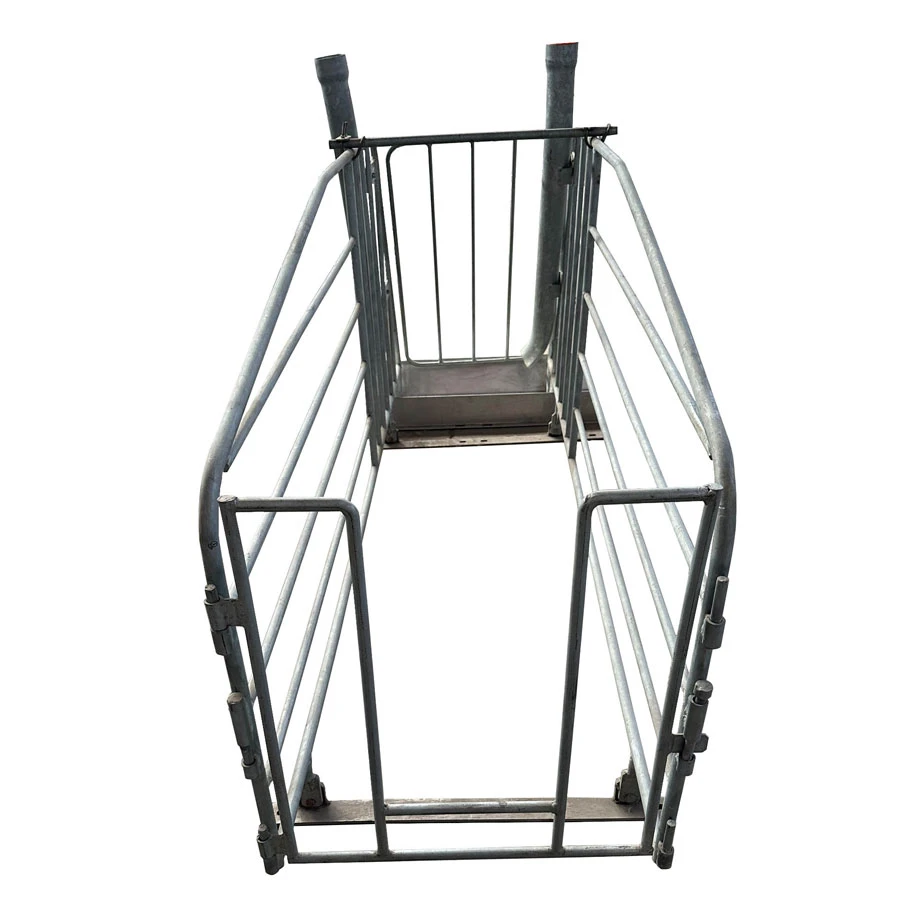
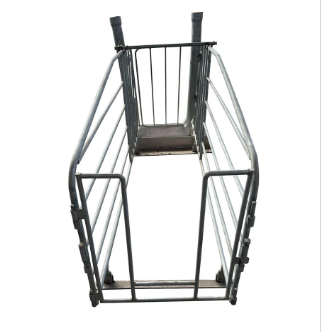
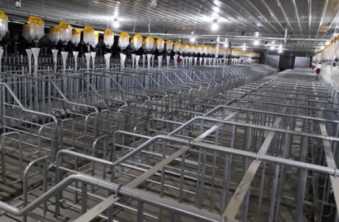
In straightforward terms, aluminum cattle stall dividers are partitions made from aluminum alloy designed to separate individual cows or calves within a barn or feeding area. They typically consist of horizontal rails and vertical posts that create secure but comfortable spaces for cattle, reducing stress and injuries due to overcrowding or aggressive interactions.
Why aluminum? Well, it combines strength and lightness, which means easier installation and modifications—and generally less wear over time. In modern agriculture or humanitarian settings (disaster relief farms, remote ranches), their adaptability and longevity help maintain animal welfare standards even in tough environments.
Key Features That Set Aluminum Cattle Stall Dividers Apart
Durability
Unlike untreated wooden dividers prone to rot or steel variants vulnerable to rust, aluminum’s natural corrosion resistance is a game-changer. It withstands moisture, cleaning chemicals, and temperature swings without degrading, resulting in long-term savings on replacements.
Ease of Installation & Maintenance
The lightweight nature means farmers don’t need heavy machinery just to set them up or reconfigure the barn layout. Plus, smoother aluminum surfaces make cleaning easier, which reduces labor time and helps maintain hygiene — a vital factor in controlling diseases.
Animal Comfort & Safety
Properly designed dividers maintain enough space and prevent sharp edges, minimizing injuries and stress among cattle — factors directly linked to better milk yields and weight gains.
Scalability & Modularity
Aluminum stall dividers come in customizable kits allowing farms of all sizes to adjust layouts quickly. Whether expanding herd size or reconfiguring to seasonal needs, these dividers offer real flexibility.
Cost Efficiency Over Time
While upfront price might be higher than some wooden or iron alternatives, the reduction in replacement frequency, decreased injury-related losses, and labor savings make aluminum dividers a smart investment.
Mini takeaway: These factors combine to create a durable, flexible, and animal-friendly infrastructure piece that pays off in the long run.
Real-World Applications: How Farms Around the Globe Use Aluminum Stall Dividers
Livestock operations from the Midwest USA to parts of Europe and South America are adopting aluminum stall dividers. For instance, dairy farms in New Zealand report enhanced milk production after switching due to better cow comfort and cleaner housing environments. Meanwhile, in parts of Africa, NGOs facilitating re-established livestock farming in post-conflict zones rely on these dividers for their quick deployment and sanitation.
Case in point: One relief organization set up mobile livestock shelters with aluminum stall dividers in rural Kenya after droughts devastated traditional pastoral systems. The durability and ease of transport meant animals stayed healthier, and farmers could regain income faster.
Industries such as organic farming or high-tech agribusiness also prefer aluminum for its compatibility with mechanized feeding systems and automated cleaning processes.
Aluminum Cattle Stall Dividers Product Specification Table
| Specification |
Details |
| Material |
6061-T6 Aluminum Alloy |
| Weight per unit |
Approx. 12 kg (varies by size) |
| Dimensions |
Customizable; typically 1.2m height x 1.5m width |
| Finish |
Anodized or powder coated for extra durability |
| Installation |
Bolt-on modular system, no welding required |
| Maintenance |
Pressure wash compatible; rust & corrosion resistant |
Comparing Popular Vendors of Aluminum Cattle Stall Dividers
| Vendor |
Product Range |
Customization |
Price Range (USD) |
Lead Time |
| FarmEquip Inc. |
Standard & custom dividers |
Moderate |
$90–$150 per unit |
4–6 weeks |
| AlumaBarn Solutions |
Premium anodized range |
High |
$120–$200 per unit |
2–4 weeks |
| GreenFields Ltd. |
Eco-friendly coated dividers |
Some |
$100–$170 per unit |
5–7 weeks |
Why Choose Aluminum Cattle Stall Dividers? The Advantages and Long-Term Value
Aluminum dividers aren’t just “nice-to-haves” — they’re strategic investments. Because they maintain integrity in rough barn environments, they reduce the frequency of repairs and replacements — that alone can save farms thousands over years. They also contribute to reducing environmental waste because you don’t have to throw out corroded steel or splintered wood frequently.
Beyond cost, there's a social benefit: healthier cattle tend to be less aggressive and more productive, which means farmers avoid the heartache and economic strain of injury or illness. The clean, modern look of aluminum also improves working conditions, arguably raising morale on farms.
Lastly, sustainability is becoming a top priority for the agriculture sector. Aluminum is 100% recyclable without losing quality — a rare win for both farmers and the planet.
Looking Ahead: Future Trends in Aluminum Stall Divider Design
While aluminum is already leading the pack, expected innovations include integrating smart sensors into stall dividers — think weight sensors or temperature monitors—to help farmers monitor cattle health remotely. Advances in powder coatings mean even tougher finishes resistant to biofilms or scratches.
Sustainability-wise, manufacturers are exploring recycled aluminum sources and greener finishing processes aligning with circular economy principles. Also, modular and adjustable designs will keep evolving to suit changing herd management techniques and automated feeding or cleaning systems.
Facing Challenges and Crafting Solutions
Of course, aluminum isn’t perfect. The initial cost can be a hurdle, especially for small-scale farmers. Also, welding aluminum requires specialized skills, though many suppliers now provide bolt-on modular systems to overcome that.
Some critics point out potential for scratches or dents, but these are manageable with modern finishes and proper handling. The key is educating buyers to see long-term value — which many industry leaders are doing through demonstrations and proof-of-concept projects.
FAQ: Quickly Clearing Up Common Questions About Aluminum Cattle Stall Dividers
- Q: Are aluminum cattle stall dividers better than wooden ones?
A: Generally yes, because aluminum lasts longer, resists rot or pests, and is easier to clean—leading to safer and healthier conditions overall.
- Q: How do these dividers affect animal welfare?
A: They provide sturdy, comfortable separation reducing stress and injuries, which improves cattle well-being and productivity.
- Q: Can aluminum dividers be customized for different cattle sizes?
A: Absolutely. Most suppliers offer modular kits adaptable to calves, standard cows, or even larger breeds.
- Q: What maintenance do aluminum stall dividers require?
A: Minimal—periodic cleaning with pressure wash tools is sufficient; no painting needed unless desired for aesthetics.
- Q: Are they suitable for outdoor pens too?
A: While primarily used indoors, anodized or powder-coated aluminum can also withstand outdoor exposure but may need checks for any mechanical damage.
Wrapping It Up: The Long-Term Benefits of Aluminum Cattle Stall Dividers
In the end, aluminum cattle stall dividers prove their worth through durability, flexibility, and positive impact on animal health — all critical for the future of farming. Whether you’re managing a dairy, beef operation, or supporting humanitarian livestock projects, these dividers offer a proven solution. They might just be the unsung hero holding many farms together, literally and figuratively.
Thinking of upgrading your livestock housing? Check out
aluminum cattle stall dividers to discover models and customization options that can fit your needs and budget.
---
References:
- Food and Agriculture Organization of the United Nations (FAO), Livestock Sector Briefs: http://www.fao.org/livestock-en
- World Bank, Agriculture and Rural Development, https://www.worldbank.org/en/topic/agriculture/overview
- ISO 23614-1:2019, Animal welfare management standards