Why Anti Slip Grating Matters: A Brief Overview
When you think about safety in industrial, commercial, or even public spaces, one silent hero often goes unnoticed: anti slip grating. It’s that unsung surface which keeps us steady on our feet, whether we’re climbing a factory platform or navigating a wet dock. Globally, slips and falls make up a significant portion of workplace accidents—according to the International Labour Organization, falls are among the leading causes of fatal and non-fatal injuries worldwide. That’s why understanding and implementing effective anti slip solutions matter not just for compliance, but for saving lives and boosting operational reliability.
Anti slip grating products provide enhanced traction in environments prone to moisture, oil, or debris accumulation — basically anywhere slips can cause real harm.
Getting to know these materials, their design, and their application benefits engineers, safety officers, and business owners alike. Plus, the right choice means less downtime, fewer injuries, and a more confident workforce.
The Global Context: Why Anti Slip Grating Is More Critical Than Ever
Now, scaling this safety conversation globally reveals a fascinating picture. The World Health Organization estimates that falls cause over 646,000 deaths annually worldwide. Not to mention, the costs of workplace injuries — lost productivity, medical bills, insurance hikes — can crush companies especially in heavy industries like manufacturing, shipping, and energy.
ISO safety standards and local codes increasingly demand surfaces that reduce slip hazards; so anti slip grating meets an urgent need for robust, durable solutions that align with global workplace safety goals.
Take a minute to imagine a busy port with rain-slicked surfaces, or a chemical plant with oily walkways — the problem becomes clear. Without effective anti slip surfaces, accidents multiply, leading to dire human and financial consequences.
Mini Takeaway:
- Slip-related accidents are a major global safety issue.
- Anti slip grating plays a crucial role in reducing these risks.
- Regulations and standards worldwide are pushing for safer surfaces.
Defining Anti Slip Grating
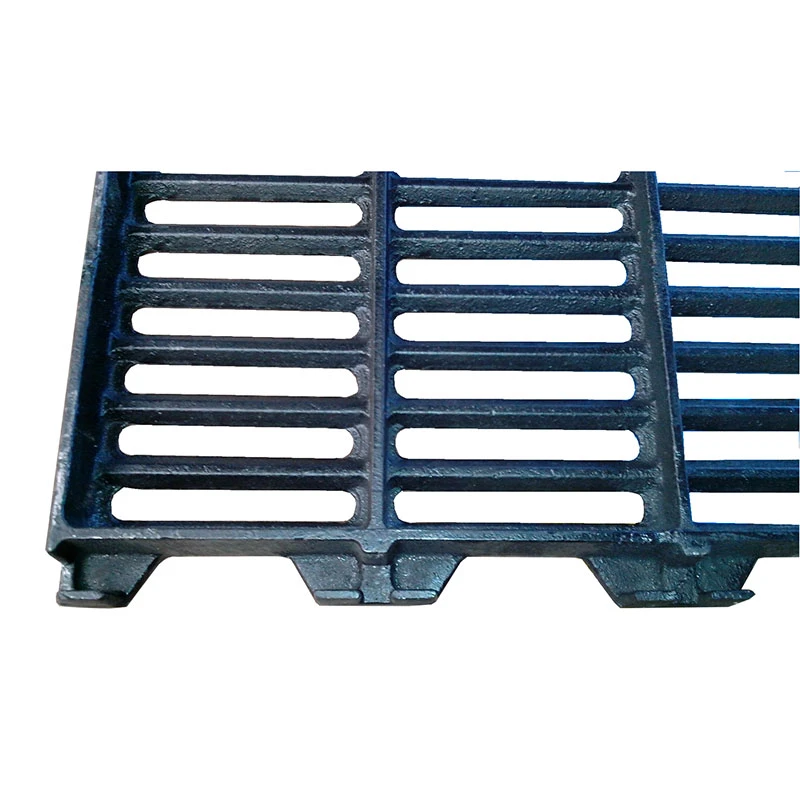
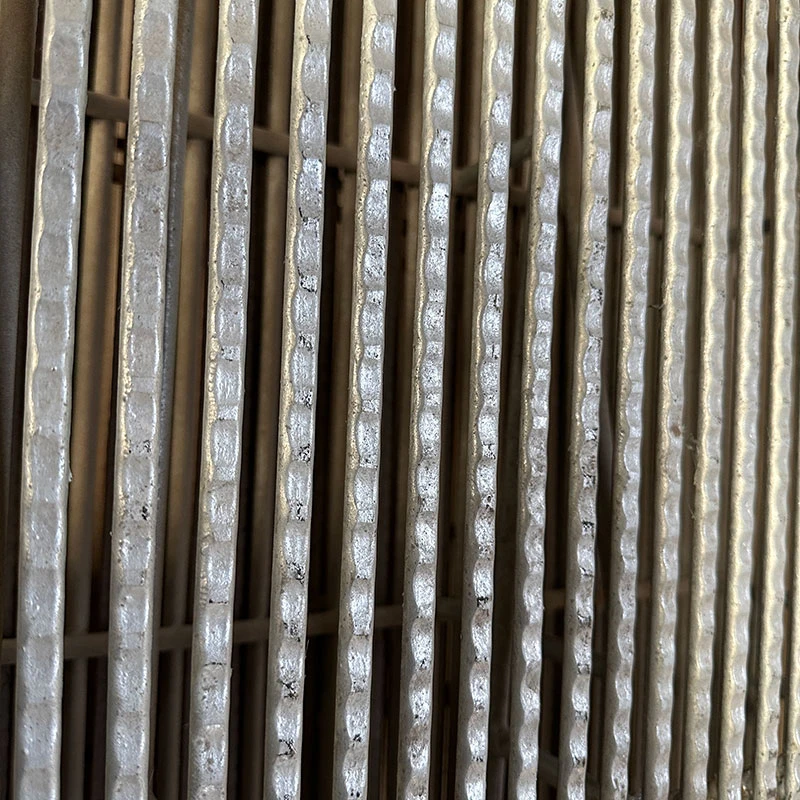
At its core, anti slip grating refers to specially designed floor or platform surfaces with enhanced traction properties. Usually made from steel, aluminum, or fiberglass, these gratings are engineered with textured surfaces or embedded abrasive materials to prevent slips.
Think of it as the architectural equivalent of good running shoes — engineered to provide grip where it’s most needed. They’re indispensable across industries where safety is paramount and conditions might be slippery due to water, oil, or other substances.
Moreover, in humanitarian efforts—like emergency shelters or temporary infrastructure following disasters—anti slip solutions can provide safe, rugged footing where traditional flooring isn’t feasible.
Mini Takeaway:
- Anti slip grating is a textured platform surface designed to boost traction.
- Materials vary but durability and safety are key.
- Vital in industrial and disaster-relief contexts.
Core Components of Effective Anti Slip Grating
1. Durability
Since these gratings often encounter harsh environments—chemical exposure, heavy foot and vehicle traffic—they’re built tough. Stainless steel and galvanized options fight rust and wear, while fiberglass variants resist corrosion and chemicals. Durability ensures not only safety but long-term cost savings.
2. Grip Technology
Designs often feature raised serrations, gritted surfaces, or embedded abrasive particles. This texture variation creates friction, which is essential for preventing slips even under greasy or wet conditions.
3. Load-Bearing Capacity
Depending on use, anti slip grating might need to support heavy machinery or pedestrian traffic. Specifications vary, but engineers select products rated precisely for expected loads to avoid structural failures.
4. Ease of Installation and Maintenance
Modular and standardized sizes simplify fitting; materials requiring minimal upkeep (like self-cleaning fiberglass) reduce long-term expenses. Safety isn’t just about the product but also how it’s integrated.
5. Cost Efficiency
While some high-performance gratings come with a premium, the investment often pays off through fewer accidents, insurance savings, and longer service life. Balancing up-front cost with lifecycle value is key.
Mini Takeaway:
- Durability, grip, load capacity, and maintenance are essential features.
- Choosing the right material balances safety and cost.
Real-World Applications of Anti Slip Grating
Hands down, industrial environments are the biggest users — oil rigs, factories, warehouses, and ports worldwide. In Scandinavia, for example, fiberglass anti slip grating has revolutionized maintenance platforms exposed to icy winters. In Southeast Asia, where monsoon rains are relentless, these surfaces keep worker areas reliably safe.
Post-disaster relief NGOs also deploy portable anti slip grating to create safe walkways amid chaotic rubble or mud. The UN’s Office for Disaster Risk Reduction highlights infrastructure resilience as a top priority — and these products contribute directly.
Then there’s the food processing sector, where hygiene demands non-slip, corrosion-resistant surfaces that are easy to sanitize. Even urban construction sites depend on modular anti slip panels to provide temporary safe access.
| Property | Fiberglass | Stainless Steel | Aluminum |
|---|---|---|---|
| Load Capacity | Up to 5000 lbs/sq ft | Up to 8000 lbs/sq ft | Up to 6000 lbs/sq ft |
| Slip Resistance (Coefficient of Friction) | ≥ 0.65 | ≥ 0.6 | ≥ 0.55 |
| Corrosion Resistance | Excellent | Excellent | Good |
| Typical Thickness | 1" - 2" | 0.75" - 1.5" | 0.5" - 1.25" |
Mini Takeaway:
- Applications span heavy industry, disaster relief, food processing, and construction.
- Different materials suit various environmental and load demands.
Advantages and Long-Term Value of Anti Slip Grating
Why bother investing in anti slip grating? Beyond the obvious safety wins, it’s about trust — trust that your workforce returns home uninjured, that your equipment operates uninterrupted, and that your business reputation remains intact.
Environmentally, materials like fiberglass often come with sustainability credentials, being lightweight and recyclable. Plus, their corrosion resistance means fewer replacements and less waste — a small but meaningful step toward greener operations.
Emotional benefits, too: people feel safer, confident, and respected when their environment clearly prioritizes their well-being. That morale boost, frankly, ripples through productivity and team loyalty.
Upcoming Innovations & Future Trends in Anti Slip Solutions
Looking ahead, the future of anti slip grating is trending toward smart and green materials. Imagine surfaces monitored by sensors that alert maintenance teams when friction falls below safety thresholds — digital transformation meets physical safety.
Eco-conscious firms are pushing for bio-based composites and coatings derived from sustainable sources. Meanwhile, 3D printing and modular designs might allow for custom-fit gratings optimized for specific zones on a facility floor.
Also notable are policy shifts encouraging integration of anti slip technologies in urban planning — public walkways and transport hubs becoming safer for all users, including elderly and disabled.
Common Challenges and How the Industry Addresses Them
One persistent limitation is balancing cost and performance. Higher-grade materials deliver superb grip and durability, but budgets often constrain choices. Some companies tackle this by prioritizing high-risk zones for premium products while using economical options elsewhere.
Another challenge is installing these surfaces in existing structures without disrupting operations. Modular, removable gratings ease retrofit concerns. Engineers also collaborate closely with health & safety teams to schedule work minimizing downtime.
Maintenance can fatigue even the best materials, especially in corrosive environments. Innovations in self-cleaning and anti-fouling surfaces are emerging answers.
Mini Takeaway:
- Cost and installation complexities are key challenges.
- Modular design and emerging materials offer promising solutions.
FAQ: Practical Questions About Anti Slip Grating
- What types of environments require anti slip grating most urgently?
- Any area prone to moisture, chemicals, oil spills, or frequent foot traffic benefits. Industrial plants, outdoor walkways, offshore platforms, and food processing facilities are prime examples.
- How do you maintain anti slip grating to keep its effectiveness?
- Regular cleaning to remove build-up of dirt or grease is key. Inspections should identify worn surfaces or damage requiring replacement or repair.
- Are fiberglass anti slip gratings as strong as metal ones?
- Fiberglass offers excellent strength-to-weight ratios and outstanding corrosion resistance. While absolute load capacity may be lower than steel in some cases, it’s often sufficient for most pedestrian and medium-load applications.
- Can anti slip gratings be customized for unusual spaces?
- Yes, many manufacturers provide custom sizes, shapes, and coatings to fit complex layouts or unique safety needs.
- Is installing anti slip grating disruptive to ongoing operations?
- Modular and lightweight products are designed for quick installation, often minimizing downtime when planned properly with safety managers.
Comparing Popular Anti Slip Grating Vendors
| Vendor | Material Options | Customization | Typical Lead Time | Price Range |
|---|---|---|---|---|
| GripTech Solutions | Fiberglass, Steel | High (custom sizes & coatings) | 3–5 weeks | $$$ |
| SafeStride Inc. | Aluminum, Stainless Steel | Moderate (select sizes, finishes) | 2–4 weeks | $$ |
| SlipGuard Co. | Steel Only | Low (standard sizes) | 1–3 weeks | $ |
Wrapping Up: Why Investing in Anti Slip Grating Is a Win for the Long Haul
In the end, anti slip grating is about more than just preventing tumbles — it’s about engineering with empathy, foresight, and innovation. Safer environments help people thrive and businesses flourish. The right grating technology is a practical step toward reducing risks and enhancing trust in workplaces across the world.
If you’re ready to explore how anti slip grating can transform your facility or project, don’t hesitate to visit our website for tailored solutions, expert guidance, and cutting-edge products.
Final Mini Takeaway:
- Anti slip grating saves lives, cuts costs, and supports sustainability.
- Technological advances make these products smarter and greener every year.
- Choosing the right vendor and design eases implementation and boosts ROI.
References
Post time: Dec . 02, 2025