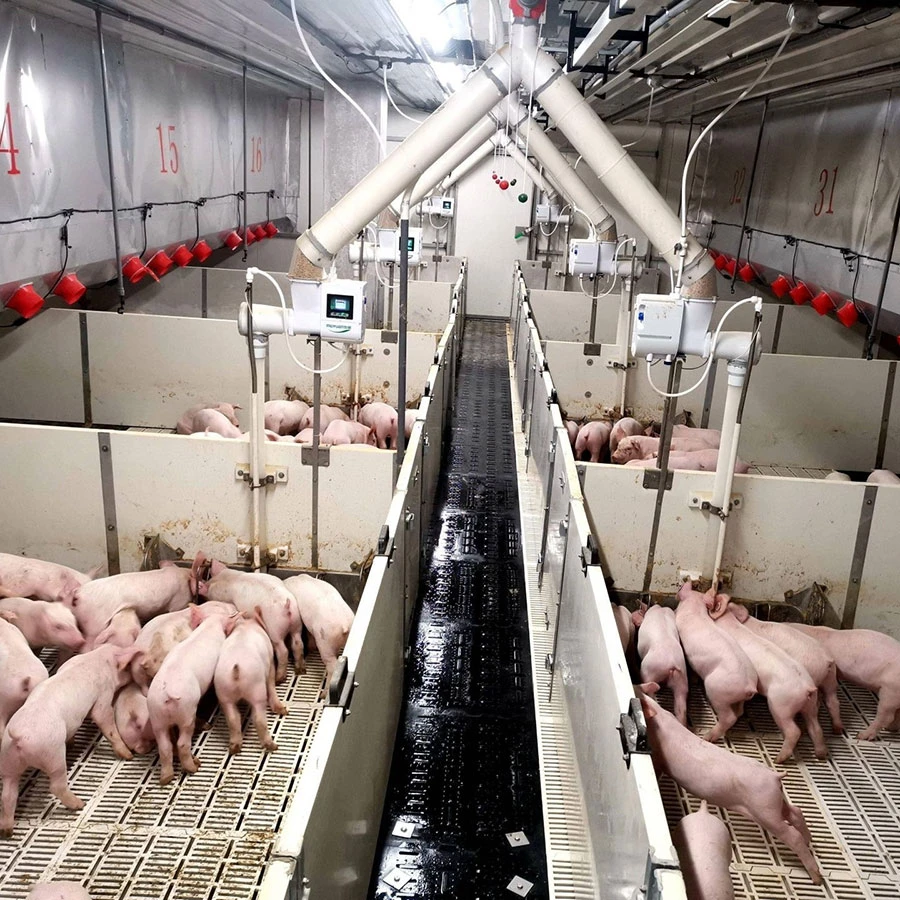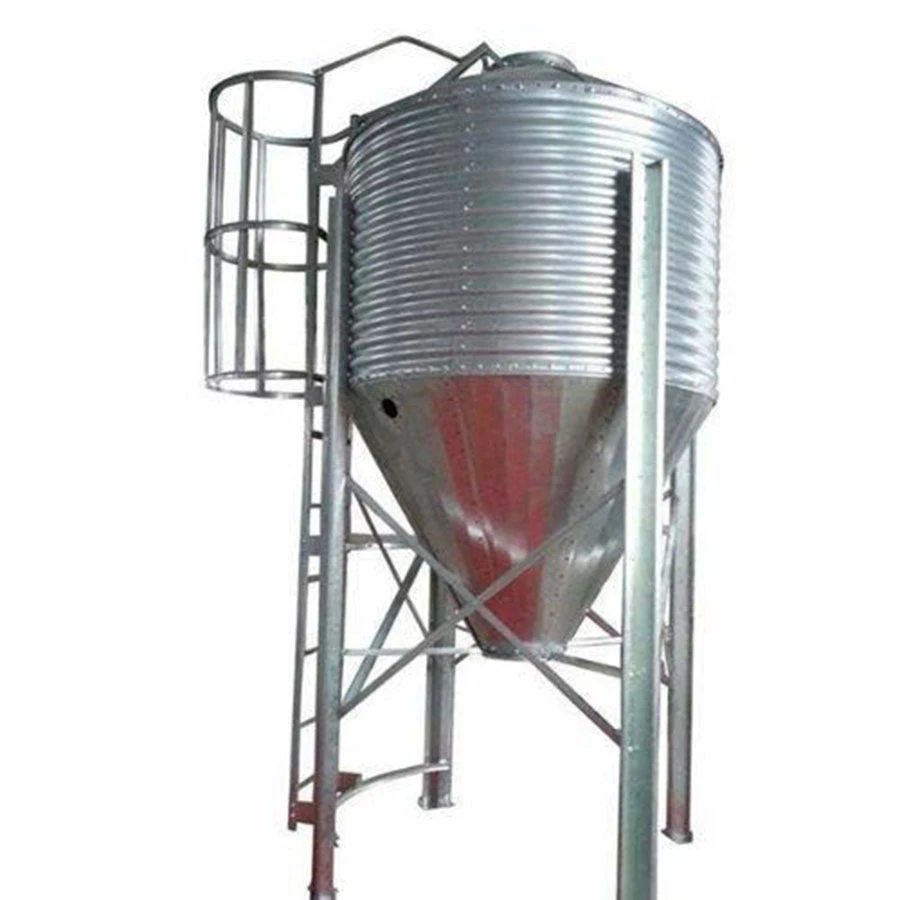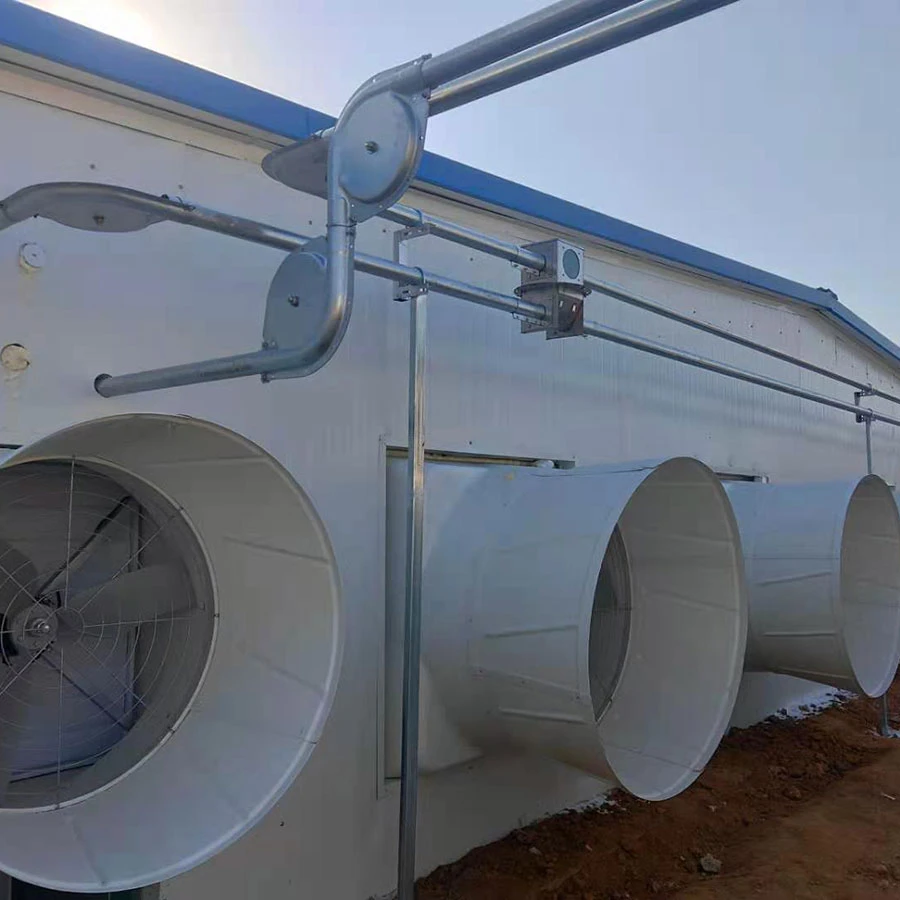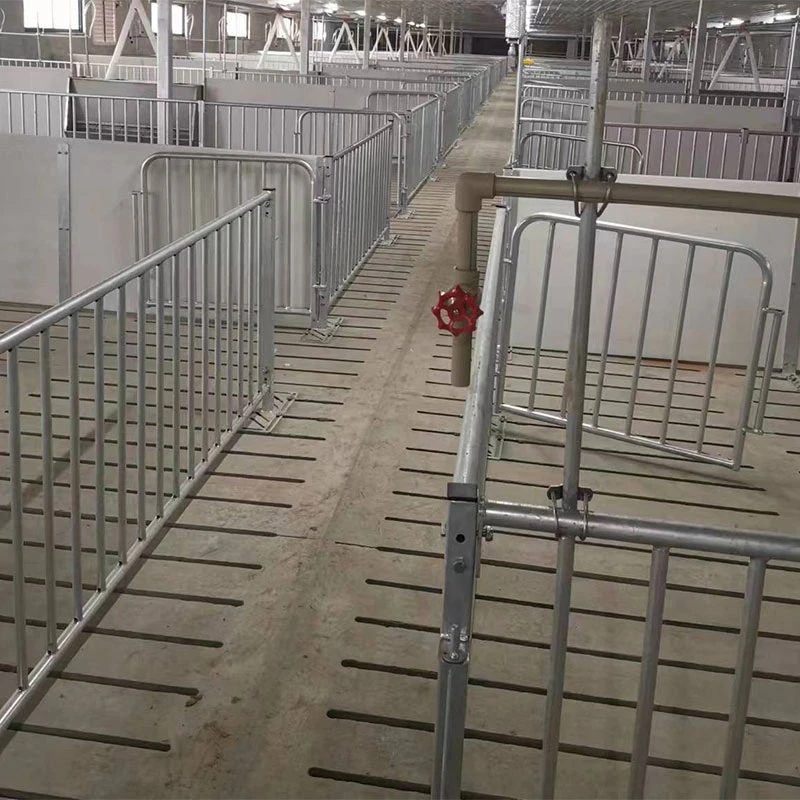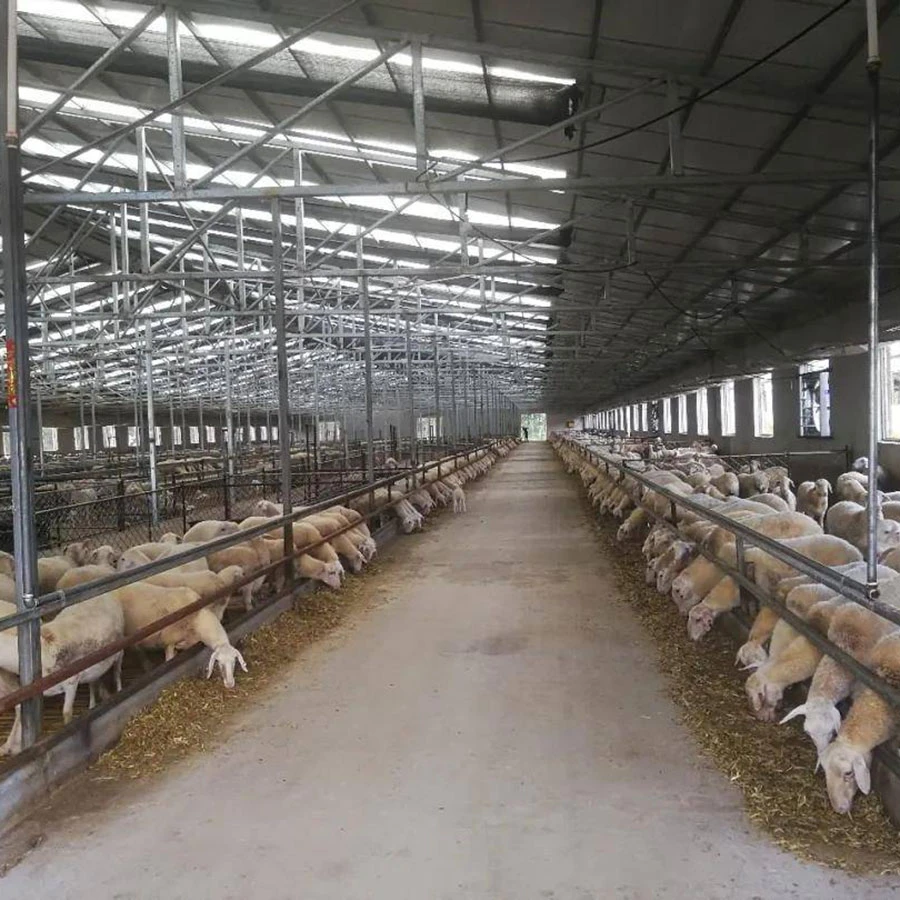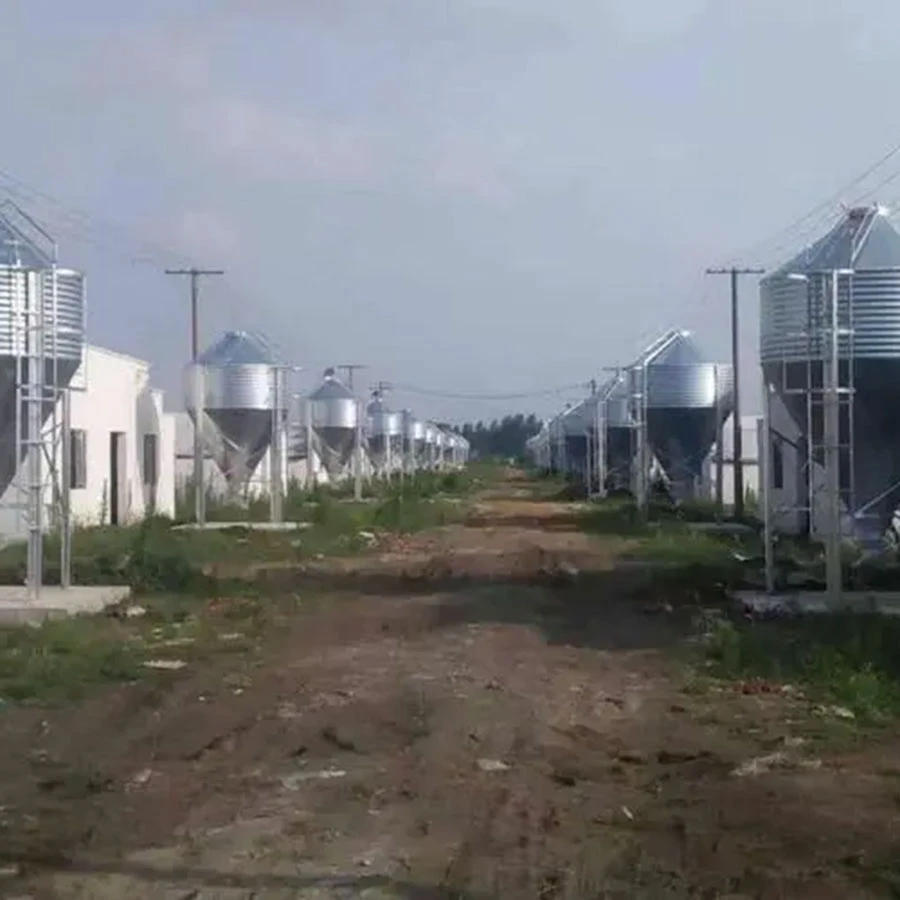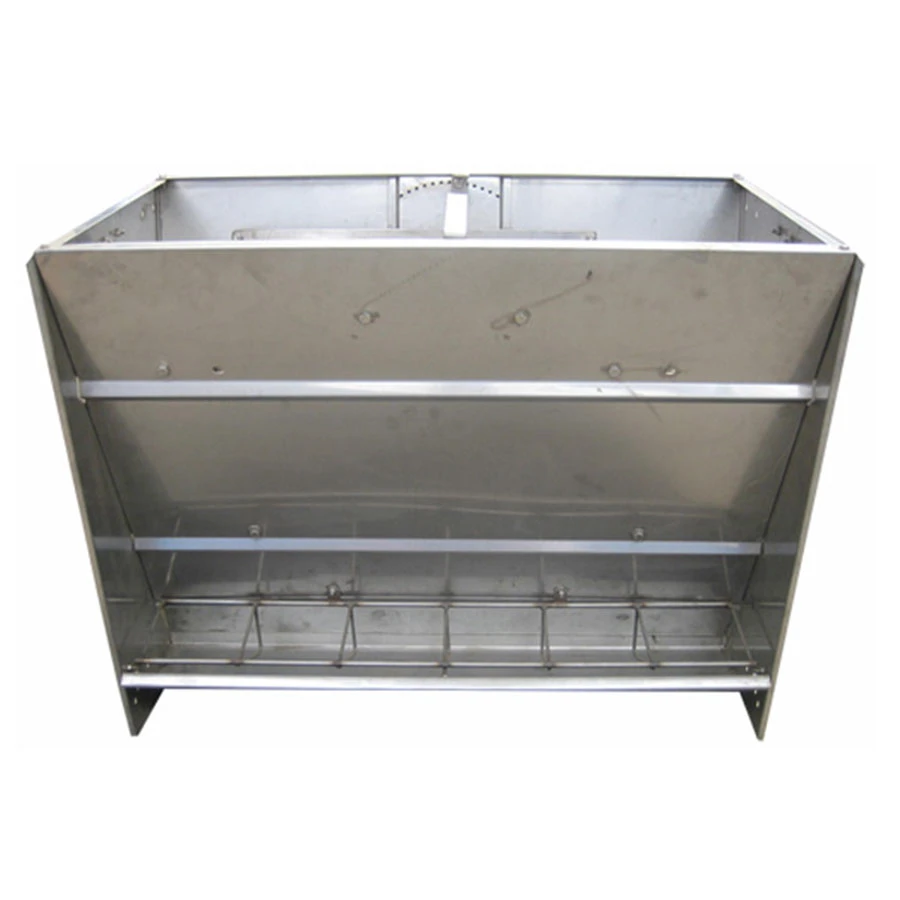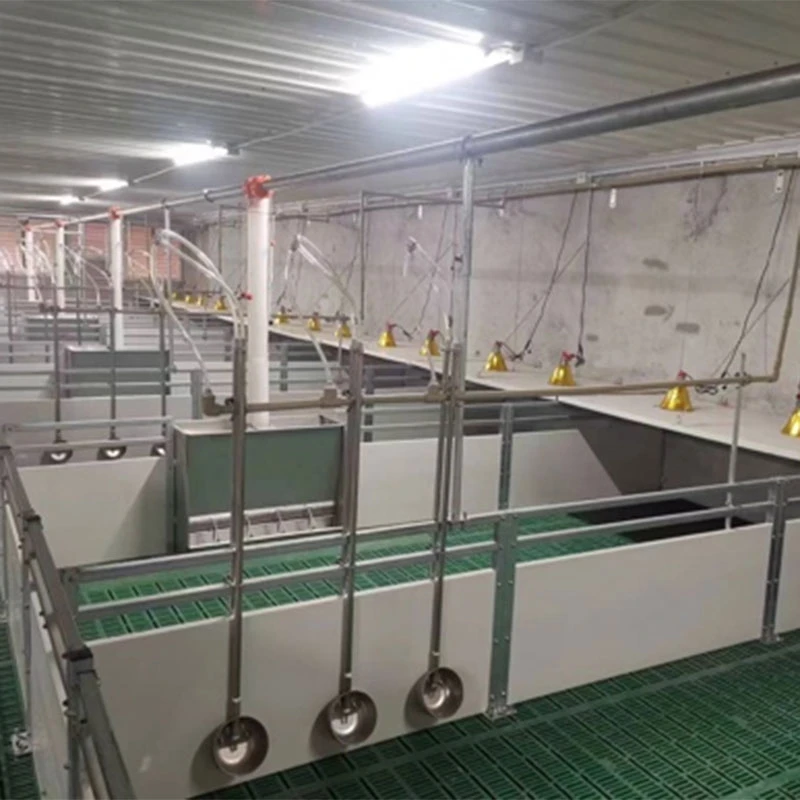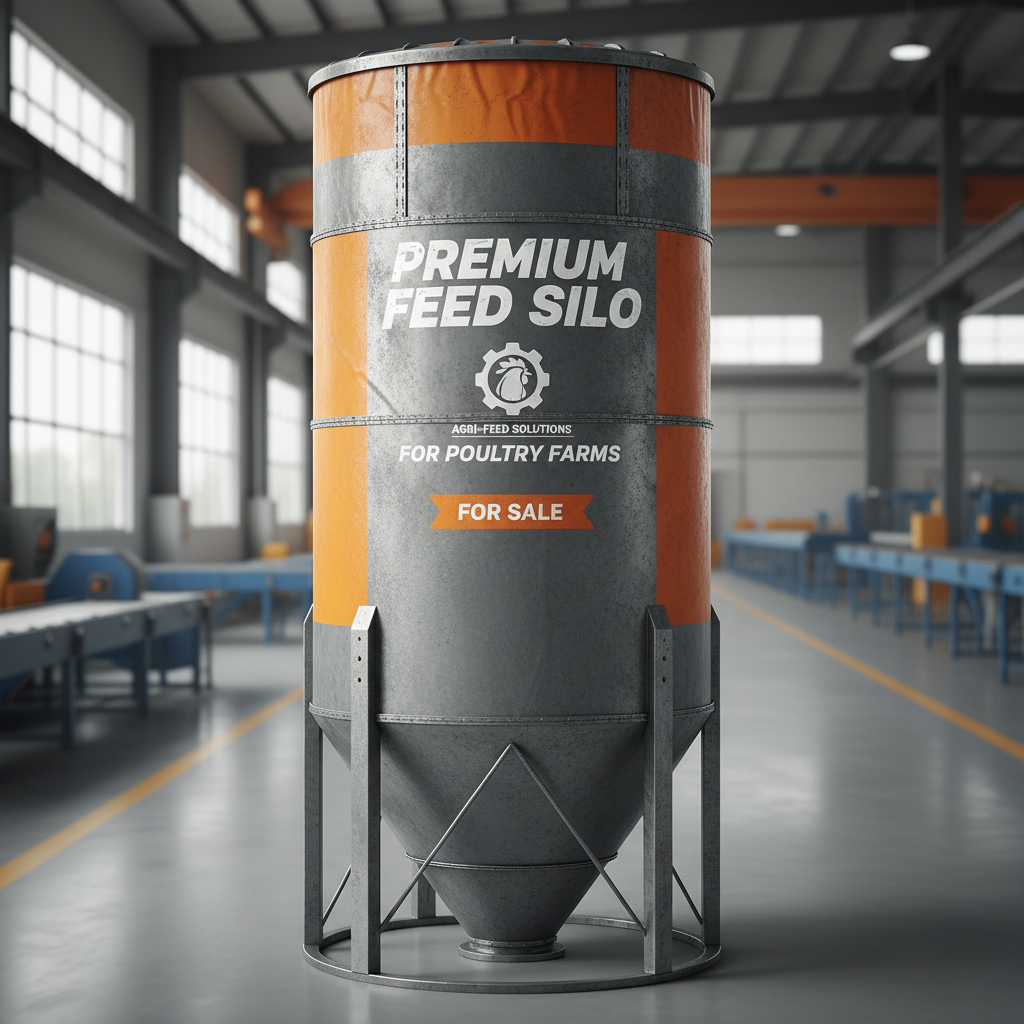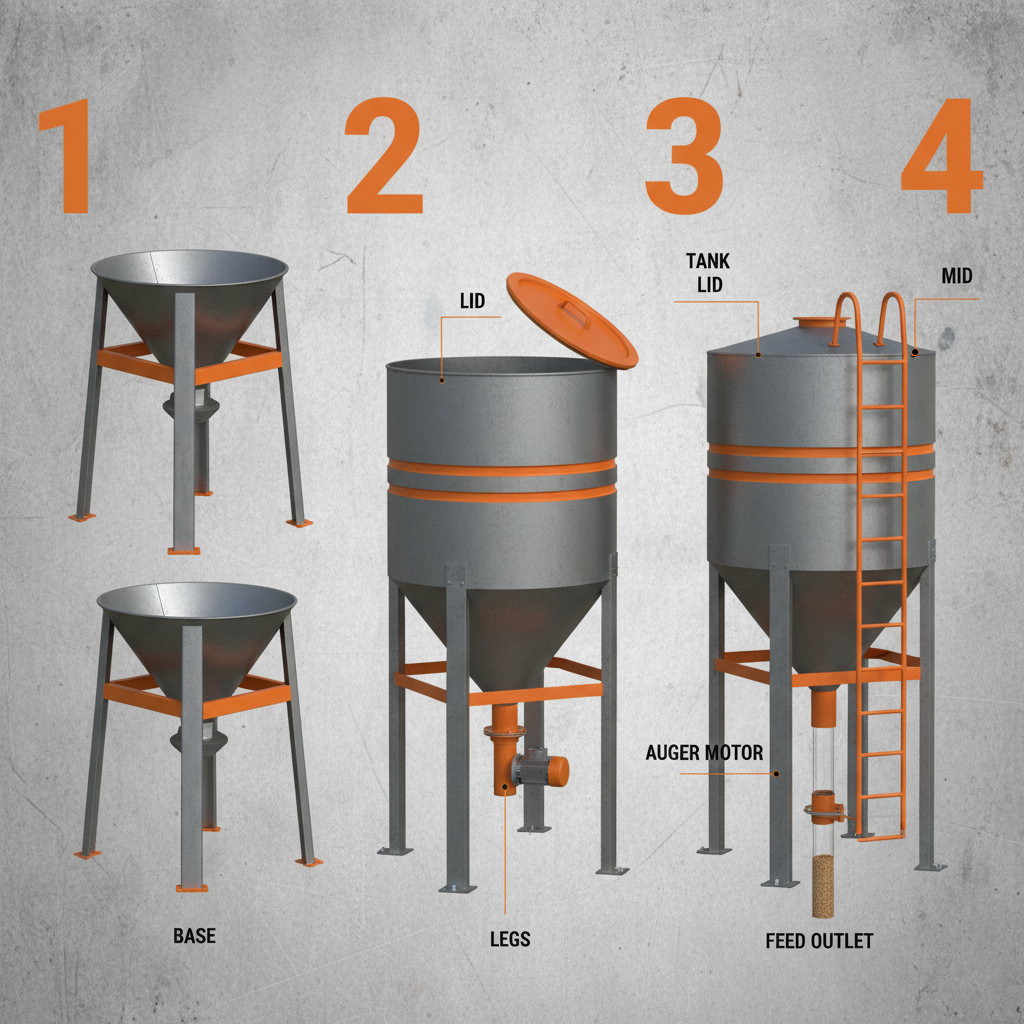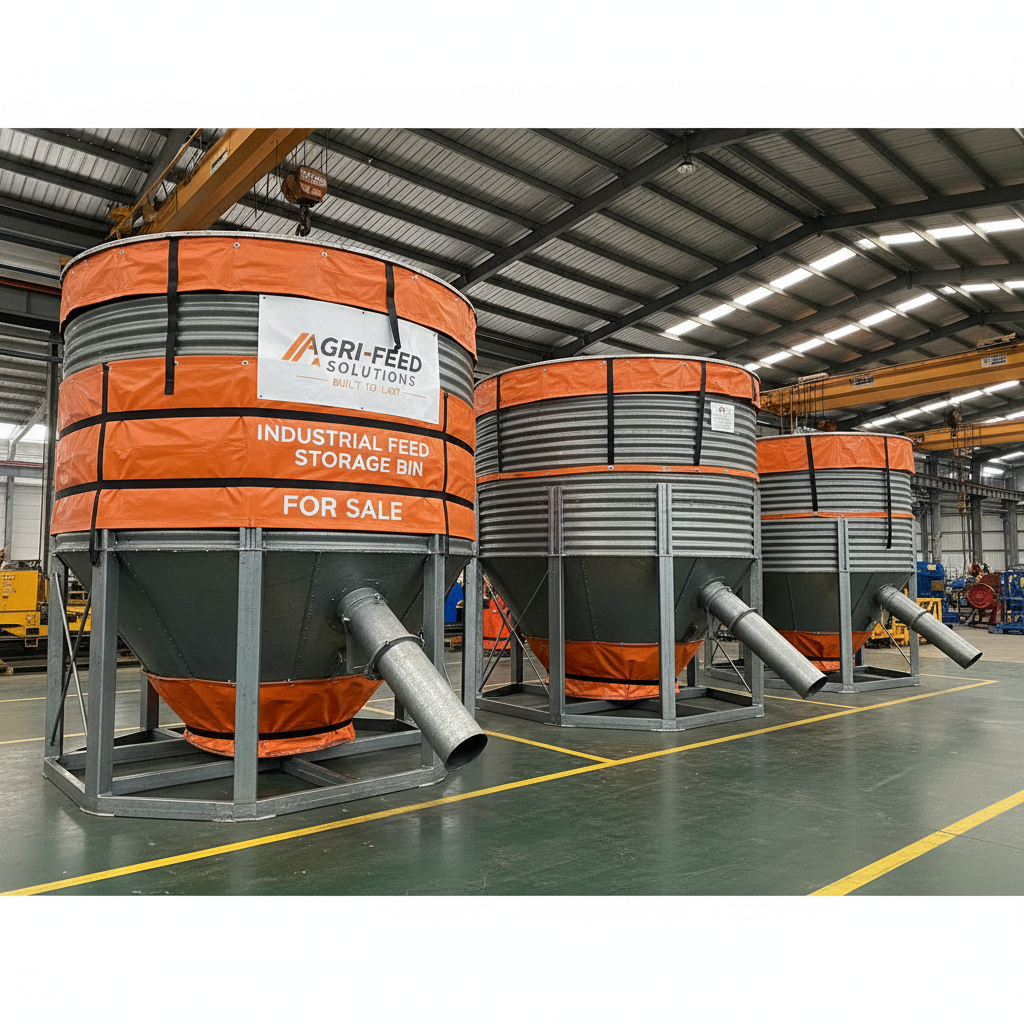
Automated Feeding Systems is a key solution in the industry, specifically within livestock management and agricultural operations. This article explores how https://www.cxlivestock.com supports professionals with durable, high-performance products, and explains why this product is an ideal choice for businesses in these sectors.
Table of Contents
- Automated Feeding Systems Overview
- Benefits & Use Cases of Automated Feeding Systems
- Cost, Maintenance & User Experience
- Sustainability & Market Trends
- Frequently Asked Questions about Automated Feeding Systems
- Conclusion on Automated Feeding Systems from china
Automated Feeding Systems Overview
Simply put, Automated Feeding Systems are integrated technological solutions designed to streamline the delivery of feed to livestock or other animals, minimizing manual labor and improving operational accuracy. In real terms, they consist of mechanized feeders programmed to dispense precise amounts of food on a schedule, ensuring optimal nutrition without human oversight.
CX Livestock, accessible at https://www.cxlivestock.com, offers some of the most robust and user-friendly systems on the market. Their units often include corrosion-resistant steel frames, programmable control units, and compatibility with common farming software for easy integration. A case in point: one large dairy farm saw feed wastage cut by 25% within six months of adopting these systems. That hands-on data really speaks to their efficiency.
| Feature | Specification |
|---|---|
| Feeding Capacity | Up to 2000 kg/day |
| Material | Stainless Steel & High-Density Polymer |
| Control System | Programmable PLC with Remote Access |
| Power Supply | 110-240V AC, optional solar |
| Installation Type | Ground-mounted or fixed to existing infrastructure |
Benefits & Use Cases of Automated Feeding Systems
Automated Feeding Systems have really carved out a niche across livestock farms, poultry operations, and aquaculture facilities. The obvious benefit? Consistency. These systems reduce human error in feed distribution, guaranteeing every animal gets the right amount of nutrients—no more, no less. Frankly, that precision improves growth rates and animal health.
What sets CX Livestock’s offerings apart is the user-friendly tech interface, which means operators don't have to be programmers to get the hang of it. The systems also have built-in diagnostics alerts, so you can nip maintenance issues in the bud – quite handy on large operations where downtime can get costly.
Vendor Comparison Table
| Feature | CX Livestock | Competitor A | Competitor B |
|---|---|---|---|
| Feed Accuracy | ± 2% | ± 5% | ± 4% |
| Ease of Setup | Plug & Play | Requires Technical Support | Requires 1 Day Installation |
| Remote Monitoring | Yes, via app | No | Partial |
| Warranty | 3 Years | 2 Years | 1 Year |
Cost, Maintenance & User Experience
From a financial perspective, many firms wonder about the true cost of ownership. Prices vary depending on capacity and features, but the ROI tends to be convincing. Reducing feed waste and labor hours often pays dividends within the first year, which customers at CX Livestock frequently report.
Maintenance-wise, modular parts and regular status alerts simplify upkeep. We've heard from poultry farm managers that their teams particularly appreciate how these systems cut down the usual mechanical surprises. And user feedback often points to the intuitive software – there’s less hand-holding needed, which frankly cuts training time.
Sustainability & Market Trends
Sustainability isn’t just a buzzword here. Automated Feeding Systems contribute by reducing feed waste, which lowers unnecessary resource consumption and environmental impact. As governments tighten regulations on farm emissions and resource management, these systems become more than efficiency tools—they’re compliance partners.
Oddly enough, market analysis shows growing adoption across emerging markets, fueled by both demand for increased food production and a tightening labor pool. For B2B decision makers, investing in such technology isn’t just good practice—it’s a strategic move to future-proof operations.
Frequently Asked Questions about Automated Feeding Systems
- What is Automated Feeding Systems and how does it work?
- It’s basically a machine or set of machines that automatically deliver feed to animals based on pre-set schedules and quantities. Sensors and programmable controls make sure the right portions are distributed to reduce waste and improve nutrition consistency.
- What are the main benefits of using Automated Feeding Systems in industrial applications?
- Key advantages include labor savings, reduced feed waste, precise feeding schedules, and improved animal health. Plus, there’s less downtime and fewer human errors, which can add up to significant cost savings over time.
- How does Automated Feeding Systems compare to traditional alternatives?
- Compared to manual feeding or basic mechanized feeders, Automated Feeding Systems offer far greater accuracy, flexibility in programming, and often remote monitoring capabilities. Traditional systems are usually less efficient and require more human intervention.
- What industries can benefit most from Automated Feeding Systems implementation?
- Primarily, large-scale livestock farms, poultry producers, and aquaculture businesses see the biggest gains. There are also emerging uses in laboratory animal care and even some pet boarding facilities, but agriculture remains the lion’s share market.
Conclusion on Automated Feeding Systems from china
To wrap things up, Automated Feeding Systems offered by CX Livestock provide an effective, reliable solution for businesses looking to boost feeding accuracy and reduce operational costs. Beyond the tech specs, what really counts is how these systems align with the evolving needs of modern agriculture. They’re not just a purchase—they’re a smart investment in future-proofing.
- Recap the value of Automated Feeding Systems.
- - Visit our website: https://www.cxlivestock.com
It’s fascinating how a simple shift in feeding strategy can ripple out to efficiency, sustainability, and economic outcomes — something for all decision makers to chew on.
References:
1. Industry Livestock Reports, 2023
2. CX Livestock User Testimonials, 2022-2024
3. Agriculture Tech Trends, Global Insights 2023
Post time: Dec . 11, 2025