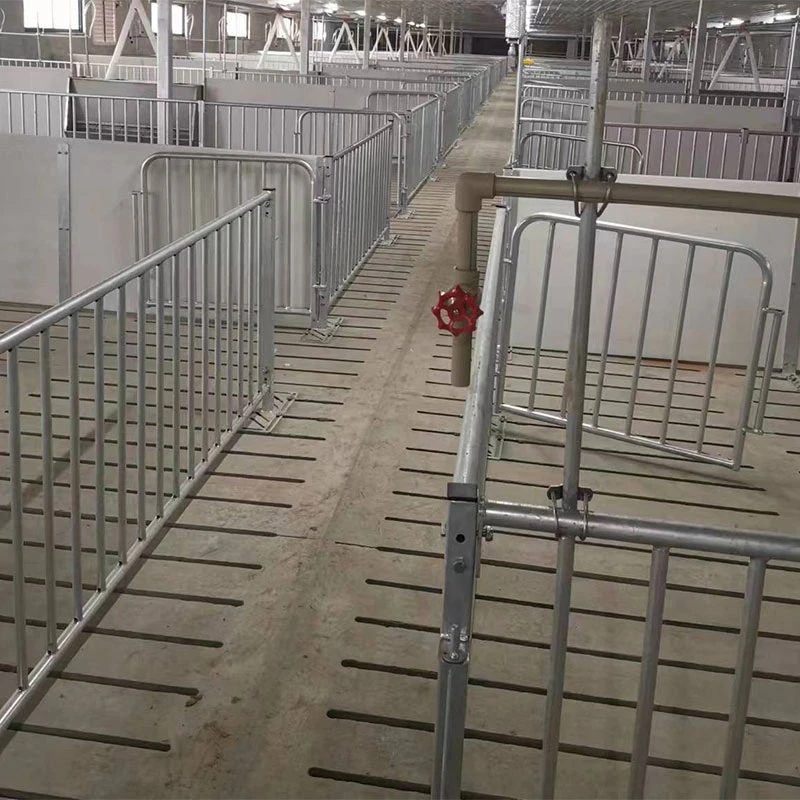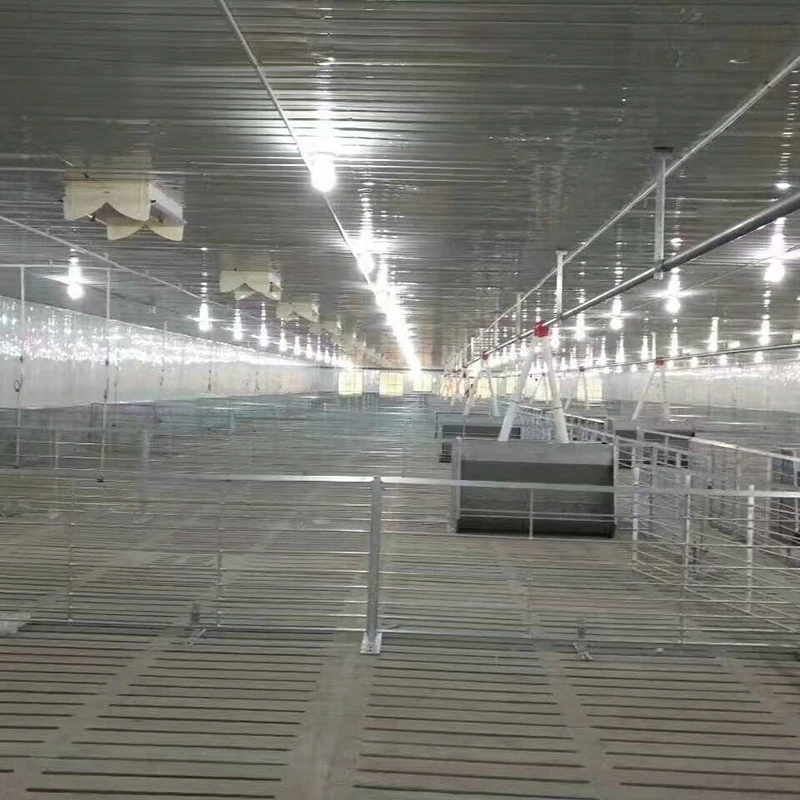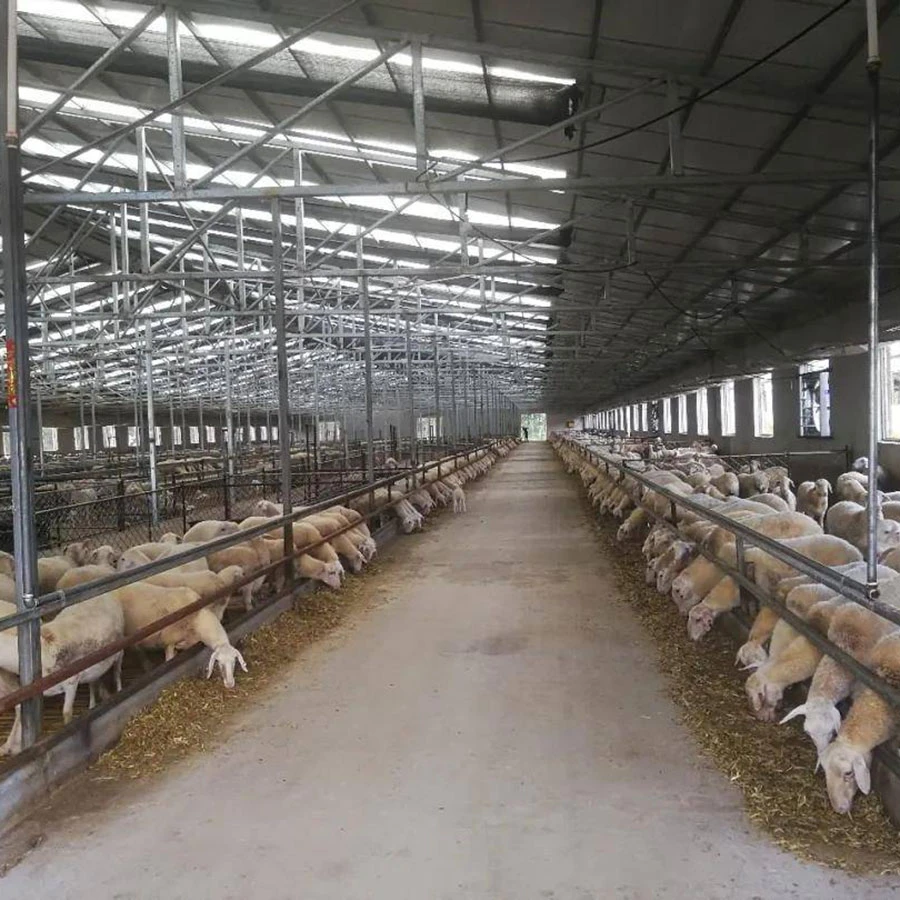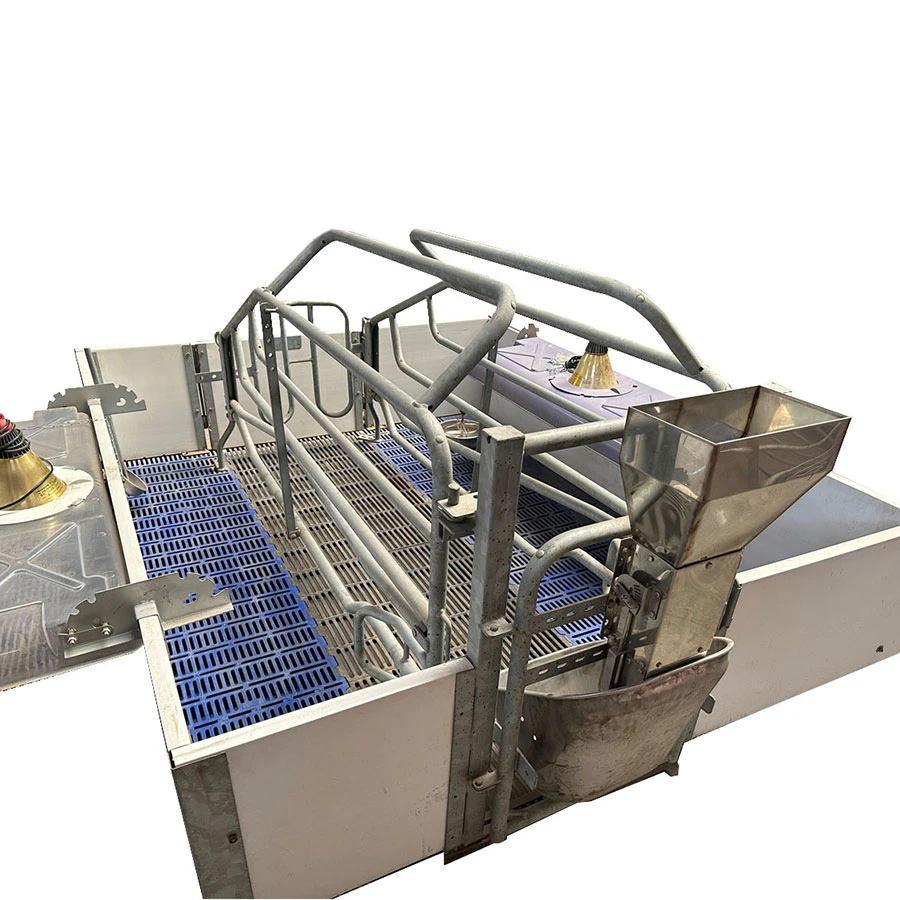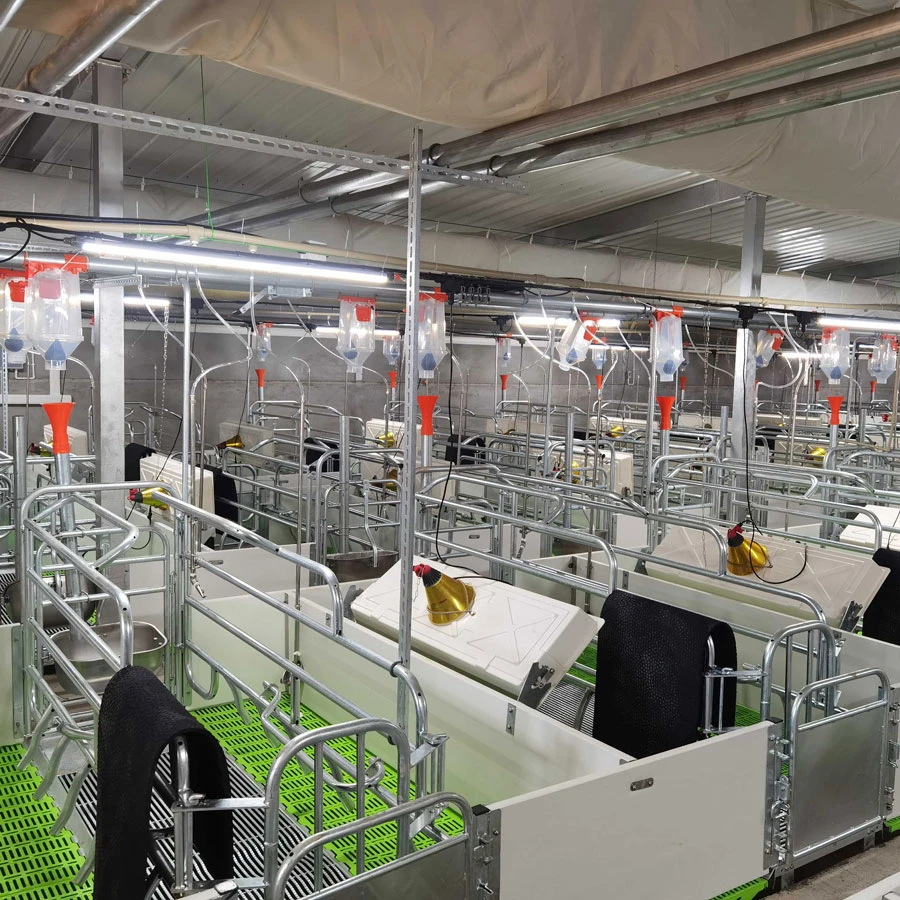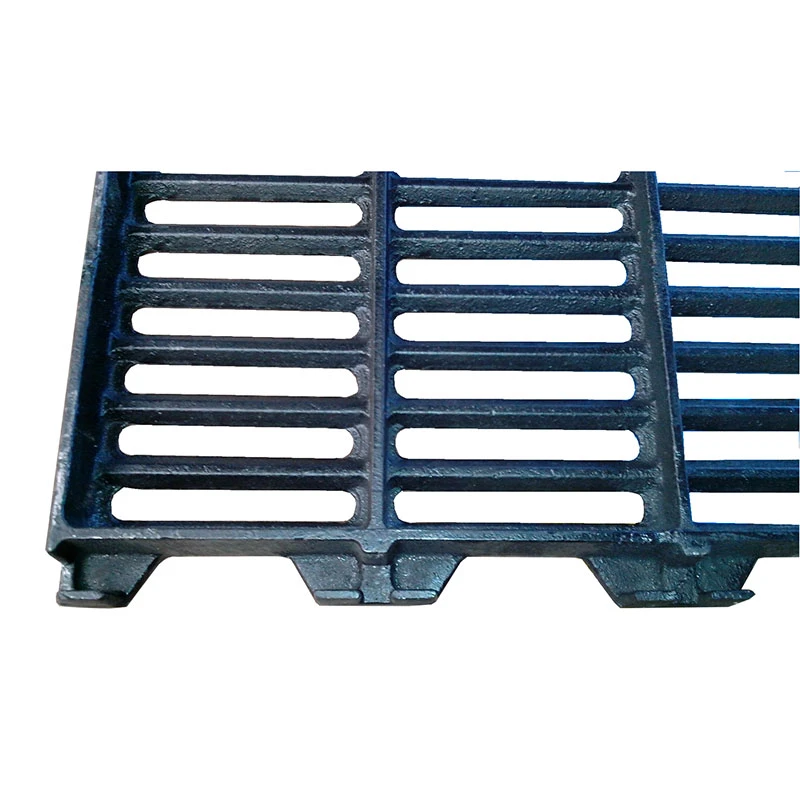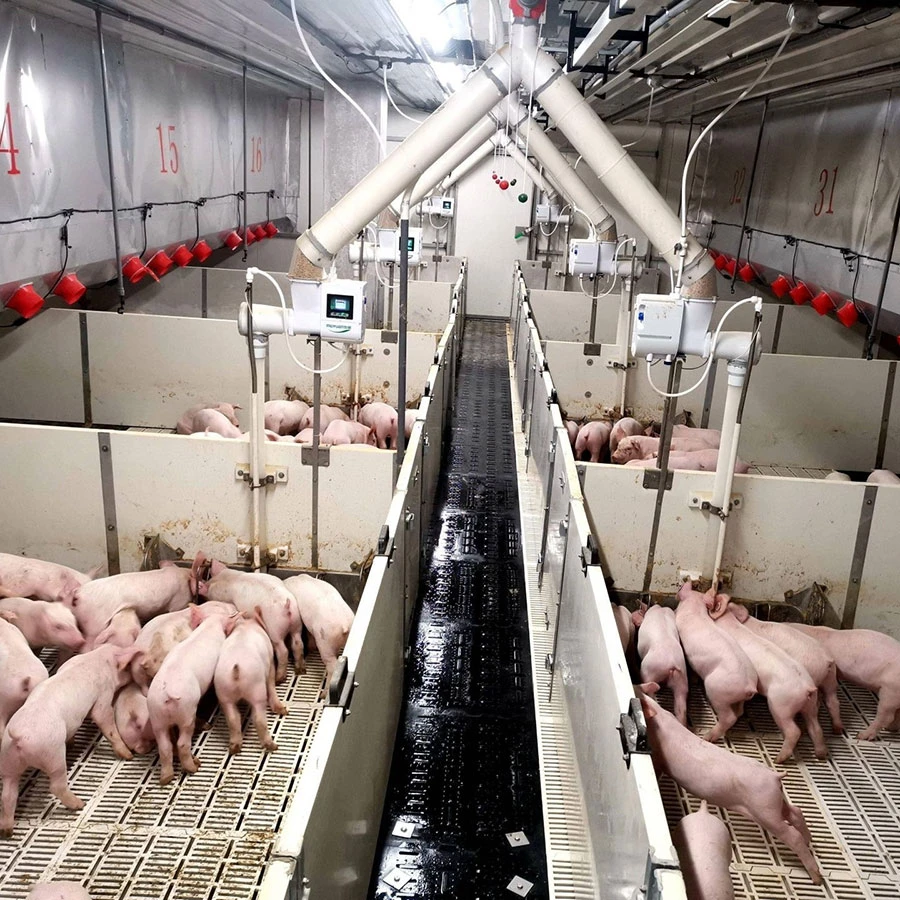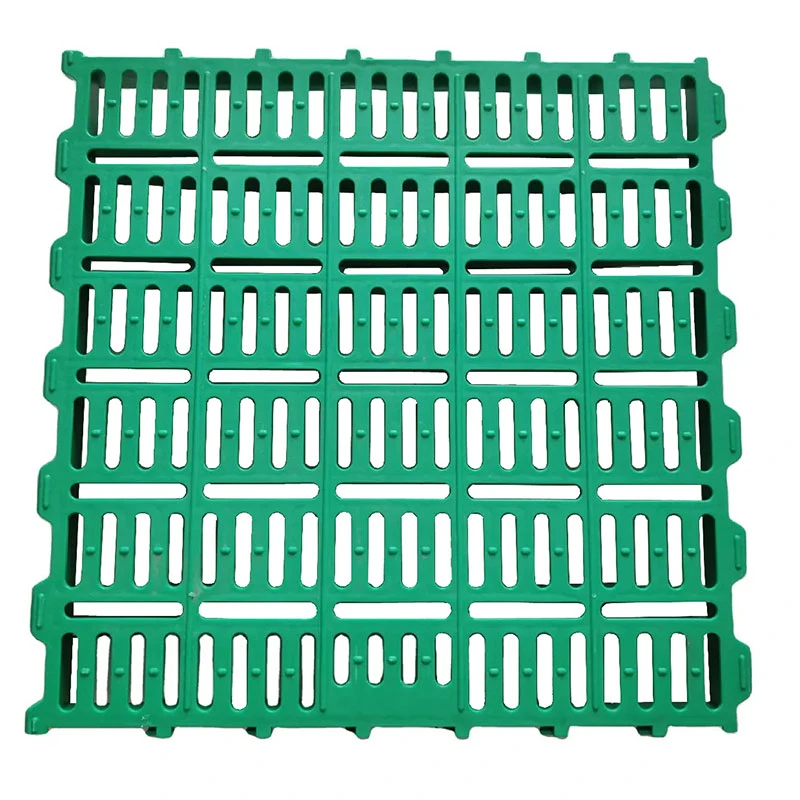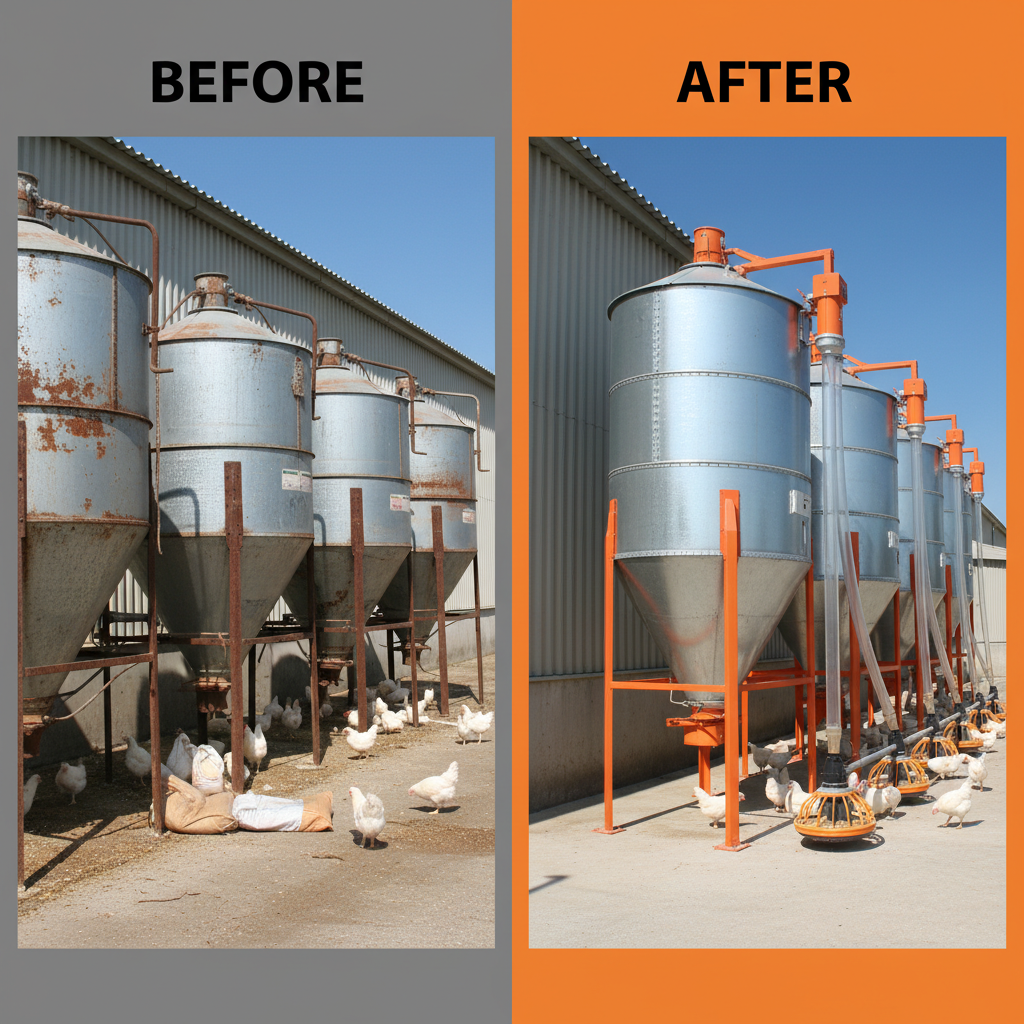
What Is an Automatic Animal Feeding System and Why It Matters
The idea of an automatic animal feeding system might sound a bit futuristic, but these devices are quickly becoming essential across livestock farms worldwide. At its core, it’s a tech-savvy way to feed animals efficiently, consistently, and often remotely. This isn’t just about convenience — it’s about tackling real global challenges like feeding billions of livestock sustainably, lowering costs, and reducing human labor. In fact, with the global population booming and food security becoming a pressing issue, these systems offer both practical and humanitarian benefits.
The Global Context of Automatic Feeding Systems
Across the globe, agriculture accounts for a significant chunk of food production and employment — the UN reports nearly 40% of the world's population depends on farming in some direct way (1). Yet, labor shortages, climate unpredictability, and the rising cost of animal feed are pinching farmers everywhere. That’s where an automatic animal feeding system steps in.
By automating feed distribution, farms can maintain consistent nutrition schedules, reduce feed waste (we're talking roughly 10-15% less), and free up labor for other tasks. According to some ISO standards on agricultural machinery, efficiency and safety ratings improve dramatically with automation, especially in high-density livestock operations (2). Honestly, the traditional manual feeding just can’t compete when it comes to scale and precision.
Defining the Automatic Animal Feeding System
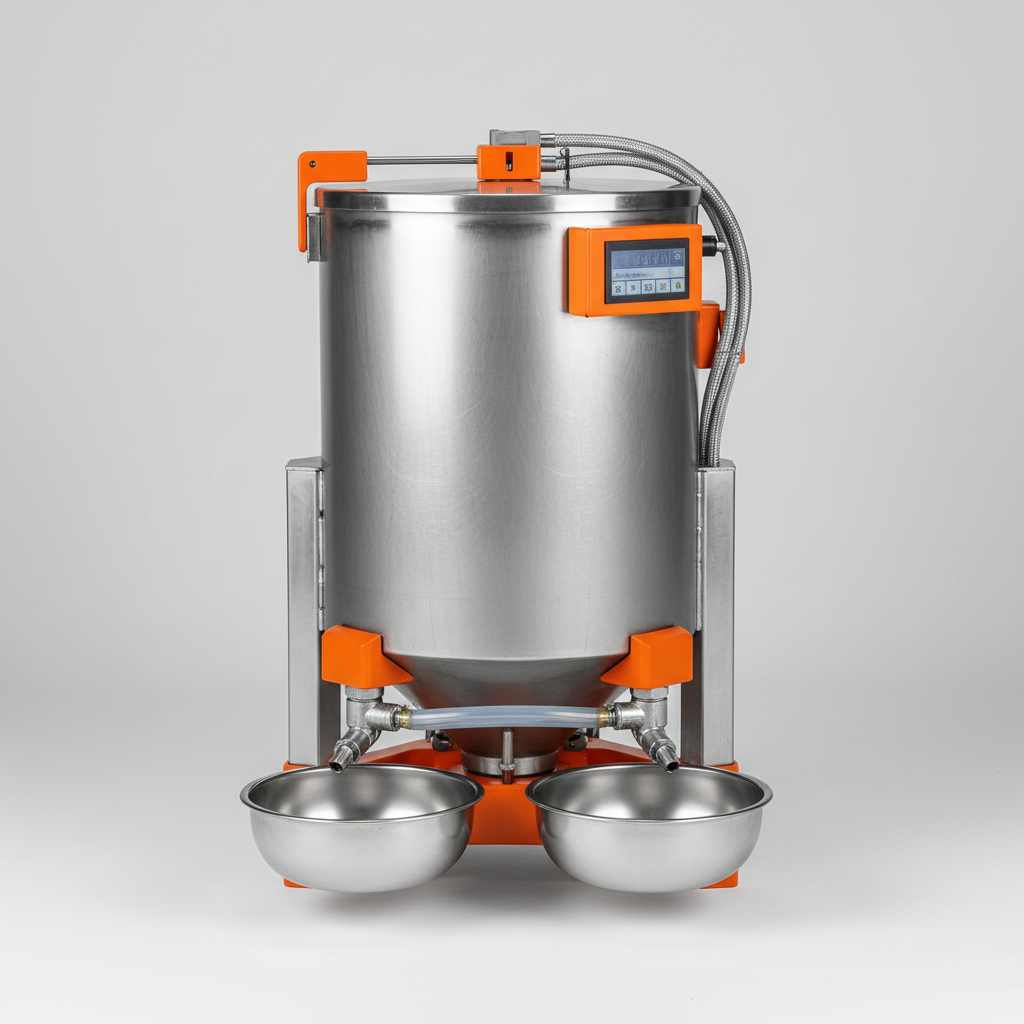
Put simply, an automatic animal feeding system is a mechanical or electronic setup that delivers precise amounts of feed to animals at preset times. This can range from simple timed feeders to complex computer-controlled platforms that adjust feeding volume based on animal weight or behavior.
These systems link modern technology with agricultural needs, bridging the gap between sustainable farming and modern convenience — sort of like the difference between hand-milking a cow vs. a mechanized milking station.
Core Components of Automatic Feeding Systems
1. Durability and Build Quality
Many farms face harsh conditions — lots of moisture, rough use, dirt, and curious animals. So, these systems are typically made from corrosion-resistant metals or durable plastics that resist wear and tear. Farmers often mention the importance of maintenance-friendly design to avoid costly downtime.
2. Scalability and Modularity
Whether a small family farm or a sprawling commercial operation, scalability matters. Modular systems allow farmers to start simple and add on components as herd sizes grow. This flexible architecture is key to adoption.
3. Cost Efficiency
The initial investment can be intimidating, but in the long run, the savings on feed wastage, labor, and animal health often outweigh upfront costs. Manufacturers generally offer options ranging from budget basic feeders to high-end smart units to suit different pockets.
4. Precision and Control
Advanced systems feature sensors for weight and consumption, feeding algorithms, and even remote app control. Precise portioning means healthier livestock and optimized feed usage — not to mention less hassle for managers.
5. Integration with Farm Management Software
Today, many feeders interface with farm data systems, logging feeding times, quantities, and trends. This data-driven approach helps farmers and vets make better decisions.
Where Are Automatic Feeding Systems Changing the Game?
- Large commercial farms in North America and Europe lead adoption — there, automation improves productivity and meets strict food safety standards.
- Emerging markets like Brazil and China are rapidly scaling agricultural tech — automation helps address labor shortages.
- Disaster relief and remote industrial zones: In places where human access is limited or safety is an issue, these systems ensure continuous care — animals that farmers rely on for food or labor are kept healthy even during crises.
Also worth mentioning: organizations involved in humanitarian livestock aid, such as those supporting pastoral communities in Africa, use these systems to maximize scarce resources with minimal personnel.
Mini takeaway:
Automatic feeders aren’t just fancy gadgets; they’re vital infrastructure in diverse environments, supporting food security and animal welfare globally.
Advantages and Long-Term Benefits
The tangible gains with automatic feeding systems are pretty convincing:
- Cost savings: Less wasted feed, reduced labor costs, and improved animal health.
- Sustainability: Precise feeding minimizes overfeeding, lowering environmental impact.
- Reliability: Constant, consistent feeding schedules avoid stress on animals — crucial for productivity and ethical farming.
- Social impact: Freeing labor allows rural communities to engage in broader economic activities.
There’s also something reassuring about using tech you can trust to do a job—you sleep better at night knowing your herd isn’t missing meals.
Product Specification Table: Typical Automatic Animal Feeding System
| Feature | Specification |
|---|---|
| Material | Stainless Steel & UV-resistant Polymer |
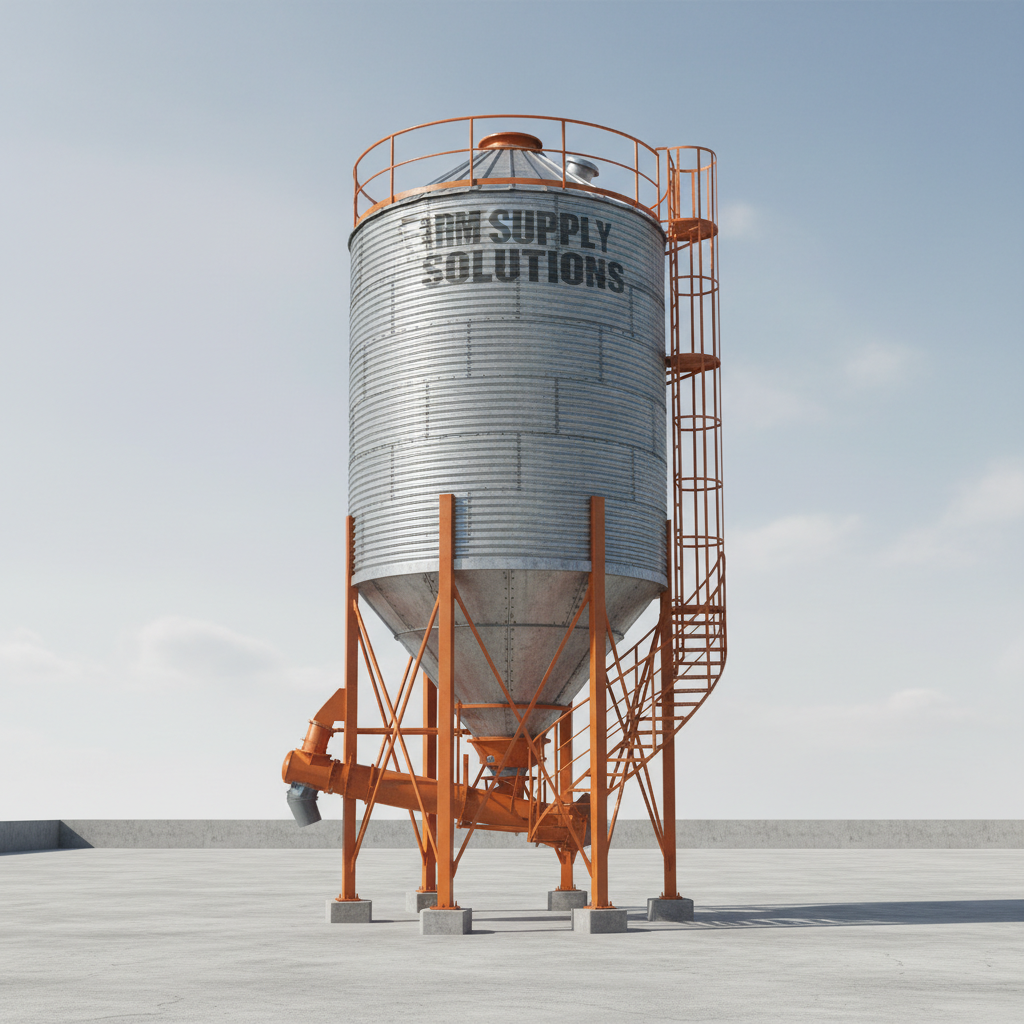
| Feed Capacity | 50-200 kg per hopper |
| Power Source | Solar panel + battery backup / AC power |
| Control | App-based remote control + manual override |
| Precision | ±5% feed quantity accuracy |
| Animal Compatibility | Cattle, sheep, goats, pigs, poultry (select models) |
Comparing Top Vendors of Automatic Animal Feeding Systems
| Vendor | Key Features | Price Range | Service & Support |
|---|---|---|---|
| AgriFeed Solutions | Modular design, solar-powered, mobile app | $2,500 - $12,000 | 24/7 phone support, onsite training |
| FarmSmart Tech | AI-based feed adjustment, cloud sync | $5,000 - $20,000 | Remote diagnostics, software updates |
| Livestock Automation Co. | High capacity, rugged build, multi-livestock support | $3,200 - $15,000 | Global coverage, customizable solutions |
Innovations and Trends Shaping the Future
What’s on the horizon? For starters, expect more integration with IoT sensors and precision agriculture tools — meaning feeders that know exactly when, what, and how much to feed each animal. Green energy solutions like solar and wind power for remote yards will also become standard, trimming operational footprints.
Blockchain is even creeping in to improve feed supply traceability, lending more trust to consumers about what’s on their plate.
Challenges and How Some Are Tackling Them
Despite the perks, automatic feeders come with obstacles. Initial cost and system complexity can scare off smaller operators. Maintenance, especially in rough climates, is another issue. But clever manufacturers are addressing these by offering leased equipment, ruggedized models, and straightforward user interfaces that farmers can learn quickly.
Speaking to some farm managers recently, I noticed they appreciate how distributed customer service and localized tech support ease pains that once felt daunting.
FAQs About Automatic Animal Feeding Systems
Q1: How quickly can an automatic animal feeding system be deployed on a working farm?
A: Deployment speed varies, but many modern systems are designed for fast installation, often within a day or two, minimizing disruption to daily operations. Modular systems further speed this up by allowing phased rollouts.
Q2: Can automatic feeders adapt to different animal types on the same farm?
A: Yes, many units offer settings or interchangeable components to accommodate various species such as cattle, goats, and sheep — although customization often depends on the model.
Q3: Are these systems cost-effective for small-scale farmers?
A: While initially pricier than manual feeding, smaller, simpler models exist that bring down costs. Over time, feed savings and labor efficiency often outweigh upfront investment. Leasing options can also help.
Q4: How do automatic feeding systems handle feed quality and contamination?
A: Advanced feeders incorporate moisture and temperature sensors within feed storage to reduce spoilage. Regular maintenance by farmers or technicians is essential to keep everything hygienic and effective.
Q5: Can these systems be integrated with other farm management tools?
A: Absolutely. Most smart feeders come with connectivity options — WiFi, Bluetooth, or cellular — letting farmers monitor and control feeding remotely and sync data with broader management platforms.
Wrapping Up & Next Steps
Automatic animal feeding systems represent a subtle but powerful shift in livestock management — making feeding smarter, safer, and more efficient. As pressures mount globally to produce more with less and protect animal well-being, these systems will only become more central. If you’re curious to see how this technology fits your operation, or want detailed specs, check out automatic animal feeding system options tailored for your needs.
Quick Takeaway Summary:
- They save time, feed, and money.
- They boost animal health and welfare.
- They integrate with future farm tech trends.
- Challenges exist but solutions are evolving rapidly.
In real terms, investing in such systems is like betting on smarter, more sustainable farming for tomorrow.
References:
1. United Nations Department of Economic and Social Affairs, Population Division (https://www.un.org)
2. ISO Agricultural Machinery Standards (https://www.iso.org)
3. World Bank Agriculture Data (https://data.worldbank.org/topic/agriculture)
Post time: Dec . 02, 2025