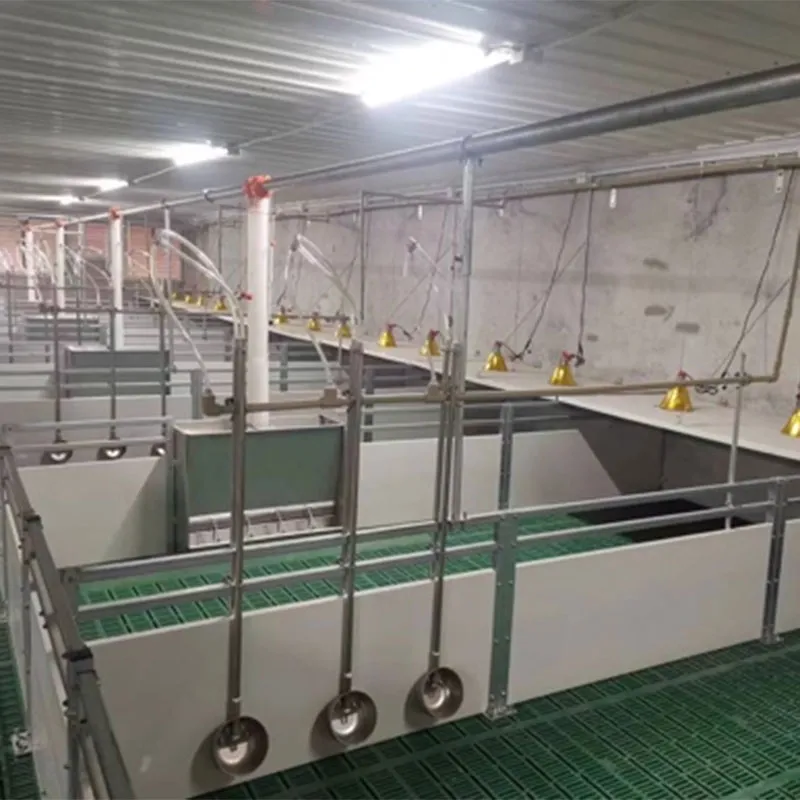
Inside the modern barn: why the automatic animal feeding system succeeds or fails on its consumables
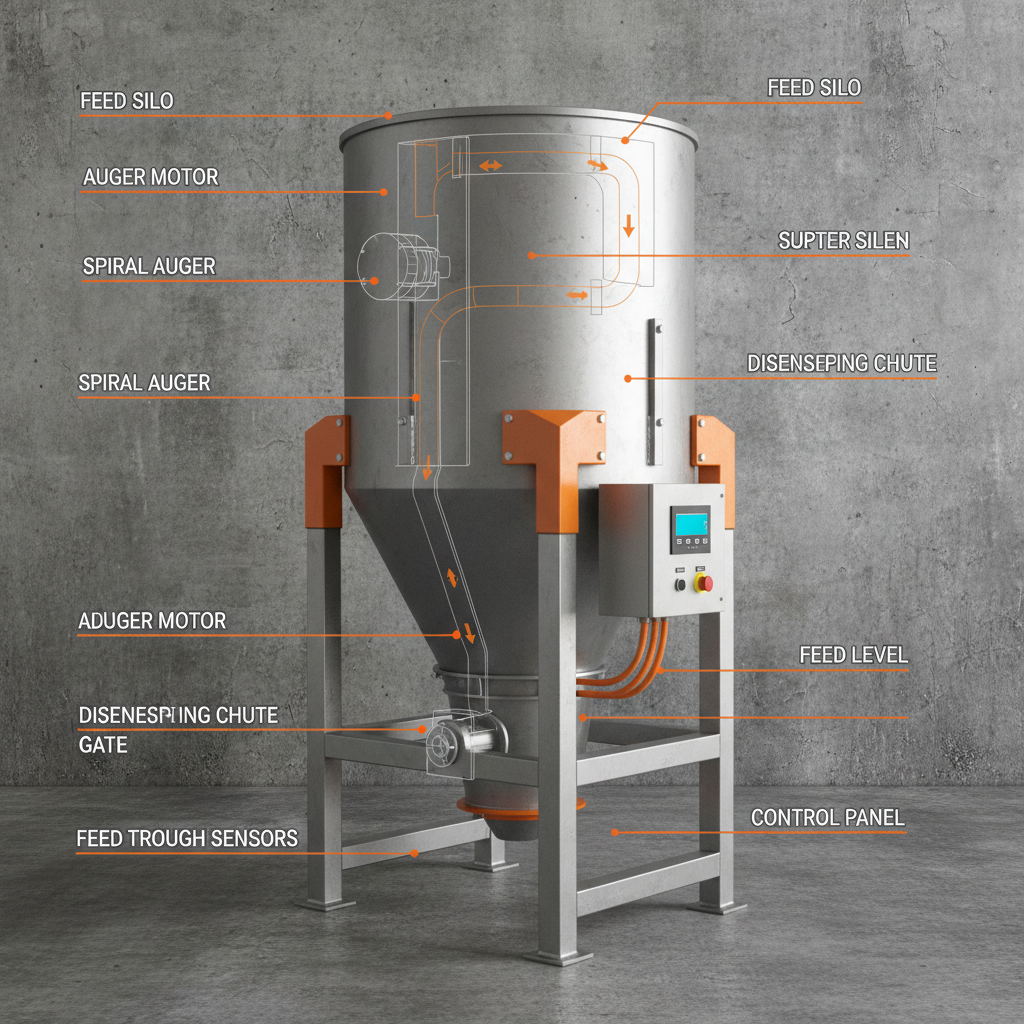
Walk any progressive piggery and you’ll notice something: the “smart” part isn’t just the controllers, it’s the humble wear parts quietly doing their job. In fact, the product at the center of this piece—Feeding System Consumables In Pig Farming Equipment—comes from Dongtai Road, Economic and Technological Development Zone, Huanghua City, Hebei Province, China, and it targets the unglamorous truth: to keep a automatic animal feeding system running, you replace bits before they bite you.
Industry pulse
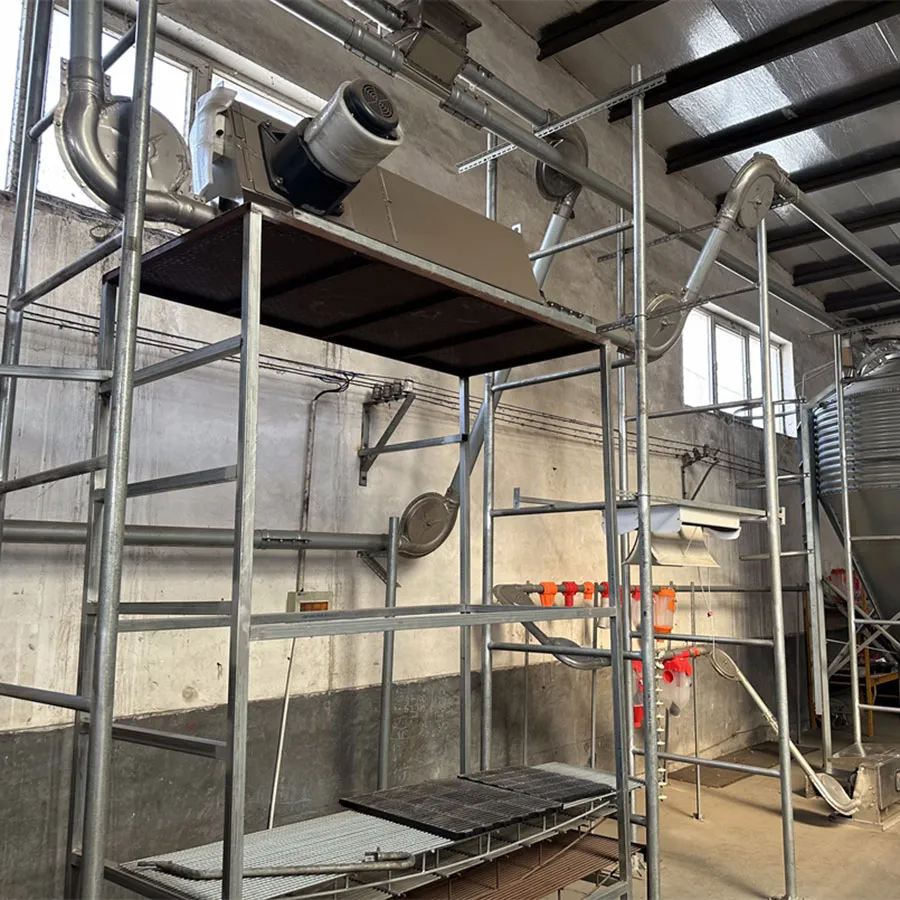
We’re seeing three clear trends: precision feeding (data-driven rations per pen), antimicrobial-sparing hygiene (smooth, easy-to-sanitize tubing and hoppers), and uptime-first maintenance. Surprisingly, many customers say predictive replacement of augers and corners cut their weekend callouts by half. Not scientific, maybe, but it tracks with the data I’ve seen.
Key specs at a glance
Below is a practical, field-minded spec snapshot for typical consumables used with a automatic animal feeding system. Real-world use may vary with feed abrasiveness, layout, and hygiene protocols.
| Component | Material | Typical Spec | Service life ≈ | Test/Standard |
|---|---|---|---|---|
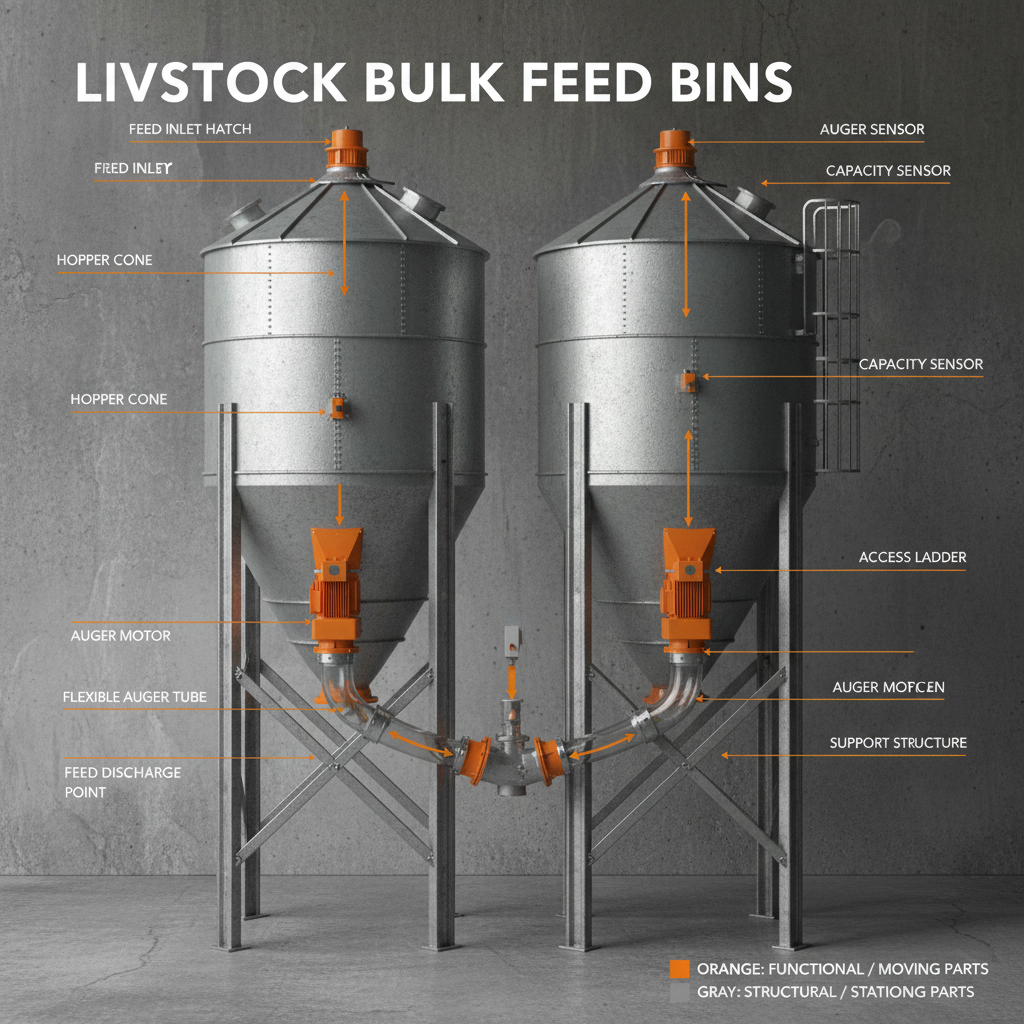
| Flexible auger | Spring steel + PE liner | Ø45–75 mm, pitch tuned for pellets/mash | 18–36 months | Abrasion per ISO 4649; tensile per ASTM A370 |
| Drive motor & gearbox | IP-rated motor, alloy gears | 0.55–1.5 kW; IP65 | 5–8 years | IEC 60529; IEC 60204-1 |
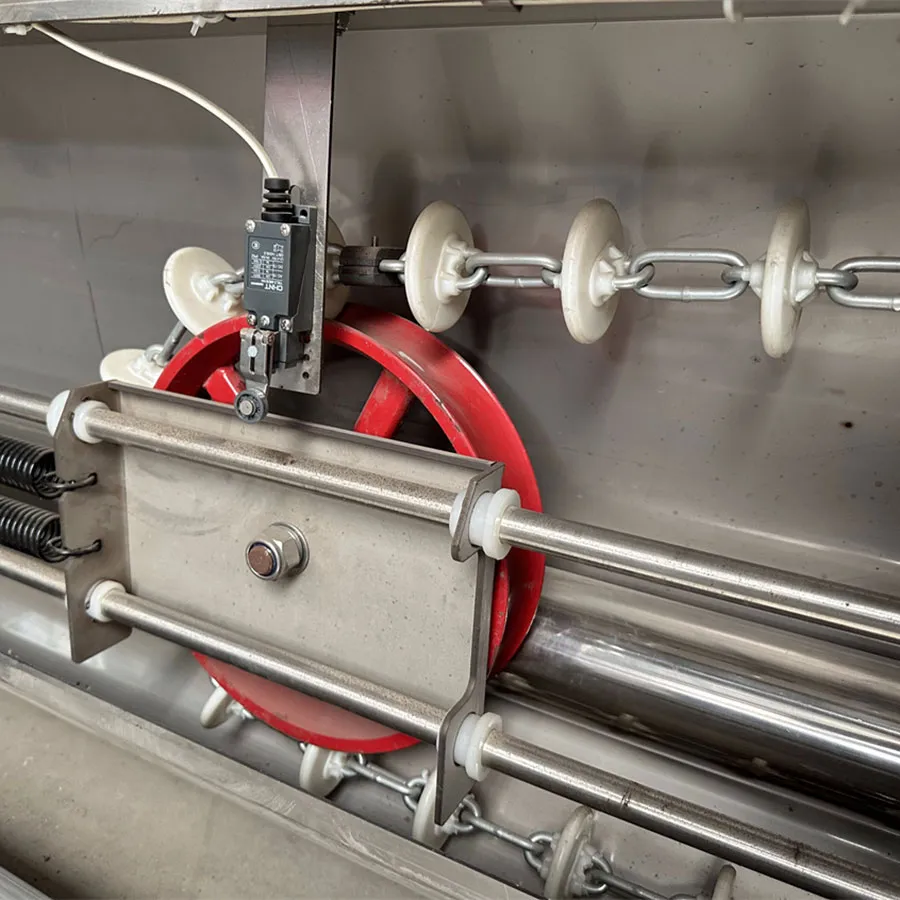
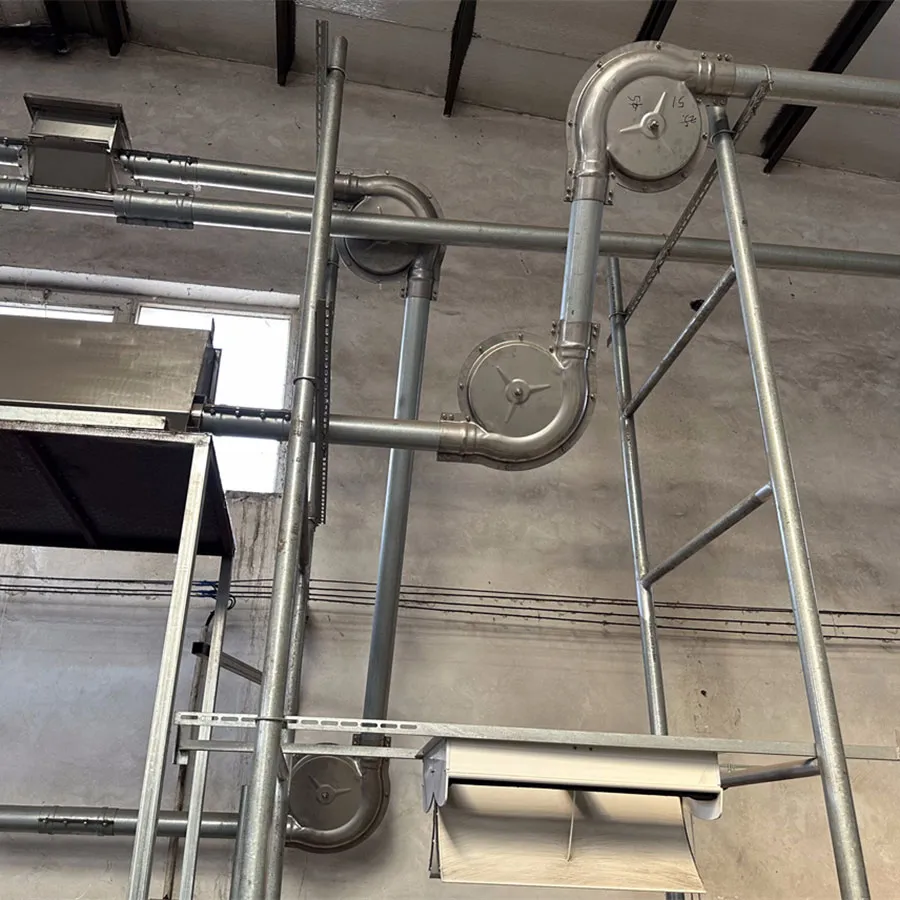
| Conveyor corners | 304/316 SS + UHMW inserts | 90°/135° modules | 24–36 months | ISO 9227 salt-spray (SS) |
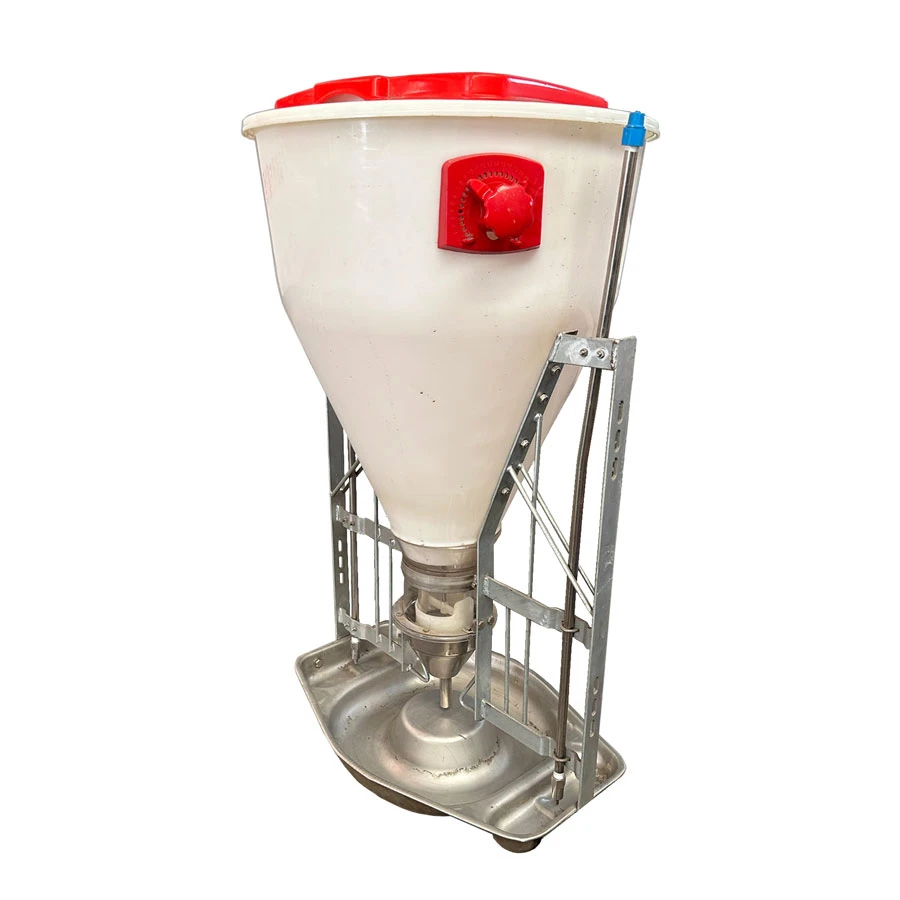
| Drop feeders/valves | Food-grade PP/ABS, SS hardware | 1–7 L adjustable | 12–24 months | EU food contact; migration tests |
Process & QA in plain English
Materials: 304/316 stainless for corrosive spots, UHMW-PE for sliding wear, and food-grade PP for hoppers. Methods: CNC-formed augers, injection-molded drops, TIG-welded SS corners. Testing: tensile (ASTM D638 for plastics), neutral salt spray (ISO 9227), ingress protection (IEC 60529), control safety (ISO 13849-1). Typical service life is listed above, but to be honest, mash diets with fine sand shorten it.
Where it fits
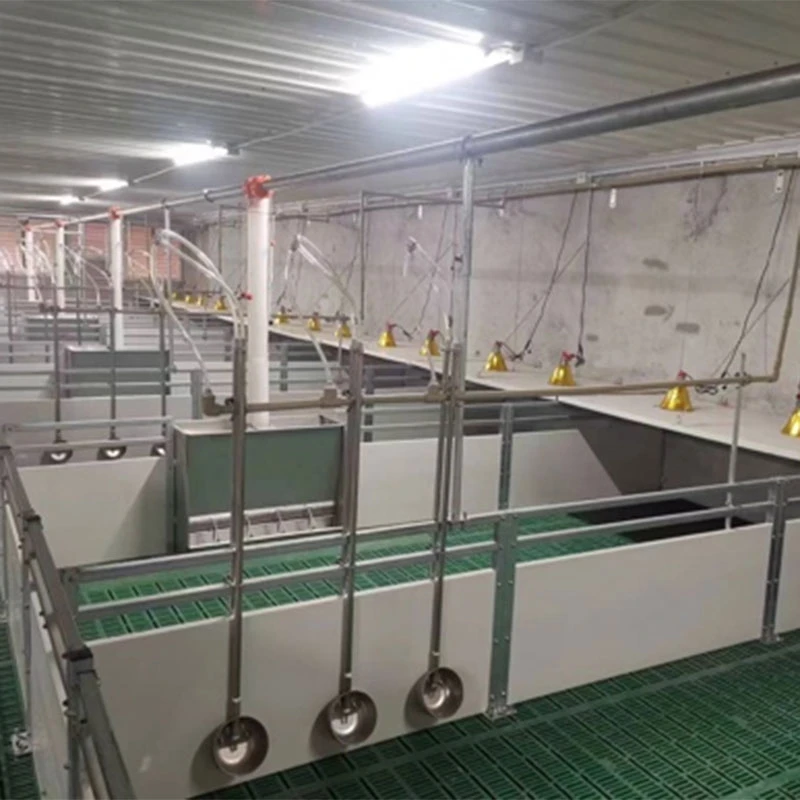
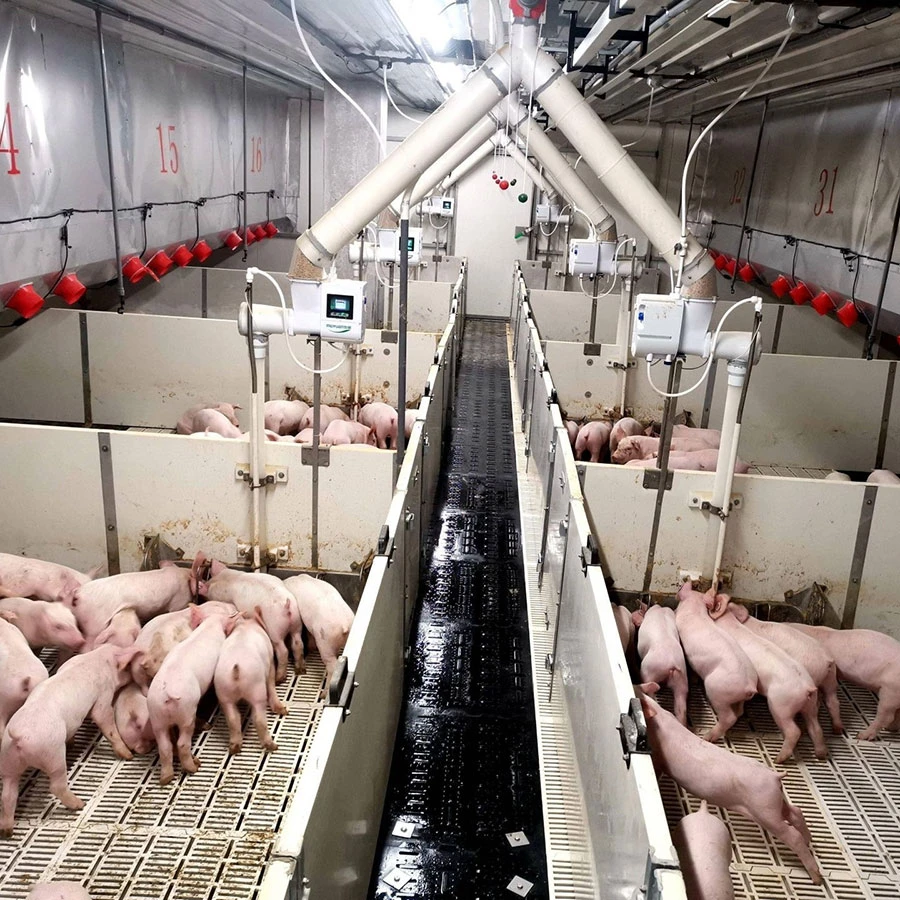
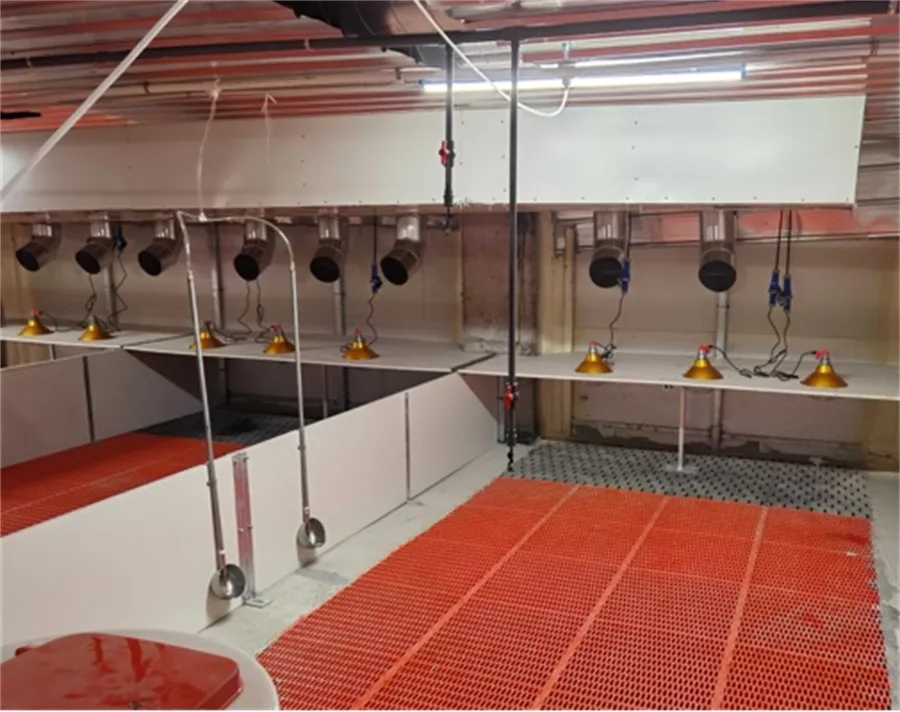
- Farrowing and nursery rooms needing gentle, frequent drops
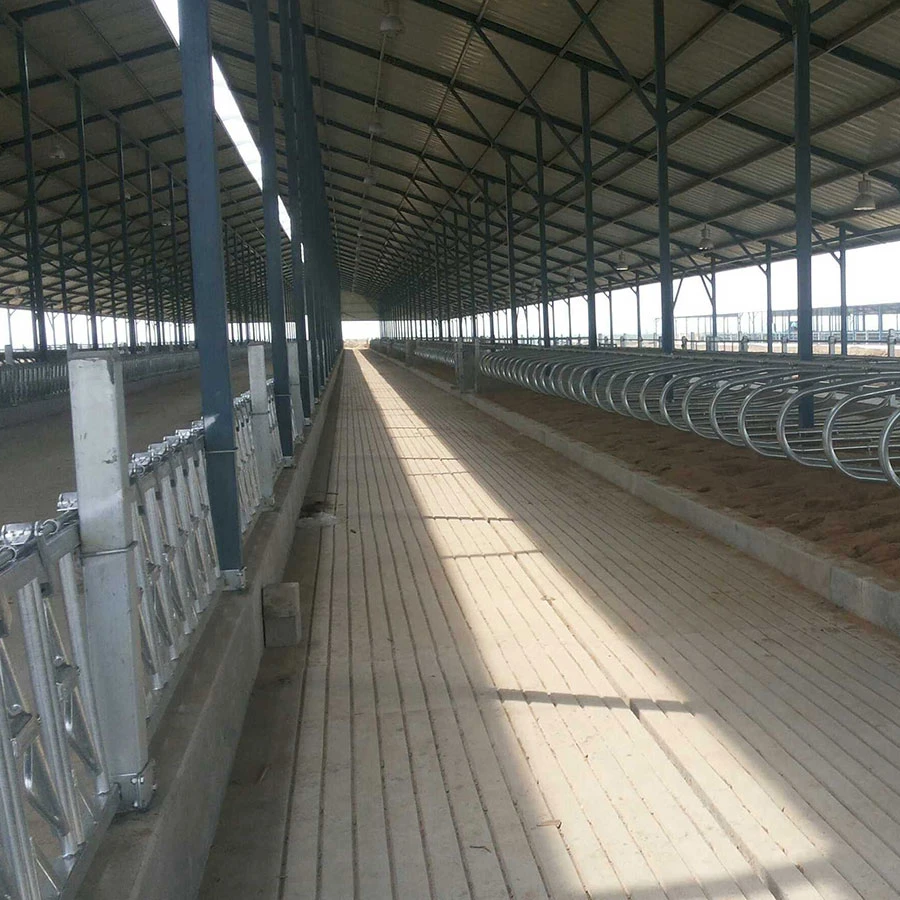
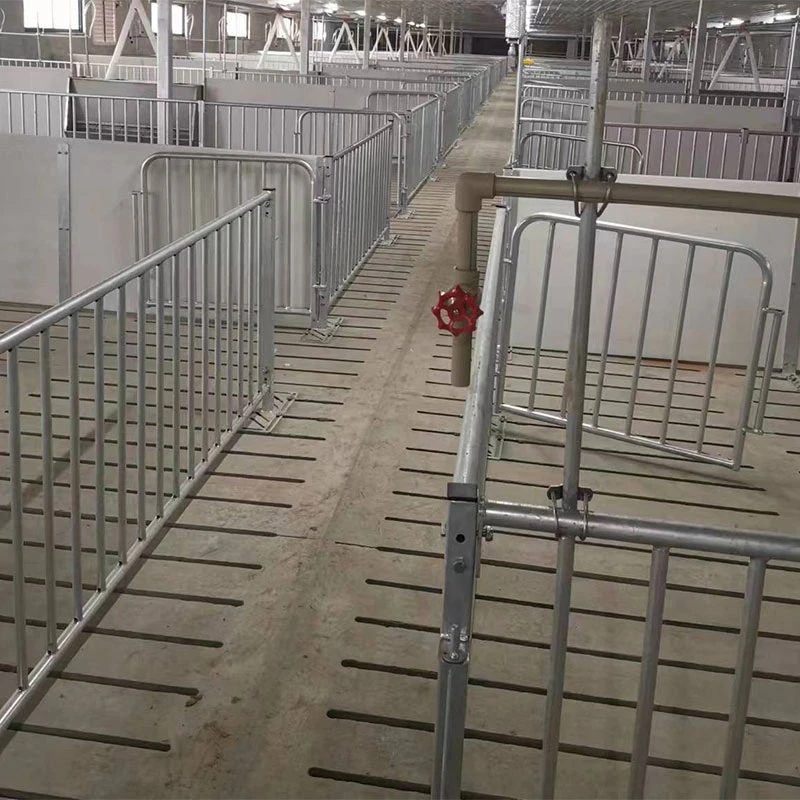
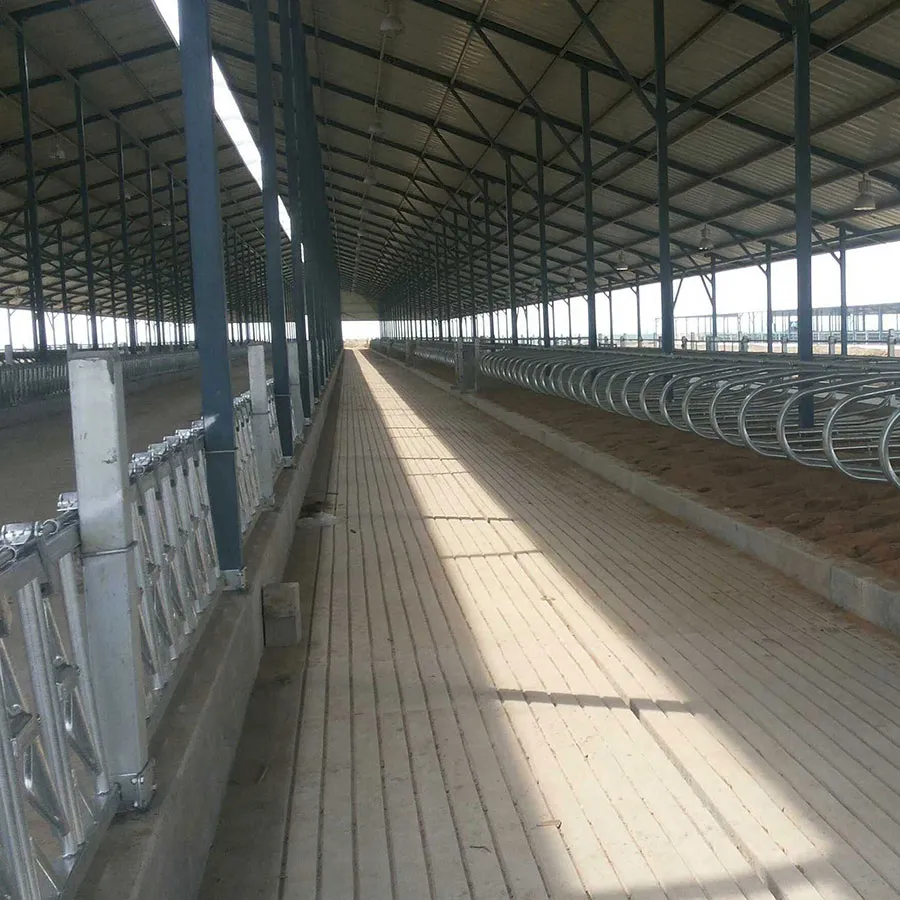
- Grow-finish barns pushing throughput and uniformity
- Genetic multipliers demanding traceability and dosage control
Advantages I’ve seen: steadier feed conversion, fewer bridge-ups, and simpler sanitation routines. Somebody will ask about noise—yes, modern drives are quieter than the old chain systems.
Vendor landscape (quick compare)
| Vendor | Certifications | Lead Time | Customization | Support | Price ≈ |
|---|---|---|---|---|---|
| CX Livestock (Huanghua, Hebei) | ISO 9001, CE, RoHS/REACH materials | 2–5 weeks | High (custom auger pitch, corner geometry) | Remote + on-site partners | $$ |
| Generic EU Supplier | CE, ISO 9001 | 4–8 weeks | Medium | Dealer-based | $$$ |
| Local Integrator | Varies | 1–3 weeks | Low–Medium | On-call | $–$$ |
Customization that matters
Options include auger pitch for high-fiber rations, drop sizes for sow vs. weaner lines, corrosion-upgraded 316 SS for coastal barns, and PLC hooks for pen-by-pen dosing. Honestly, I’d spend on UHMW corner inserts if you run abrasive premixes—cheap insurance.
Field notes and feedback
Case—Jiangsu, 4,800-head finisher: switching to heavier-gauge auger and revised corner geometry cut stall events by ≈32% (farm logs, 6 months). Another client told me motor failures dropped after moving to IP65 drives and scheduled bearing swaps at 18 months. It seems that proactive kits beat emergency orders every time.
Compliance and data points
- CE (Machinery Directive 2006/42/EC) for assemblies
- ISO 9001 for QMS; traceable batches for plastics in feed-contact
- Indicative tests: 96 h neutral salt spray (no red rust on 304/316), motor IP65 passed, plastics tensile within ASTM D638 spec ranges
- Animal welfare and biosecurity align with OIE recommendations; feed safety per ISO 22000 principles at the facility level
Bottom line: if your automatic animal feeding system is only as strong as its consumables, plan replacements like you plan rations. It’s not glamorous; it’s profitable.
Authoritative sources
- FAO: Precision feeding and livestock efficiency – https://www.fao.org
- IEC 60529 (IP Ratings) – https://webstore.iec.ch/publication/2452
- ISO 9227 (Neutral salt spray) – https://www.iso.org/standard/63543.html
- ASTM D638 (Plastics tensile) – https://www.astm.org/d0638
- EU Machinery Directive 2006/42/EC – https://eur-lex.europa.eu
- OIE Terrestrial Animal Health Code – https://www.woah.org
Post time: Oct . 11, 2025