Automatic feeding meets smart ventilation: what actually works on real farms
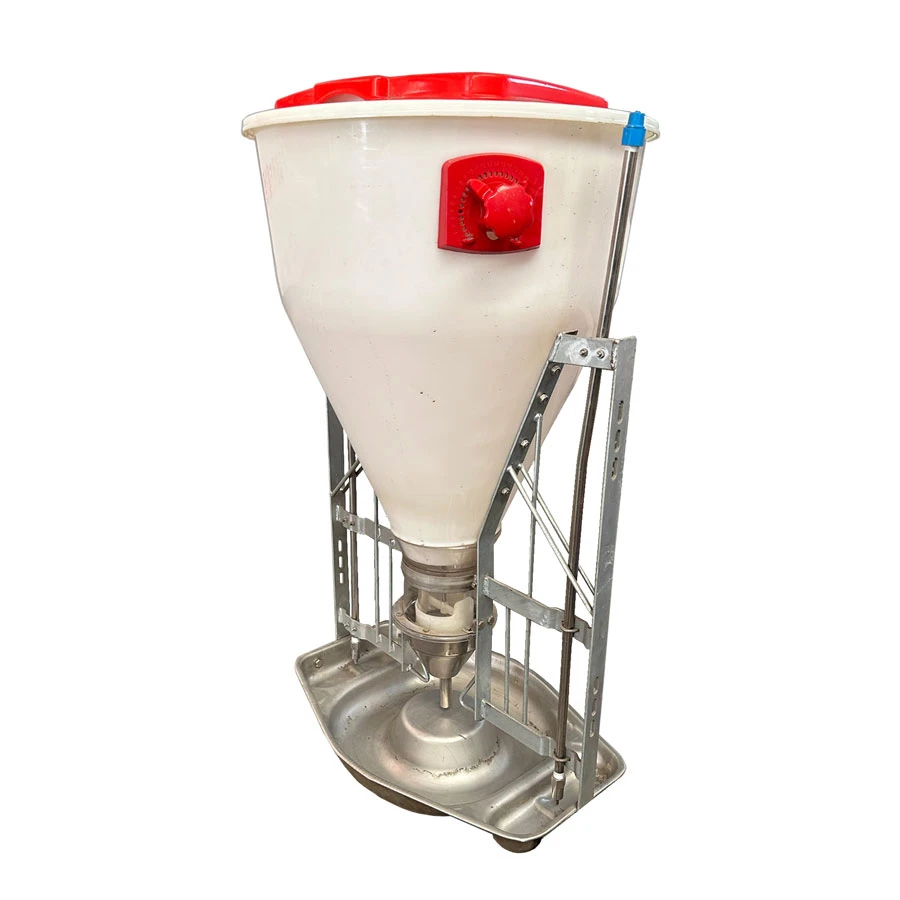
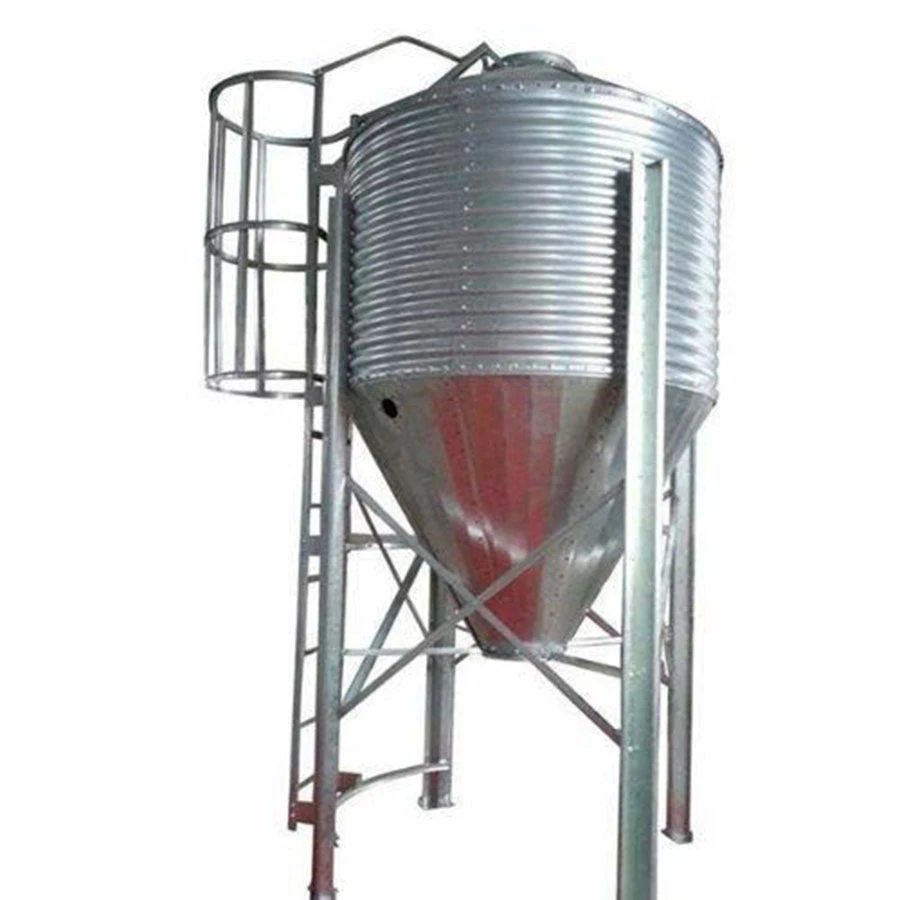
If you're planning an automatic animal feeding system, don’t forget the air. I know, “feeding” sounds like silos and augers, but in practice the ROI hinges on climate—airflow, gas removal, and temperature stability. In fact, many customers say the biggest gains come when the feed line talks to the fans.
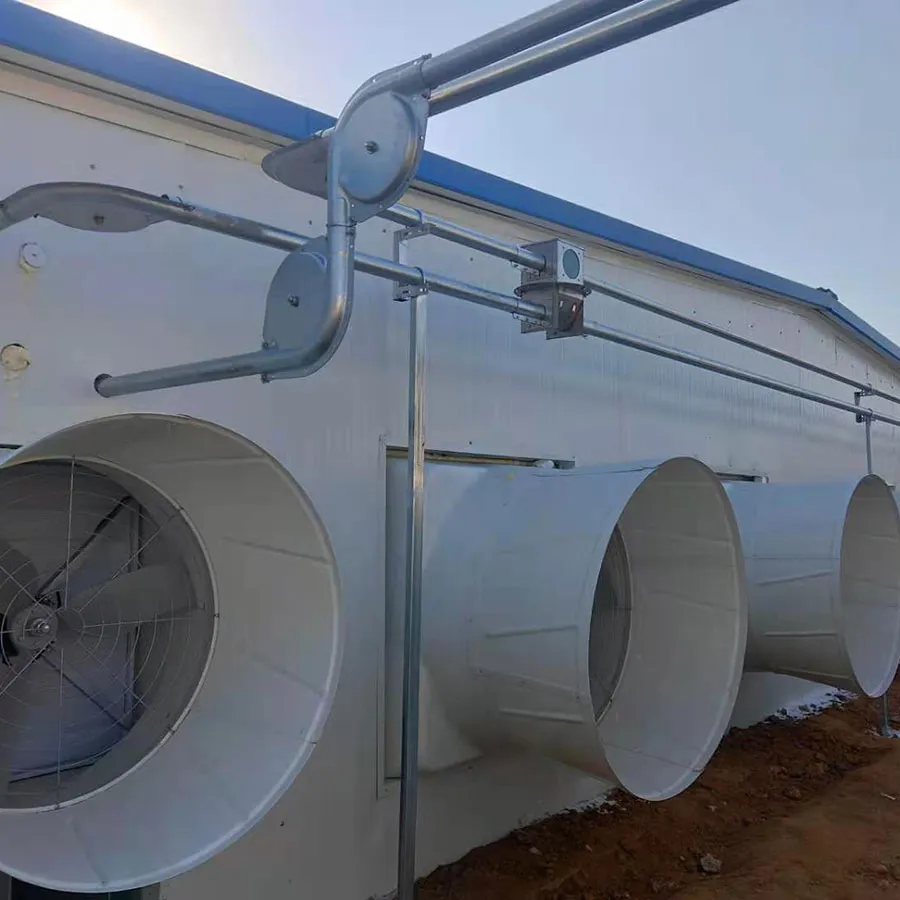
Industry trend: integrated control (feeding + ventilation)
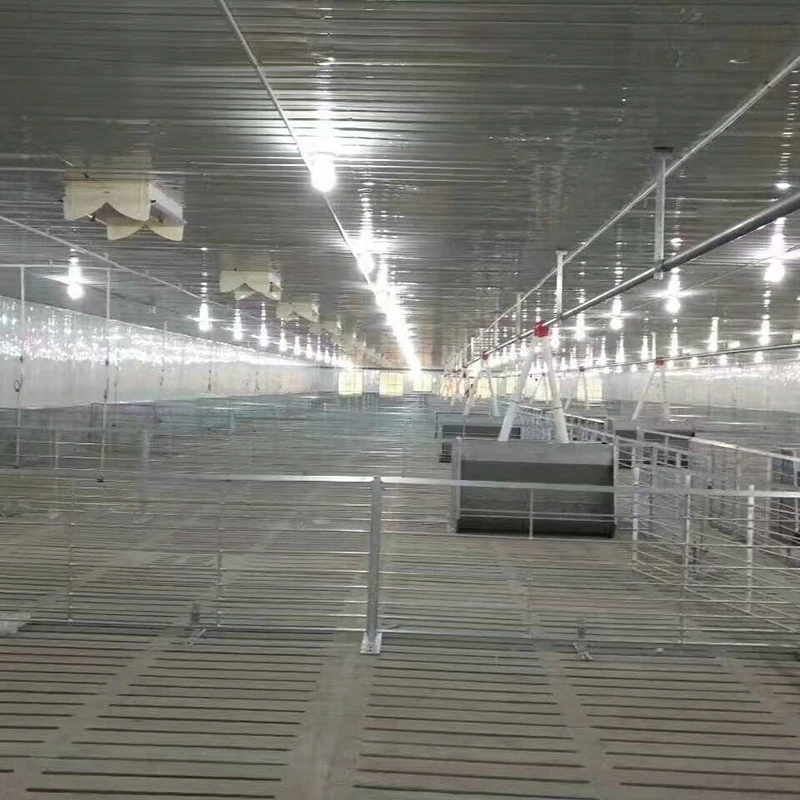
2025’s winning barns run PLC or edge controllers that sync rations with room airflow. When feed events spike activity (and CO₂/NH₃), variable-speed exhaust and inlets ramp automatically. It sounds fancy, but the payoffs—lower respiratory illness, steadier daily gain—are surprisingly consistent across finisher and nursery rooms. However, integration only works if the ventilation hardware is robust and test-verified.
Product spotlight: Ventilation And Fan In Pig Farming Equipment
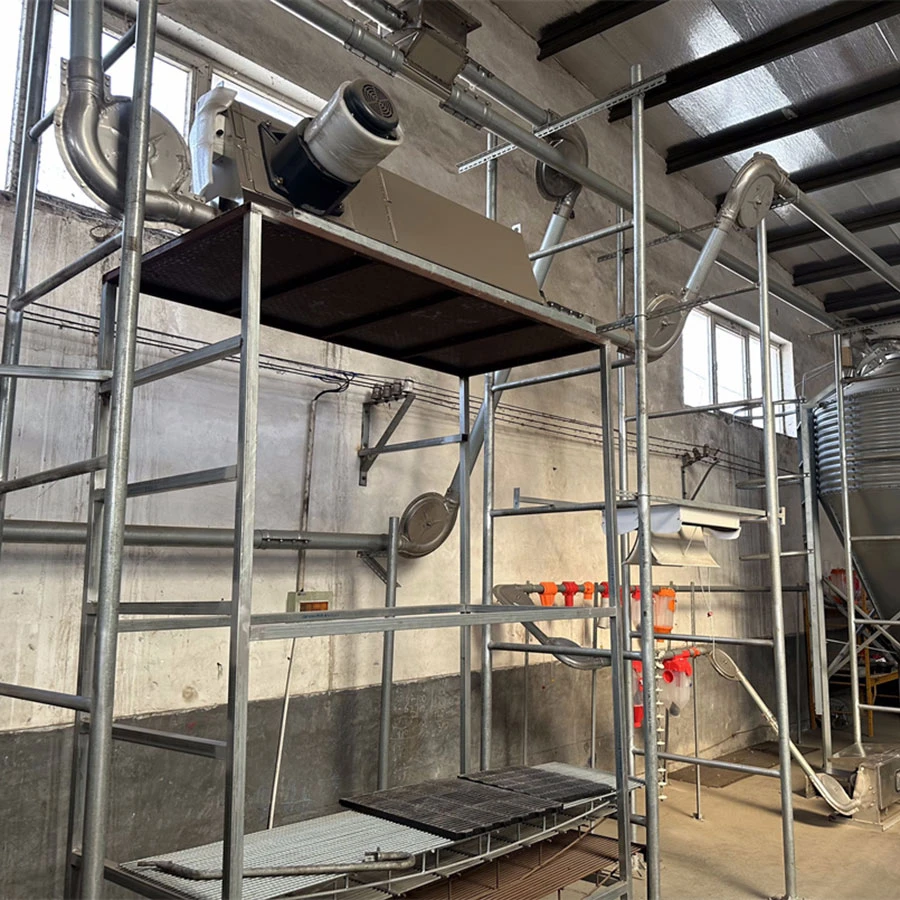
Origin: Dongtai Road, Economic and Technological Development Zone, Huanghua City, Hebei Province, China. This line is designed to purge poisonous gases and stabilize climate in pig houses—exactly the missing half of a automatic animal feeding system rollout.
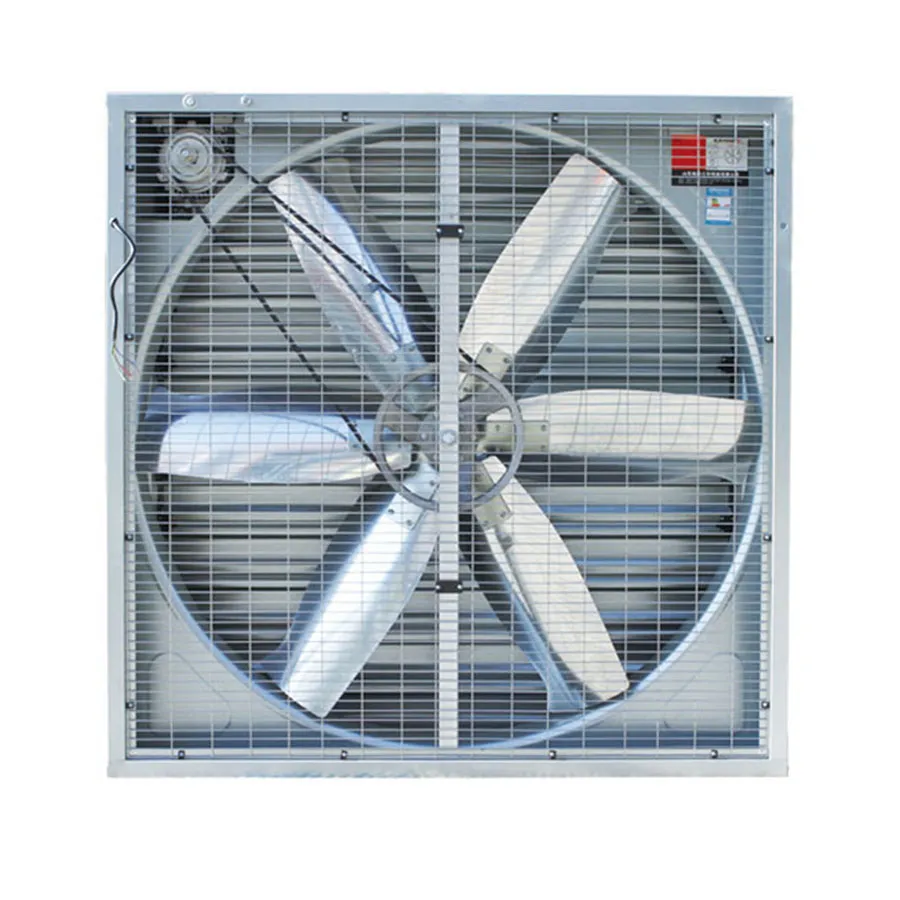
Key specifications (representative model)
| Parameter | Spec (≈ real-world) |
|---|---|
| Fan diameter | 1.4 m (55") |
| Airflow (AMCA 210/ASHRAE 51) | ≈ 48,000–52,000 m³/h @ 0 Pa |
| Motor / protection | 1.1–1.5 kW, IP55, IE3 |
| Materials | Galvanized steel frame; 304 SS or composite blades |
| Noise | ≈ 68–73 dB(A) @ 3 m |
| Service life | 8–12 years with routine maintenance |
| Certs/Tests | AMCA 210, ISO 14694; CE; salt-spray ASTM B117 (≥ 480 h) |
Process flow, testing, and durability
Materials: galvanized sheet, UV-stabilized PP louvers, 304 stainless for corrosive zones. Methods: CNC stamping, dynamic balancing, powder coating. QC: airflow tested per AMCA 210; vibration
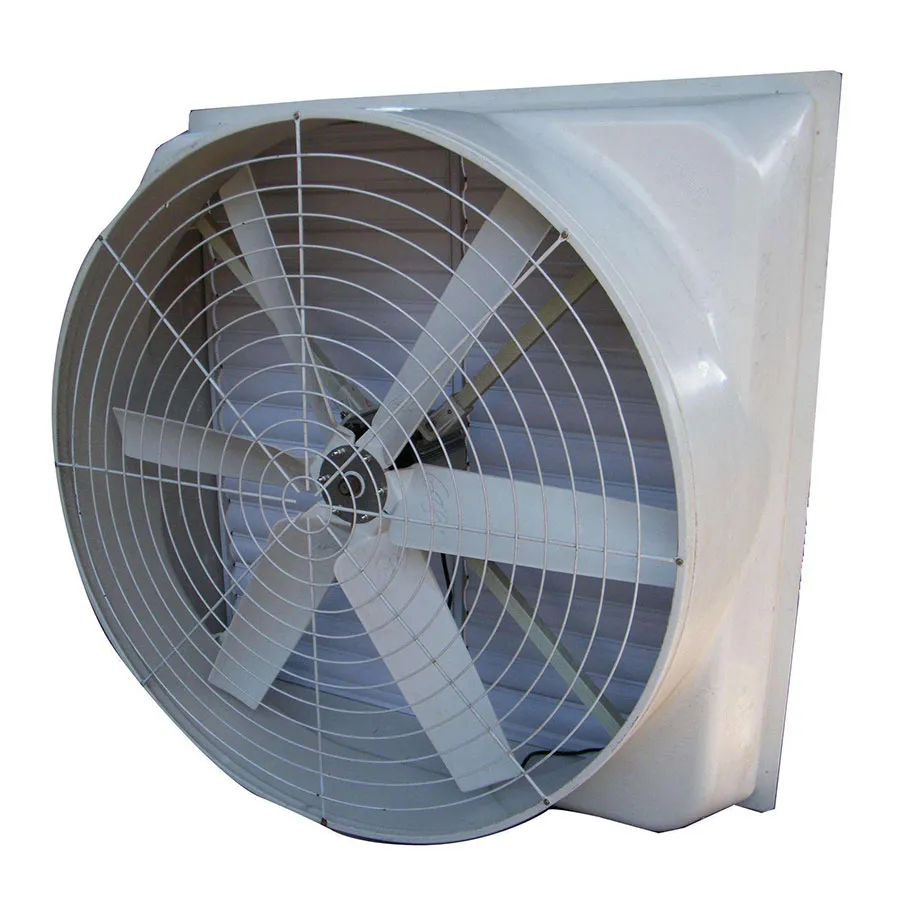
Application scenarios
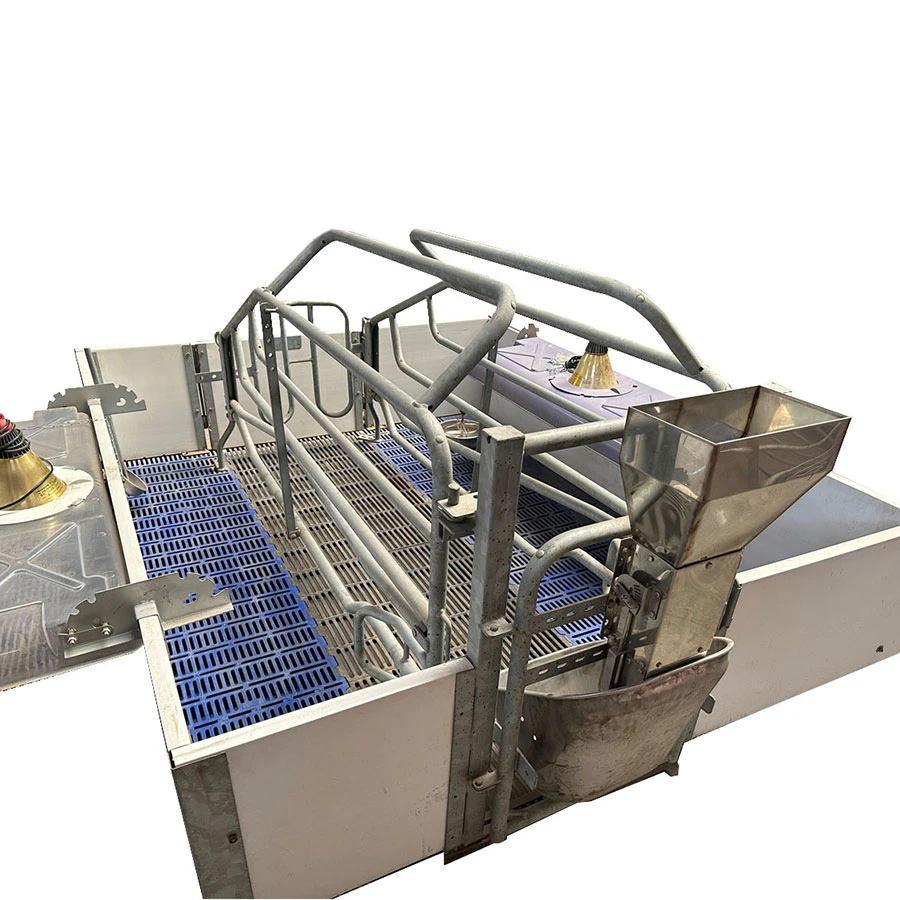
- Farrowing: tighter temp bands; sync with automatic animal feeding system post-farrow feeding to handle CO₂ spikes.
- Nursery: gentle variable-speed fans to avoid drafts; ammonia kept
- Grower-finisher: high-volume exhaust with staged inlets; night cooling curves.
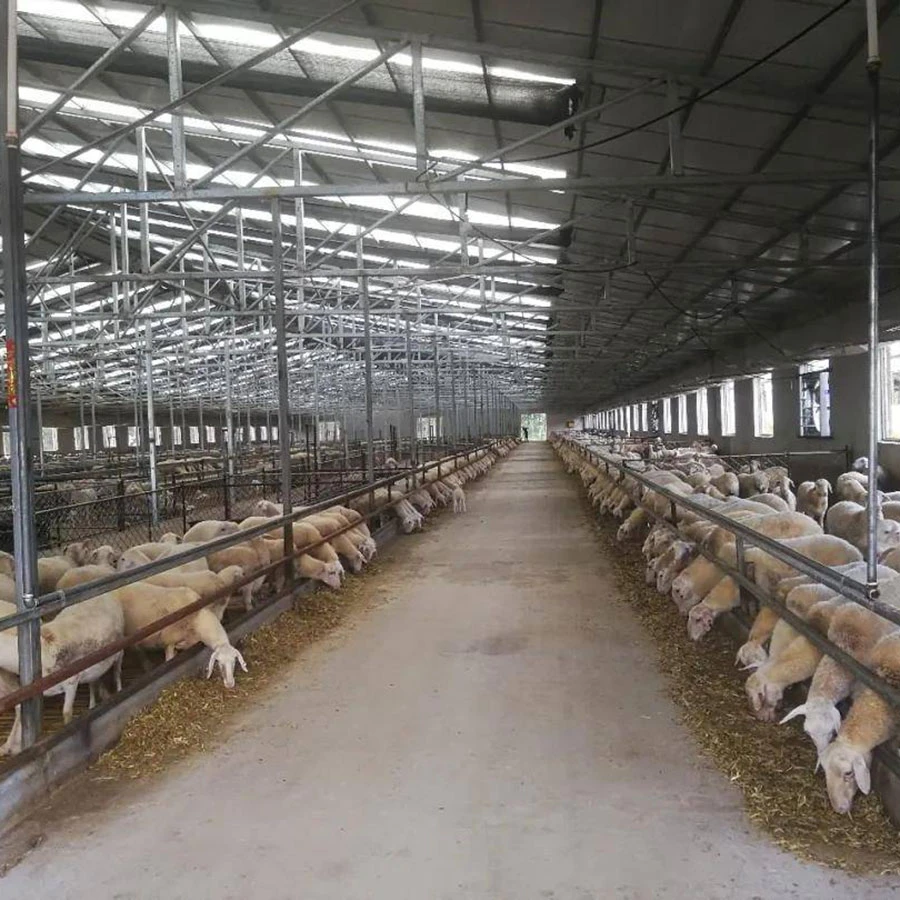
- Other industries: poultry, calf barns, and—oddly enough—some aquaculture halls.
Vendor comparison (quick glance)
| Vendor | Strengths | Certifications | Lead time | Price |
|---|---|---|---|---|
| CX Livestock (Hebei, China) | Strong airflow/price ratio; customization; local service partners | CE, AMCA-tested, ISO 9001 factory | ≈ 15–30 days | $ |
| EU Brand A | Premium build; deep integration suites | CE, ISO 14001 | ≈ 30–45 days | $$$ |
| US Brand B | Rugged motors; AMCA lab data | AMCA, UL | ≈ 25–40 days | $$ |
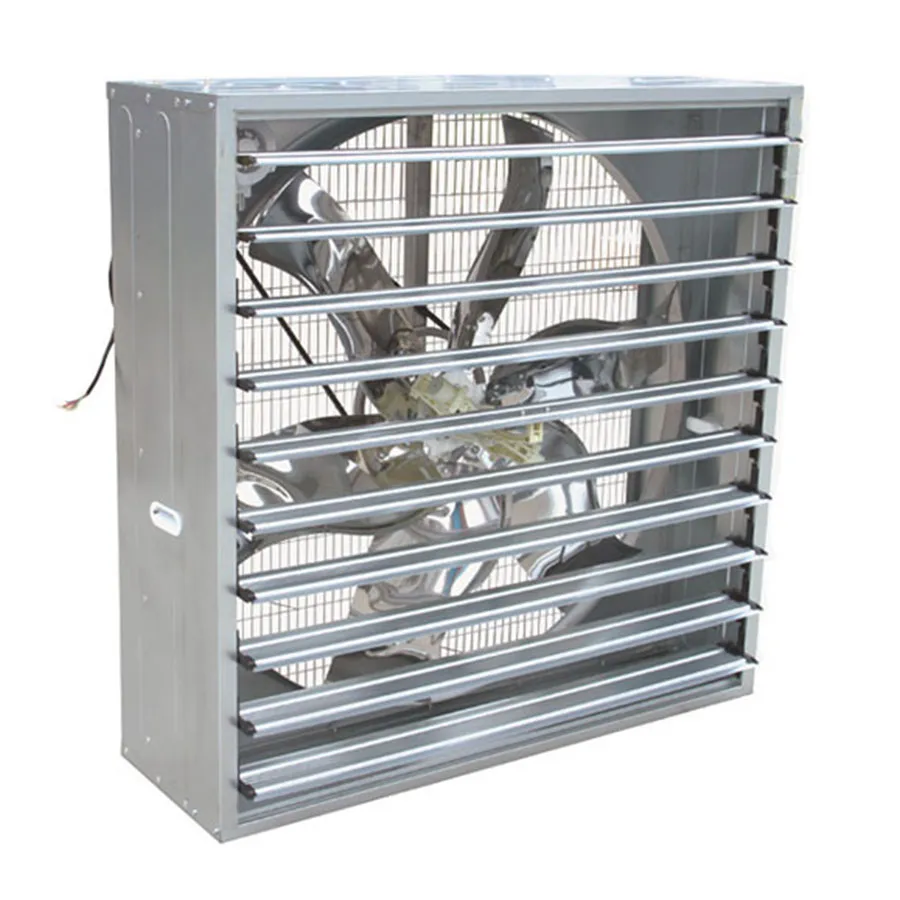
Field notes and case data
Hebei 2,200-head finisher site integrated this ventilation with a automatic animal feeding system and simple ammonia sensors. After commissioning: NH₃ dropped ≈ 35% (to 8–12 ppm), average daily gain rose 2.8%, FCR improved by 0.07, and coughing scores eased within two weeks. To be honest, we expected less—pleasant surprise.
Customer feedback: “Less condensation on cold mornings, pigs eat calmly, fewer drafts.” Noise was cited as acceptable; maintenance mainly quarterly belt tension checks and louver cleaning.
Customization and integration tips
- Blade material swap (SS vs composite) for high-ammonia rooms.
- EC motor option for tighter control with feeding schedules.
- AMCA-certified airflow curves linked to controller for smarter staging.
Standards that matter
Specify AMCA 210/ASHRAE 51 testing for airflow, ISO 14694 for fan safety/balance, and follow ASABE EP270 guidance for livestock ventilation design. FAO’s biosecurity notes are still a good sanity check when pairing ventilation with a automatic animal feeding system.
Citations
- AMCA 210 / ASHRAE 51: Laboratory Methods of Testing Fans for Rating.
- ISO 14694: Industrial fans—Specifications for balance quality and vibration.
- ASABE EP270.5: Design of Ventilation Systems for Livestock and Poultry Shelters.
- FAO: Good Practices for Biosecurity in the Pig Sector, FAO Animal Production and Health.
Post time: Oct . 08, 2025