Smarter feeding, fewer headaches on pig farms
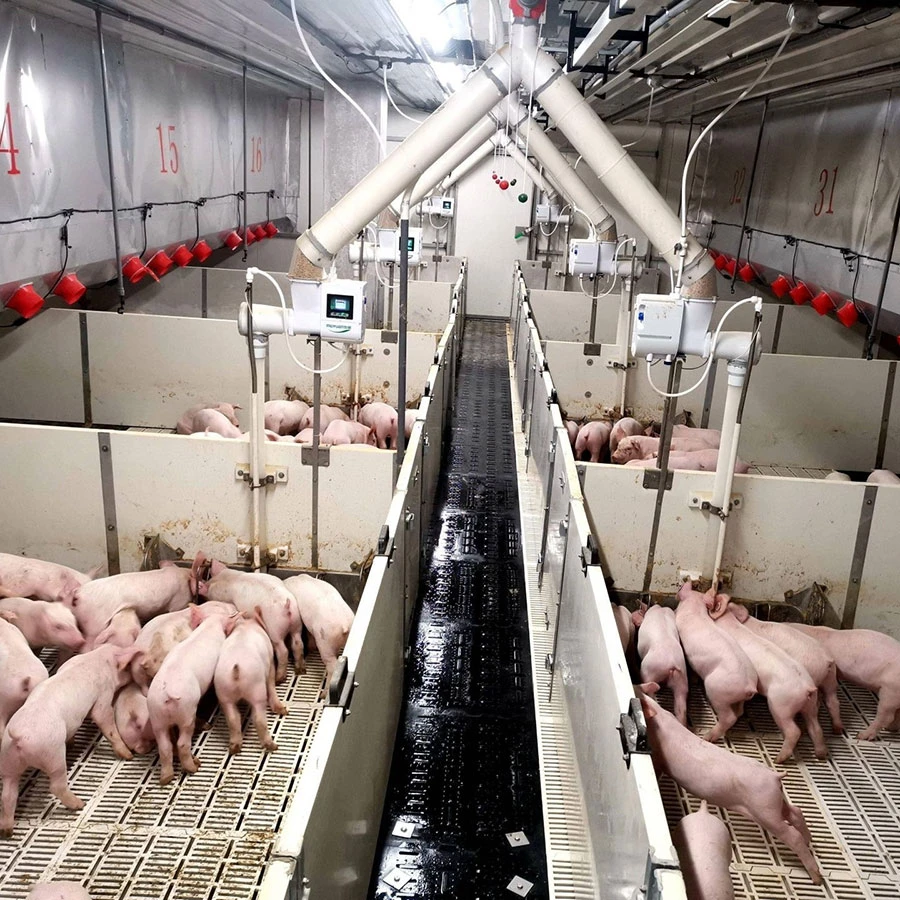
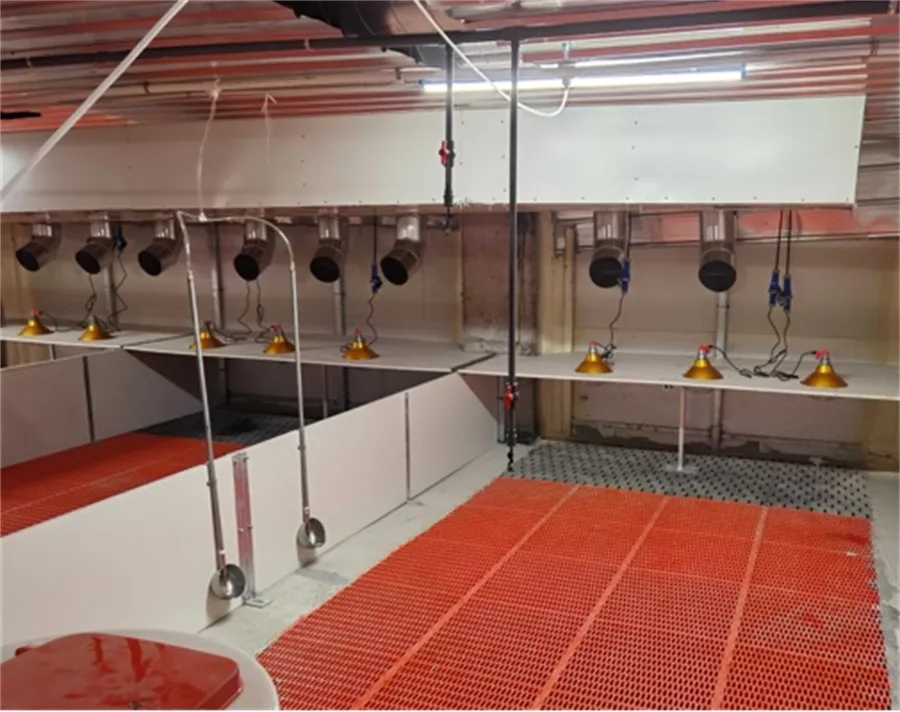
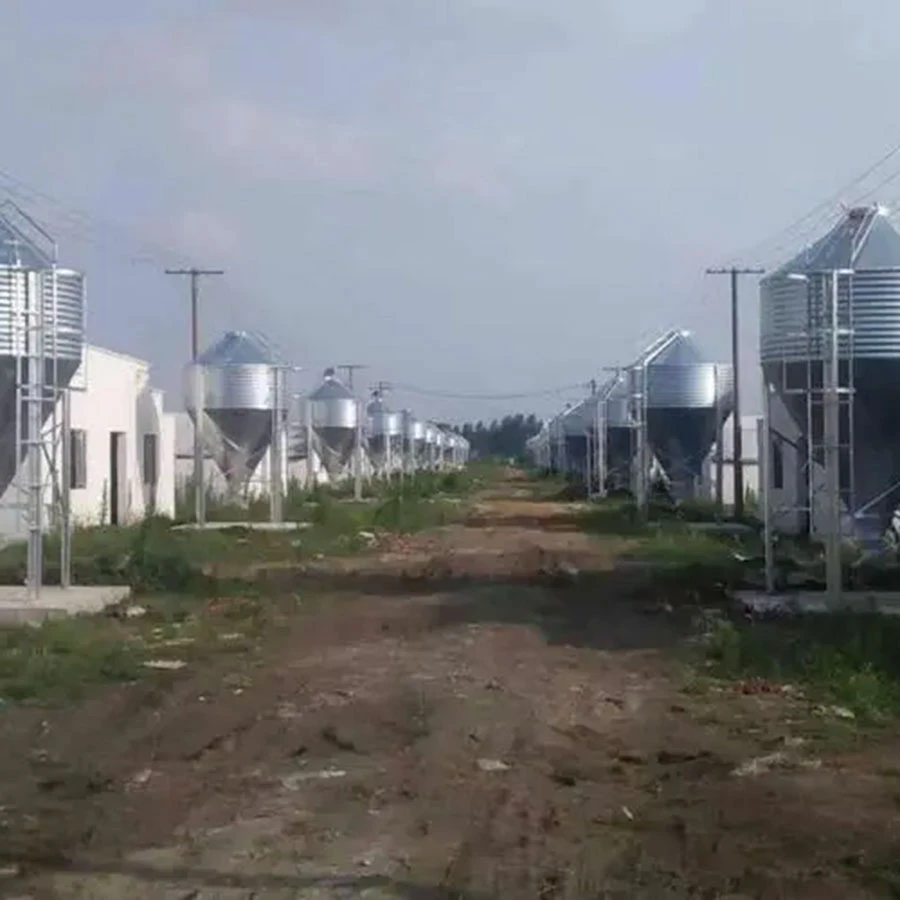
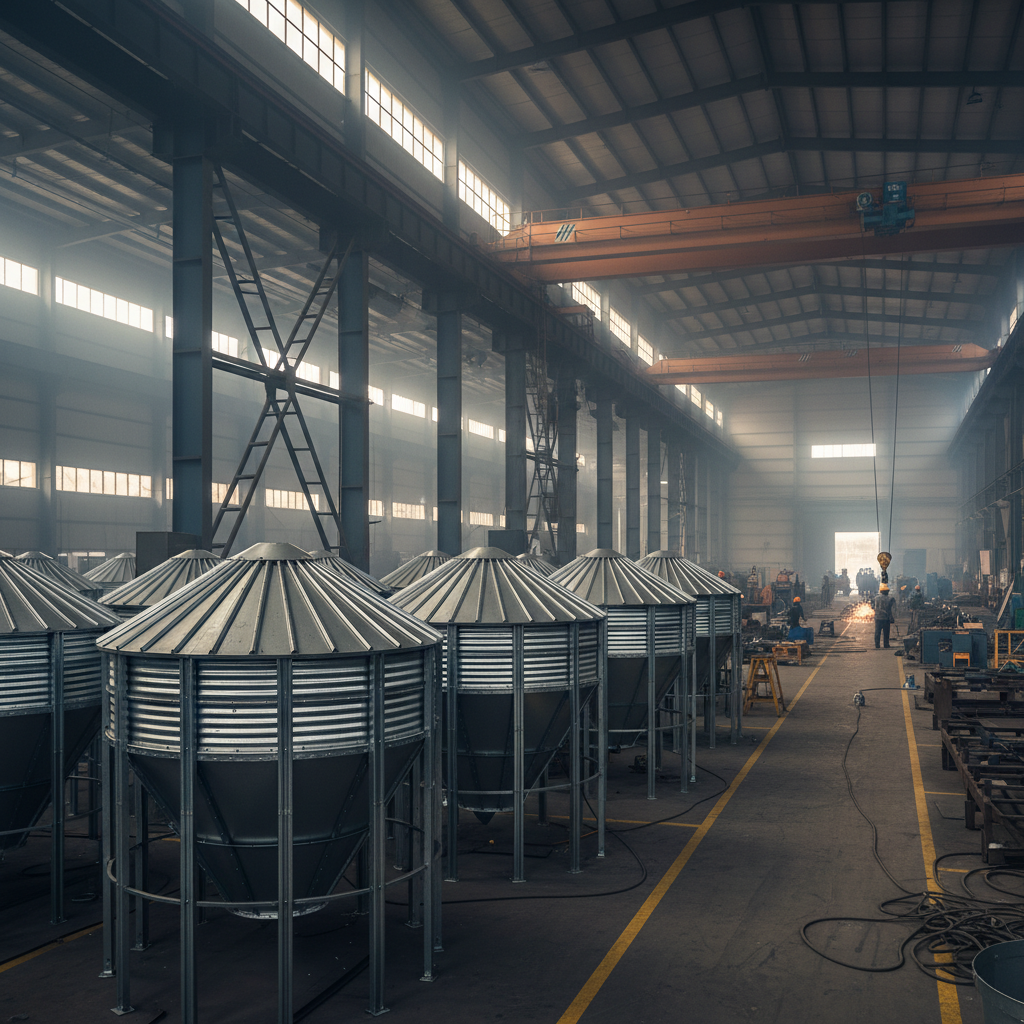
In the last few seasons I’ve watched the Automatic Animal Feeding System move from “nice-to-have” to the backbone of profitable barns. Not because it’s flashy—but because the small parts (the consumables) keep it alive. This piece focuses on Feeding System Consumables In Pig Farming Equipment from a factory in Dongtai Road, Economic and Technological Development Zone, Huanghua City, Hebei Province, China. It’s a mouthful, sure, yet the point is simple: if you maintain the moving parts on time, the whole line runs smoother and costs less.
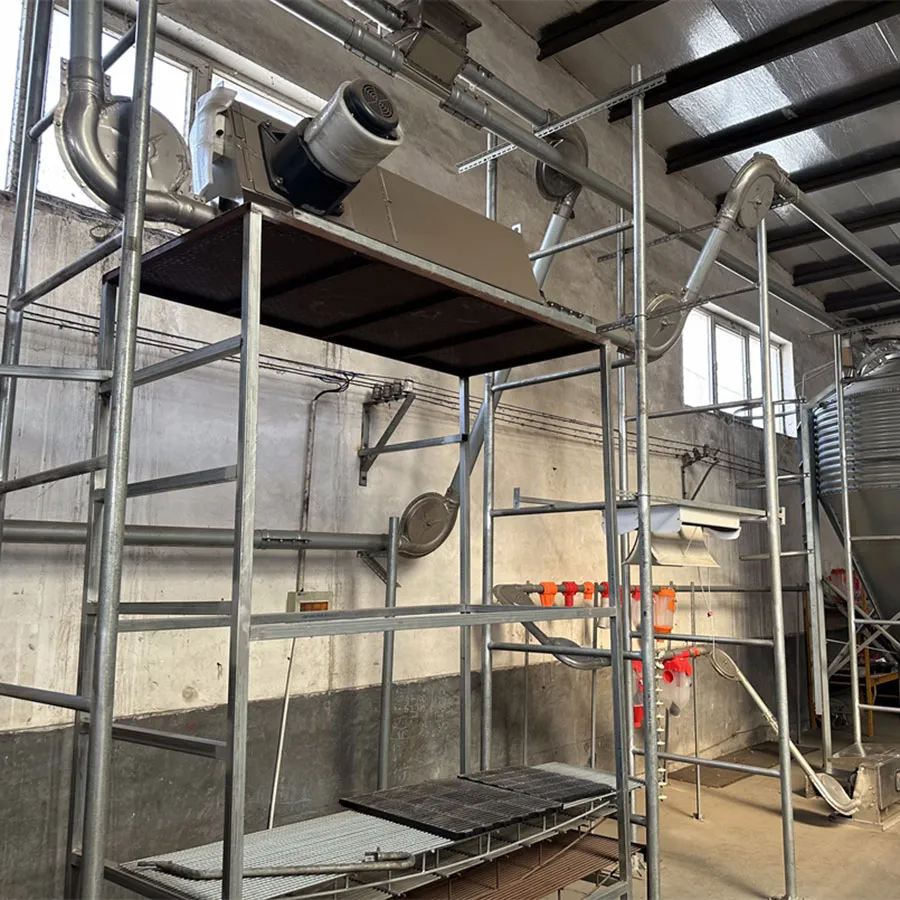
Industry trends I’m seeing
- Shift to abrasion-resistant augers and sealed chain housings (because feed dust is relentless).
- Sensorization: more IP-rated level sensors to reduce manual checks.
- Modular spares kits for farrow-to-finish sites; surprisingly popular with midsize farms.
- Data-led maintenance—teams swap parts by hours and cycles, not by gut feeling.
Where the Automatic Animal Feeding System consumables matter most
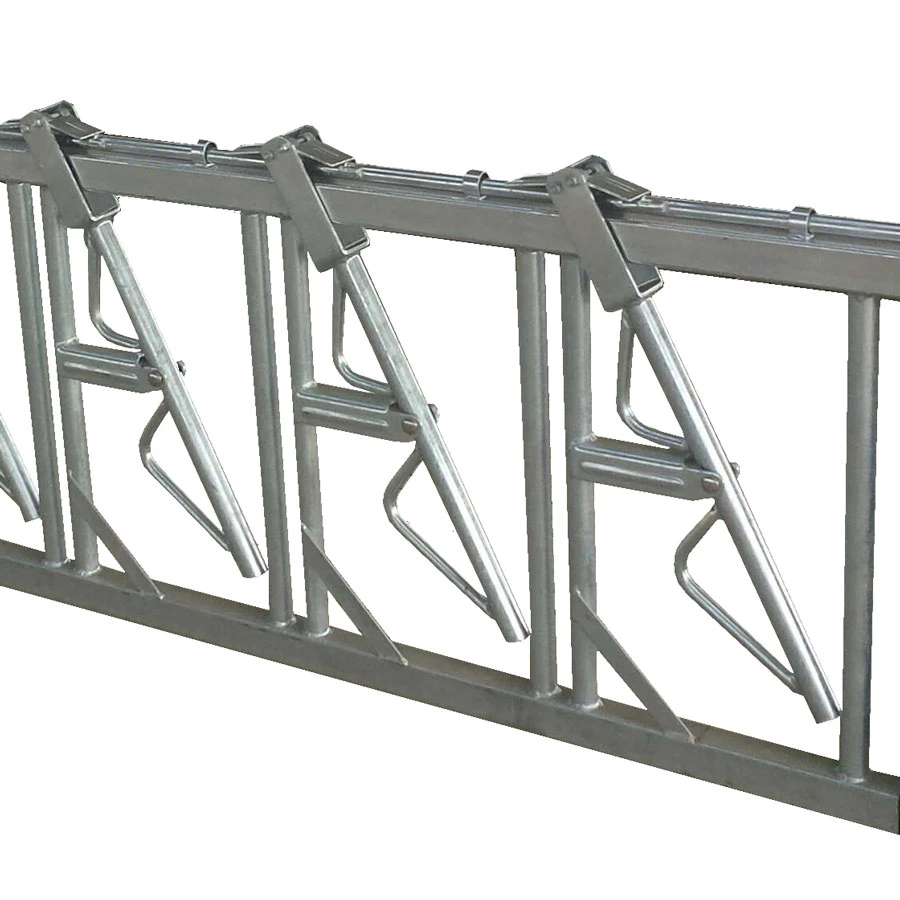
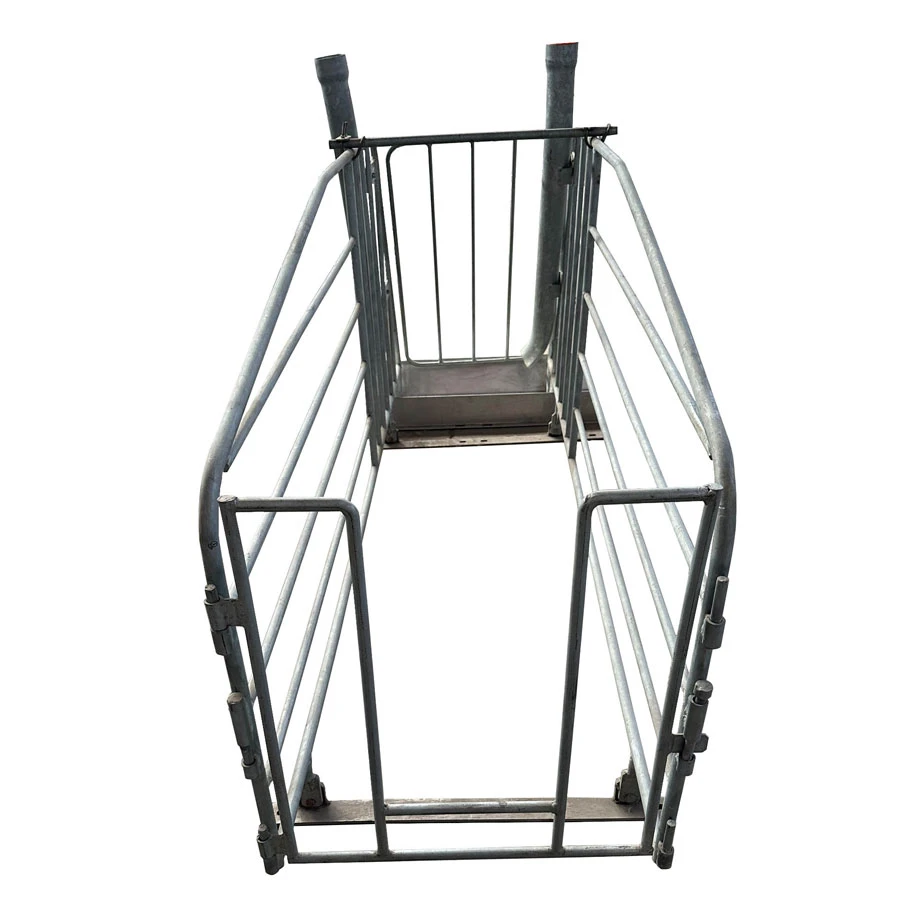
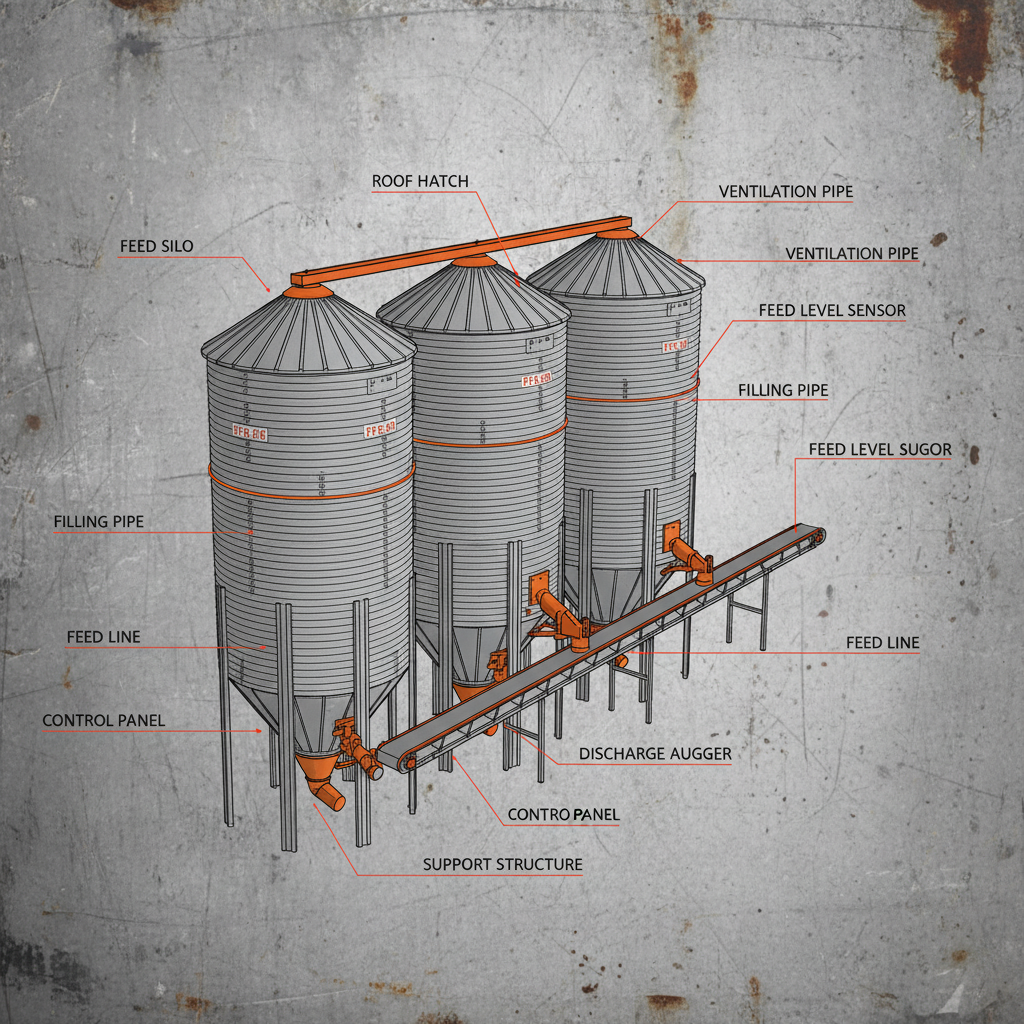
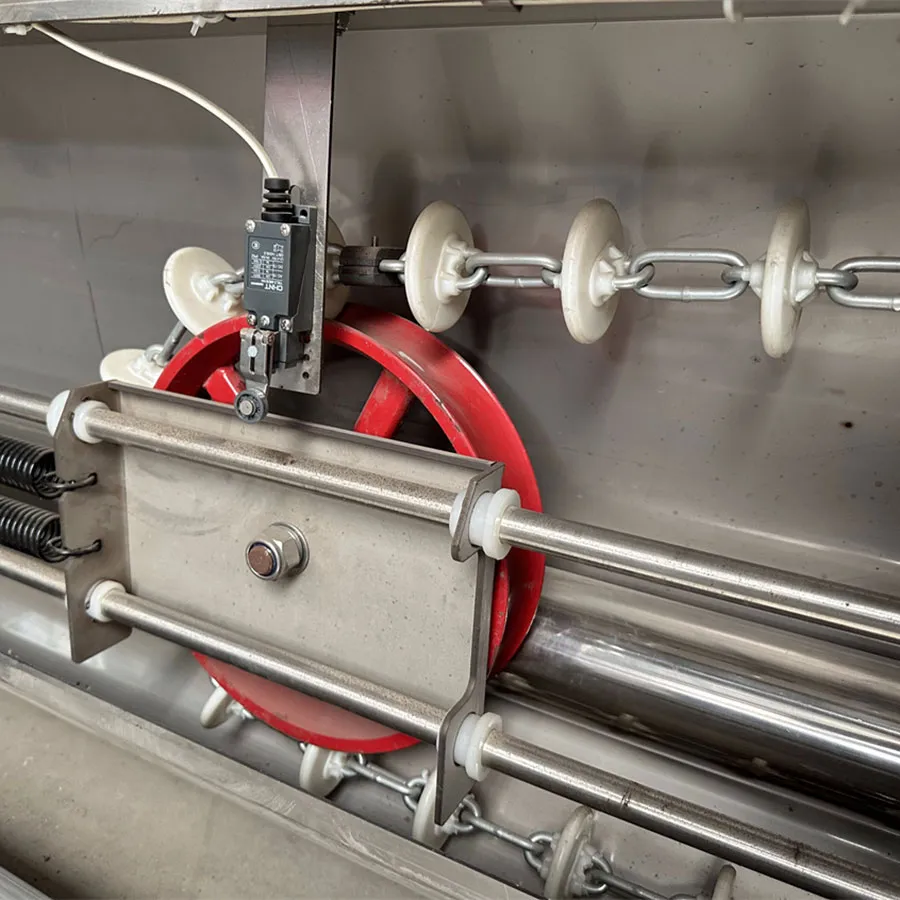
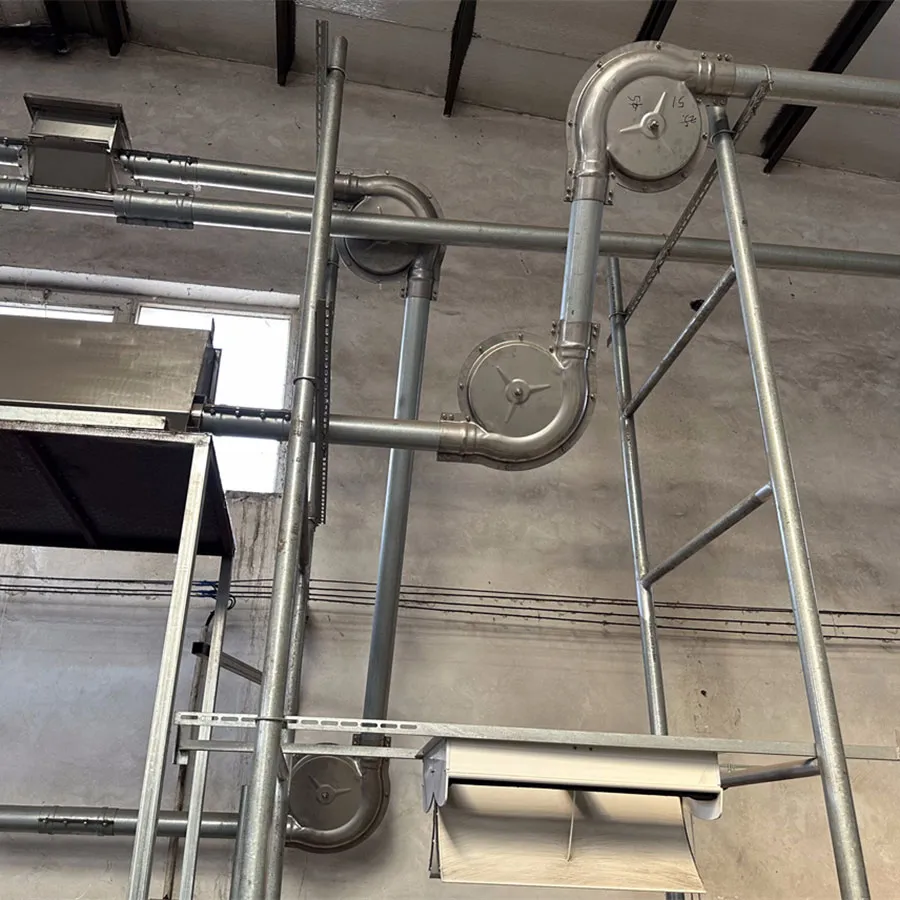
Pipes, corners, discs, chain, auger, drive sprockets, gates, and sensors—these are the wear points. Many customers say the biggest ROI is from preventing micro-stoppages and keeping feed delivery times consistent (sows don’t like surprises). Honestly, tuning these parts is half operations, half common sense.
Process flow and quality notes
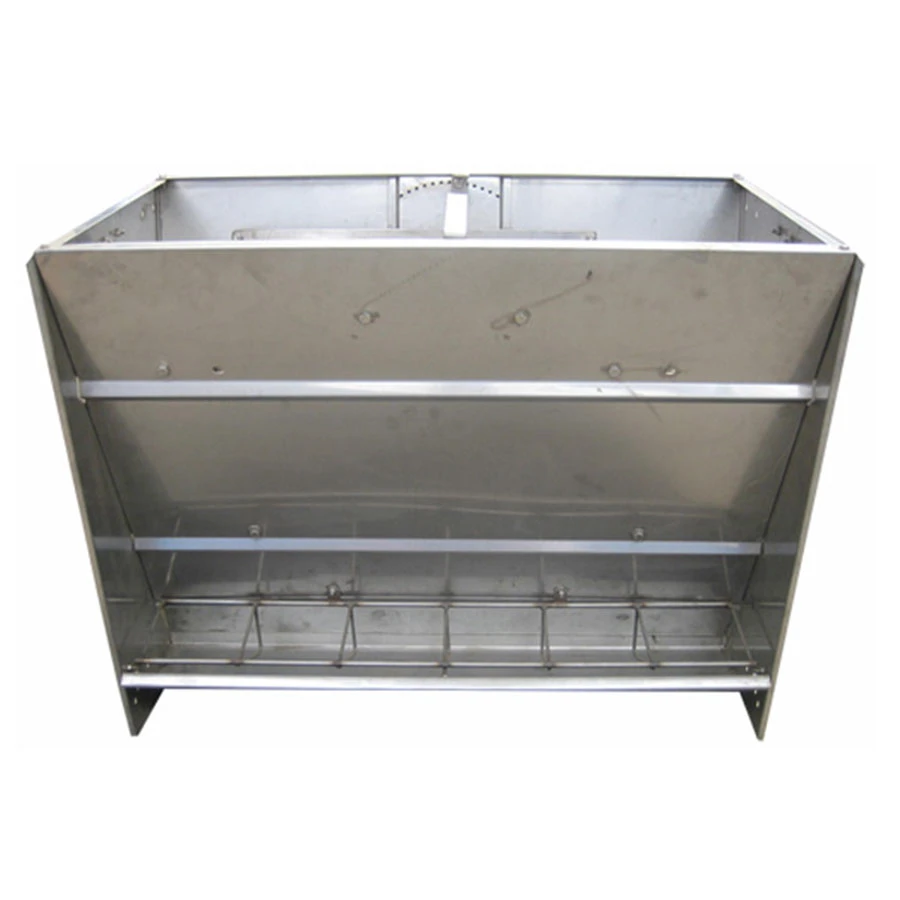
- Materials: 304 SS for wet zones; galvanized steel (ISO 1461) for housings; PA6/POM for gates/discs; PVC-U feed tubes.
- Methods: cold-rolled chain links; heat-treated sprockets; injection-molded gates with UV stabilizers.
- Testing standards: salt spray ≥ 240 h for coated parts; tensile chain test ≈ 15 kN; auger wear test ≤ 0.15 g/1000 cycles (real-world use may vary).
- Service life: ≈ 4–6 years for pipework; ≈ 18–36 months for chains/augers under normal duty.
- Industries: pig farms primarily, but components cross over to poultry and small-ruminant feeders.
Key consumable specifications
| Part | Material | Typical spec | Service life (≈) | Notes |
|---|---|---|---|---|
| Spiral/auger | 65Mn spring steel | Ø60–90 mm, HRC 40–45 | 18–30 months | Wear-tested; check pitch monthly |
| Conveyor chain | 45# steel, zinc-coated | Tensile ≈ 15 kN | 24–36 months | Low-stretch links reduce jams |
| Feed discs | POM (acetal) | Food-contact grade | 12–18 months | Stable in dusty barns |
| Feed tubes | PVC-U / 304 SS | Ø60–75 mm | 4–6 years | Choose SS in wet zones |
| Drop feeder gate | PA6 nylon | UV stabilized | 2–3 years | Smooth regulation |
| Level sensor | Sealed electronics | IP67 (IEC 60529) | 3–5 years | Prevents overfill |
Vendor comparison (what buyers ask me)
| Vendor | Core strengths | Certifications | Lead time (≈) | Notes |
|---|---|---|---|---|
| CXLivestock (Hebei, CN) | Wear-rated chains, OEM kits | ISO 9001; food-contact materials | 2–4 weeks | Good for pig-focused retrofits |
| EU Supplier B | Stainless-heavy builds | ISO 22000 integration | 4–6 weeks | Higher upfront cost |
| US Supplier C | Fast service parts | UL/CSA electrical | Stock–3 weeks | Great for mixed species |
Field results and scenarios
- 3,000-sow site: chain+disc kit cut feed waste by 4.8% in 90 days; stoppages down 37%.
- 1,200-head nursery: IP67 sensors stabilized feed intervals; growth variability narrowed.
- Retrofit barns: swapping only augers and corners delivered most of the gains, to be honest.
Compliance, testing, and support
Parts align with ISO 22000 principles for feed-contact surfaces, IEC 60529 for ingress protection, and ISO 13849-1 for safety circuits in motor zones. Factory reports show salt-spray ≥ 240 h on coatings, and chain elongation ≤ 1.5% after 100 h continuous run—good numbers, though barn dust can be cruel. Expect installation guides, torque charts, and spares maps. Customization? Yes: tube diameter, material mix (PVC vs 304), and pre-packed 12–24 month maintenance kits for the Automatic Animal Feeding System.
My quick take
If your Automatic Animal Feeding System is the heart, consumables are the valves. Replace them on schedule, and the operation feels—well—calmer. From Huanghua to the Midwest, the pattern is the same: fewer clogs, more predictable intake, better ADG. Small parts, big outcomes.
Authoritative citations
- ISO 22000: Food safety management systems for feed/food contact risk control.
- IEC 60529: Degrees of protection (IP Code) for sensors and enclosures.
- ISO 13849-1: Safety of machinery—Parts of control systems related to safety.
- ISO 1461: Hot-dip galvanized coatings—specs and tests for corrosion resistance.
- ASTM A240: Standard for 304/316 stainless steel plate/sheet for sanitary use.
Post time: Oct . 25, 2025