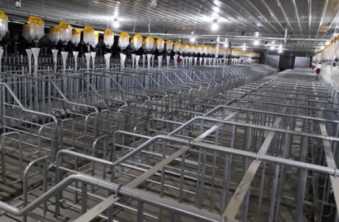
Where Smart Barns Are Headed: An Honest Look at the Automatic Animal Feeding System ecosystem
The livestock world is having a quiet revolution. Feed is getting smarter, barns are becoming data-aware, and—this part surprised me—the best results often happen when feeding and ventilation are engineered together. To be honest, farmers have been saying this for years: it’s not just the feeder; it’s the air, the microclimate, and the timing.
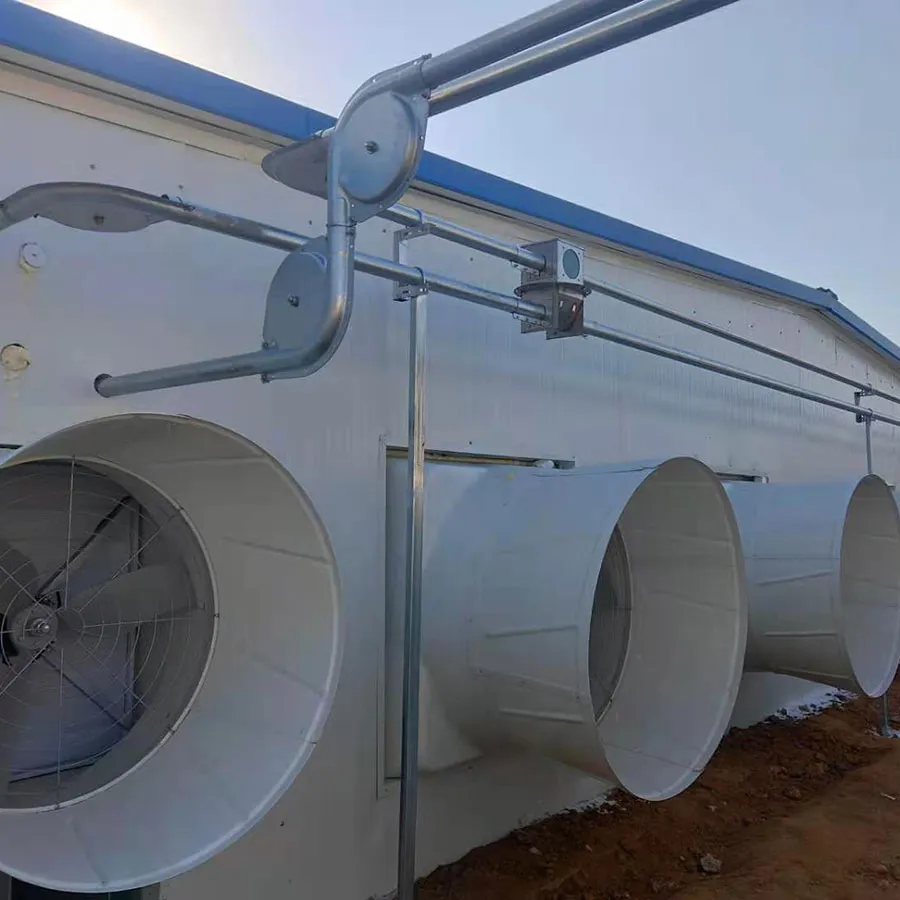
Industry trend check
Three currents are shaping decisions on new equipment: precision feeding (down to phase feeding per pen), stable barn climate (ammonia and humidity control), and serviceability. Actually, it’s the third one that keeps managers up at night—gear has to run through winters and heat waves with minimal fuss. Many customers say they now spec fans and augers from the same control backbone to keep things predictable.
Why ventilation matters to a Automatic Animal Feeding System
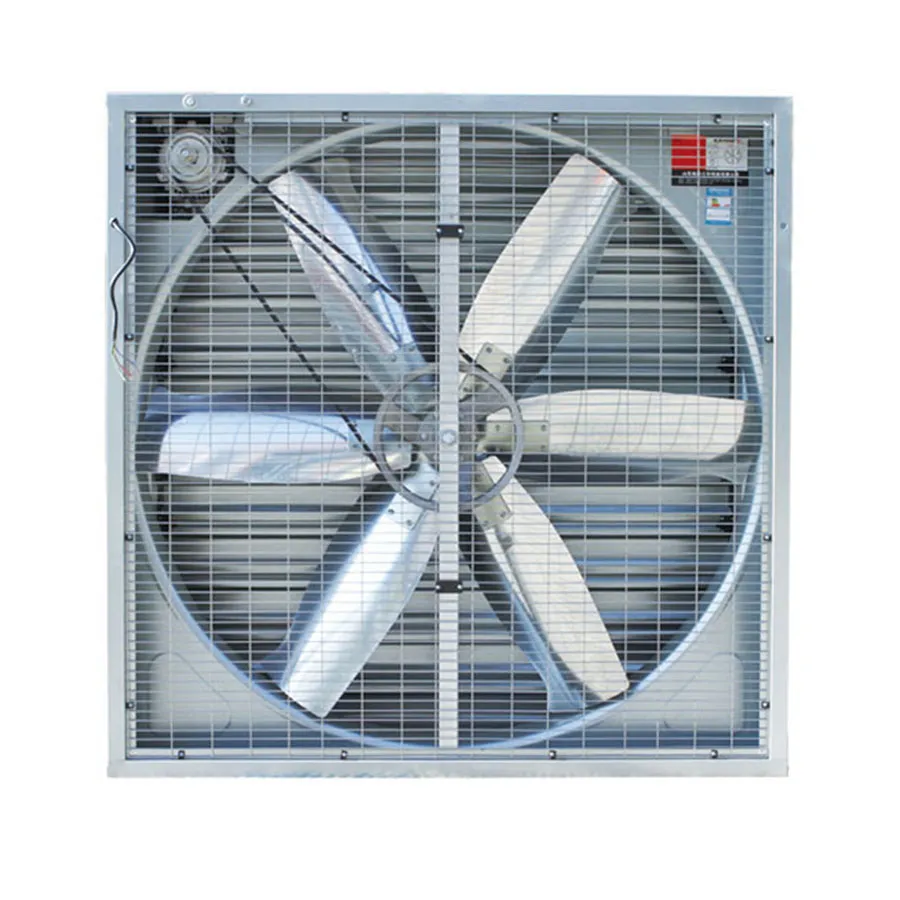
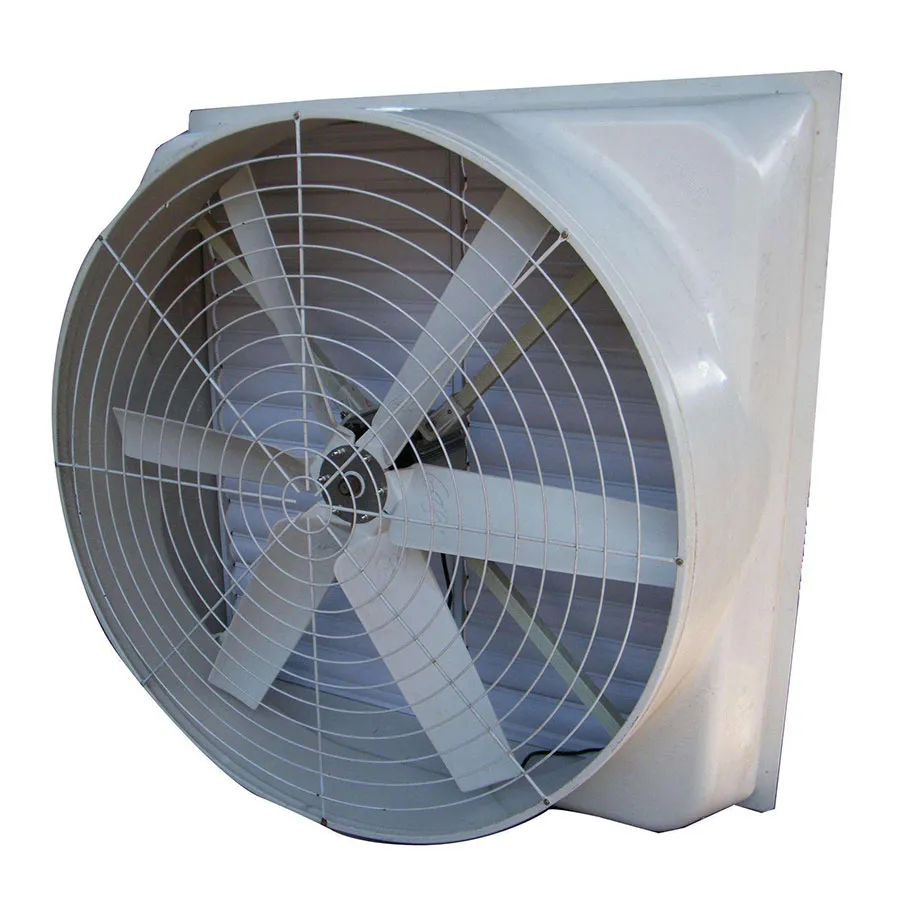
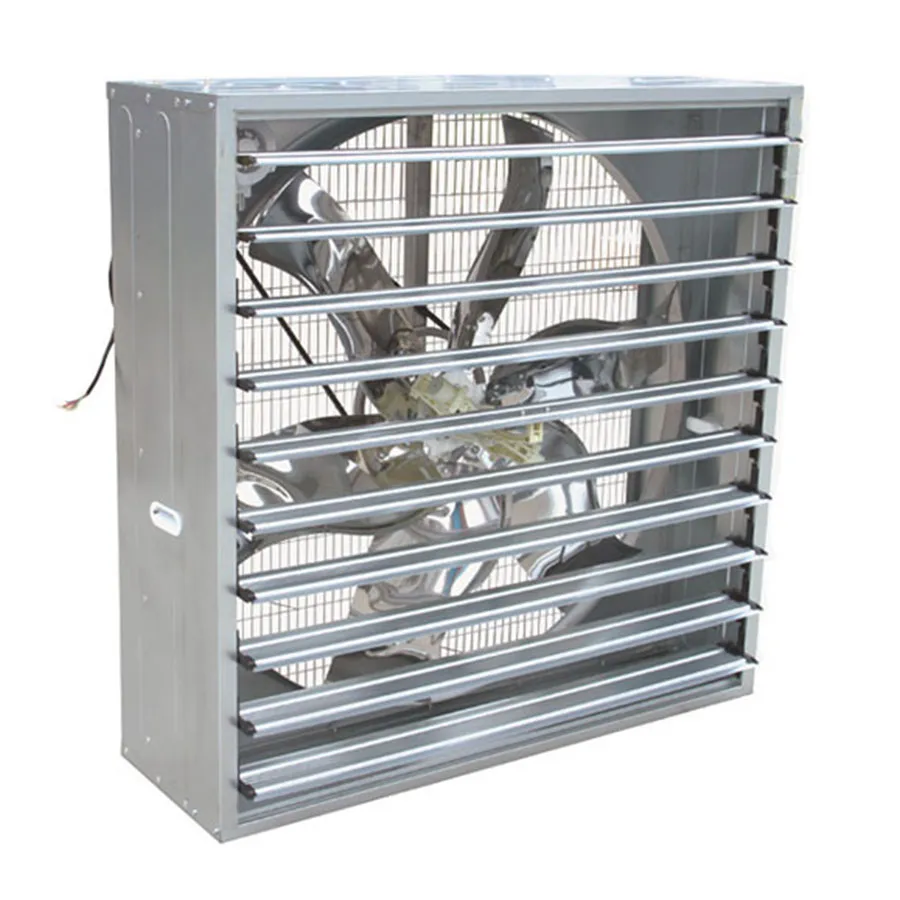
Feed conversion suffers when air quality dips. That’s where the “Ventilation And Fan In Pig Farming Equipment” from CX Livestock (origin: Dongtai Road, Economic and Technological Development Zone, Huanghua City, Hebei Province, China) fits in. The unit is designed to maintain a clean climate in pig houses, helping prevent respiratory illness—basically the other half of a well-tuned feeding strategy. I guess we could call it the unsung partner of the feeder.
Typical process flow (feed + air)
- Materials: hot-dip galvanized steel frames, PP/SS feed lines, IE3 motors, UV-stable shutters.
- Methods: auger or chain-disc dosing; PID fan control via temp/CO₂/NH₃ sensors; scheduled feeding windows.
- Testing standards: AMCA 210/211 airflow tests; IEC 60034-30-1 motor efficiency; IEC 60529 IP ratings; ASTM B117 salt-spray for coatings.
- Service life: ≈8–12 years for fans, ≈7–10 years for auger systems in real-world use (maintenance-dependent).
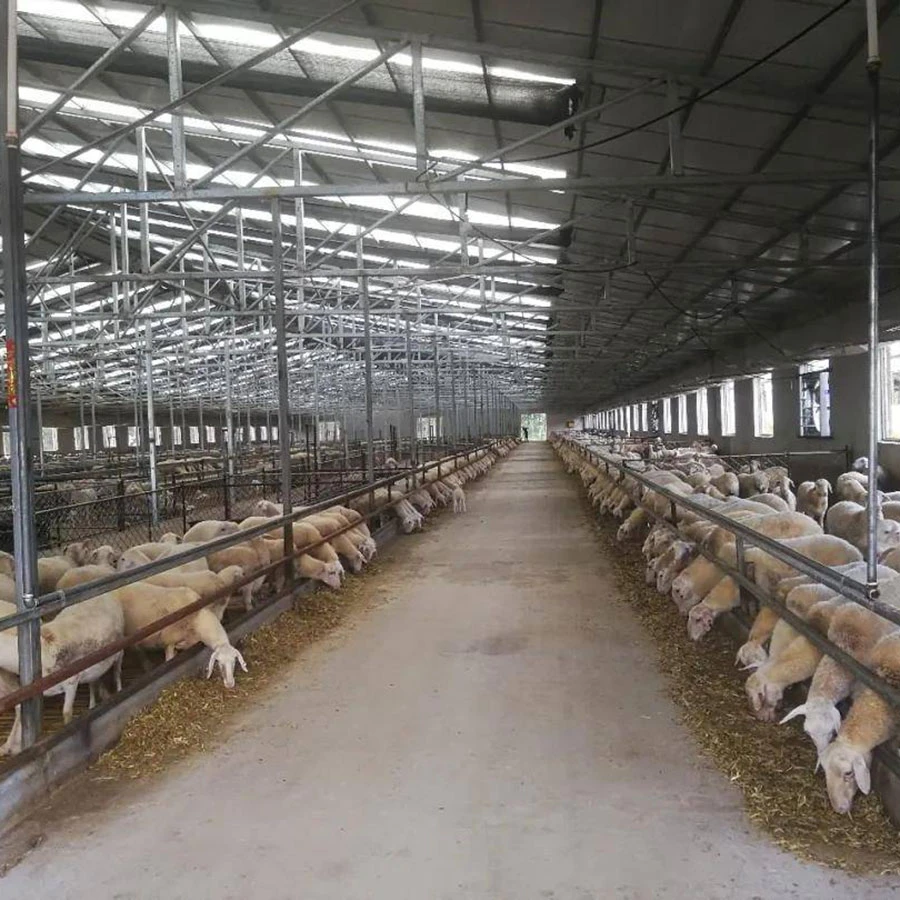
- Industries: swine (farrow-to-finish), poultry, and—surprisingly—small ruminants where climate swings are wide.
Product specs (integrated fan + feeding control)
| Parameter | Spec (≈, real-world may vary) |
|---|---|
| Fan diameter / airflow | Ø710–1460 mm / up to ≈48,000 m³/h @ 0 Pa (AMCA method) |
| Motor & IP rating | IE3 efficiency, 0.75–1.5 kW, IP55 |
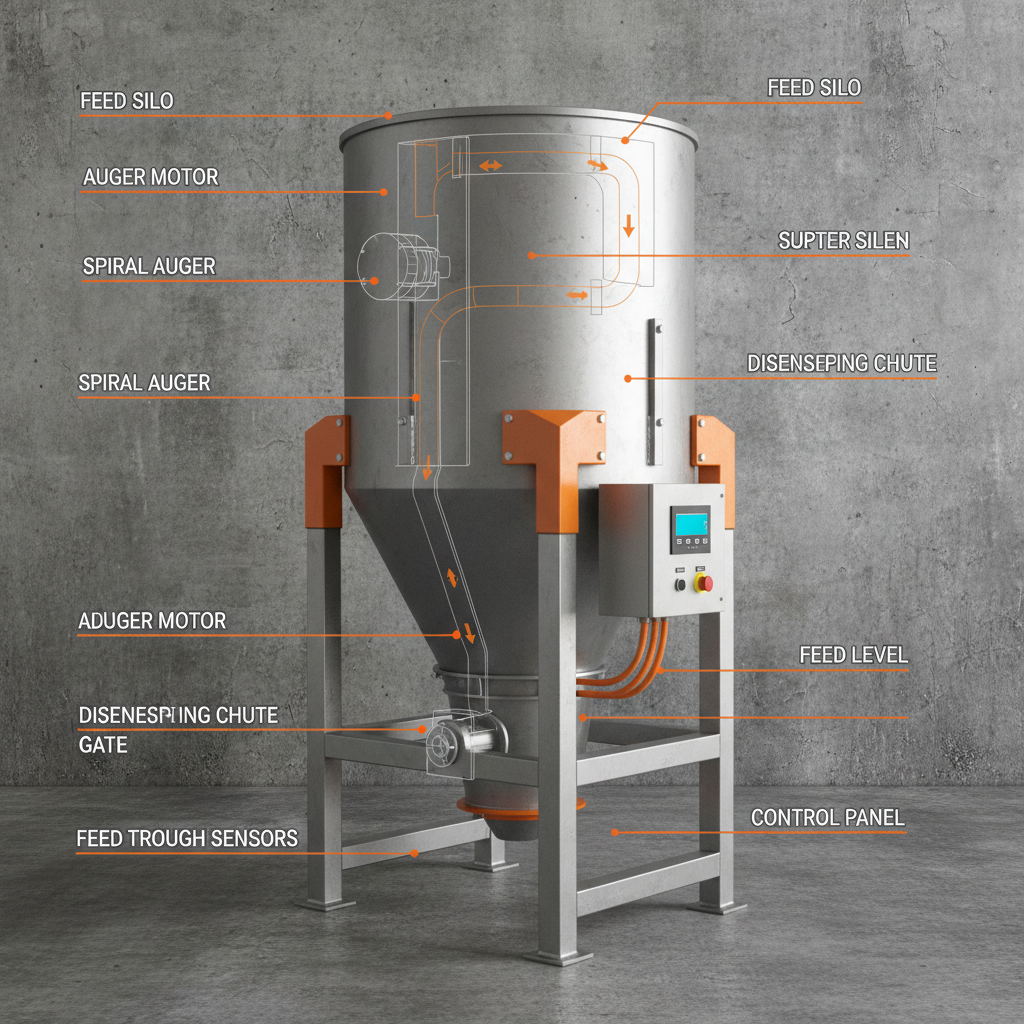
| Feeding drive | Auger 60/75 mm, ≈1,200–2,400 kg/h; step-wise dosing 50–250 g |
| Sensors | Temp, RH, CO₂, NH₃ (optional), silo load cells |
| Controls | PID ventilation + time/curve feeding; remote web app |
Application scenarios and what farmers report
- Grower-finisher barns aiming for FCR improvements of ≈2–4% by pairing precise rations with stable airflow.
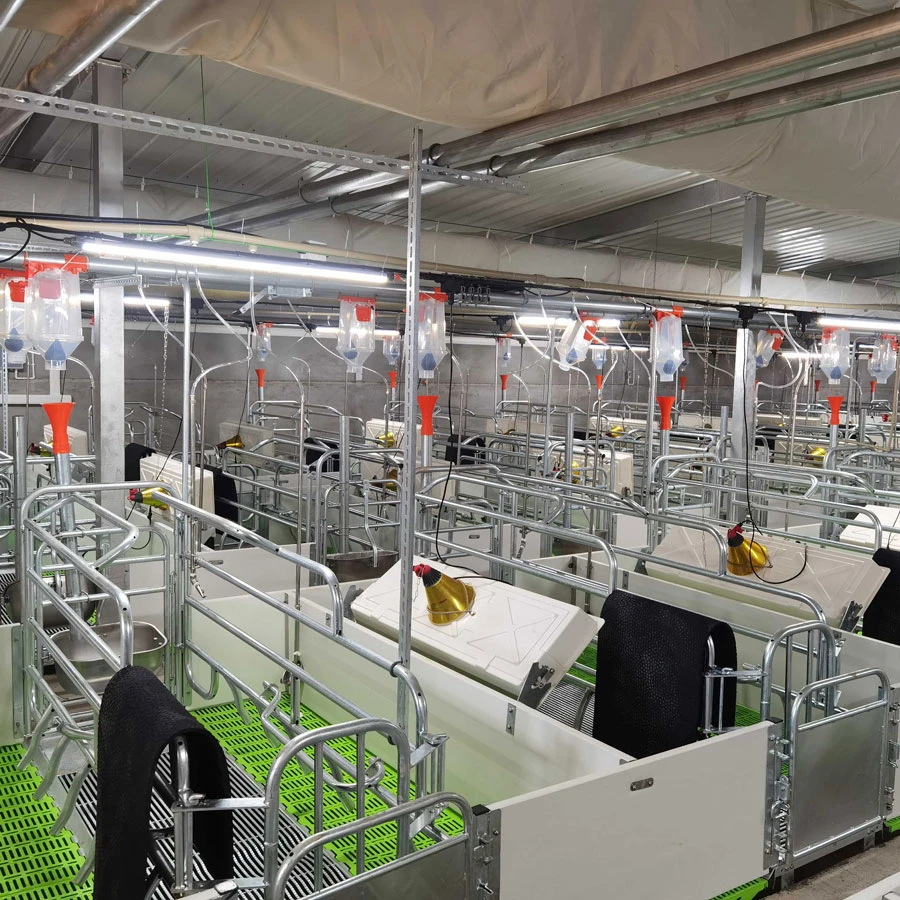
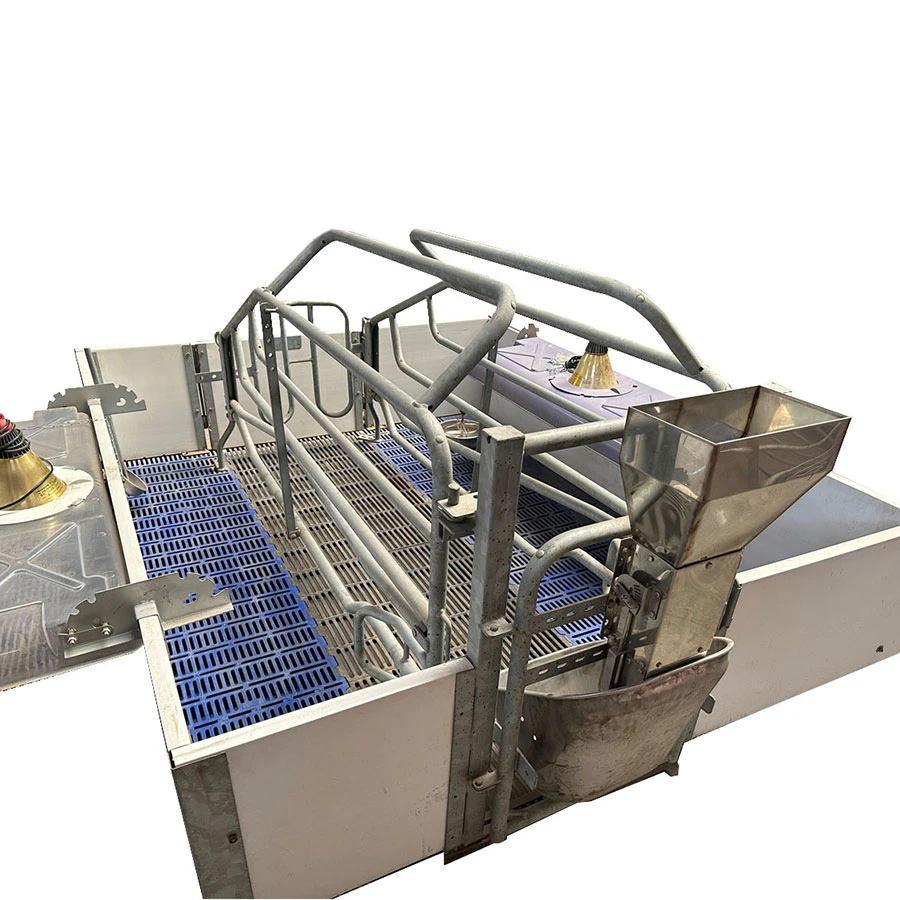
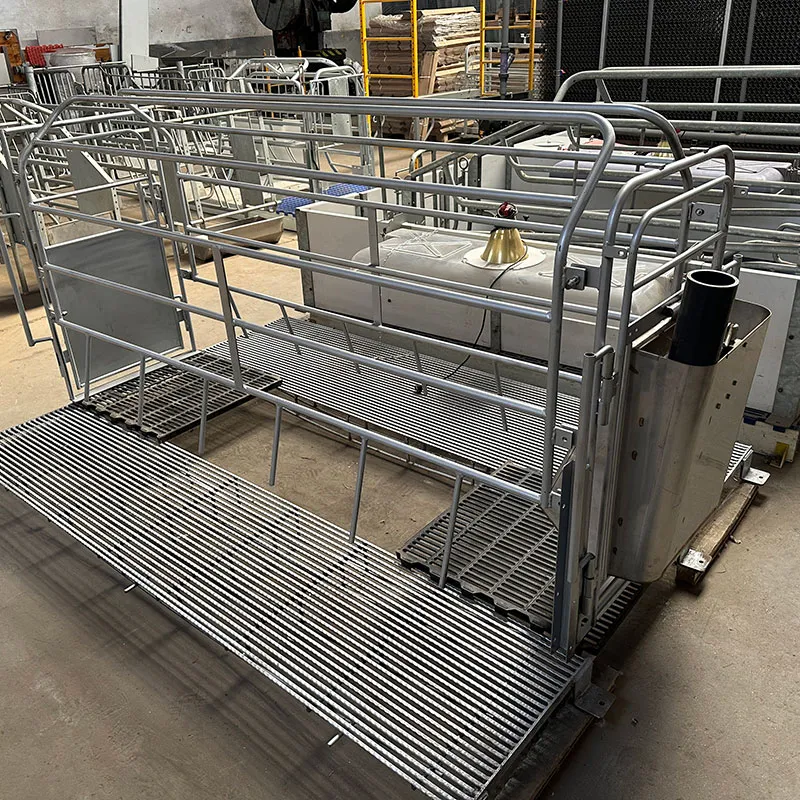
- Farrowing rooms where CO₂ spikes at night; staged fan ramps avoid chilling piglets while keeping sows comfortable.
- Retrofits: many barns keep existing feed lines but adopt new EC fans and controls—cost-effective, actually.
Customer feedback is consistently practical: fewer wet spots, less cough, steadier daily gain. One manager told me, “When the air is right, feed waste drops. Simple as that.”
Vendor snapshot (comparison)
| Vendor | Focus | Certs | Notable |
|---|---|---|---|
| CX Livestock (Hebei, China) | Fans + integrated feeding controls | ISO 9001; CE (models vary) | Strong value; customization around barn layouts |
| EU Brand A | Premium EC fans | CE, RoHS | Excellent efficiency; higher capex |
| US Brand B | Heavy-duty auger systems | UL/ETL (controls) | Great dealer network; modular spares |
Case notes (short and real)
Midwest, USA, 2,400-head finisher: Swapped to staged tunnel fans plus curve-based Automatic Animal Feeding System. Reported ≈3% FCR improvement and fewer coughing events within 8 weeks (CO₂ dropped from ≈2,500 to 1,500 ppm at night).
Shandong, China, 600-sow unit: Added NH₃ sensors to trigger extra ventilation pre-feeding. Surprising outcome: better sow appetite post-farrowing; mortality down by around 0.4 pp year-on-year.
Customization tips
- Specify AMCA-tested airflow data; ask for the fan curve, not just a catalog CFM.
- Match auger pitch to ration density (corn vs. wet mixes behave differently).
- Protect motors: IP55 minimum; coastal barns should request ASTM B117-tested housings.
- Integrate alarms for CO₂ > 2,000 ppm and NH₃ > 20 ppm; automate feed delays during ammonia spikes.
Compliance and data points
Look for AMCA 210 reports on fans, IEC 60034 motor efficiency class (IE3 or better), and documented calibration for gas sensors. Real barns are messy, but the standards keep everyone honest.
References
- ASABE EP270.5: Design of Ventilation Systems for Poultry and Livestock Shelters.
- AMCA 210/ANSI: Laboratory Methods of Testing Fans for Aerodynamic Performance Rating.
- IEC 60034-30-1: Efficiency classes of line operated AC motors (IE code).
- IEC 60529: Degrees of protection (IP Code) for enclosures.
- FAO. Good Practices for Biosecurity in the Pig Sector; environmental and air quality guidance.
Post time: Oct . 26, 2025