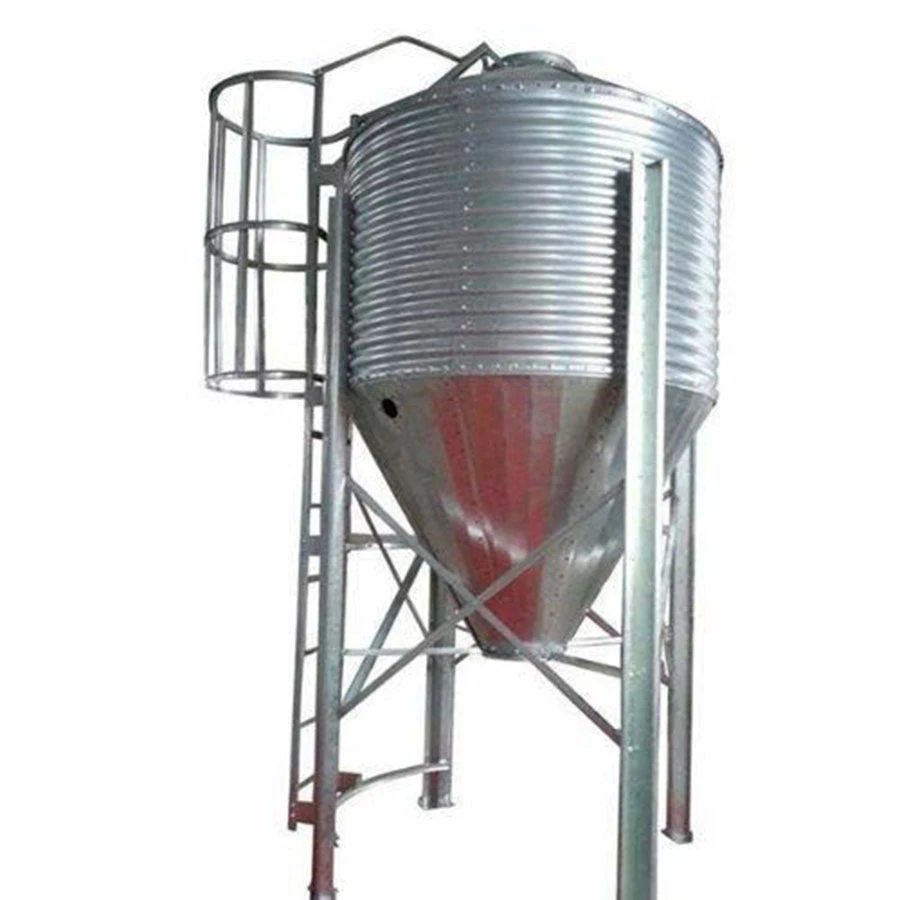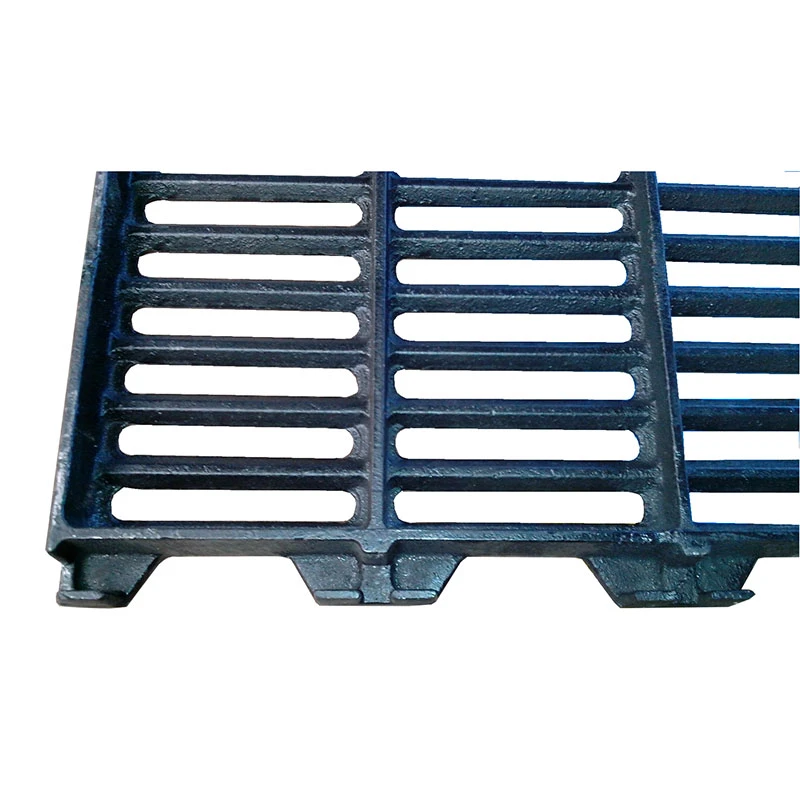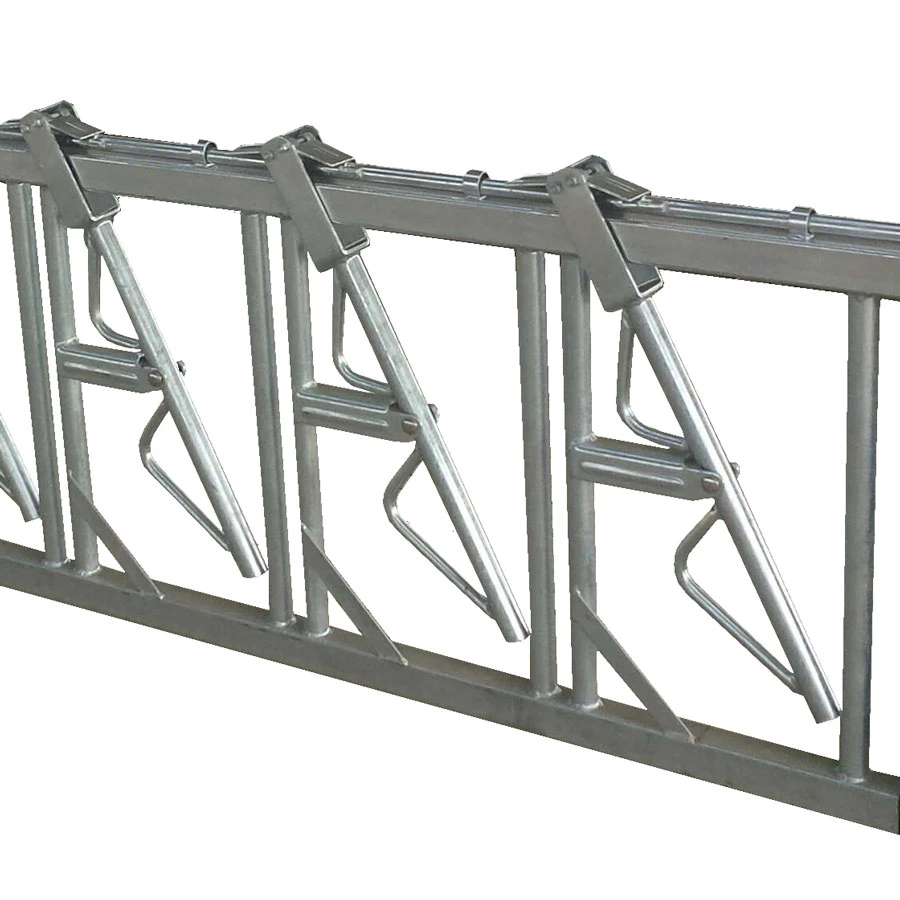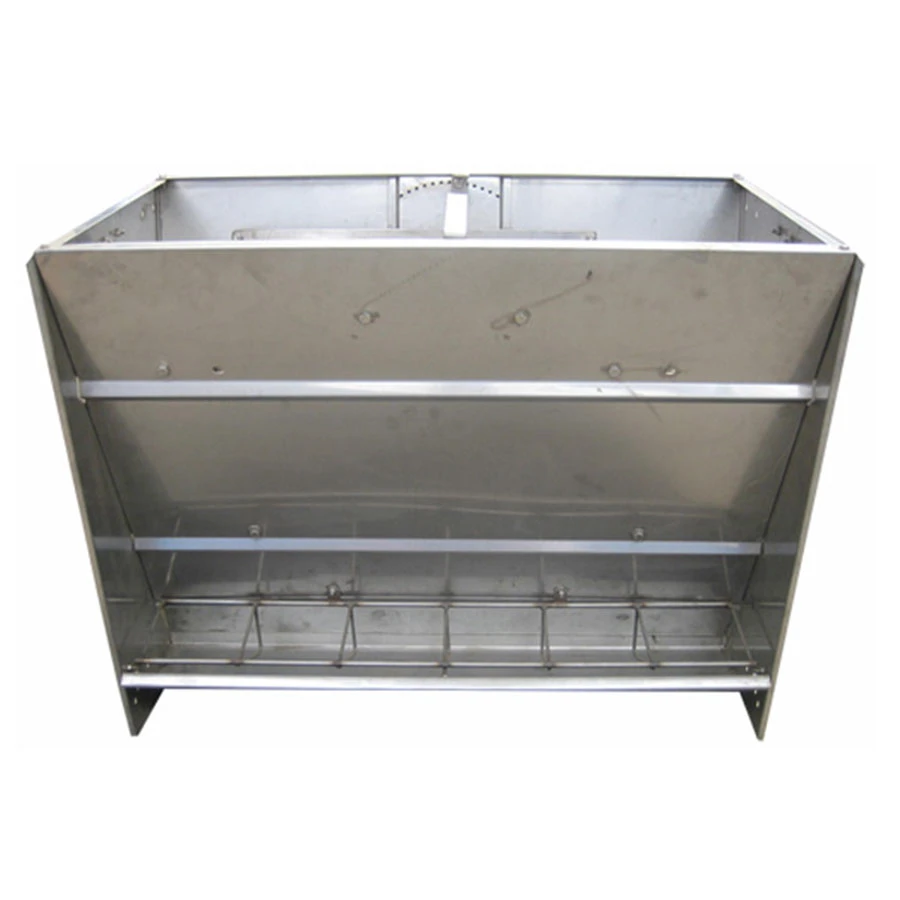
The Ins and Outs of an automatic feeding system in Industrial Settings
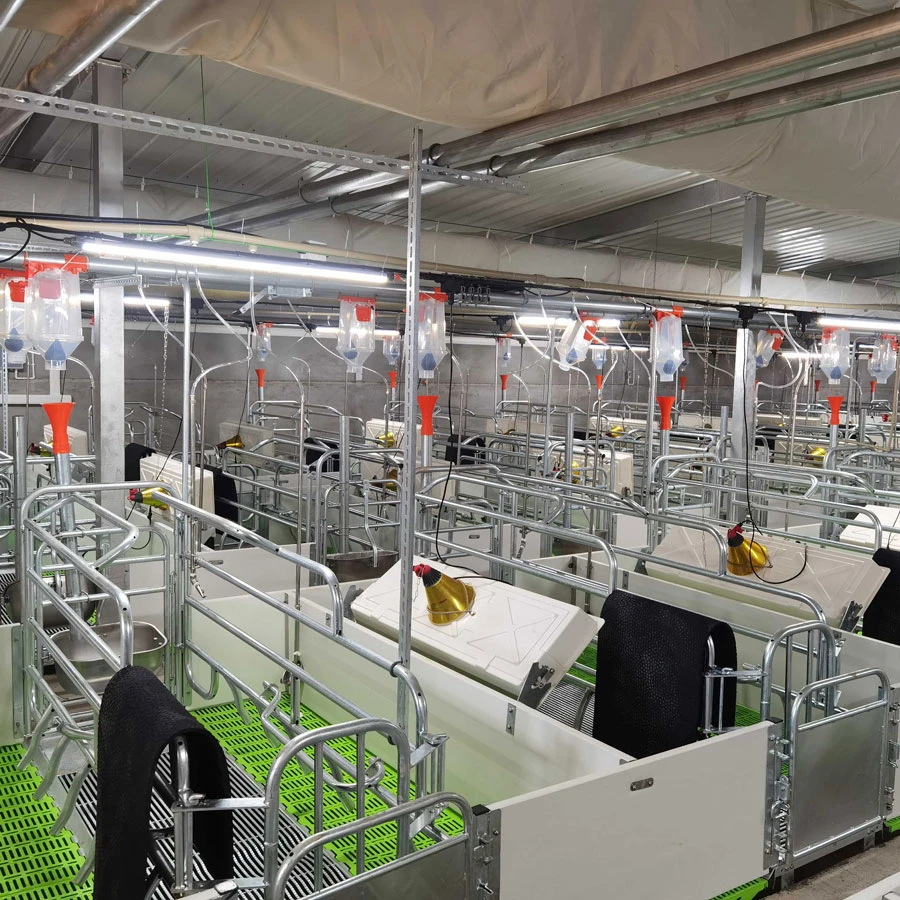
Having spent over a decade mixing it up with industrial equipment, I can tell you one thing for sure: an automatic feeding system can change the way your operation runs — sometimes in subtle ways you don’t expect, and sometimes in game-changing ways you’d swear by afterward. Frankly, these machines aren’t just “set it and forget it” units; when properly designed and maintained, they optimize efficiency, reduce labor headaches, and help maintain steady flow in production — which is critical in heavy industries like agriculture or livestock.
Oddly enough, even in 2024, many operations are still relying on manual feeding methods. I’m not judging—sometimes budgets and legacy systems keep you stuck—but as automation tech has evolved, the case for an automatic feeding system is stronger than ever. What I appreciate is how these systems come with a handful of thoughtful engineering tweaks designed to handle a variety of feed materials and conditions without constant babysitting.
Key Features & Product Specifications
| Feature | Specification |
|---|---|
| Feeding Capacity | Up to 500 kg/hr (depending on feed type) |
| Material Compatibility | Pellets, mash, grain, powders |
| Control System | PLC with touchscreen interface |
| Power Supply | 220V / 110V options available |
| Construction Materials | Stainless steel #304 / food grade plastics |
| Noise Level | Less than 70 dB(A) |
| Operating Temperature | -10°C to 50°C |
You know, the choice of materials here matters a lot — stainless steel not only extends the life of the gear but keeps things hygienic, which is essential when you’re feeding livestock or processing feed for animals. Plus, a flexible control system, especially one utilizing PLCs and touchscreen interfaces, lets users fine-tune feeding rates and schedules to exact needs. This kind of tech isn't 'fancy' for the sake of it; it can save bulk feed and reduce wastage.
Vendor Comparison: What Sets CX Livestock Apart?
| Vendor | Customization | After-Sales Support | Price Range | Delivery Lead Time |
|---|---|---|---|---|
| CX Livestock | Highly customizable feed rates and interfaces | 24/7 support + on-site service options | Mid to premium | 2-3 weeks |
| Competitor A | Limited to preset modes | Business hours only support | Budget | 4-6 weeks |
| Competitor B | Medium customization, less intuitive UI | Limited after-sales | Mid-range | 3-4 weeks |
From my experience, CX Livestock stands out because they really get the nuances of what industrial customers actually need. I remember one client who switched their entire feed line over to CX Livestock's system and noticed a 15% drop in feed wastage within two months. That’s the kind of difference where you stop viewing these machines as just equipment and start thinking of them as partners in your workflow.
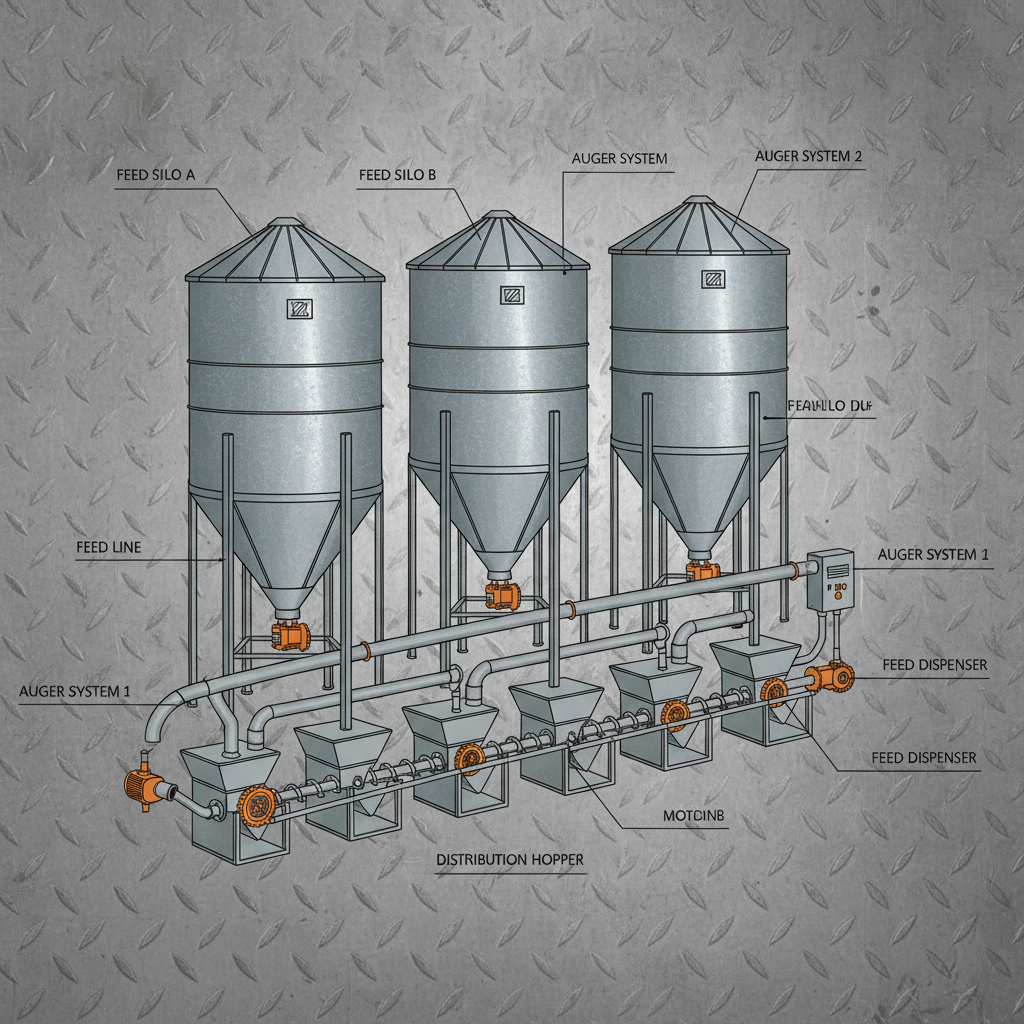
Why does that happen? Well, smart feeding algorithms combined with sturdy construction means less product spills, fewer line jams, and smoother integration with existing machinery. Plus, the human-friendly interfaces make the operator’s job a lot less frustrating — which is underrated, honestly.
Now, full disclosure: not every environment is the same, and the ‘best’ feeding system can depend a lot on your feed material, facility layout, and operational scale. Always talk through your exact needs with vendors. But if I had to pick a reliable, flexible, and well-supported system today, my advice is to consider automatic feeding system options from CX Livestock seriously.
Final Thoughts
Working with automatic feeding systems isn’t just about squeezing productivity; it’s about smoothing the rough edges of daily work and making complex processes feel a little more human. If you’re still running manual feed lines, it might be time to test the waters with a system that’s built to take the monotony off your team’s plate while protecting your bottom line.
And hey — if you want to dig deeper into product specs or pricing, the folks at CX Livestock have resources and real-world case studies that really help connect the dots. Sometimes it’s those little details — like noise level or power flexibility — that turn a “maybe” into a “yes.”
Until next time, keep your feed flowing and your operations humming.
References:
1. Industry Reports on Feeding Automation, Agribusiness Today, 2023.
2. CX Livestock Product Manual (2024 Edition)
3. Personal interviews with equipment engineers, 2022–2023
Post time: Dec . 11, 2025