Automatic Feeding System In Pig Farming Equipment: Field Notes, Specs, and What Actually Works
If you’ve ever tried to keep feed moving cleanly through a barn at 5 a.m., you already know why an automatic feeding system for pigs is no longer a luxury. It’s the backbone. I’ve walked enough farrowing houses to say this with a straight face: consistency beats heroics every time.
What’s changing on progressive pig farms
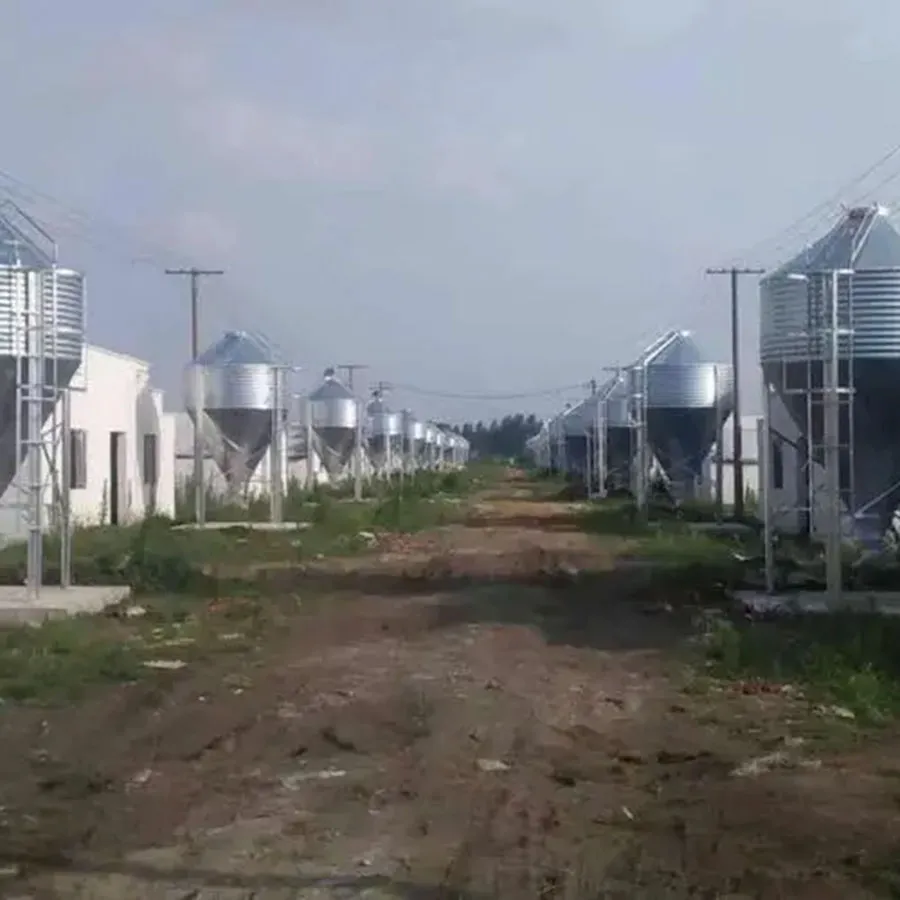
Large units—some with 100,000 head or more—need repeatable dosing, quick diagnostics, and less feed waste. Frankly, margins are tight. The automatic feeding system for pigs that’s getting traction pairs chain-disk or auger lines with smart controllers, RFID/IoT hooks, and robust silos. Origin matters too: the system here ships from Dongtai Road, Economic and Technological Development Zone, Huanghua City, Hebei Province, China—where several supplier clusters keep parts and after-sales responsive.
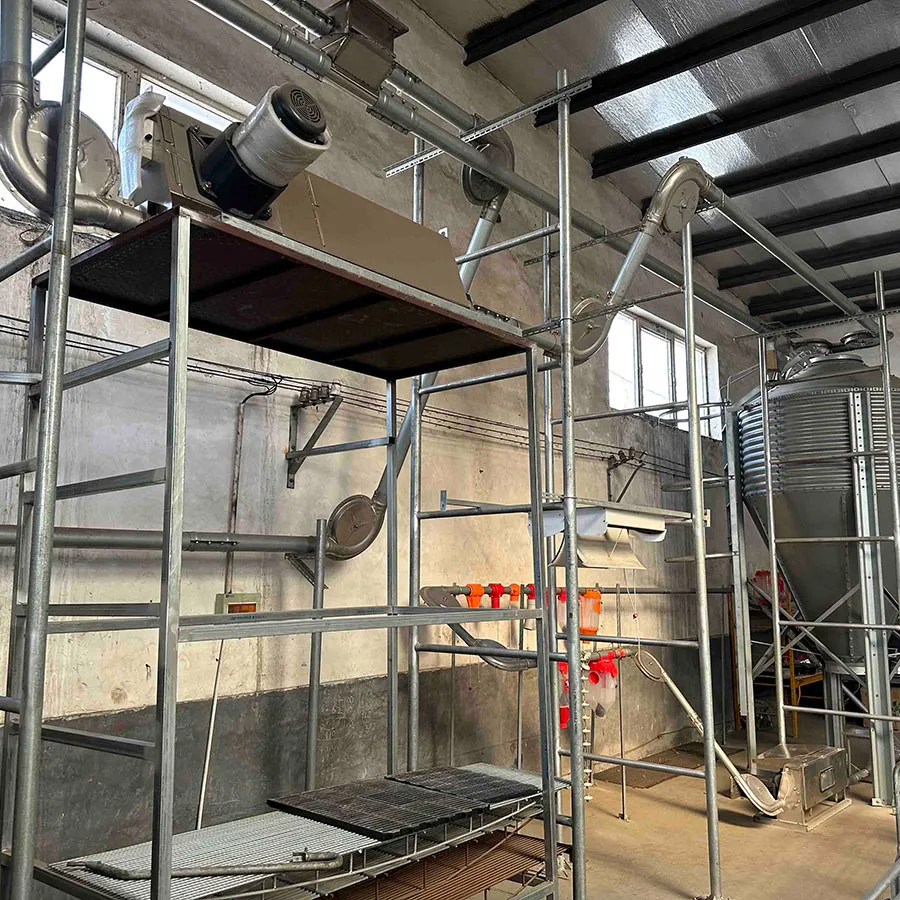
Process flow (how feed actually moves)
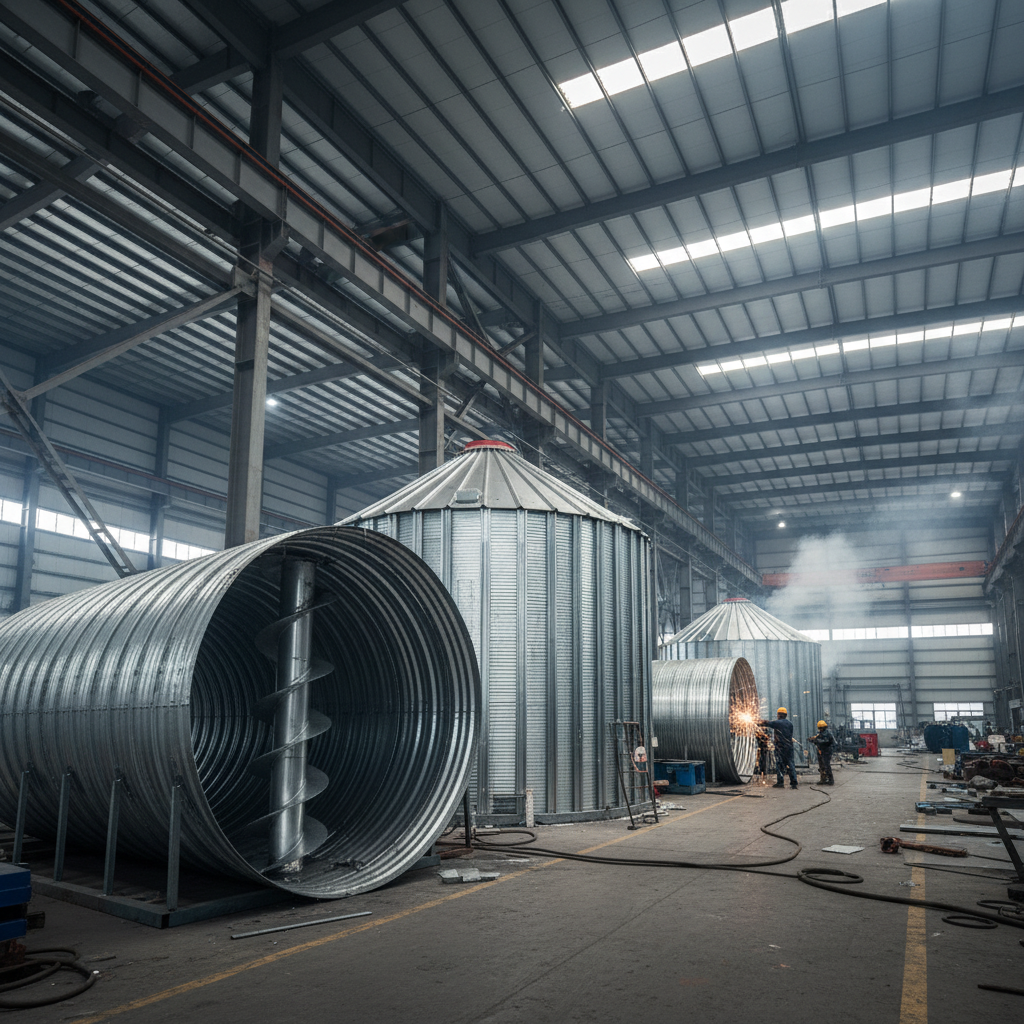
- Materials: hot-dip galvanized steel (≈275 g/m²), SS304 for contact points, food-grade PE hoppers, wear-resistant nylon/PA66 corners.
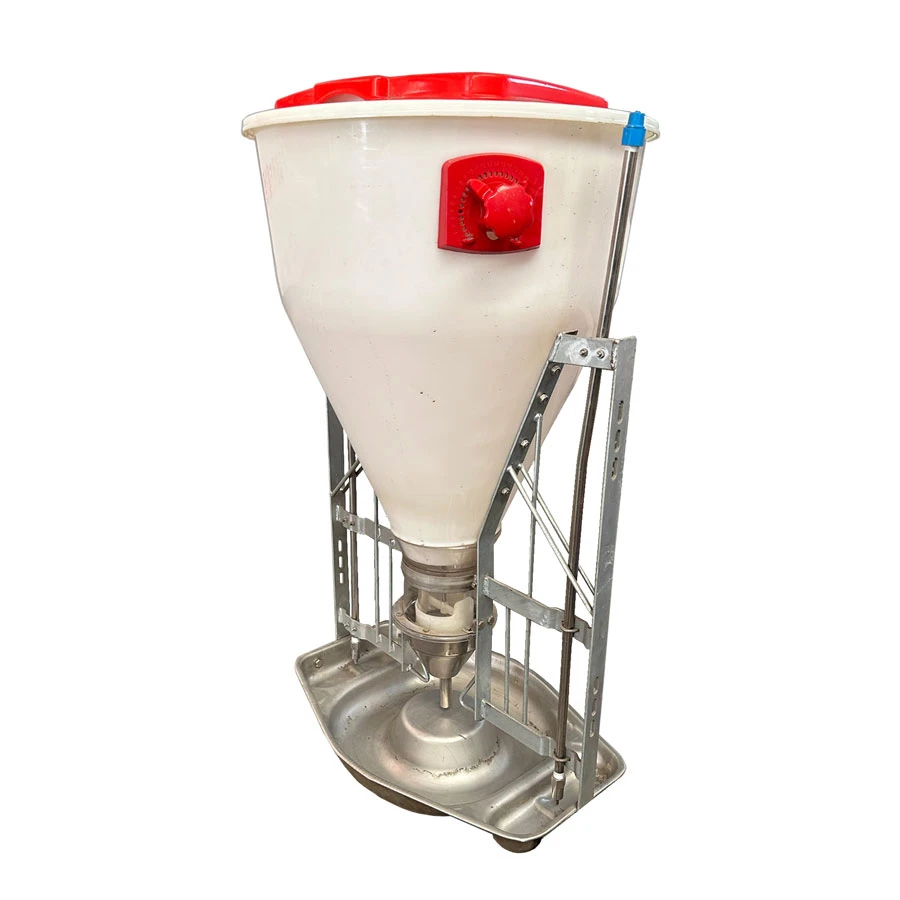
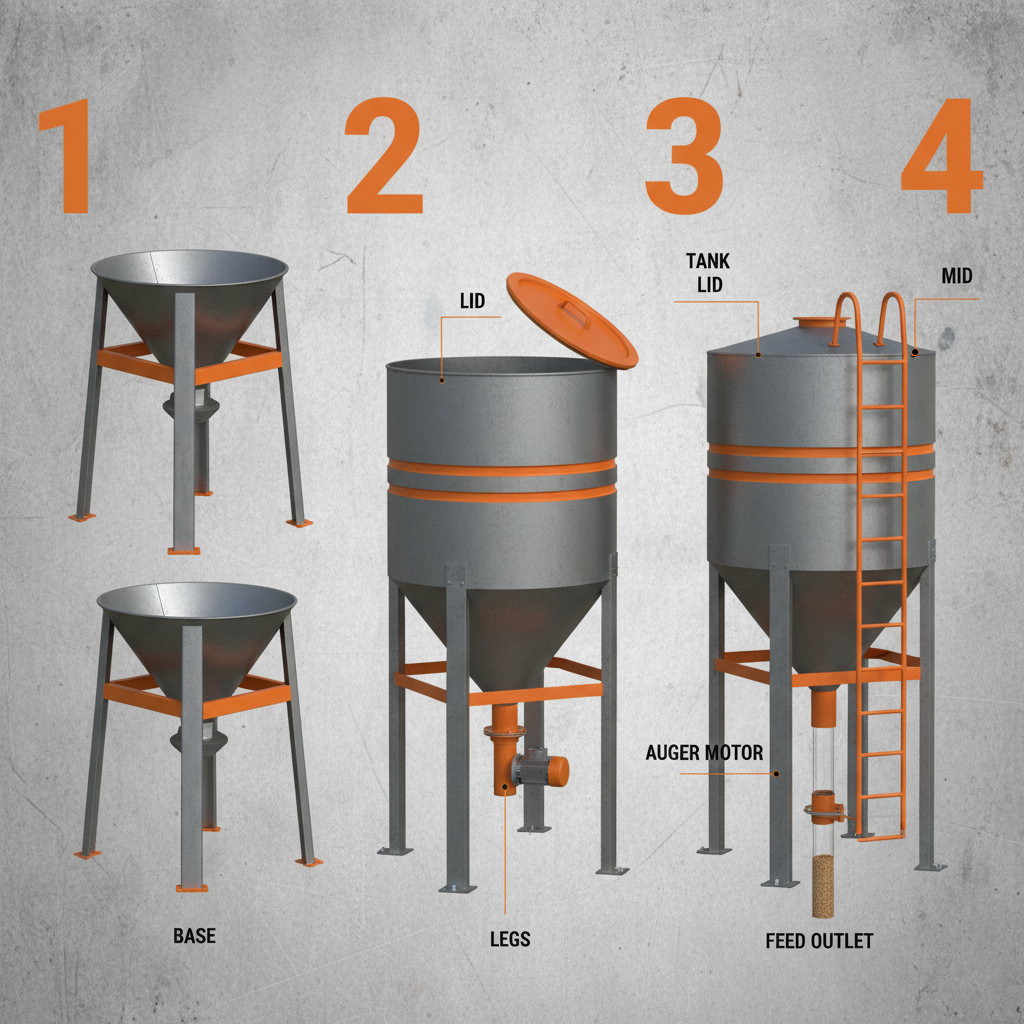
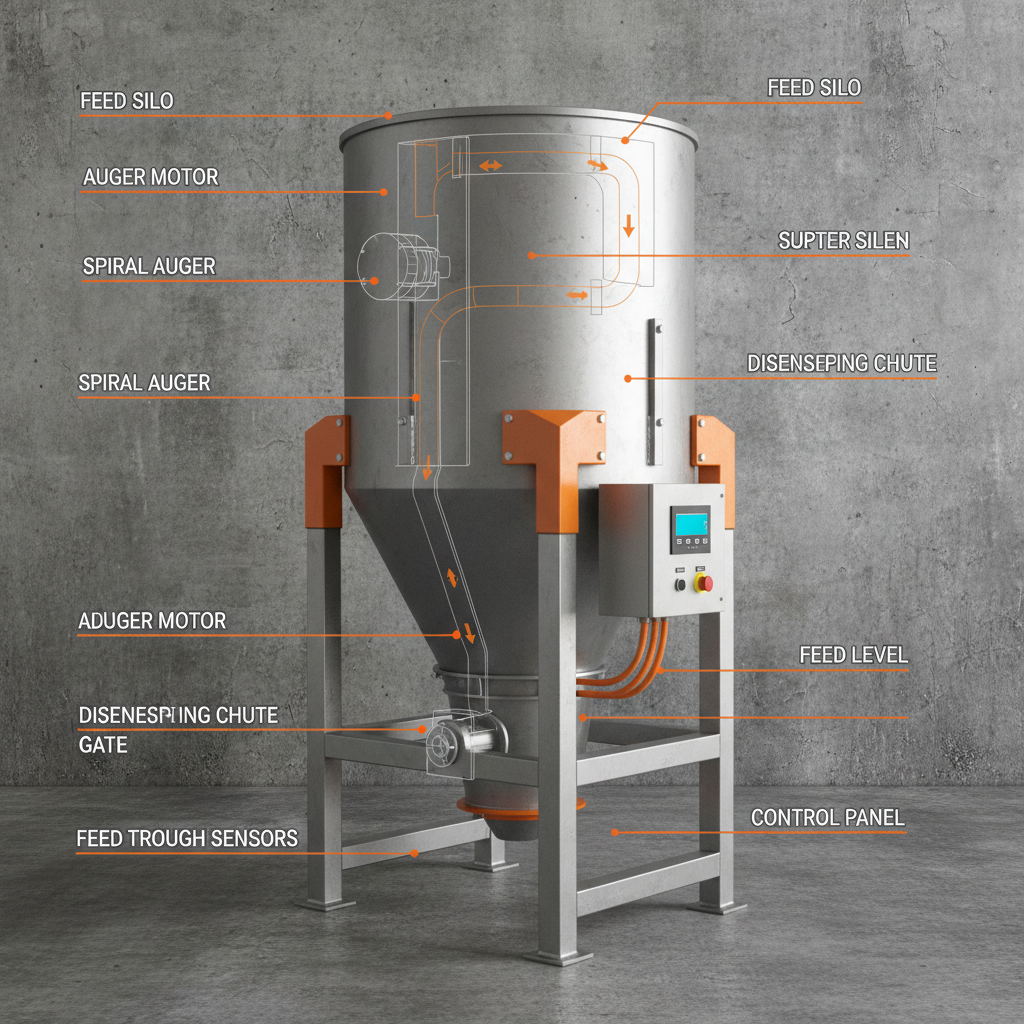
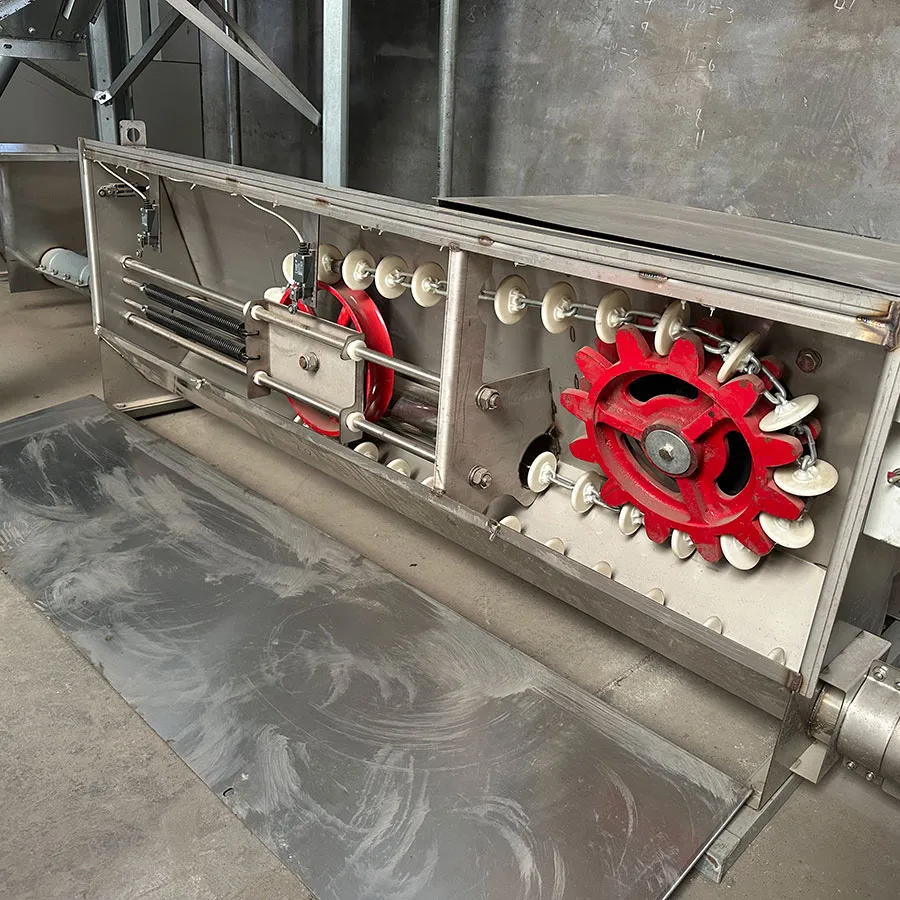
- Method: silo discharge → dosing gate → chain-disk or auger conveyor → drop feeders with timed or sensor-driven release → pen troughs.
- Testing standards: IEC 60529 IP54–IP65 for control boxes; ISO 13849-1 for machine safety; welds checked per ISO 5817 (visual class B/C, real-world use may vary).
- Service life: ≈8–15 years for drives/lines with routine lubrication; corners often replaced at year 6–10 depending on ration abrasiveness.
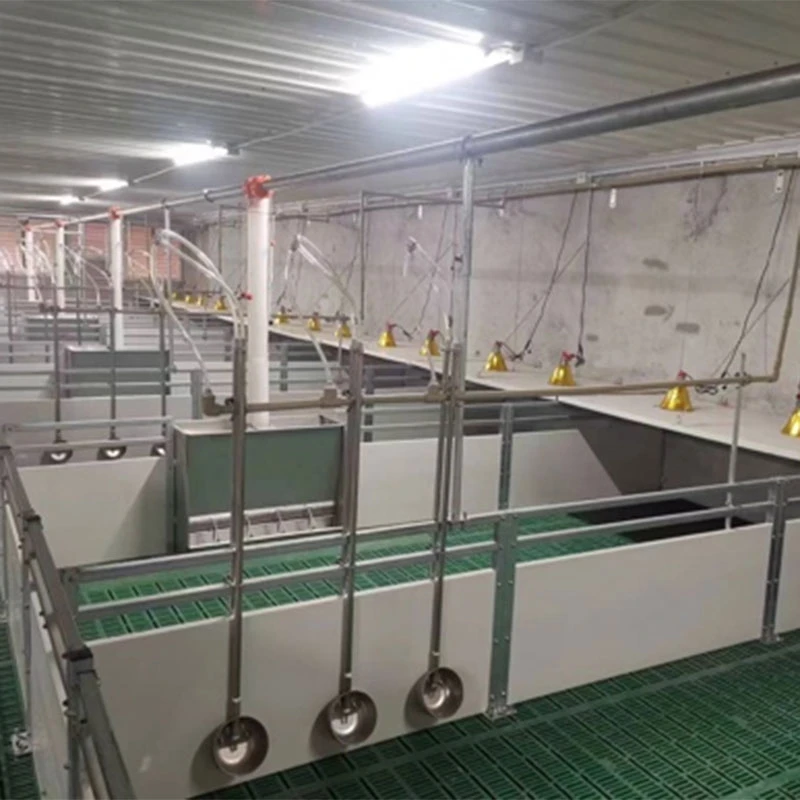
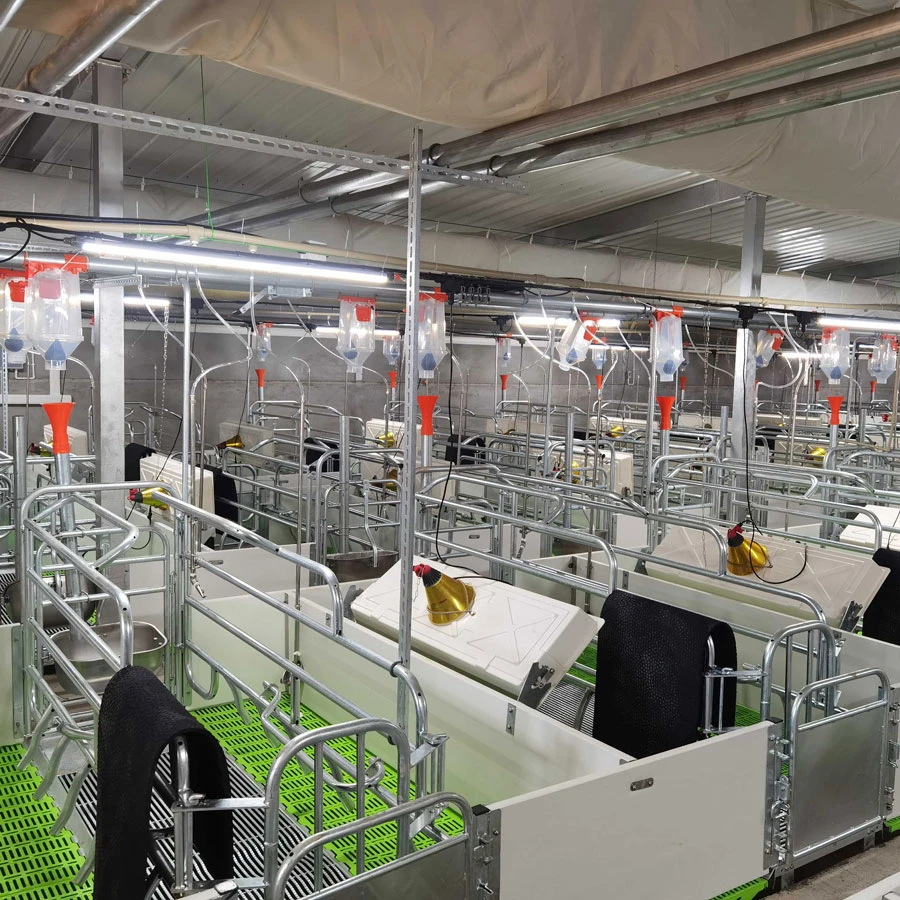
- Industries/scenarios: gestation, farrowing, nursery, and finisher barns; also integrated feed mills feeding multiple sites.
Product snapshot
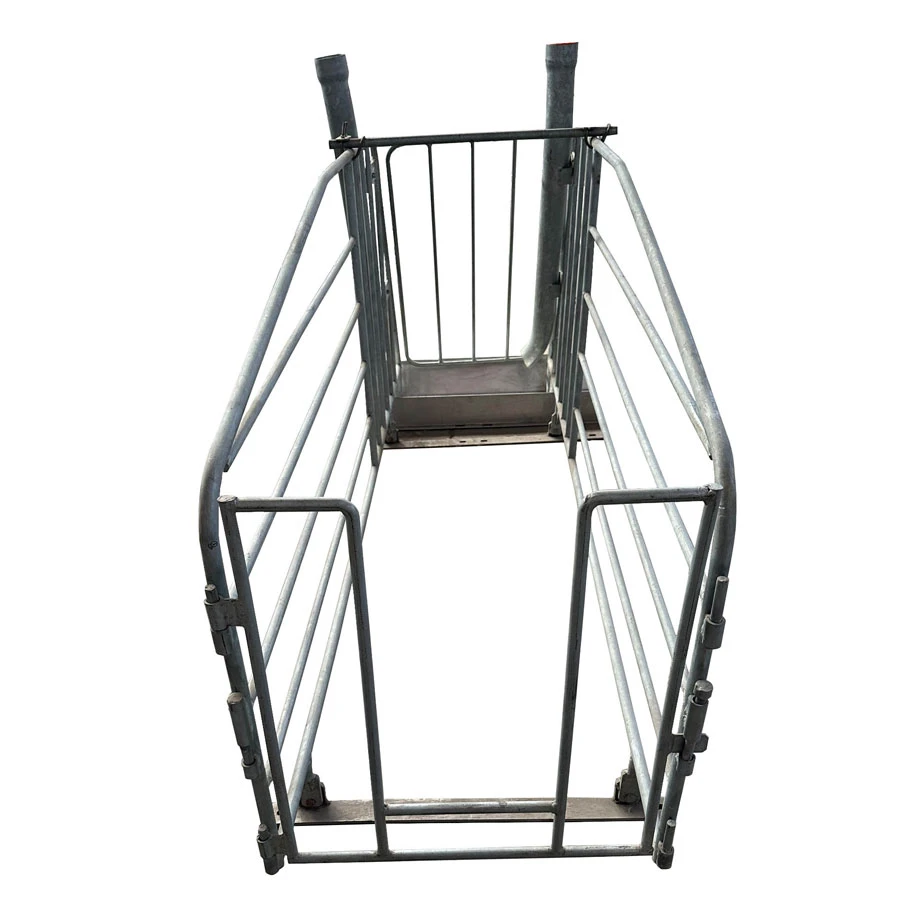
Official name: Automatic Feeding System In Pig Farming Equipment. Many customers say the biggest surprise is quieter night runs (less stress = steadier intake). Below are condensed specs I’d look for on a bid sheet.
| Feed rate | ≈1.5–3.5 t/h per line (corn-soy; moisture 12–14%) |
| Conveyor type | Chain-disk or 75–90 mm auger; corners PA66 w/ SS304 liners |
| Motor power | 0.75–2.2 kW, IE2/IE3, overload protection |
| Controls | PLC + timer; optional RFID sow feeding; Modbus RTU |
| Accuracy | ±2–3% per drop (calibrated); real-world use may vary |
| Ingress rating | IP54–IP65 control boxes |
| Operating temp | -10 to 50°C (non-condensing) |
| Certifications | ISO 9001 QMS, CE; materials per FDA/EU food-contact guidance |
Advantages I’ve seen on farm
- Consistent ration delivery, fewer boss-sow moments in gestation.
- Lower fines and breakage with gentler chain-disk curves.
- Energy use around 2.5–4.2 kWh/ton (site audits, mixed diets).
- Faster chores—labor can focus on health checks, not buckets.
Customer feedback: “We cut feed waste by roughly 6% across finishers.” Another added, “Diagnostics were boring—in a good way.” To be honest, boring is the goal.
Vendor landscape (quick compare)
| Vendor | Strengths | Watch-outs |
|---|---|---|
| CX Livestock (Hebei) | Robust chain-disk, solid spare parts availability, customization | Lead times can stretch during peak season |
| Vendor A (EU) | Tight integration with barn software, premium build | Higher upfront cost ≈+15–25% |
| Vendor B (US) | Great dealer network, quick service calls | Limited custom hopper sizes |
Customization that actually matters
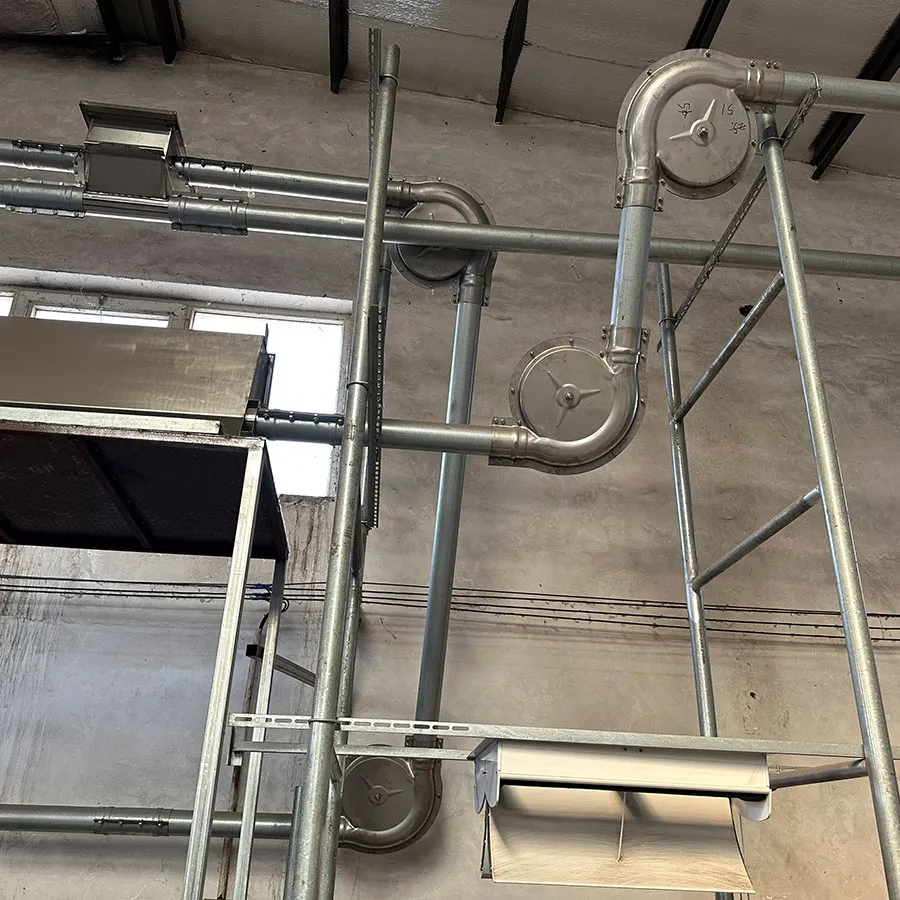
Ask for: silo coatings matched to coastal corrosion, corner counts tuned to barn geometry, drop spacing by pen density, and PLC logic for feeding curves (nursery vs. finisher). With the automatic feeding system for pigs, I’d also spec stainless transitions near high-moisture zones.
Mini case study
A 12,000-head finisher site retrofitted chain-disk lines and staged timers. After 60 days: feed conversion nudged from 2.72 to 2.66, measured waste down ≈5.8%, and two labor-hours saved per day. Not a moonshot, but bankable.
Compliance and welfare
Systems are typically aligned with EU pig welfare rules on access to feed and equipment safety. Controls in sealed boxes and rounded trough interfaces reduce injury risk. It seems basic, but auditors notice.
Citations
- EU Council Directive 2008/120/EC on minimum standards for the protection of pigs. https://eur-lex.europa.eu
- IEC 60529: Degrees of protection (IP Code). https://www.iec.ch
- ISO 13849-1: Safety of machinery—Safety-related parts of control systems. https://www.iso.org
Post time: Oct . 18, 2025