Understanding Beef Cattle Farm Equipment: Why It Matters Globally
Beef cattle farm equipment might sound like a niche topic, but it’s actually a cornerstone of sustainable agriculture worldwide. With global beef consumption steadily climbing—the UN’s Food and Agriculture Organization reports beef accounts for roughly 20% of total meat production—efficient equipment isn't just a luxury; it’s a necessity. Proper tools for managing herds mean healthier animals, better yields, and ultimately, a more stable food supply for billions.
At first glance, you might think of tractors and fences, but beef cattle equipment spans everything from feeding systems to waste management and handling facilities. Understanding these tools helps farmers optimize productivity, reduce costs, and meet growing regulatory and environmental standards—a trio of challenges facing the livestock industry today.
The Global Landscape of Beef Cattle Farm Equipment
Across continents, from the rolling prairies of the American Midwest to expansive ranches in Australia, the relevance of beef cattle farm equipment can’t be overstated. According to the World Bank, over 70% of rural livelihoods depend directly or indirectly on livestock farming, making efficient equipment essential—not merely for profitability but for community resilience.
However, challenges like climate change, rising feed costs, and disease management put additional pressure on farmers. Modern beef cattle farm equipment aims to address these issues, enabling better herd welfare and resource use. Consider drought-prone zones in sub-Saharan Africa, where precision feeding and water-efficient technologies directly impact cattle survival rates. It’s a complex puzzle, and the right tools are key pieces.
What Exactly Is Beef Cattle Farm Equipment?
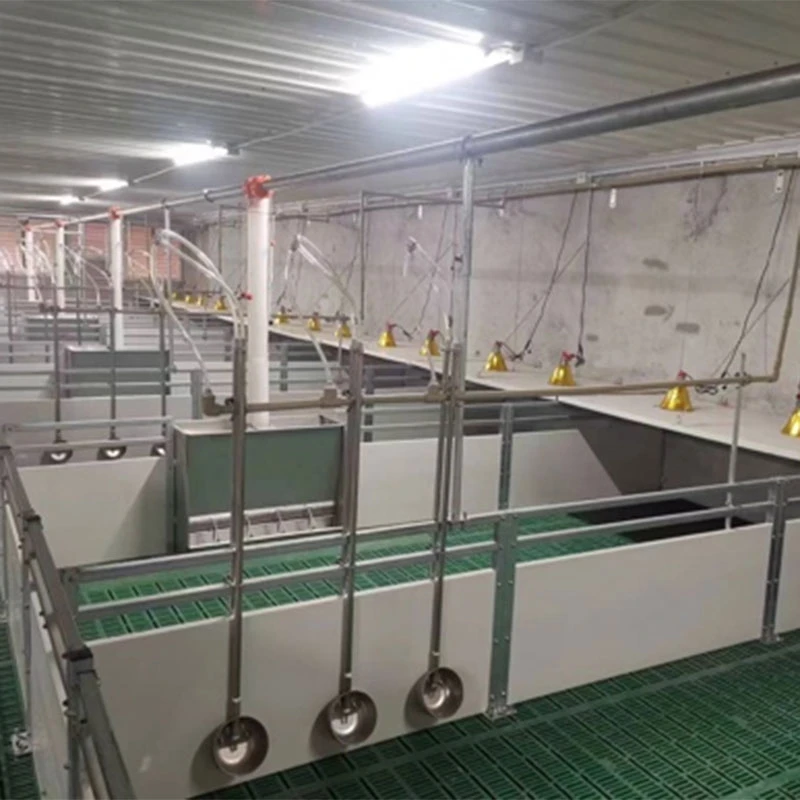
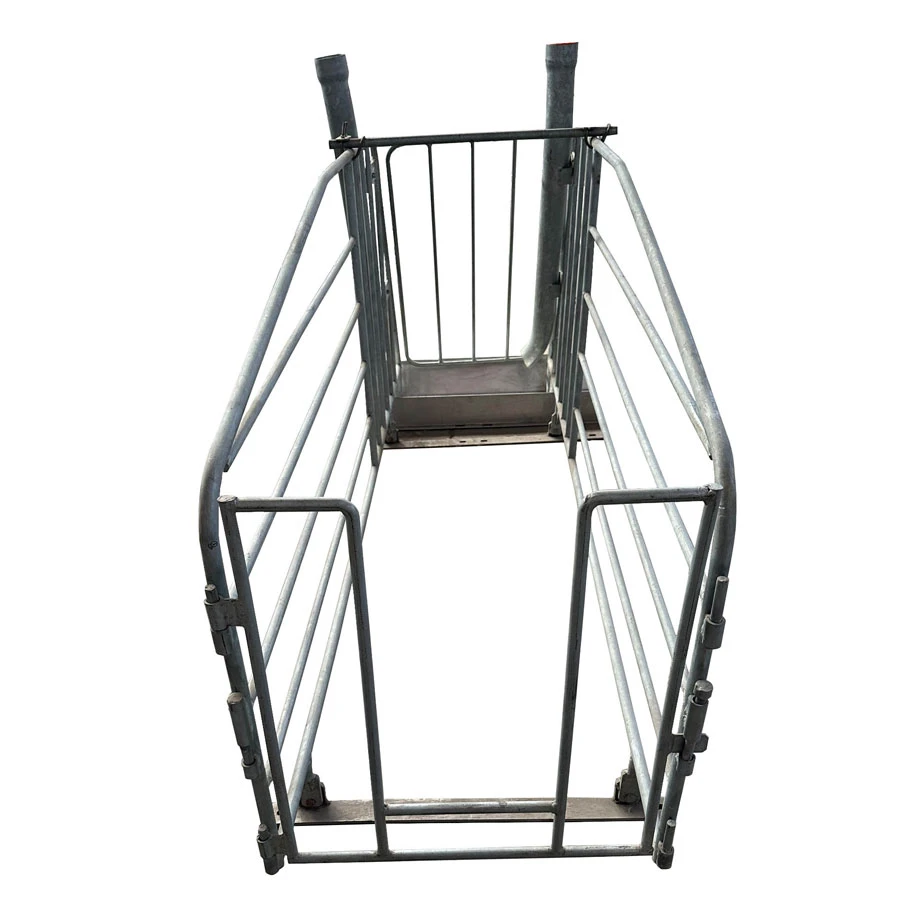
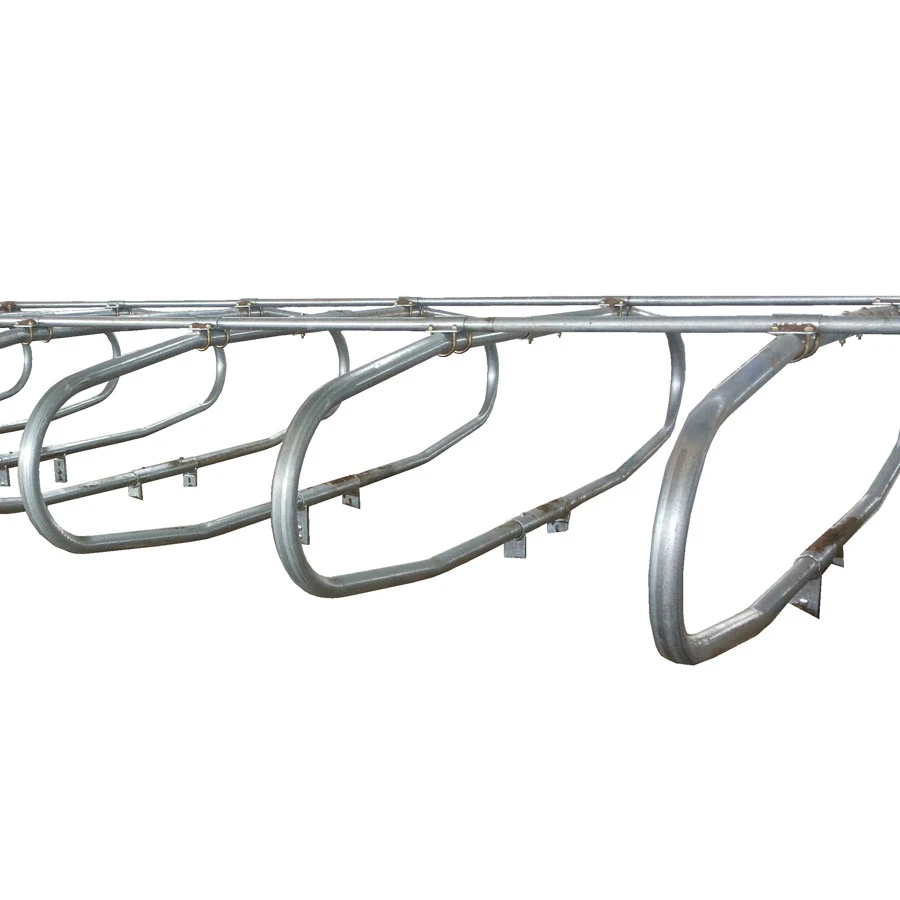
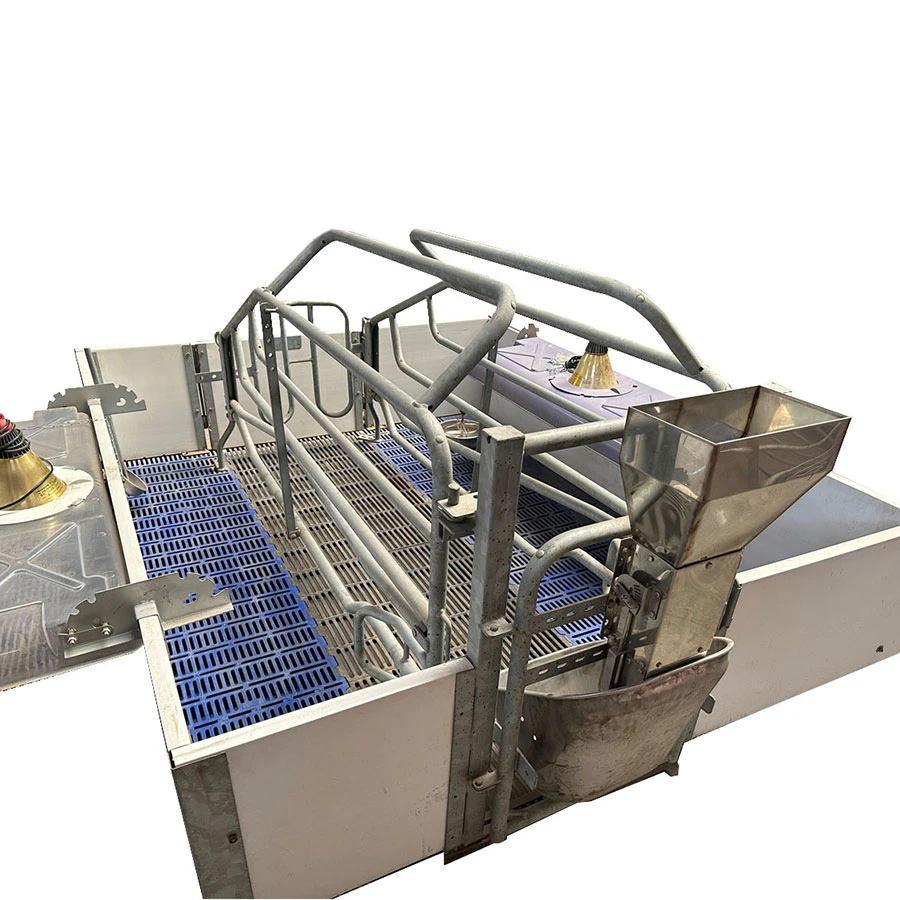
Put simply, beef cattle farm equipment refers to the array of mechanical and structural tools used in the rearing and management of beef cattle. This includes feeding and watering systems, gates and chutes for safe animal handling, fencing solutions, tractors tailored for pasture maintenance, and waste collection tools.
These tools aren’t just about making life easier for farmers. In countries where food security is critical, beef cattle equipment plays a humanitarian role by improving herd health and productivity, which in turn supports local economies and diets.
Core Components of Beef Cattle Farm Equipment
1. Durability and Material Quality
Beef cattle farm equipment must endure harsh outdoor conditions—think sun, rain, mud, and rough handling by large animals. Materials like galvanized steel, heavy-duty plastics, and treated wood help extend the lifespan of equipment, lowering long-term costs. Many farmers I’ve spoken with prioritize durability to avoid constant replacements, which can be disruptive and expensive.
2. Scalability for Different Farm Sizes
From small family-run ranches to massive industrial farms, equipment needs vary. Modular designs and customizable components allow operators to scale up or down without buying all-new gear. This flexibility means a small startup farm can gradually expand as they grow, without jumping into costly upgrades all at once.
3. Cost Efficiency
Equipment isn’t cheap, but investing strategically can save money in the long run. Automated feeders reduce labor needs, and precise waste management tools help maintain cleaner, healthier environments—cutting veterinary expenses. Cost efficiency here goes beyond initial purchase price to total cost of ownership, including maintenance and operation.
4. Animal Welfare and Safety
Good equipment design directly impacts animal health and safety. Comfortable feeders minimize stress during feeding times; well-designed handling chutes reduce injury risk during movement or medical treatment. In fact, humane treatment supported by proper equipment is increasingly linked to better meat quality—a win-win.
5. Technological Integration
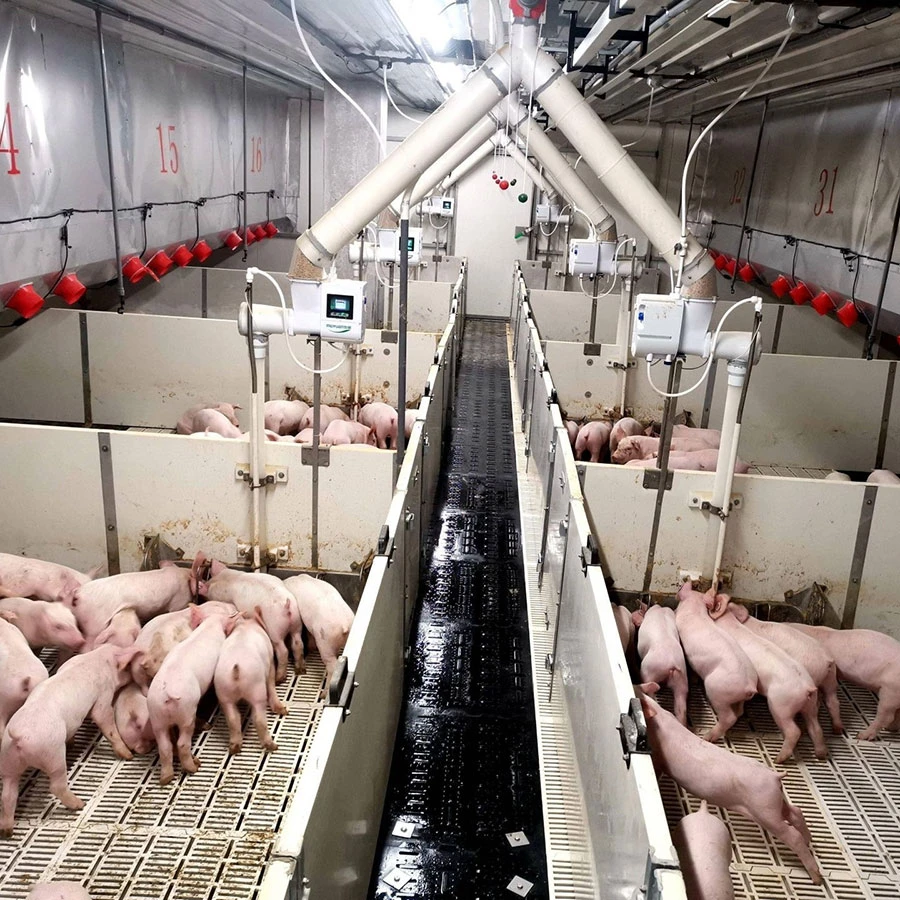
Digital innovations like RFID tagging, automated feeding schedules, and even AI-driven health monitoring are increasingly embedded into beef cattle equipment. These ‘smart’ systems help farmers make informed decisions in real-time, enhancing productivity while reducing guesswork.
Global Applications and Real-World Use Cases
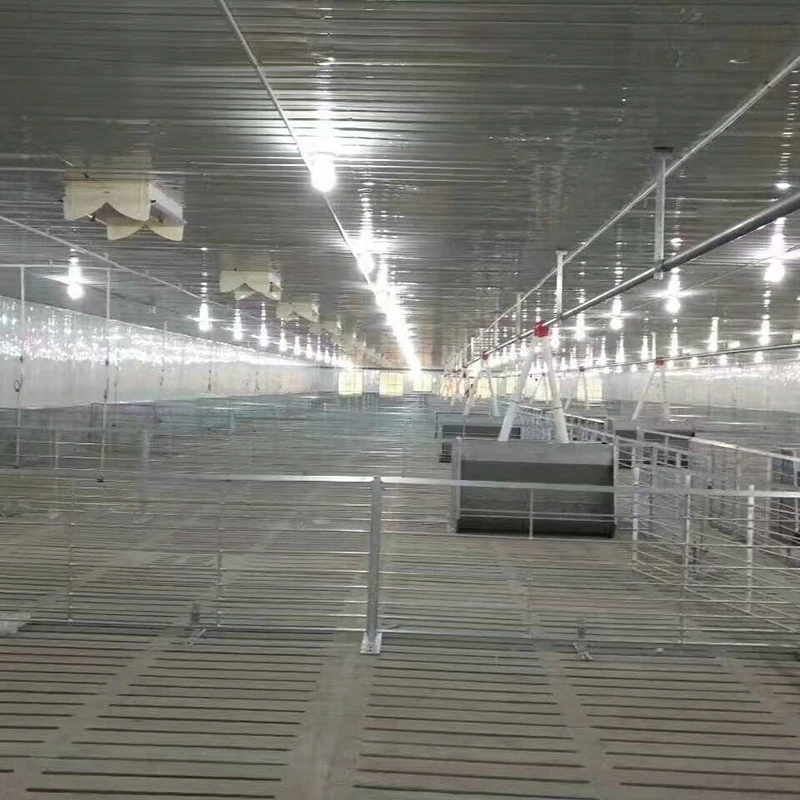
In North America, beef cattle producers often utilize large-scale automated feeding systems, integrating climate-controlled barns to improve growth rates. Meanwhile, in South America’s pampas, rugged fencing and sturdy water troughs are essential to cope with vast open ranges.
Post-disaster scenarios tell a different story. For instance, NGOs working after floods in Southeast Asia rely on portable cattle pens and mobile feeding stations to quickly reestablish livestock operations, preserving livelihoods when infrastructure is compromised. Remote industrial zones, like mining regions in Australia, combine durable equipment with solar-powered water pumps to keep herds thriving in isolated areas.
To Take Away
Beef cattle farm equipment isn’t just a toolset; it’s part of a dynamic ecosystem balancing economy, environment, and ethics. Its broad application underscores its importance from local farms to global markets.
Specification Snapshot: Typical Beef Cattle Farm Equipment
| Equipment Type | Material | Capacity/Size | Typical Lifespan | Common Use |
|---|---|---|---|---|
| Feeding Troughs | Galvanized Steel/Plastic | 3-5 cattle per unit | 8-10 years | Feeding & Nutrition |
| Handling Chutes | Steel Tubing | Fits up to 10 cattle | 15-20 years | Safe Animal Control |
| Water Troughs | UV-resistant Plastic | 50-100 liters | 5-7 years | Hydration & Health |
| Electric Fencing | Insulated Wire & Posts | Up to 3 km perimeter | 10-12 years | Herd Containment |
Choosing the Right Vendor: Comparative Overview
| Vendor | Product Range | Price Range | Shipping Regions | Customer Support |
|---|---|---|---|---|
| FarmEquip Pro | Comprehensive, includes automation | $$$ (premium) | North America, Europe | 24/7 Phone & Online |
| RanchTech Solutions | Focus on robust materials | $$ (mid-range) | Global | Email & Chat Support |
| AgriLivestock Gear | Basic to advanced range | $ (budget-friendly) | Asia, Africa | Limited hours, local languages |
Why Investing in Beef Cattle Farm Equipment Pays Off
Owning the right equipment touches every part of farm life. Better tools foster greater animal welfare, which leads to improved growth rates and meat quality. This translates into tangible financial returns. Plus, efficient equipment means saving time and reducing labor pains, which frankly is priceless on a busy farm. Not to mention that sustainability aspects come into play as well—fuel-saving tractors or solar-powered water pumps reduce environmental footprints, an increasingly important factor when regulations tighten.
On a personal note, farmers often talk about the confidence and peace of mind that comes with reliable equipment—knowing your cattle are safe, fed, and healthy feels like winning half the battle.
Looking Ahead: Innovations on the Horizon
The future of beef cattle farm equipment is bright, fueled by tech advances. From IoT sensors monitoring cattle health to drones managing fence inspections (yes, really), automation promises to redefine livestock care. Sustainable materials such as recycled composites are becoming more common, reducing environmental impact without compromising strength.
Digital platforms that integrate equipment usage data offer farmers unprecedented insights, enabling predictive maintenance and resource optimization. Imagine a feeding trough that not only dispenses food but signals when supplies run low, automatically ordering replenishments—some producers are already experimenting with this.
Common Challenges and Expert Solutions
Despite advances, issues remain. Harsh terrain can wear down equipment quickly; supply chain delays affect availability; upfront costs deter smaller farmers. Experts recommend modular systems for easy part replacement, incubator programs to reduce initial costs, and strong vendor partnerships to improve accessibility.
Training is another hurdle. Equipment sophistication means better performance but also the need for farmer education—something NGOs and local governments aim to address through workshops and digital tutorials.
FAQs About Beef Cattle Farm Equipment
- Q: What are the most essential pieces of beef cattle farm equipment for a beginner?
A: Start with sturdy feeding and watering equipment, durable fencing, and handling chutes. These basics ensure cattle health and safety while establishing solid management routines. - Q: How does automation improve beef cattle farming?
A: Automation reduces manual labor, enhances feeding precision, and offers real-time health monitoring, leading to higher productivity and lower stress for both farmers and animals. - Q: Are electric fences safe for cattle?
A: Yes, properly installed electric fences deliver a mild shock that trains cattle without causing harm, effectively containing herds and safeguarding pastures. - Q: Can beef cattle farm equipment be customized for different climates?
A: Absolutely. Materials and designs can be adapted for hot, cold, or humid environments—important for protecting equipment longevity and animal welfare. - Q: Where can I find affordable beef cattle equipment with reliable support?
A: Vendors like RanchTech Solutions and AgriLivestock Gear offer competitive pricing and global shipping options. Always check customer support options before purchasing.
Final Thoughts: Putting It All Together
Investing in quality beef cattle farm equipment is about more than just managing cattle—it’s about improving overall farm sustainability, animal welfare, and profitability. Whether you're a seasoned rancher or just starting, good equipment combined with smart practices creates a solid foundation for success.
Curious to explore the best tools tailored for your farm? Head over to beef cattle farm equipment specialists at CX Livestock. They offer a broad selection of innovative and trusted products designed to meet diverse needs worldwide.
Mini takeaway: Beef cattle farming thrives when tradition meets technology. The right equipment amplifies both, securing food systems and livelihoods alike.
References
Post time: Nov . 19, 2025