Understanding Plastic Slatted Floors for Poultry: A Modern Farming Essential
Plastic slatted floors for poultry might not be a household term, but in the global farming and livestock industry, they're transforming how poultry houses operate. From improving animal welfare to boosting sustainable farming efforts worldwide, these innovative flooring systems address critical problems faced by poultry farmers everywhere. Why does this matter? With the poultry industry producing roughly 120 million tons of meat annually (FAO, 2022), innovations such as plastic slatted flooring offer a smarter, cleaner, and more durable alternative to traditional options. Understanding them means stepping into the future of ethical and efficient poultry farming.
Global Context: Why Plastic Flooring for Poultry Is Gaining Traction
The livestock industry’s environmental footprint has long been under scrutiny. According to the United Nations Food and Agriculture Organization (FAO), livestock contributes about 14.5% of total global greenhouse gas emissions. Many poultry farms struggle with manure management, poor biosecurity, and flooring wear that leads to hygiene issues and animal health concerns. Plastic slatted floors for poultry aim to fix just these problems by offering an easier-to-clean, more durable surface that improves airflow and reduces ammonia buildup under poultry houses.
Interestingly, regions experiencing rapid poultry sector growth, such as Southeast Asia, parts of Africa, and South America, are adopting these systems rapidly. It's not just about scale but about managing disease risks, improving growth rates, and meeting international standards.
Mini takeaway: Plastic slatted floors respond directly to global challenges in poultry farming, from environmental impact to animal welfare.
What Exactly Is a Plastic Slatted Floor for Poultry?
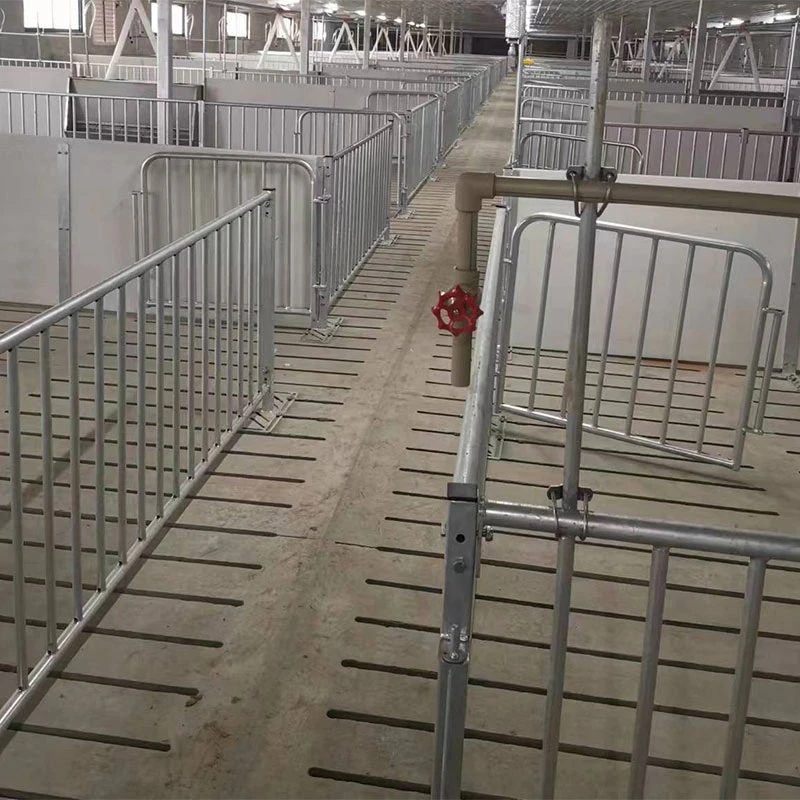
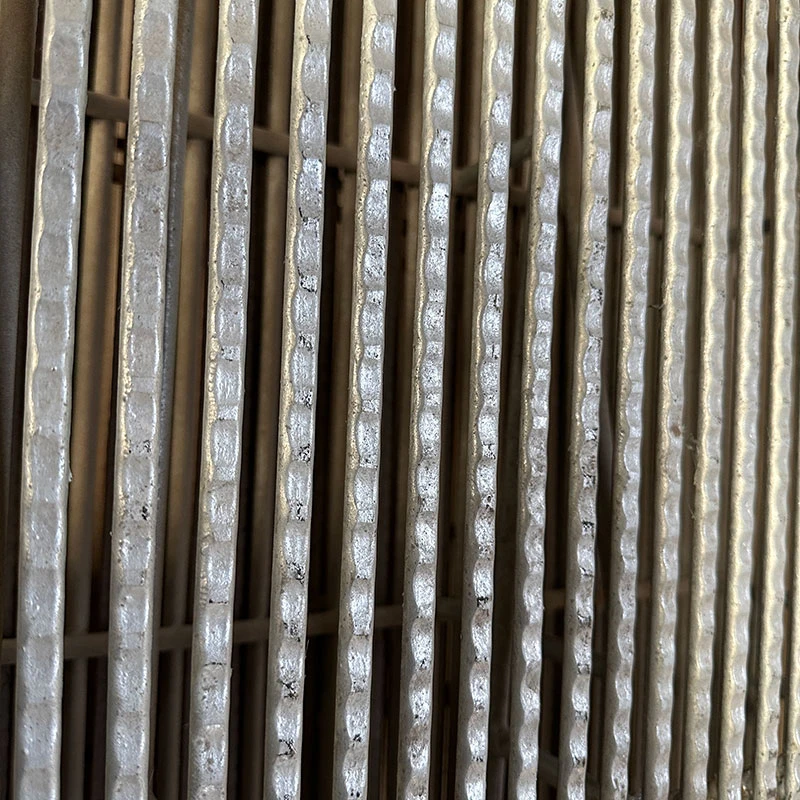
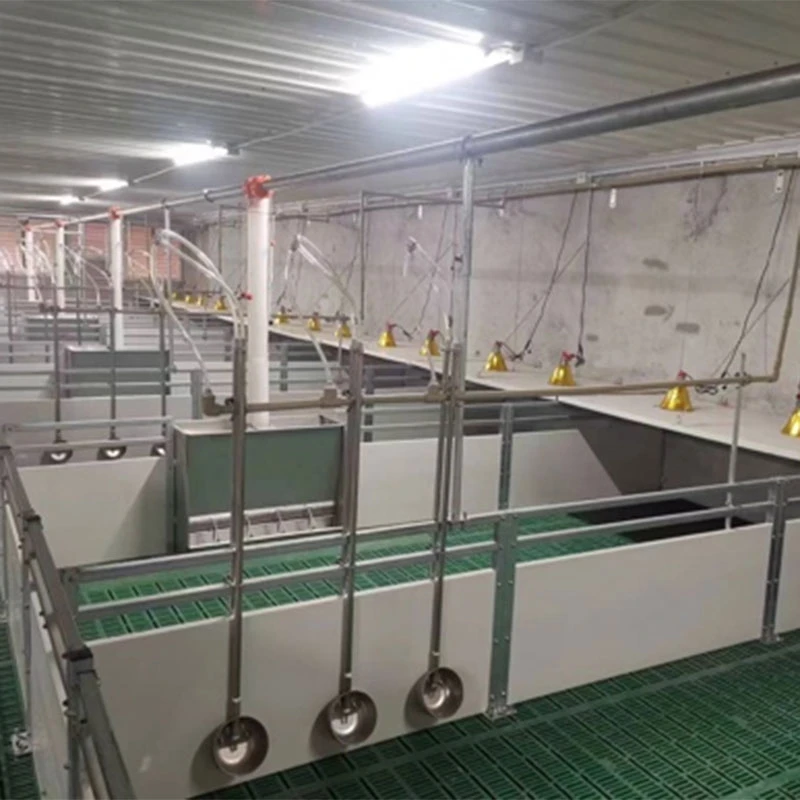
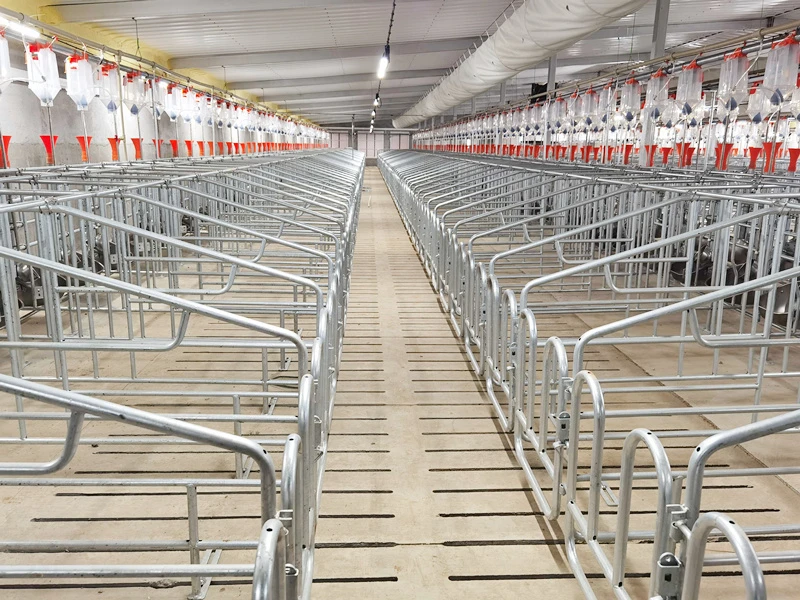
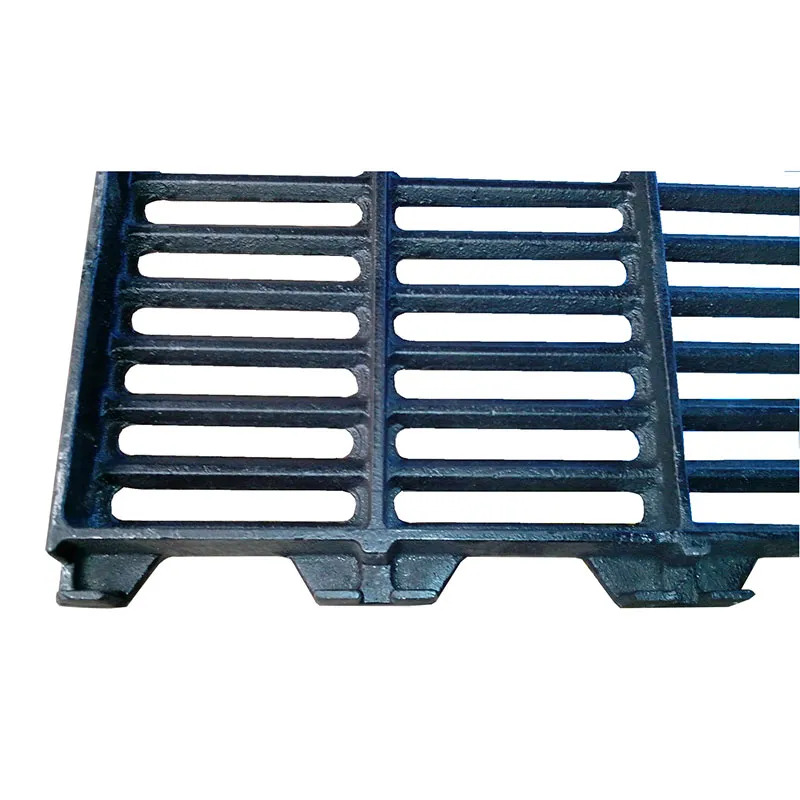
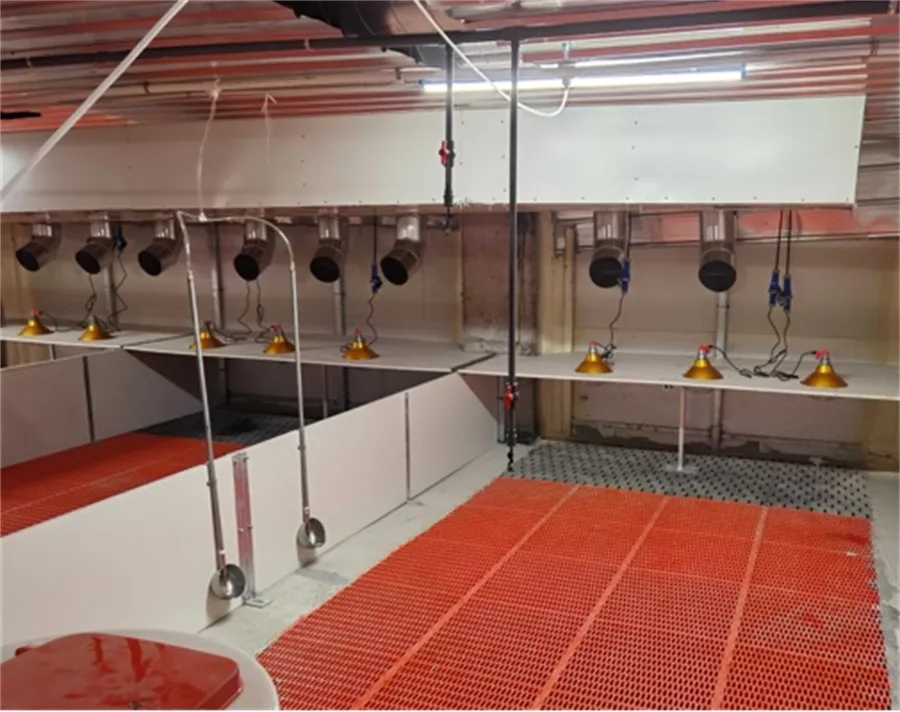
Simply put, a plastic slatted floor is a modular system of interlocking plastic panels with evenly spaced slats or slots, designed to replace traditional wooden or concrete poultry flooring. The slats allow poultry droppings to fall through into containment below, keeping the birds cleaner, drier, and healthier. The plastic composition resists rot, corrosion, and bacteria better than many traditional materials.
They tie into modern poultry farming as a way to meet increasing demands for productivity while maintaining hygiene and complying with stricter regulations. They also fit humanitarian and developmental needs — say in plastic slatted floor for poultry applications for rural farmers or aid organizations improving smallholder poultry production.
Key Features of Plastic Slatted Floors
1. Durability
Unlike wood or metal floors, plastic slatted floors don’t warp, splinter, or rust under poultry house conditions. This longevity means a better return on investment. They endure constant moisture and mechanical load, easily lasting years without major issues.
2. Hygiene & Biosecurity
The gaps in the slats allow manure to fall freely, reducing bird contact with droppings and lowering the risk of infections. Plastic’s non-porous surface also inhibits bacterial growth and simplifies cleaning routines.
3. Animal Welfare
Cleaner environments improve bird health — less ammonia buildup from trapped waste means fewer respiratory problems. Many farmers note better feed conversion ratios as a result.
4. Cost Efficiency
Though the initial outlay can be higher than traditional wood slats, reduced maintenance, fewer disease losses, and longevity pay off long-term. Plus, plastic doesn’t require pesticides or fungicides that wood might.
5. Installation & Scalability
These panels often snap together for custom layouts and easy replacement, which makes scaling operations or retrofitting existing poultry houses straightforward.
Real-World Applications and Who Benefits
In North America and Europe, high-tech poultry farms use plastic slatted floors as part of automated systems that collect manure and optimize climate controls. Their use improves compliance with stringent environmental laws.
In developing regions, NGOs utilize plastic slatted floors in small-scale setups to improve rural livelihoods and promote sustainable poultry production. For example, a poultry cooperative in Kenya reported significant drops in flock mortality after installing these systems (Livestock Research Journal, 2023).
Even in disaster relief or post-crisis zones, portable poultry units incorporating plastic slatted floor for poultry designs help quickly restore food security.
Advantages and Long-Term Value of Plastic Slatted Flooring
- Sustainability: Reduces need for chemical treatments and water wastage during cleaning.
- Animal welfare: Promotes healthier, less stressed flocks contributing to productivity.
- Labor savings: Easier cleaning reduces time and resources.
- Economic impact: Longevity decreases replacement costs, while enhanced hygiene lowers veterinary expenses.
- Emotional peace of mind: Farmers trust in creating safer environments for their birds, fostering dignity within the farming community.
Frankly, when you see the difference a clean, well-designed flooring system makes not only to flock health but also to the farmer's daily grind, it’s hard to go back.
Here’s a Quick Product Specification Overview
| Feature | Specification | Benefit |
|---|---|---|
| Material | High-density polypropylene (HDPP) | UV resistant, durable, lightweight |
| Dimensions per Panel | 600mm x 600mm x 25mm | Modular, easy customization |
| Max Load Capacity | 500 kg/m² | Supports heavy birds and activity |
| Slat Width & Spacing | 25mm wide slats; 12mm spacing | Optimal waste pass-through, bird comfort |
| Installation | Snap-fit with connectors | Quick setup, easy replacement |
Comparing Top Vendors Offering Plastic Slatted Flooring Solutions
| Vendor | Material Quality | Customization | Price Range | Global Availability |
|---|---|---|---|---|
| PoultryFloors Inc. | HD Polypropylene, UV Stabilized | High – custom sizes & colors | $$$ | North America, Europe |
| EcoSlat Solutions | Recycled Plastic Blend | Medium – fixed panel sizes | $$ | Asia, Africa, South America |
| AgriPlast Systems | Virgin Polypropylene | Low – standard panels only | $ | Global |
Looking Ahead: Trends and Innovations in Plastic Poultry Flooring
The future is all about smart farming integration. We’re seeing manufacturers embed antimicrobial additives in plastics to further reduce infection risks. Digital monitoring mats that sense moisture and ammonia levels beneath slatted floors are also emerging — a neat way to automate cleaning triggers and environmental control.
As sustainability gains traction, recycled plastics and biodegradable composites are under development. The goal is to reduce microplastic pollution while keeping durability intact.
Energy-efficient and solar-powered poultry houses combined with plastic slatted floors can help remote farms reach self-sustainability, blending innovation with community welfare.
Challenges and Practical Solutions
Plastic slatted floors aren’t perfect. They can be slippery if wet, presenting a hazard for birds. Experts suggest textured surfaces or non-slip coatings as fixes. Cost remains a barrier for some smallholders, but bulk purchasing and NGO subsidies have helped.
Also, improper installation or poor panel quality can cause sagging or breakage. Careful vendor selection and following manufacturer guidelines typically solve these problems.
FAQ: Your Top Questions on Plastic Slatted Floors for Poultry
- Q: How does a plastic slatted floor improve poultry health compared to wood?
- A: Plastic floors reduce bacteria buildup since they don’t absorb moisture or harbor fungi like wood. Their design allows waste to drop below, fostering drier, cleaner environments that enhance flock health.
- Q: Is the higher upfront cost justified in the long run?
- A: Yes, while initial expenses may exceed traditional flooring, the benefits include lower maintenance, fewer bird losses, and longer lifespan, generally making them more economical over 5–10 years.
- Q: Can I retrofit plastic slatted floors into existing poultry houses?
- A: Absolutely. Many systems are modular and designed for quick installation over existing bases, minimizing downtime and cost.
- Q: Are these floors environmentally friendly?
- A: Many are made from UV-stabilized, recyclable plastics. Newer products using recycled or biodegradable materials are in development to address sustainability concerns.
- Q: Where can small-scale farmers access quality plastic slatted flooring?
- A: Suppliers like those at plastic slatted floor for poultry specialize in options for all scales, often working with NGOs to facilitate affordable access.
Wrapping Up: Why Plastic Slatted Floors Matter for Poultry Farming’s Future
All told, plastic slatted floors represent much more than just a flooring choice. They’re a practical step toward cleaner, sustainable poultry farming that respects animal welfare and supports global food security. Whether you’re managing a commercial poultry plant or a smallholder flock in a developing country, these systems offer tangible value, durability, and peace of mind.
Thinking about upgrading or sourcing? Visit our website: https://www.cxlivestock.com for a range of innovative plastic slatted floor systems tailored to meet diverse poultry farming needs.
References
Post time: Dec . 02, 2025