Understanding Breeding Crates for Swine: Why They Matter
If you've ever peeked into a modern pig farm or read about swine husbandry, you’ve probably come across the term breeding crate for swine. At first, it might sound a bit technical or industrial — and it is — but these crates play a surprisingly important role globally. Beyond being just simple cages, these systems help ensure healthier animals, ethical breeding practices, and efficient farming on an ever-growing scale worldwide.
Why should you care? Well, with the world's population climbing steadily (the UN projects about 8.5 billion humans by 2030), the demand for pork — already one of the top proteins globally — is only increasing. Breeding crates allow farmers to optimize reproductive success while also managing animal welfare, impacting food security, economics, and sustainability. So understanding them isn’t just for vets or farmers; it ties into global issues of nutrition and environmental stewardship.
Global Context: The Growing Need for Modern Swine Breeding Solutions
To set the stage, pig meat accounts for about 36% of all meat produced worldwide (FAO Statistics). The largest producers — China, the EU, and the Americas — face tremendous pressure from population growth, climate change, and consumer demand shifts.
But here’s the challenge: traditional swine breeding approaches are often low-yield and can stress animals, affecting welfare and productivity. Enter the breeding crate for swine — a refined system designed to balance productivity with careful animal management. Organizations including ISO and the World Organisation for Animal Health (OIE) have underscored the importance of such technologies in delivering sustainable and ethical livestock production.
What Exactly Is a Breeding Crate for Swine?
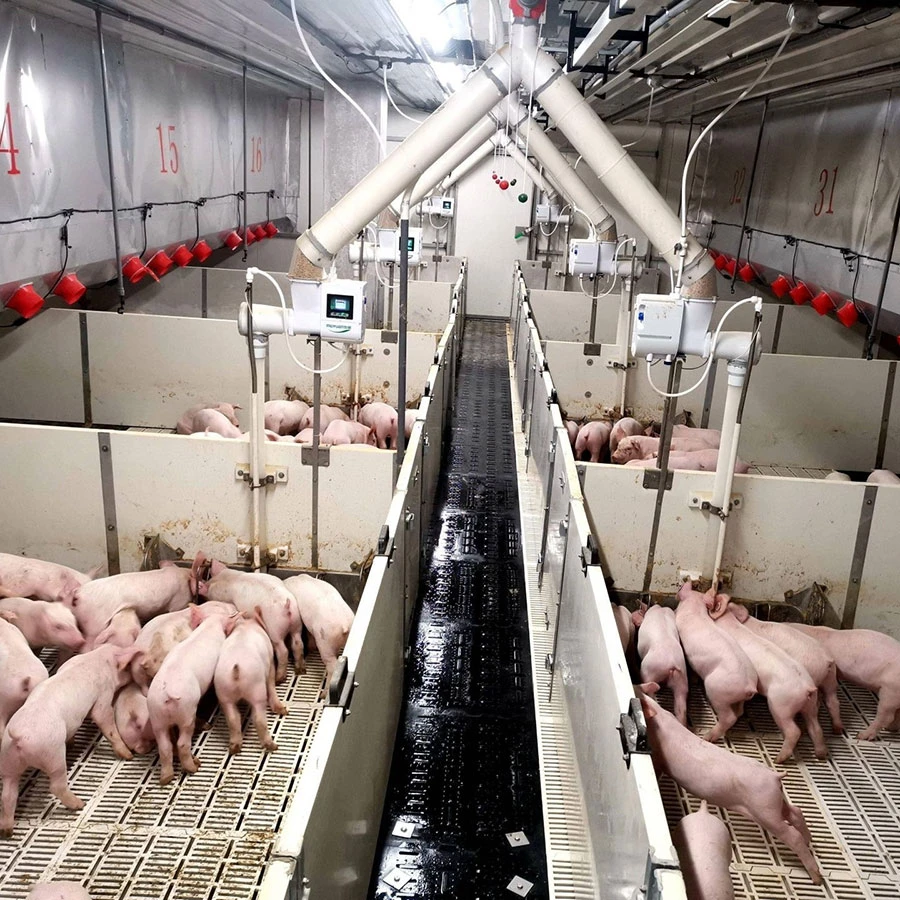
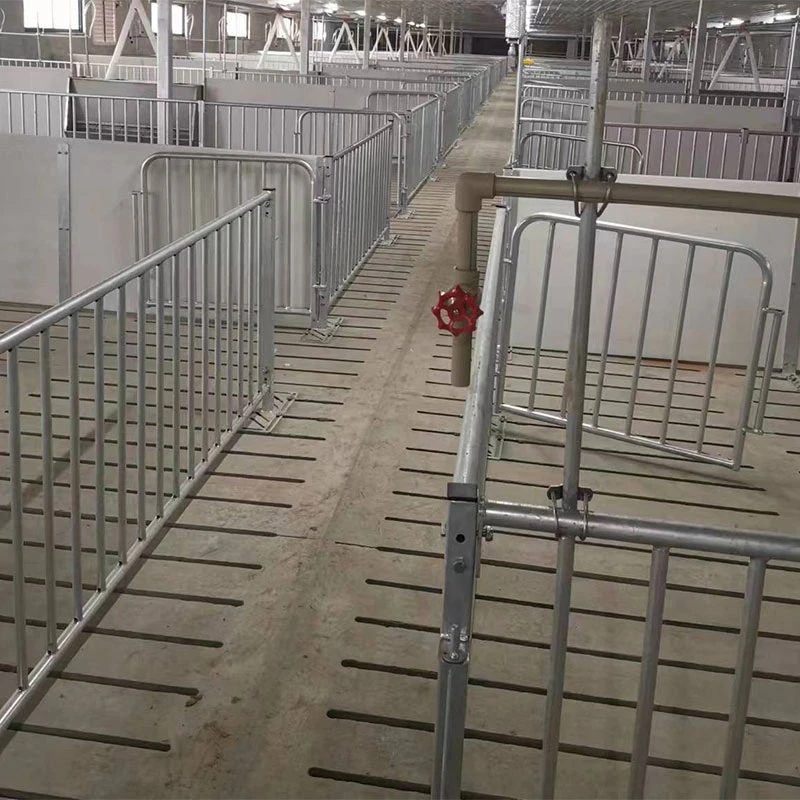
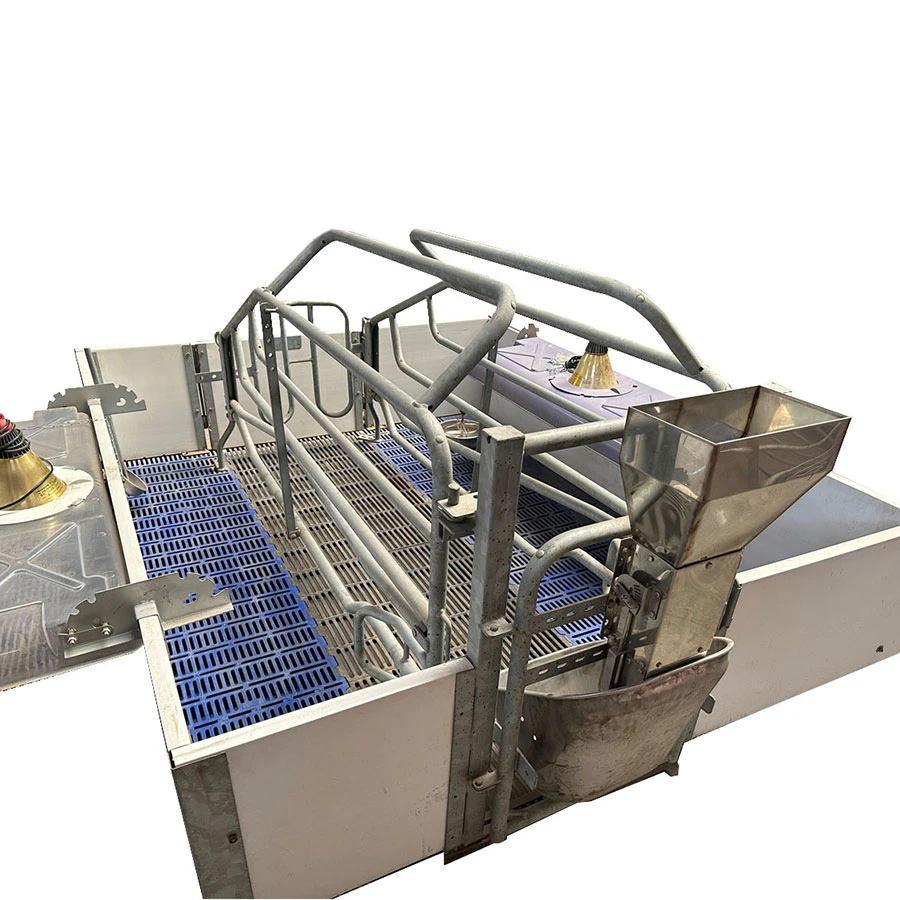
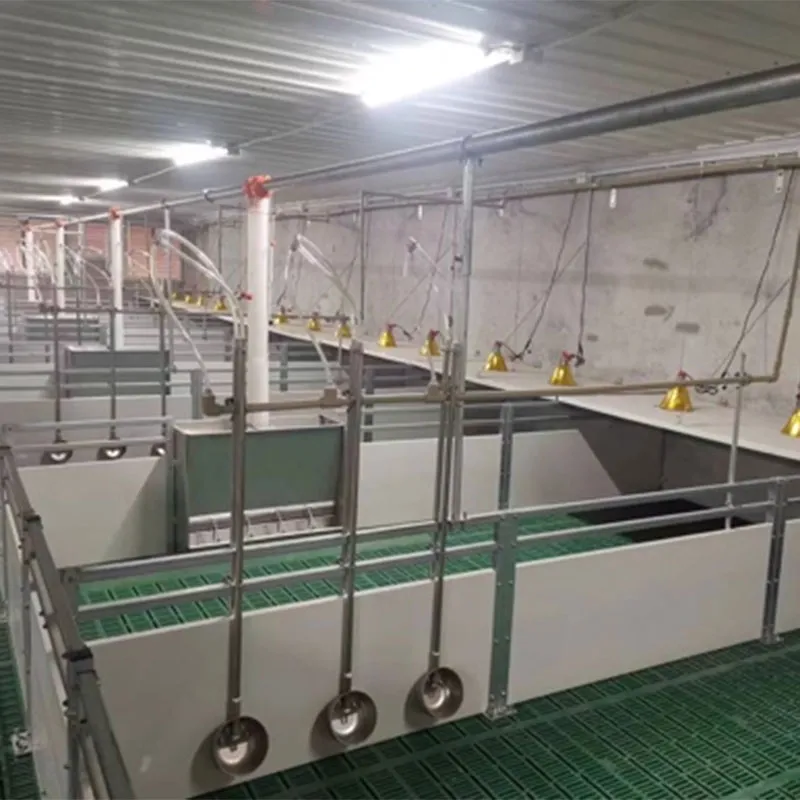
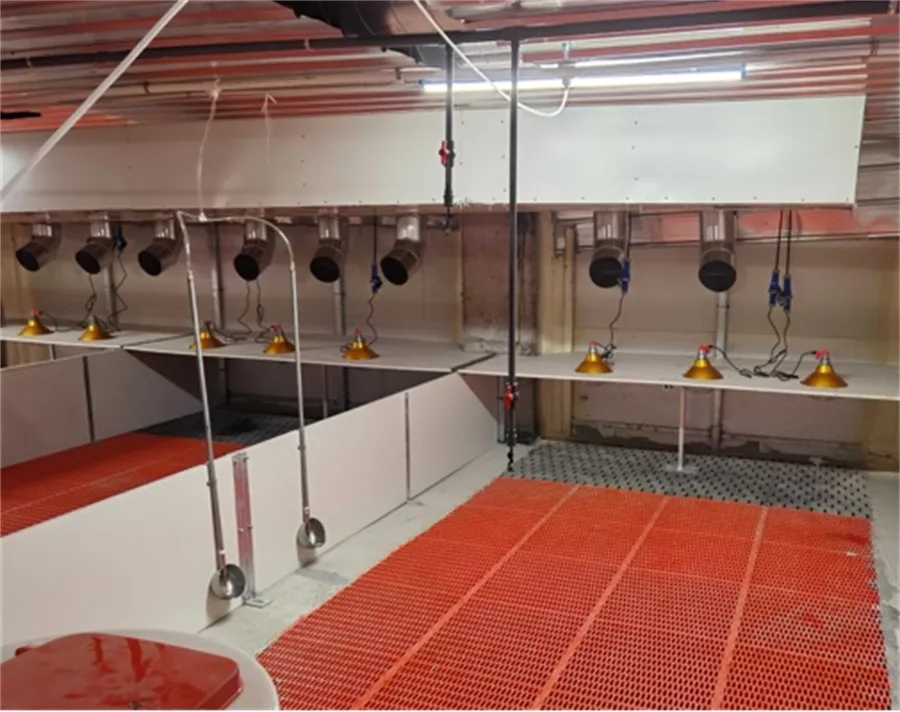
Basically, a breeding crate is a specialized enclosure where a sow (female pig) is housed during insemination and pregnancy phases. Unlike typical pens, these crates restrict the sow’s movement, which reduces aggressive behavior and injury risk during the vulnerable gestation period. While some may find this controversial, modern crates prioritize health monitoring, hygiene, and comfort — often incorporating innovations like adjustable sizing and padding.
In essence, it’s a technical solution born out of both biological needs and farming economics, designed to improve farrowing rates and piglet survival while providing farmers with better oversight.
Key Features That Define Effective Breeding Crates for Swine
1. Durability and Material Quality
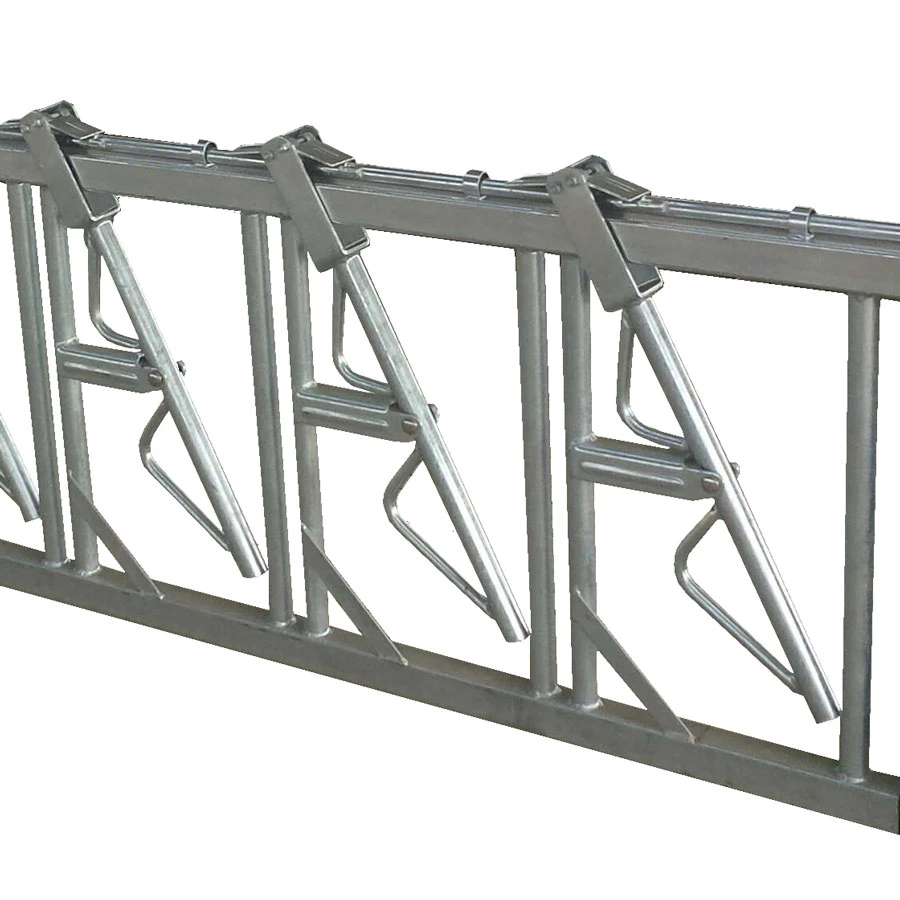
Crates are often made with galvanized steel or coated aluminum to resist rust and animal wear — because, frankly, sows can be surprisingly strong! Durability means less downtime for repairs, ensuring long-term use.
2. Animal Comfort and Welfare
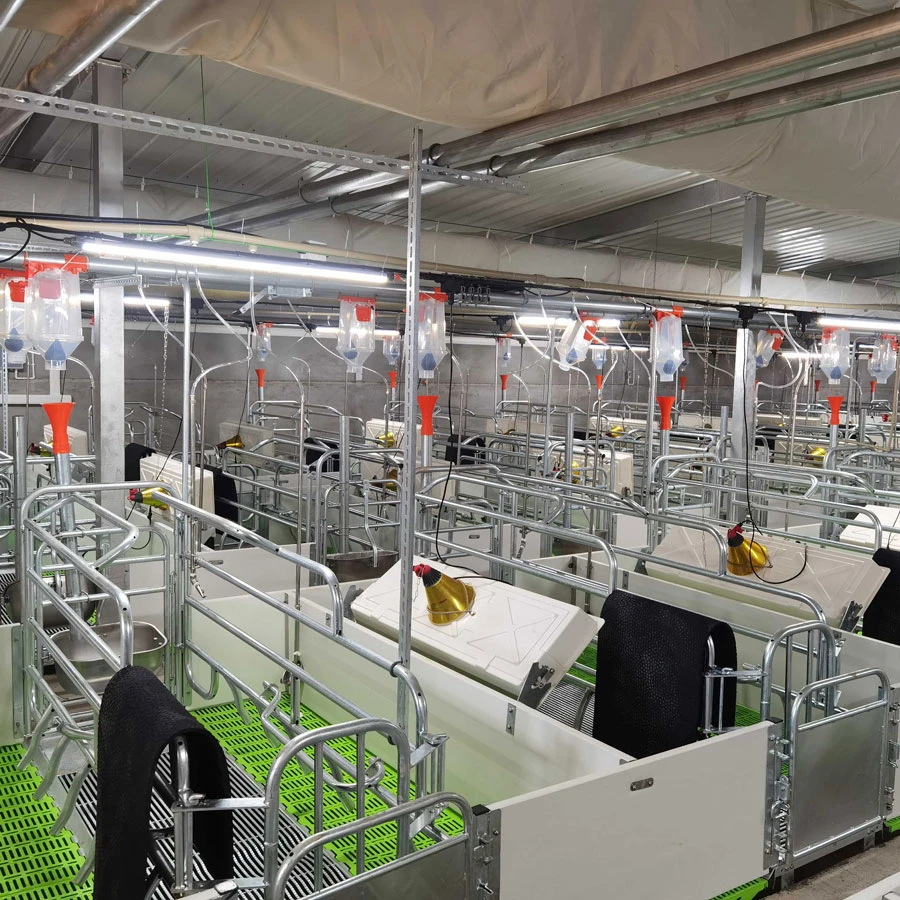
Beyond mere confinement, the best crates include well-thought flooring (like slatted or non-slip surfaces), ventilation, and room for natural movements to minimize stress.
3. Size Adjustability and Scalability
Sows vary in size, so adaptable crates can be adjusted to fit them better. Plus, scalability means farmers can expand the system easily when herd sizes grow.
4. Cost Efficiency
Initial investment aside, crates that optimize breeding efficiency reduce overall costs by lowering piglet mortality and improving sow health over time.
5. Hygiene and Maintenance
Easy-to-clean materials and designs reduce disease spread and labor costs — a big factor especially in larger operations.
How Breeding Crates Transform Farming Worldwide
From rural farms in Southeast Asia to large-scale operations in North America and Europe, breeding crates have varied but significant applications. In densely populated countries with limited farmland, such systems help maximize yield on smaller footprints.
For instance, agricultural cooperatives in the EU have integrated breeding crates with digital monitoring systems, boosting piglet survival rates by nearly 15%. Meanwhile, in Latin America, international NGOs have introduced modular breeding crates to smallholder farmers post-natural disasters to restart food production swiftly.
This adaptability makes breeding crates a quiet hero in global food supply chains, balancing tradition and innovation in real, impactful ways.
Advantages & Long-Term Value of Breeding Crates for Swine
- Improved Animal Welfare: Reduces injury and stress during pregnancy.
- Increased Productivity: Higher farrowing rates, better piglet survival.
- Cost Savings: Less vet intervention, optimized labor, and longevity of equipment.
- Sustainability: Efficient use of space and resources reduces farming footprint.
- Reliability: Consistent breeding outcomes give farmers financial and operational confidence.
And honestly, it's not just about numbers. Farmers often mention a sense of pride and trust when using systems that clearly benefit their animals and the environment.
Product Specification Table
| Feature | Specification | Benefit |
|---|---|---|
| Material | Galvanized Steel with epoxy coating | Rust-resistant, long-lasting |
| Dimensions | 2.1m L x 0.6m W x 1.1m H (adjustable) | Fits most sow sizes, scalable setup |
| Flooring Type | Slatted anti-slip plastic-coated flooring | Better hygiene & animal comfort |
| Weight Capacity | Up to 350 kg per crate | Supports large sows safely |
| Installation | Modular bolt-on assembly | Quick setup, easy relocation |
Comparing Leading Breeding Crate Vendors
| Vendor | Material Quality | Customization Options | Price Range | Global Reach |
|---|---|---|---|---|
| PigSafe Solutions | High-grade galvanized steel | Adjustable sizes, flooring types | $$$ (premium) | Europe, Asia, North America |
| EcoSwine Equipment | Recycled metals & plastics | Limited customization | $$ (mid-range) | South America, Africa |
| GlobalBarn Systems | Stainless steel with anti-corrosive coating | Fully bespoke options | $$$$ (high-end) | Worldwide |
Looking Ahead: Future Trends in Swine Breeding Systems
Oddly enough, breeding crates, a concept decades old, are becoming “smarter” with IoT sensors that track sow health in real-time — measuring temperature, movement, and feeding habits without disturbing the animals. Automation paired with AI could soon predict farrowing times, improving care and outcomes.
Moreover, the push for sustainability means materials will go greener — imagine crates made from bioplastics or recycled composites that reduce carbon footprints. Researchers also explore modular designs enabling quick resizing or relocation as farm needs evolve. These innovations mesh with global policy trends encouraging humane, sustainable livestock systems.
Common Challenges and How to Overcome Them
Despite the benefits, breeding crates face criticism regarding animal welfare, especially if poorly maintained or oversized. Some regions struggle with upfront costs or lack access to quality materials.
Experts suggest that adopting more flexible, welfare-oriented designs alongside farmer training programs helps strike a better balance. Also, financial incentives backed by government or NGO grants can ease initial cash flow burdens for smaller farmers.
FAQ: Your Most Common Questions About Breeding Crates for Swine
Q: Are breeding crates humane for sows?
A: When designed and managed properly, breeding crates prioritize sow safety, minimizing fighting injuries and stress during gestation. Modern crates incorporate padding and ventilation, addressing welfare concerns. Still, ongoing debate prompts research into alternative systems like free-farrowing pens.
Q: How long does a typical breeding crate last?
A: With quality materials and routine maintenance, breeding crates can remain functional for 10-15 years, sometimes longer. Corrosion-resistant coatings and modular construction ease repairs, extending lifespan.
Q: Can small farmers afford breeding crates?
A: Cost is admittedly a barrier. However, modular designs reduce initial investment, and some vendors offer financing options. Plus, improved productivity often offsets the upfront cost over time.
Q: How are breeding crates cleaned effectively?
A: Features like slatted floors and stainless surfaces help waste drainage and reduce pathogens. High-pressure washing combined with disinfectants between uses is industry standard.
Q: Can breeding crates be customized for different breeds?
A: Absolutely. Adjustable widths and lengths accommodate various sow sizes, ensuring comfort and safety across breeds.
Wrapping Up: Why Breeding Crates Continue to Shape Sustainable Swine Farming
At the intersection of animal care, technology, and global food demand, breeding crates for swine quietly but powerfully influence how pork reaches our tables. They’re a testament to how thoughtful design can solve complex challenges — supporting farmers, improving animal welfare, and ultimately feeding billions more responsibly.
Curious to explore the latest in breeding crate technology? Visit our website for detailed product info and expert support: breeding crate for swine.
Mini takeaway:
Breeding crates may seem niche, but they’re a vital piece in the puzzle of sustainable livestock farming. With advances in materials, design, and smart tech, they’re poised to keep evolving alongside global needs.
References
Post time: Dec . 02, 2025