Bulk Feed Bin: Why it Matters Now More Than Ever
At its core, a bulk feed bin is a storage vessel — straightforward, right? But when you zoom out and consider global agriculture challenges, supply chain disruptions, and the increasing need for sustainable farming, these bins are quietly revolutionizing food security worldwide. They help large-scale farms and livestock operations store, protect, and efficiently distribute animal feed, often in remote or challenging environments.
Understanding bulk feed bins is more than just knowing the metal or plastic container your feed sits in. They are linchpins in global food supply networks, reducing waste, improving animal health, and ultimately fostering resilience in communities dependent on livestock. So, it’s worth unpacking why these unassuming structures deserve our attention.
Global Landscape: Bulk Feed Bins and Food Security
Worldwide, agriculture remains the backbone for over 40% of the global population economically, according to the World Bank. Livestock farming specifically contributes to this livelihood, especially in developing regions. However, feed spoilage, contamination, and inefficient handling are among the top challenges faced by farmers, leading to huge losses annually.
A well-designed bulk feed bin addresses these pain points by ensuring feed is stored safely from rodents, moisture, and weather. According to the FAO, nearly one-third of all food produced globally is lost or wasted — imagine how many animals go unfed because of that. So, it’s no surprise that industries and NGOs alike are investing more in feed storage solutions as a critical step toward sustainable agriculture.
That’s not to say it’s just for industrial farms. Smallholders and cooperative farms find value in bulk storage, especially where infrastructural challenges mean supply chains are fragile. If you think about remote communities in sub-Saharan Africa or Southeast Asia, reliable feed storage can mean the difference between thriving herds or empty stomachs.
Mini takeaway: Bulk feed bins are quietly underpinning global food security efforts — from mega farms in Iowa to small herders in Kenya.
What Exactly is a Bulk Feed Bin?
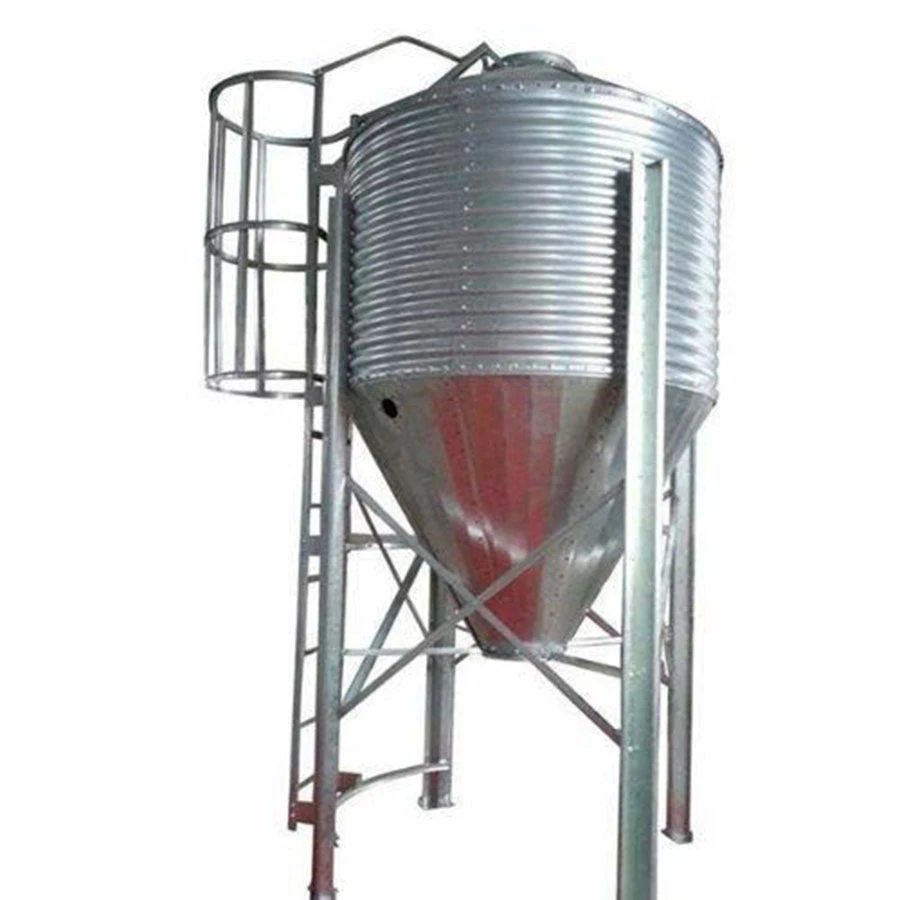
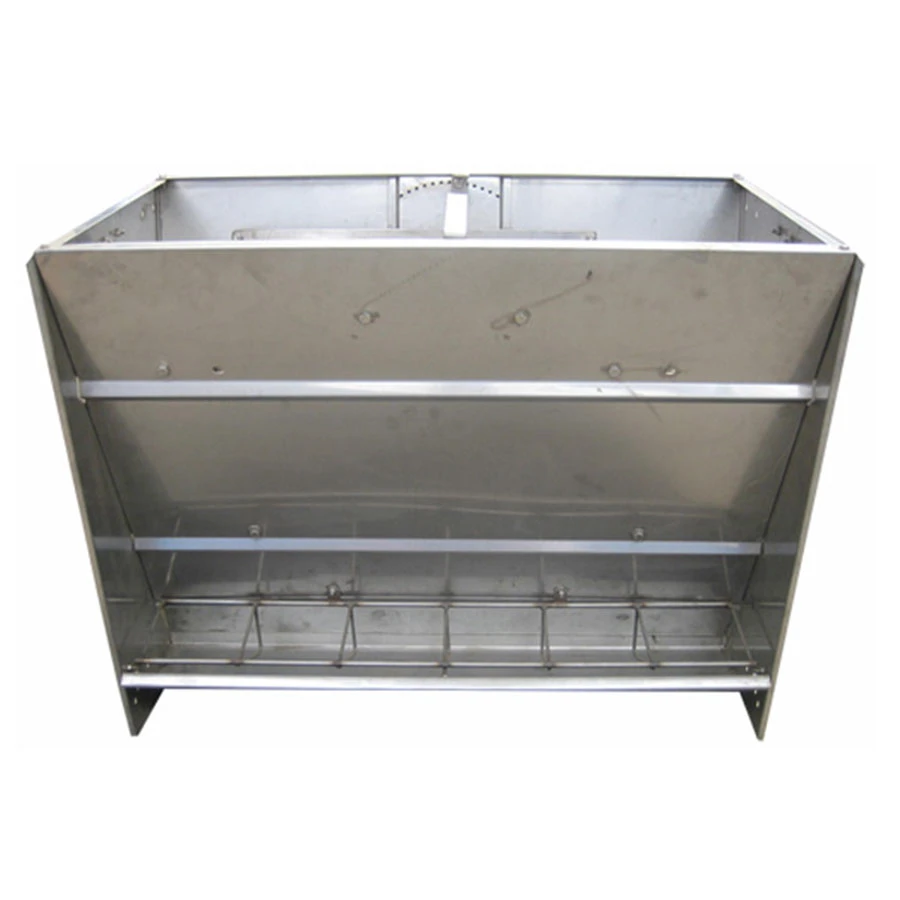
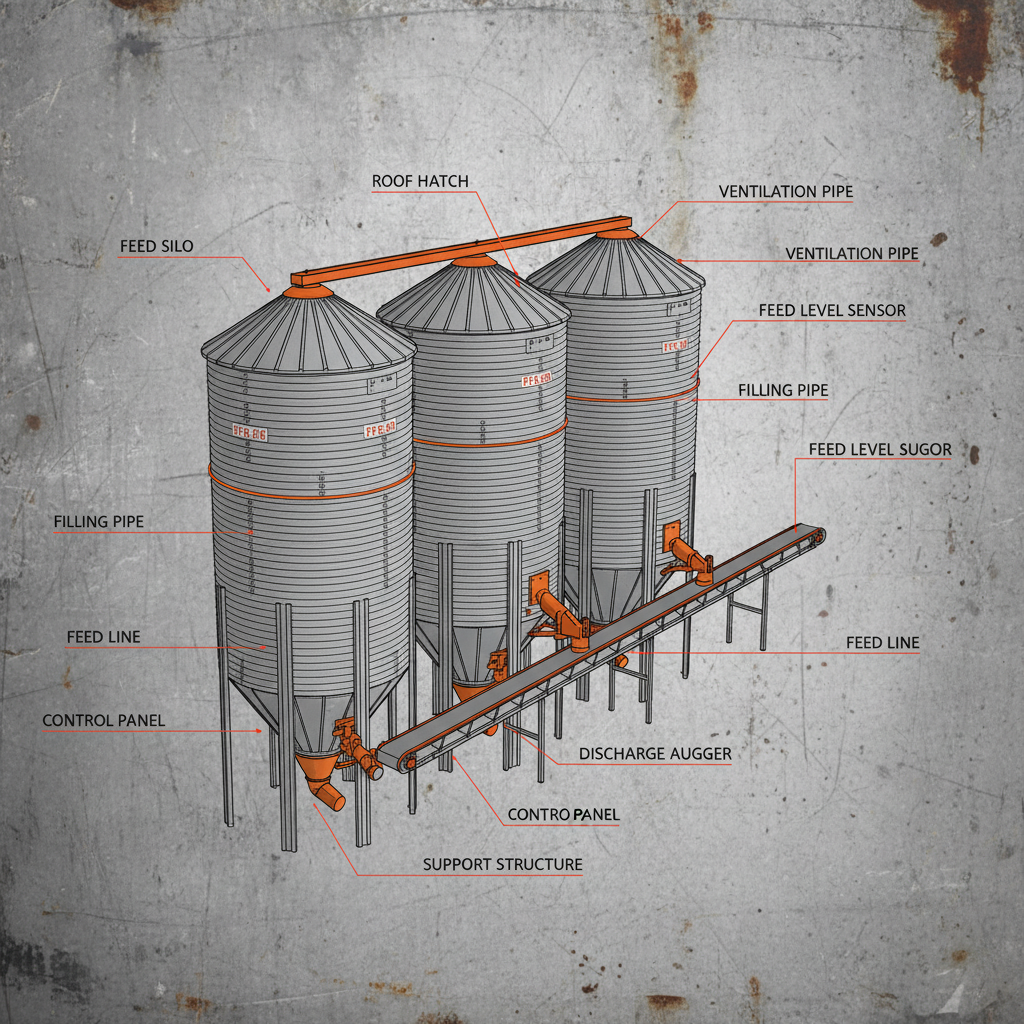
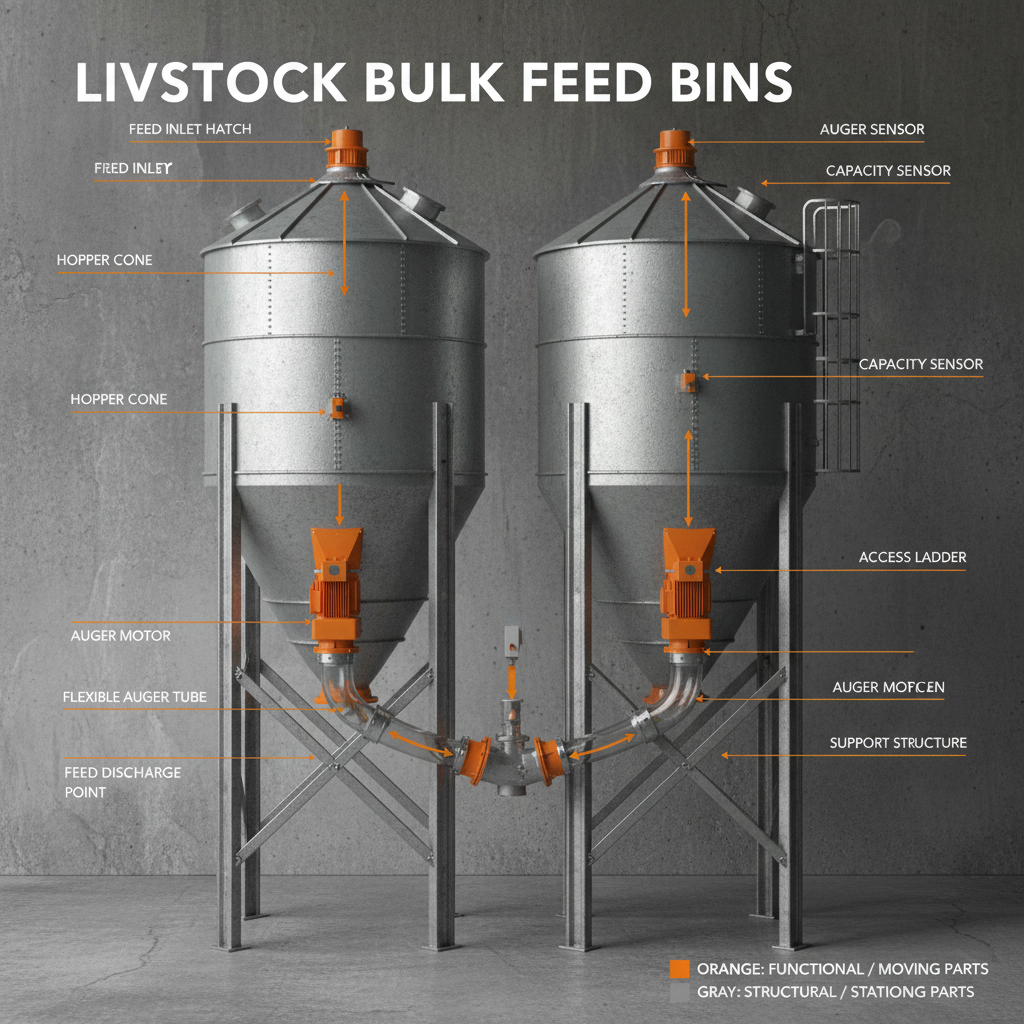
Simply put, a bulk feed bin is a large container designed to store animal feed, keeping it dry, clean, and free from pests until it’s ready to be used. They come in all sizes, materials, and shapes but typically feature components like a funnel-shaped bottom for easy discharge and a sealed lid to guard from contamination.
These bins are a modern evolution of traditional feed storage — think of old wooden silos or open sacks — but with advanced materials and design features optimized for durability and hygiene. Their relevance today extends beyond just farms; humanitarian initiatives, disaster relief, and remote industrial zones deploy them to ensure livestock feeding continues uninterrupted.
Key Features That Make Bulk Feed Bins Work
Durability
Whether steel, galvanized metal, or UV-resistant plastics, good bulk feed bins have to last. The outdoor environment isn’t forgiving, and feed waste due to rust or cracks means lost money. Many manufacturers use powder coating or polymer liners to extend lifespan.
Scalability & Size
Bins range from a few hundred kilograms to multiple tons of feed. This scalability means small farms can have something straightforward while large operations use massive, automated setups. Some models even allow connections to conveyors or pneumatic systems for bulk handling.
Ease of Access & Discharge
Many bins feature angled bottoms with automated or manual gates, ensuring feed flow without clogging. In practice, this improves feeding efficiency daily — a big deal when managing dozens or hundreds of animals.
Cost Efficiency
It might seem basic, but initial bin purchase and maintenance costs must track with farm budgets. Well-designed bins reduce feed spoilage and manual labor needs, so farmers see a return over time.
Environmental Protection
Bins that prevent rodent access, moisture ingress, and UV damage protect feed quality longer, reducing waste and environmental impact. Plus, newer materials are often recyclable.
Quick Summary: Bulk feed bins are engineered for durability, flexible sizing, ease of use, and long-term cost and environmental benefits.
Where and How Are Bulk Feed Bins Used Globally?
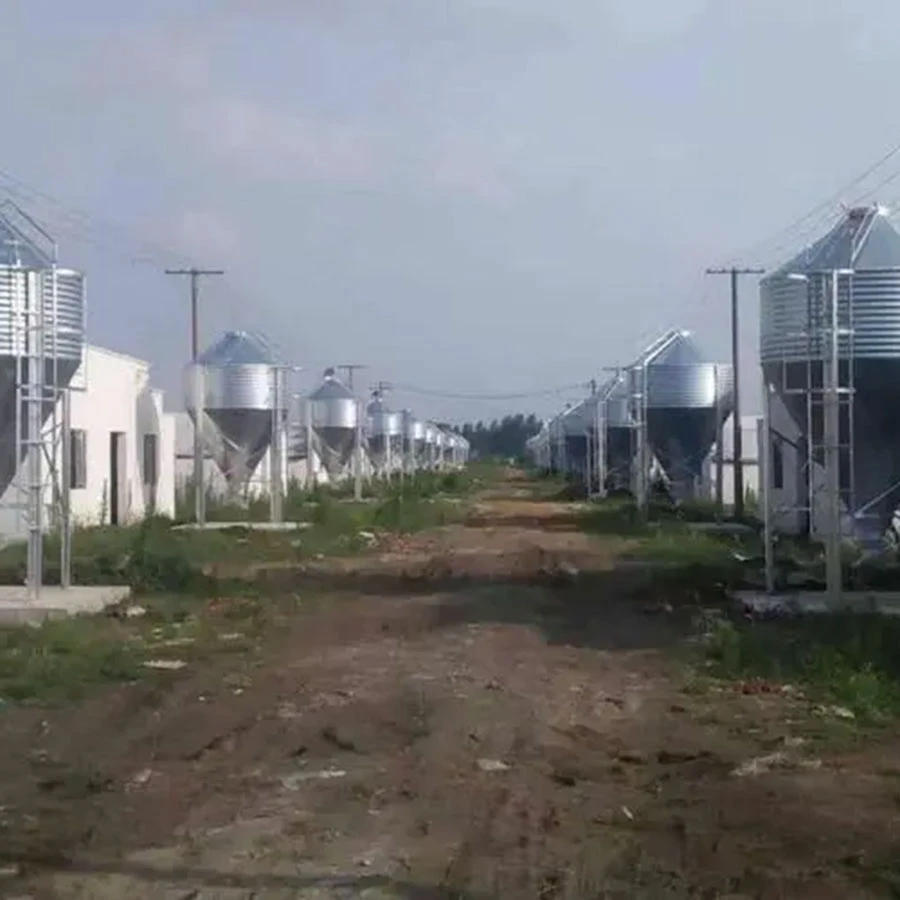
From the vast wheat fields of the American Midwest to the arid plains of Australia and the fields of rural India, bulk feed bins serve numerous sectors:
- Commercial livestock farms: beef, dairy, poultry, and swine operations rely on bins for daily feed distribution.
- Feed mills and cooperatives: that sell or supply feed in bulk to surrounding farmers.
- Humanitarian aid operations: feeding programs after natural disasters often need temporary feed storage to support livestock.
- Remote industrial sites: mining or logging camps with livestock for food security use bins to ensure continuous feed supply.
For example, in regions prone to flooding, waterproof feed bins can prevent spoilage during heavy rains—critical for maintaining herd health. The UN reports growing interest in storage technologies to decrease post-harvest losses (1).
Mini takeaway: Bulk feed bins are vital tools across diverse climates and sectors, connecting producers to reliable nutrition delivery.
Advantages and Long-Term Value of Bulk Feed Bins
Maybe the most obvious benefit is reduced feed loss — but there’s so much more:
- Financial savings: less spoilage means more feed converted to animal growth.
- Animal health improvements: contamination-free feed helps reduce disease risk.
- Environmental sustainability: minimizing waste lowers methane and CO2 emissions related to animal farming.
- Operational consistency: feeding cycles become smoother and less labor-intensive.
- Community impact: farms that maintain reliable feed stores often support local economies and food networks.
On an emotional level, knowing your livestock are safe and fed through good storage feels like peace of mind — something farmers treasure deeply, especially with unpredictable weather or market swings.
Product Specification Table: Typical Bulk Feed Bin Features
| Feature | Specification | Benefit |
|---|---|---|
| Capacity | 500 kg – 10,000 kg | Fits small-scale to industrial operations |
| Material | Galvanized steel or UV-stabilized plastic | Durable and weather resistant |
| Discharge System | Manual gate or automatic screw conveyor | Effortless feed flow control |
| Pest Protection | Sealed lids and rodent-proof vents | Prevents contamination and feed loss |
| Portability | Fixed or skid-mounted options | Suitable for permanent or temporary setups |
Vendor Comparison: Choosing the Right Bulk Feed Bin Supplier
| Vendor | Material Options | Price Range (USD) | Customization | Warranty |
|---|---|---|---|---|
| AgriStore Co. | Galvanized steel, Plastic | $1,200 - $12,000 | Size and lid style | 5 years |
| Farm Equip Solutions | Steel only | $900 - $10,500 | Discharge system | 3 years |
| LivestockTech | Plastic only (UV resistant) | $1,500 - $14,000 | Color and mobility | 7 years |
What Lies Ahead: Trends and Innovations in Bulk Feed Storage
Innovation in this field might not get the spotlight, but it’s happening. We're seeing:
- Smart feed bins integrated with IoT sensors to monitor feed levels and quality remotely.
- Eco-friendly materials: bio-based plastics and recycled metals to reduce carbon footprints.
- Modular and portable systems: for rapid deployment in disaster zones.
- Automation linkages: bins that automatically dispense feed, reducing labor and error.
One interesting pilot program in Australia installs solar-powered feed bins equipped with sensors in remote cattle stations — a neat mix of sustainability and tech keeping animals fed even in the middle of nowhere.
Common Challenges and How to Overcome Them
Of course, bulk feed bins aren’t a silver bullet. Some of the common hurdles include:
- Initial cost for smallholders: upfront investment may seem steep but payback occurs over time.
- Maintenance requirements: bins need regular inspection for pests or corrosion.
- Limited accessibility in some regions: logistics can be costly for remote farms.
Possible solutions involve flexible financing programs for farmers, robust supplier networks, and training to maintain bins effectively. Many extension programs now include bulk feed bin education, which is a step in the right direction.
FAQ: Your Questions About Bulk Feed Bins Answered
1. What size bulk feed bin do I need for a medium-sized cattle farm?
The ideal size depends on your herd size and feeding frequency, but generally, a capacity between 2,000 to 5,000 kilograms suits medium operations. It ensures enough storage between deliveries without overstocking, which could risk spoilage.
2. Are plastic feed bins durable enough for outdoor use?
Yes, many plastic bins are UV-stabilized and weather-resistant, designed to handle outdoor conditions for years without cracking or degrading. They also tend to be lighter and easier to move than steel alternatives.
3. How do bulk feed bins help reduce waste?
By protecting feed from moisture, pests, and contamination, these bins prevent spoilage and loss. Also, controlled discharge features help regulate feed dispensing, reducing accidental spillage during feeding.
4. Can bulk feed bins be used in disaster relief scenarios?
Absolutely. Portable or modular bins provide critical storage for feed distribution in emergency settings. Their durability and ease of setup mean they support livestock health even when infrastructure is compromised.
5. How do I clean and maintain a bulk feed bin?
Routine cleaning involves emptying the bin, removing debris, and washing with water (sometimes mild detergent if needed). It's important to check for cracks, rust, or pest entry points and repair promptly to maintain feed quality.
Conclusion: Why Bulk Feed Bins Deserve a Spot on Your Farm
Long-term, investing in a good-quality bulk feed bin can pay dividends beyond just storage. It safeguards your feed investment, improves animal health, and strengthens your farm’s resilience to supply disruptions. From industrial mega farms to smaller, off-grid operations, these storage solutions are quietly transforming the way we think about livestock nutrition and food security.
Curious to see what’s right for your needs? Visit our site to explore the latest in bulk feed bin options tailored to your unique situation.
References
- Food and Agriculture Organization of the United Nations (FAO). “Food Loss and Waste.” https://www.fao.org/food-loss-and-food-waste/en/
- World Bank, Agriculture Overview. https://www.worldbank.org/en/topic/agriculture/overview
- ISO, Livestock Feed Storage Standards. https://www.iso.org/standard/6936.html
Post time: Dec . 02, 2025