Pig Feed Silo In Pig Farming Equipment: what to know before you buy
If you’re scanning the market for bulk feed bins for sale, here’s the short version: durability, flow reliability, and sensor-ready automation now matter as much as raw capacity. The longer version (and the one I learned visiting farms from Hebei to the Midwest) is that small choices—cone angle, zinc coating, outlet hardware—make or break daily operations.
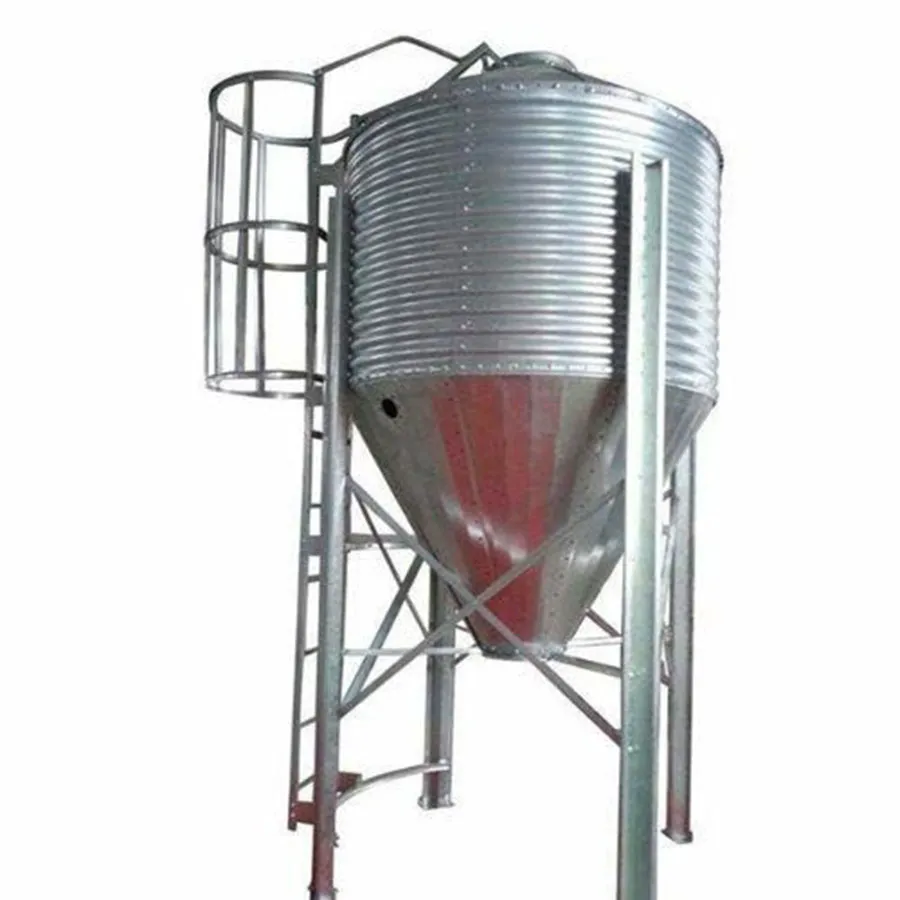
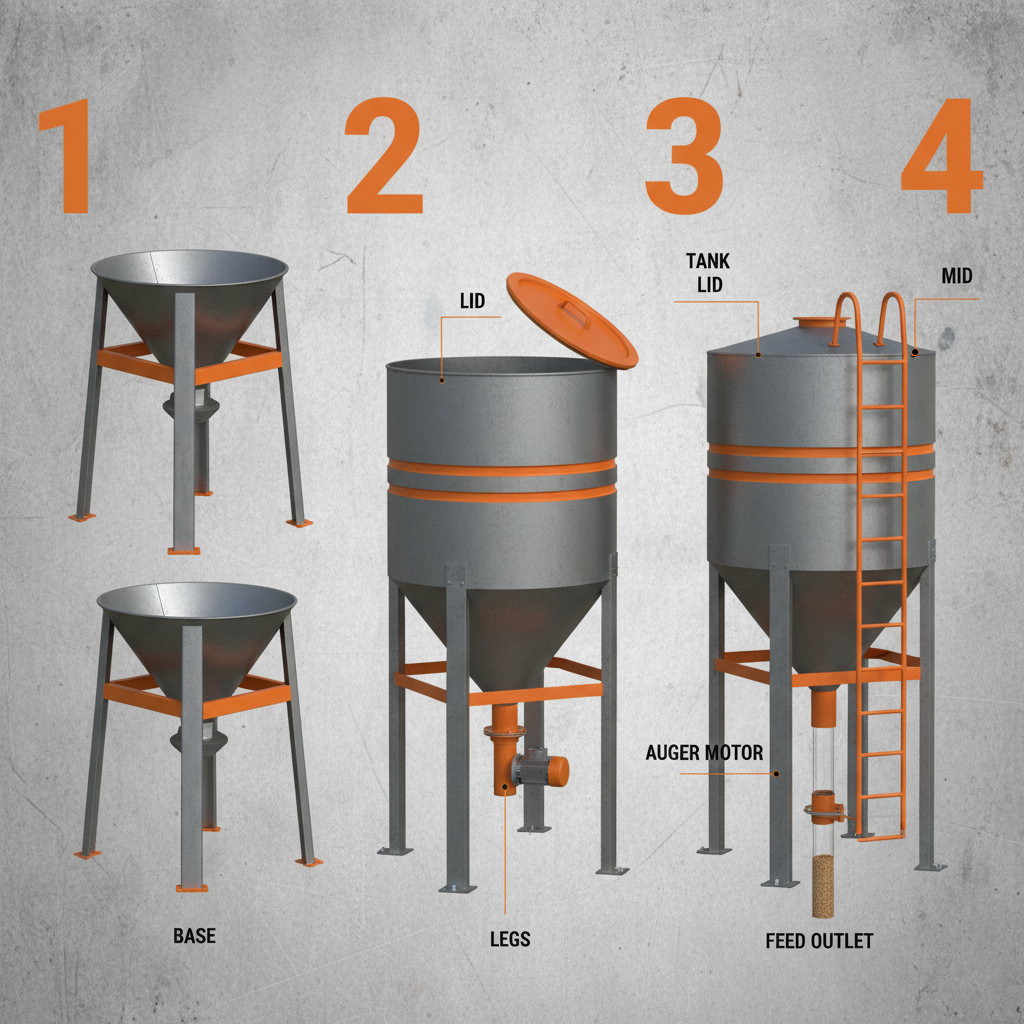
This model, Pig Feed Silo In Pig Farming Equipment, is made in Dongtai Road, Economic and Technological Development Zone, Huanghua City, Hebei Province, China. It’s designed for dry powders and granular feed, working with augers to deliver ration to crates, pens, and stalls. Trends? Heavier galvanization (Z350–Z450 in harsher climates), sealed seams with EPDM, and plug-and-play level sensors. Honestly, the quiet trend is labor reduction—automated refill cycles are saving hours per week on mid-sized pig farms.
Quick specs (real-world, not brochure fluff)
| Material | Pre-galvanized steel DX51D, zinc coat ≈ Z275–Z450 (ASTM A653 G90–G165 / ISO 1461 ref.) |
| Common capacities | 5–30 m³ (≈ 3.6–22 tons, feed density dependent; real-world use may vary) |
| Cone angle / outlet | 60–67° cone; 4–6" outlet with slide gate; anti-bridging inserts optional |
| Integration | Screw/chain augers Ø75–114 mm; capacitive or mechanical level sensors |
| Coating checks | Zinc thickness spot-checked; salt spray indicators ≈ 240–480 h (lab data, indicative) |
| Service life | ≈ 10–15 years typical; coastal/high-ammonia sites choose higher Z-coat |
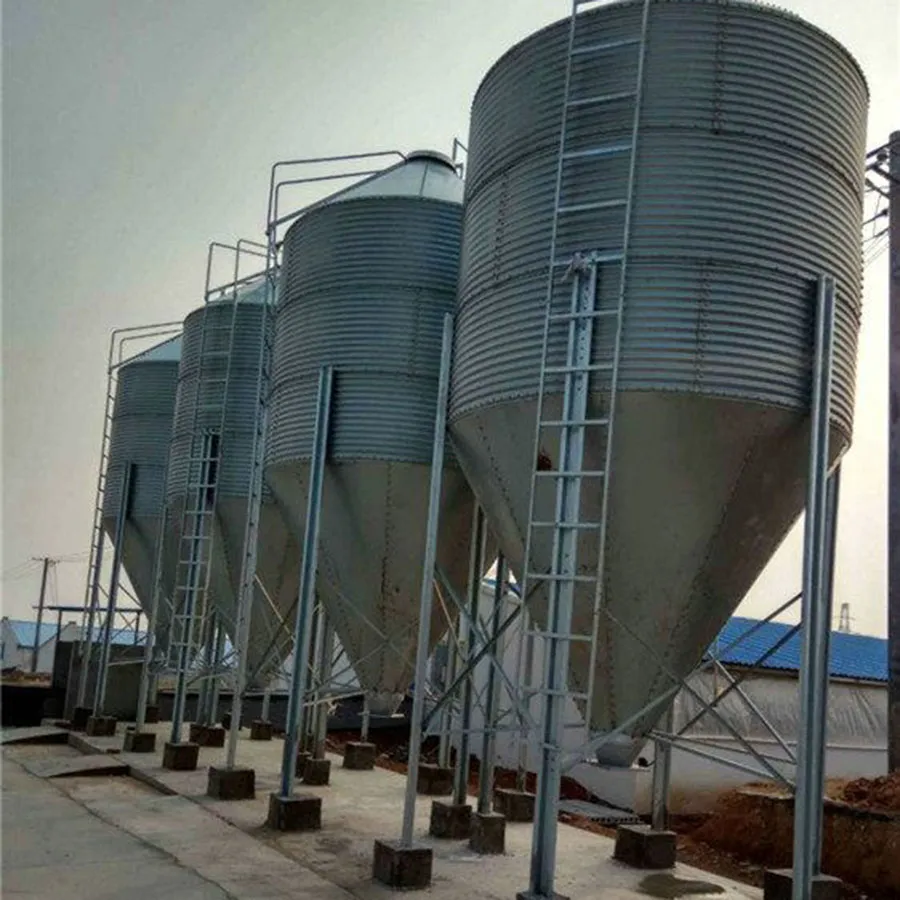
How it’s built (materials, methods, testing)
- Materials: DX51D galvanized coil; frame steel Q235; EPDM gaskets; grade 8.8 fasteners.
- Methods: coil slitting, CNC punching, roll-forming ribs, conical press-forming, bolted assembly with sealant.
- Testing: bolt torque checks (ISO 898-1 refs), coating thickness gauges, leak tests on seams, spot flatness, and auger fitment trials.
- Standards referenced: ISO 1461, ASTM A653 for sheet; ASABE EP433 for loads on bins; ISO 9001 quality system at plant.
Use cases range from farrow-to-finish complexes to contract grower sites, plus poultry yards and small feed mills. Many customers say the biggest surprise is fewer bridging incidents after switching to a steeper cone—sounds simple, but it helps.
Vendor snapshot (always compare apples to apples)
| Vendor | Material/Coating | Capacities | Lead time | Sensors | Warranty |
|---|---|---|---|---|---|
| Pig Feed Silo In Pig Farming Equipment | DX51D, Z275–Z450 options | 5–30 m³ | ≈ 3–6 weeks | Capacitive/mech, load cells optional | 12–24 months (typical) |
| Import Brand A | Z350 typical | 6–28 m³ | ≈ 6–10 weeks | Sensor kits bundled | 12 months |
| Local Fabricator | Painted mild steel (varies) | Custom | ≈ 2–5 weeks | Varies; often add-on | 6–12 months |
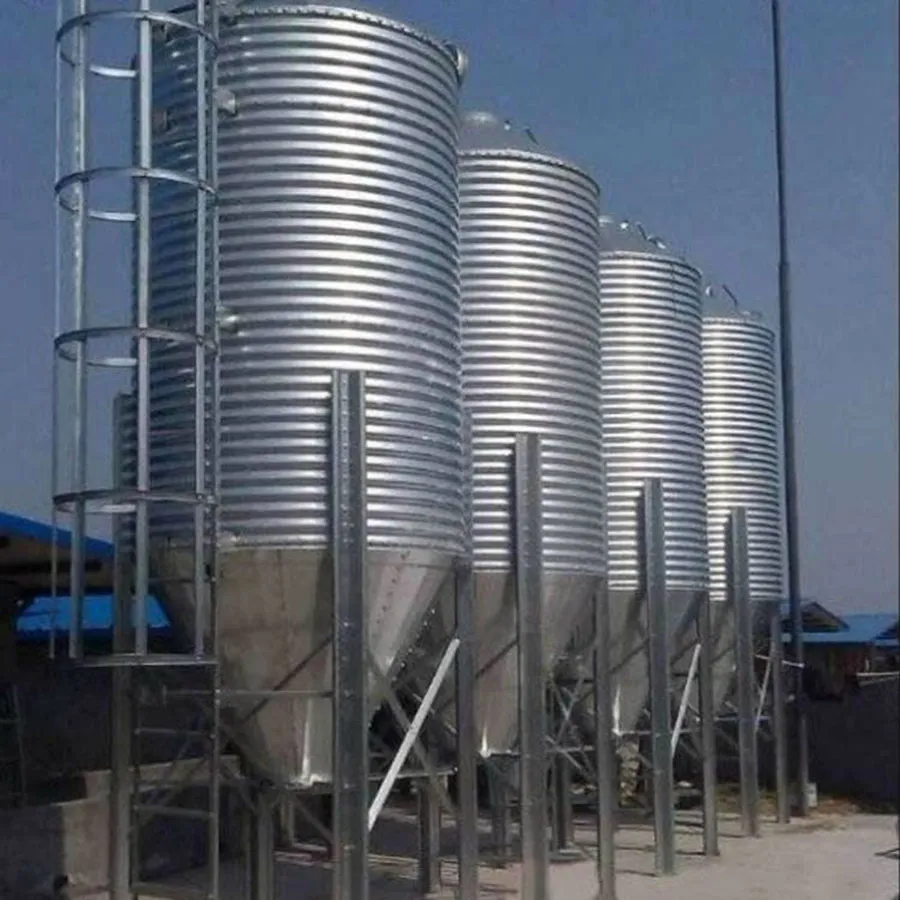
Customization and options
- Coating levels (Z275 for inland, Z450 for coastal/high-ammonia).
- Ladder and cage types; roof manhole size; logo/paint accents.
- Cone angle tweaks for mash vs pellet; outlet size; anti-bridging vibrators.
- Level sensors (capacitance, paddle), remote telemetry, load cells for inventory.
Field notes and mini case studies
- 5,000-head finisher site (Hebei): moved to 60° cone + paddles; reported ≈2% fewer feed interruptions; refill every 3 days instead of daily (operator logs).
- Southeast Asia 1,200-sow unit: Z450 selection due to humidity; corrosion checks after 18 months show intact coating at seams (third-party inspection).
- Family farm retrofit: capacitive sensors tied to auger controller cut overfill events to near-zero—“it just works,” as they put it.
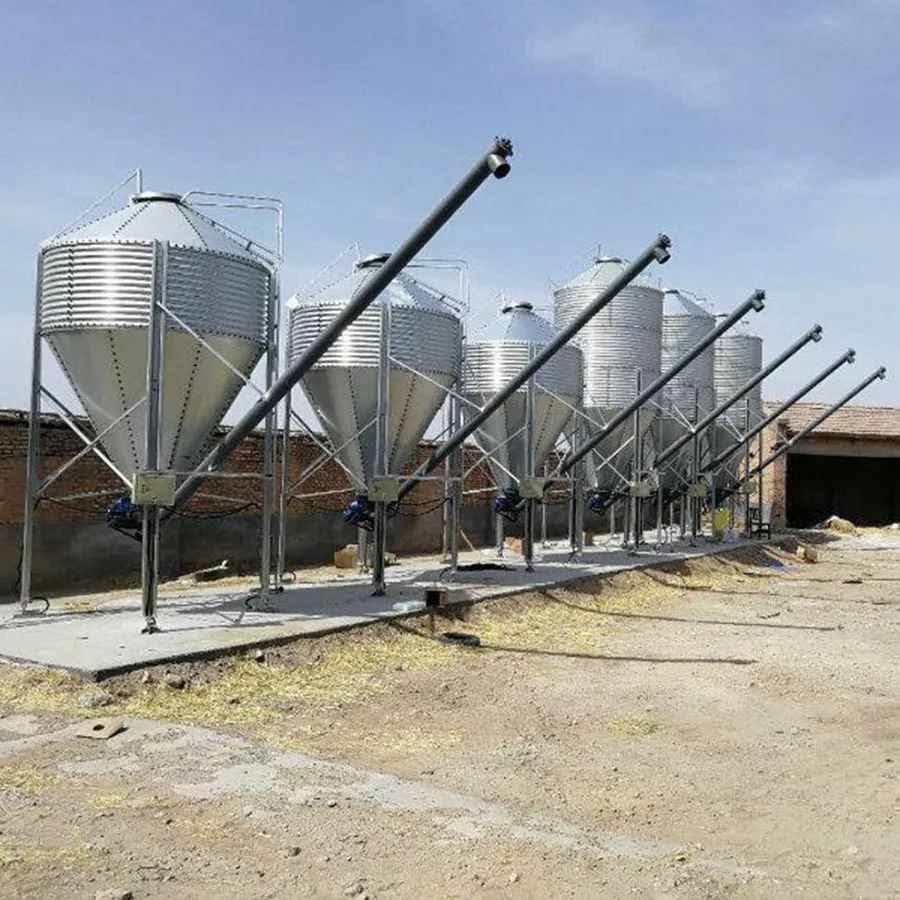
Bottom line: if you’re shortlisting bulk feed bins for sale, check the zinc spec, cone angle, and sensor readiness before anything else. Then confirm testing methods and warranty in writing. If you want a practical, farm-proven route, this pig feed silo hits the usual checkboxes and doesn’t overcomplicate things.
Authoritative references
- ISO 1461: Hot dip galvanized coatings on fabricated iron and steel products.
- ASTM A653/A653M: Standard Specification for Steel Sheet, Zinc-Coated (Galvanized).
- FAO: Grain and feed storage guidelines – moisture, aeration, and pest control best practices.
- ASABE EP433: Loads Exerted by Free-Flowing Grain on Bins (applicable principles for bin design).
Post time: Oct . 10, 2025