Bulk Feed Storage Bins: The Unsung Heroes of Efficient Farming
Having spent well over a decade in the industrial equipment sector—mostly around feed and grain handling—I can tell you one thing for sure: bulk feed storage bins often don’t get the spotlight they deserve. But these towering containers play a pivotal role in ensuring livestock farms run smoothly, especially during those hectic seasons.
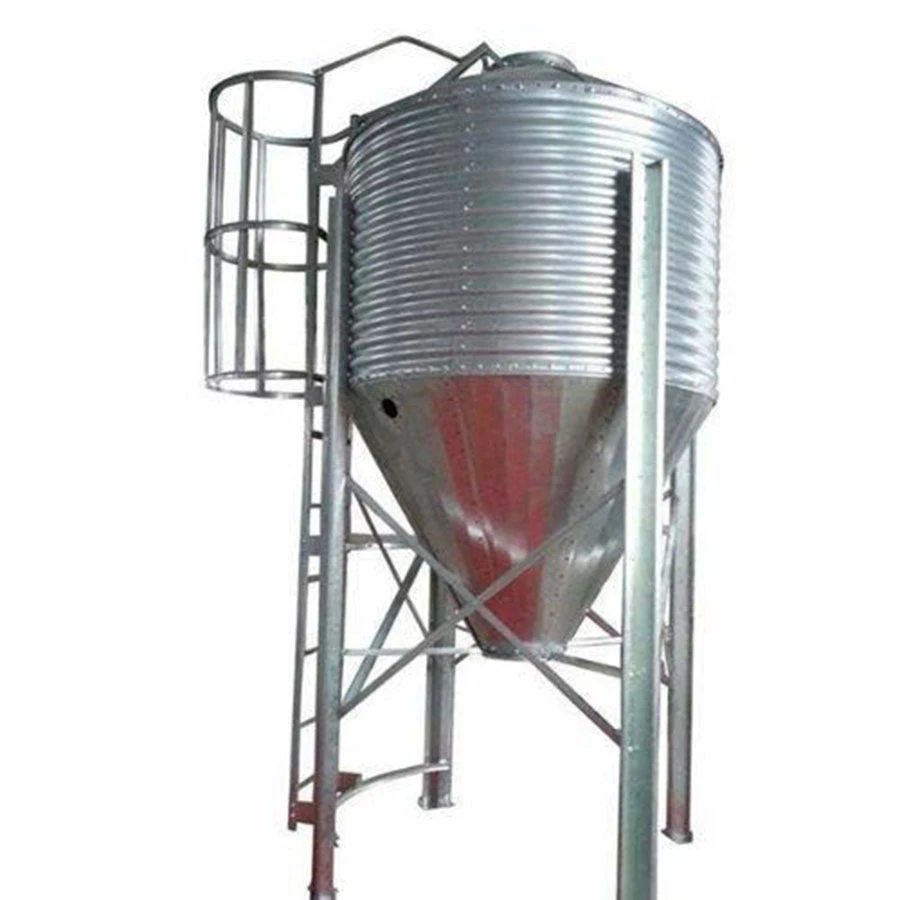
First off, the design of these bins has evolved quite a bit. In the early days, a lot of feed bins were made from plain steel, prone to rust and those all-too-familiar headaches of maintenance. Nowadays, companies often rely on galvanized steel or even coated aluminum that can handle the daily grind without corroding. Oddly enough, I once worked on a project where a client swore by fiberglass-reinforced polymer feeders because of how they cut down on condensation inside the bin—a common culprit for feed spoilage.
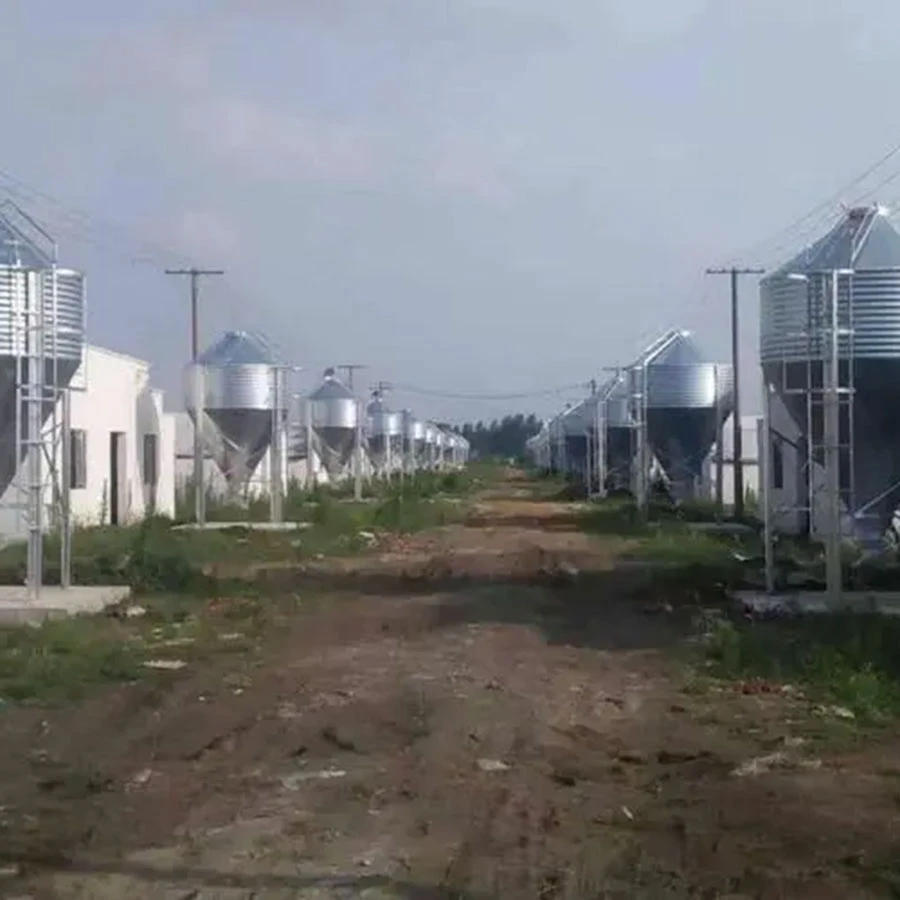
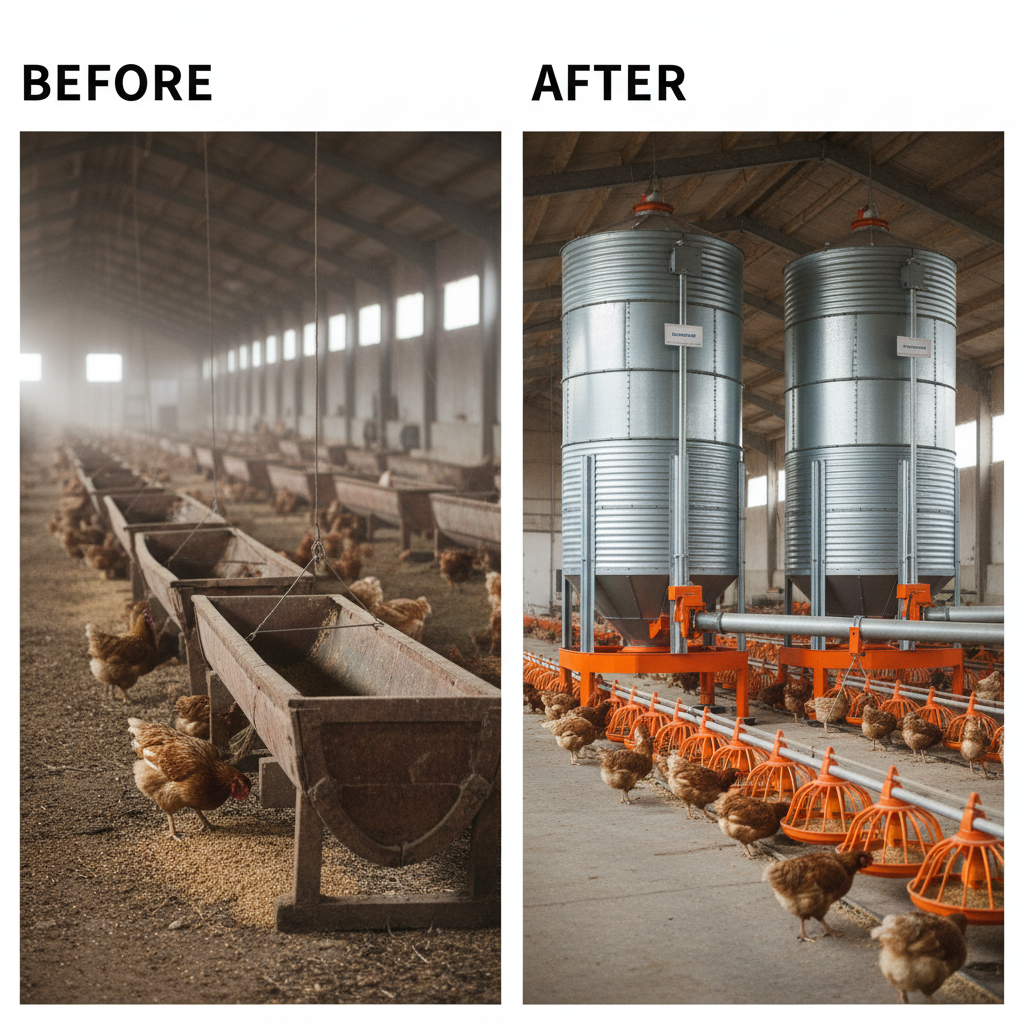
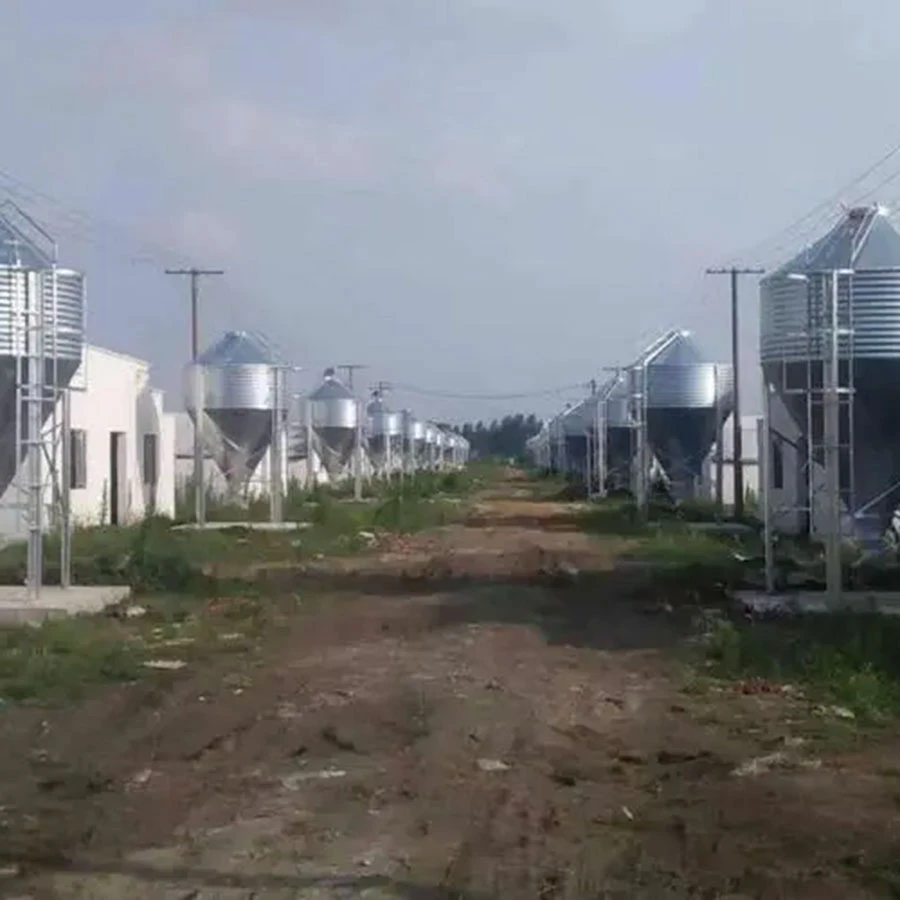
What’s crucial is the shape and size. Most feed bins are either cylindrical or hopper-bottomed to let gravity do the heavy lifting during discharge. A hopper bottom also minimizes leftover feed stuck inside, which is not just wasteful but can attract pests if you’re not careful. I've noticed, too, that the larger the bin, the more planning it takes on site placement: ventilation, cleaning access points, and even seismic considerations in some regions.
Testing and safety standards have come a long way too, you know. In real terms, stress tests on these structures simulate years of heavy wind loads or the constant push and pull from feed augers and conveyors. Many engineers I’ve talked to emphasize the importance of certified welds and structural reinforcements, particularly on bistage or multi-bin setups.
One little story springs to mind: a dairy farmer I worked with was concerned about feed contamination and leftover moisture spoiling the batches. We ended up customizing bins with stainless steel liners and better sealing lids. The payoff? A noticeable drop in feed wastage and a much happier herd — which, frankly, made me appreciate the thought that goes into a project like this.
Typical Bulk Feed Storage Bin Specifications
| Specification | Detail |
|---|---|
| Material | Galvanized Steel or Aluminum |
| Capacity | 5 to 40 metric tons (varies by model) |
| Shape | Cylindrical with hopper bottom |
| Access | Top lid with sealed gasket / Side inspection door |
| Discharge Method | Gravity feed or auger powered |
| Finish | Powder coat / Galvanized / Stainless steel option |
Vendor Comparison: What To Look for When Procuring Bulk Feed Bins
| Feature | Vendor A | Vendor B | Vendor C |
|---|---|---|---|
| Material Quality | Galvanized Steel | Powder Coated Steel | Aluminum Alloy |
| Custom Sizes Available | Yes | Limited | Yes |
| Delivery Time | 4-6 weeks | 6-8 weeks | 3-5 weeks |
| Warranty | 5 years | 3 years | 7 years |
| Price Range | $$ | $ | $$$ |
Of course, the right bin depends on context. If you’re managing a mid-sized livestock operation, you might prioritize quick turnaround and sturdy warranties. For larger commercial farms, customization and longevity often take precedence. I've learned to always suggest looking beyond price tags; sometimes that “cheaper” option ends up costing more in repairs or downtime.
In the end, bulk feed storage bins are silent workhorses—easy to overlook if you’re not up close—but they keep the feeding lines flowing and the livestock happy. If you want to dig deeper or find bespoke solutions tailored to your farm’s needs, I’d suggest checking out bulk feed storage bins providers who understand the real-world challenges of farm life.
Well, that's the scoop from someone who's been elbow-deep in feed storage setups for years. Sometimes it’s the simple stuff, well done, that makes all the difference.
References:
1. Industry Whitepaper on Feed Bin Material Durability (2022)
2. Farm Safety and Storage Standards – AgriCorp Publications
3. Interviews with Agricultural Engineers, 2018-2023
Post time: Dec . 03, 2025