Bulk Feed Storage: Why It Matters More Than Ever
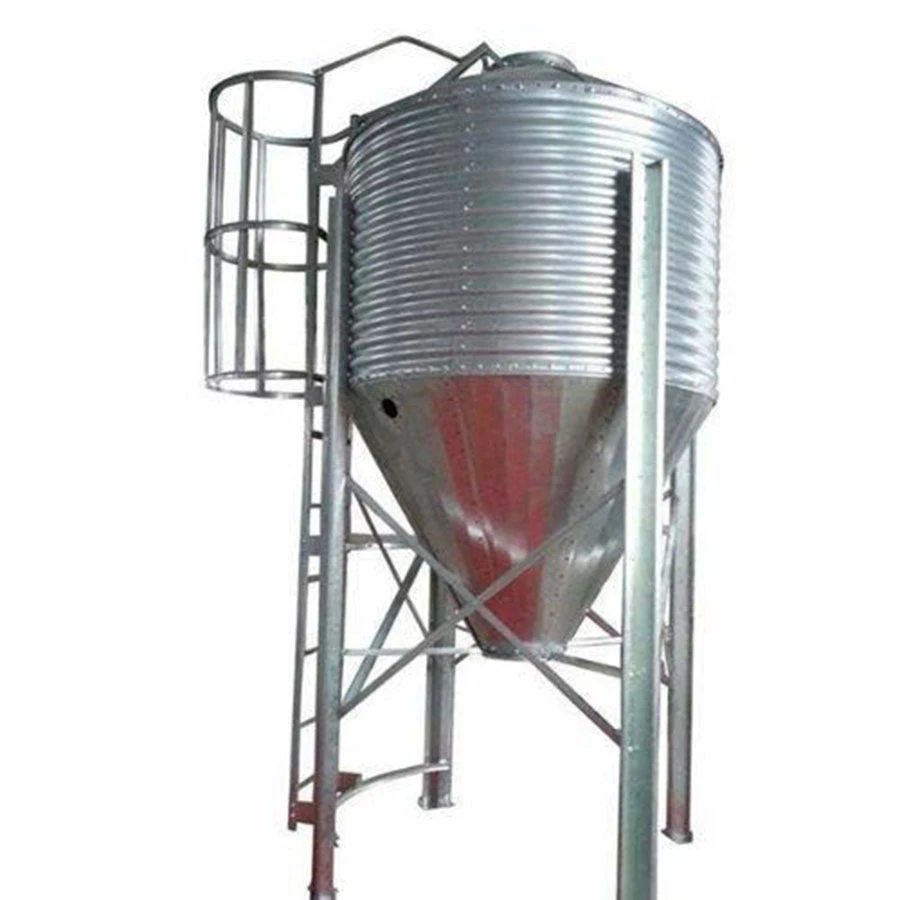
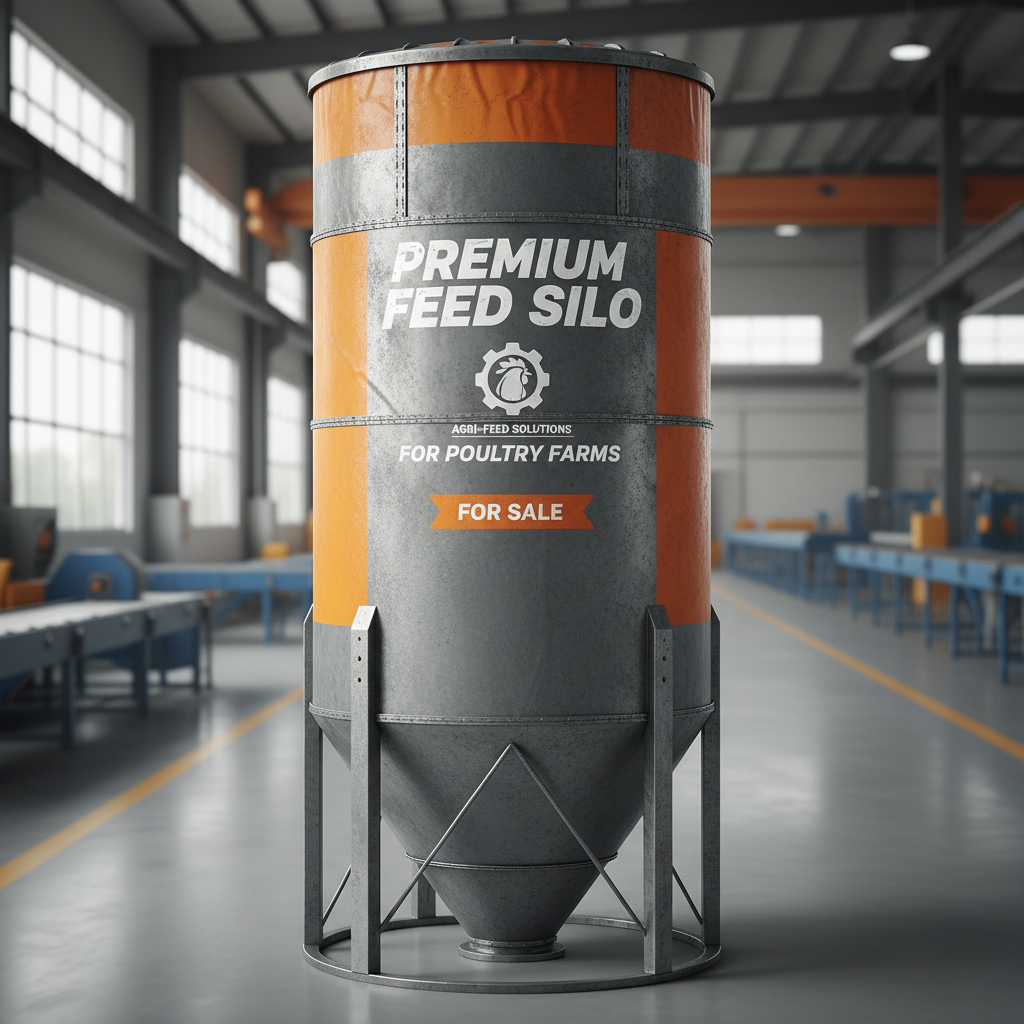
Imagine a vast silo standing tall on the outskirts of a bustling farm, quietly playing its part in feeding thousands of livestock. That silo isn’t just a structure; it embodies a critical link in the global food chain. Bulk feed storage is a deceptively simple concept packed with complex significance. In essence, it’s about safely storing large quantities of animal feed — the foundation of sustainable meat, dairy, and egg production worldwide.
At a glance, it might look like just another warehouse or silo, but the systems and practices behind bulk feed storage determine not only food security but also environmental impact and economic stability. Understanding how to optimize it helps reduce spoilage, maintain nutritional value, and serve communities reliably—from industrial farms in the US Midwest to emergency livestock relief efforts in sub-Saharan Africa.
So why bother digging into the nuts and bolts of feed storage in 2024? Because as global demand for animal protein grows, and climate unpredictability worsens, getting feed storage right is both an urgent challenge and a key opportunity for innovation.
Global Context: Feeding a Growing World
Globally, the agricultural sector accounts for roughly 40% of food production costs, and feed represents the largest share of that (up to 70% in some livestock operations, according to the FAO). As the World Bank reports, efficient storage is vital to tackle post-harvest losses that can reach 15%–20% worldwide. For bulk feed storage — be it grains, pellets, or mash — this translates to billions of dollars potentially lost to spoilage, pests, mold, and moisture.
Climate change amplifies these concerns. Erratic rainfall and rising humidity levels make conventional open-air or poorly sealed storage untenable. Meanwhile, expanding intensive farming in regions like Latin America and Southeast Asia demands scalable, reliable solutions to safeguard supply chains. The challenge? To design storage systems that are cost-effective, durable, and flexible enough for various scales — from family farms to industrial operations.
What Exactly Is Bulk Feed Storage?
Bulk feed storage, quite simply, refers to the facilities and methods used to hold large volumes of animal feed before it’s distributed or used. This can include silos, bins, granaries, and specialized storage rooms. It’s not merely about capacity though — it’s about maintaining feed quality over time.
One might compare it to a well-organized pantry but on a much grander scale, where factors like temperature, humidity, pest control, and material flow systems all affect whether the feed remains palatable and nutritious. For modern industries and humanitarian efforts alike, it’s critical to reduce feed loss, ensure traceability, and adapt to various logistical constraints.
Key Components of Effective Bulk Feed Storage
Durability
Weather, wear and tear, and the natural stress of heavy loads—these are daily battles. Materials like galvanized steel, reinforced concrete, and polyethylene liners are popular choices that offer longevity and protection against corrosion or rot.
Scalability
A young farm might need a few tons of feed stored, while a commercial operation requires thousands. Modular silo designs and stackable bins let operators expand capacity gradually, saving upfront costs and optimizing space.
Cost Efficiency
Efficient designs reduce waste and evaporation, which directly saves money. Automated feed dispensing also minimizes labor costs and improves dosing accuracy.
Environmental Control
Controlling moisture and temperature is king. Modern storage often includes aeration systems, sealed doors, and sometimes even climate-controlled environments to reduce spoilage and mycotoxin development.
Easy Maintenance and Pest Prevention
Rodents and insects love feed as much as livestock do, so sealed construction and regular cleaning regimes help keep infestations at bay, preserving feed safety.
| Feature | Typical Value | Notes |
|---|---|---|
| Capacity | 10,000 kg per silo | Modular, scalable to multiple silos |
| Material | Galvanized steel | Corrosion-resistant finish |
| Aeration system | Integrated fan with timer | Reduces moisture build-up |
| Loading method | Pneumatic conveyor | Minimizes feed contamination |
| Pest prevention | Sealed entry points & rodent traps | Improves safety & hygiene |
How Bulk Feed Storage Works Around the World
Across North America and Europe, farms often rely on technologically advanced silos connected to automated feed lines. Here, bulk feed storage integrates with farm management systems, tracking inventory in real time. Meanwhile, in Africa and parts of Asia, bulk feed storage plays a crucial role in famine relief and livestock support programs, where simple, durable storage vaults protect feed even under rugged conditions.
Oddly enough, in remote mining camps and industrial zones, temporary bulk feed storage solutions serve where transportation delays could starve livestock. Companies like CXL Livestock specialize in systems tailored for such logistics, balancing quick deployment with reliability.
The Long-Term Value of Smart Bulk Feed Storage
- Cost reduction: Less spoilage means less money wasted on replacing feed.
- Sustainability: Lower feed loss reduces the environmental footprint of production.
- Reliability: Ensures a steady supply line — essential during droughts or emergencies.
- Social impact: Protecting feed stores can mean food security for vulnerable communities.
It’s fascinating how this one piece of infrastructure can evoke emotional tradeoffs: trust in one’s food system, dignity in farming livelihoods, and the quiet innovation that makes it all function smoothly behind the scenes.
Emerging Trends & The Road Ahead
Digital transformation is creeping in — sensors monitor humidity and temperature inside silos and send alerts before issues arise. Moreover, green energy options, like solar-powered aeration fans, reduce operational costs and emissions.
Material science is also innovating: bioplastics for liners and anti-microbial coatings help prolong feed freshness. Plus, some innovative companies are exploring modular, transportable silos that can be deployed swiftly for emergency relief.
Common Challenges & Smart Solutions
No system is perfect. Moisture ingress, pest infiltration, and contamination remain persistent threats. Experts suggest combining physical barriers with IoT monitoring and good maintenance protocols to stay ahead. Leveraging expert consultancy to customize solutions often bridges the gap between theory and real-world success.
| Vendor | Material | Innovations | Best For | Price Range |
|---|---|---|---|---|
| CXL Livestock | Galvanized Steel | Modular design, IoT monitoring | Commercial farms & relief agencies | $$$ |
| AgriStore Solutions | Polyethylene & Concrete | Solar aeration fans | Mid-size farms | $$ |
| Global FeedTech | Steel & Bioplastic liners | AI-controlled climate regulation | Large-scale commercial farms | $$$$ |
FAQ: Your Bulk Feed Storage Questions Answered
What is the ideal capacity for bulk feed storage on a small farm?
Most small farms benefit from storage capacity between 2 to 5 tons, enough to cover daily feed needs for a month or more, depending on herd size. Modular bins or silos help grow capacity as your operation expands without large upfront costs.
How does weather affect bulk feed storage?
Weather influences moisture and temperature, which impact spoilage. Sealed storage with good aeration minimizes damage from humidity and temperature swings common in rainy or humid climates.
Are automated feed storage systems worth the investment?
They often are for mid- to large-scale farms because automation reduces labor, improves feed accuracy, and helps maintain consistent feed quality. For smaller operations, manual systems might be sufficient while you grow.
Can bulk feed storage help in disaster relief situations?
Absolutely. Portable and quickly deployable feed storage solutions help safeguard livestock nutrition in emergencies, preventing widespread animal losses and supporting community resilience.
Final Thoughts: Feed the Future, Safely
The path to food security and efficient farming inevitably winds through good bulk feed storage. It’s a field where savvy engineering meets everyday needs — reducing waste, ensuring quality, and embracing sustainability. Whether you're a farmer protecting your livelihood or an NGO supporting livestock in a crisis, investing in reliable feed storage matters.
Curious to learn more or explore solutions? Check out bulk feed storage products tailored to your needs. Feed safety might just be the unsung hero of tomorrow’s food systems.
1. Food and Agriculture Organization (FAO), www.fao.org
2. World Bank Agriculture Overview, worldbank.org
3. International Organization for Standardization (ISO) - Agricultural products storage standards
Post time: Dec . 02, 2025