Calf Crate: What It Is and Why It Matters in Livestock Farming
When you hear “calf crate,” what usually comes to mind? If you’re in livestock farming or animal husbandry, it’s a familiar term that’s become central to many discussions worldwide — not always without controversy. Understanding what a calf crate is and why it holds global significance can help farmers, policymakers, and consumers alike weigh its benefits and challenges more thoughtfully.
Simply put, a calf crate is a specialized housing unit designed to keep individual calves separated, often used to protect them from injury, disease spread, or aggressive temperament of other animals as they grow. Across many agricultural regions, these crates have been key in maintaining animal health and food safety. At the same time, the welfare and ethical implications spur ongoing debate, emphasizing the importance of innovation and responsible use.
So why does this matter globally? According to the Food and Agriculture Organization (FAO), livestock production accounts for roughly 40% of global agricultural GDP. Ensuring calf survival and growth efficiency is directly tied to food security and rural livelihoods in many developing and developed countries alike. Plus, better calf management means better-quality meat and dairy down the line – and fewer antibiotic treatments.
Calf Crates: A Global Perspective
Calf crates find themselves at the crossroads of traditional farming and modern agricultural industrialization. Across continents, from Europe and North America to parts of Asia and Africa, they serve a similar purpose: isolating vulnerable calves to reduce disease outbreaks.
Did you know that nearly 70% of dairy farms in OECD countries report using some form of individual housing for calves? It sounds like a lot, but the alternative—communal housing without barriers—often results in higher risks of respiratory and digestive diseases, leading to significant losses. The World Bank highlights that livestock diseases cost billions annually in lost productivity and increased veterinary expenses, so mitigating these risks is crucial.
But the reality isn’t uniform. In some regions, limited resources or cultural practices mean less use of calf crates, with more emphasis placed on pasture and open housing methods. This variation reminds us that calf management is not one-size-fits-all but influenced by local climate, economics, and ethical norms.
What Exactly Is a Calf Crate?
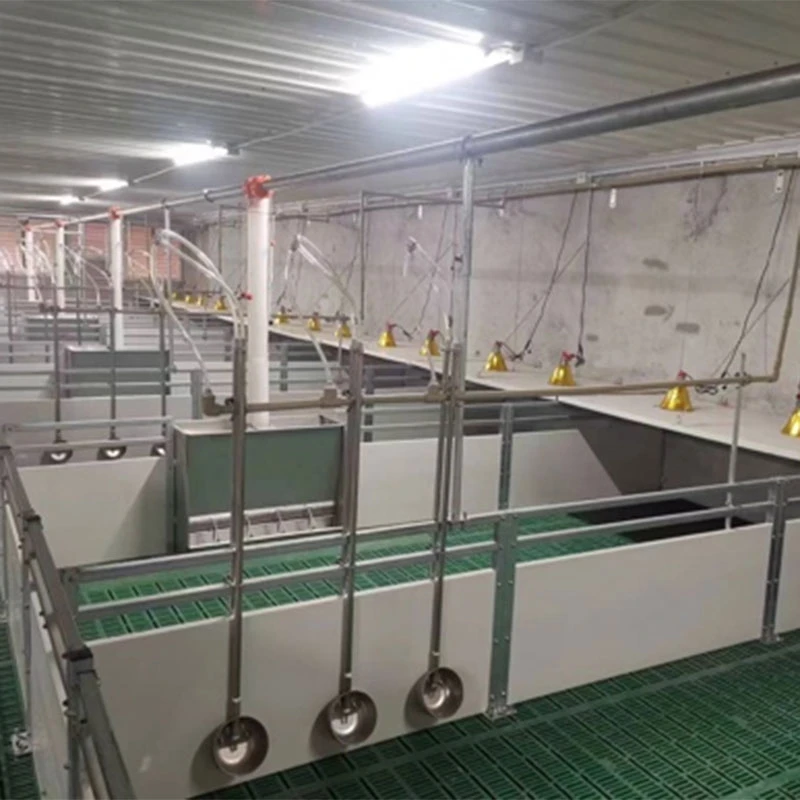
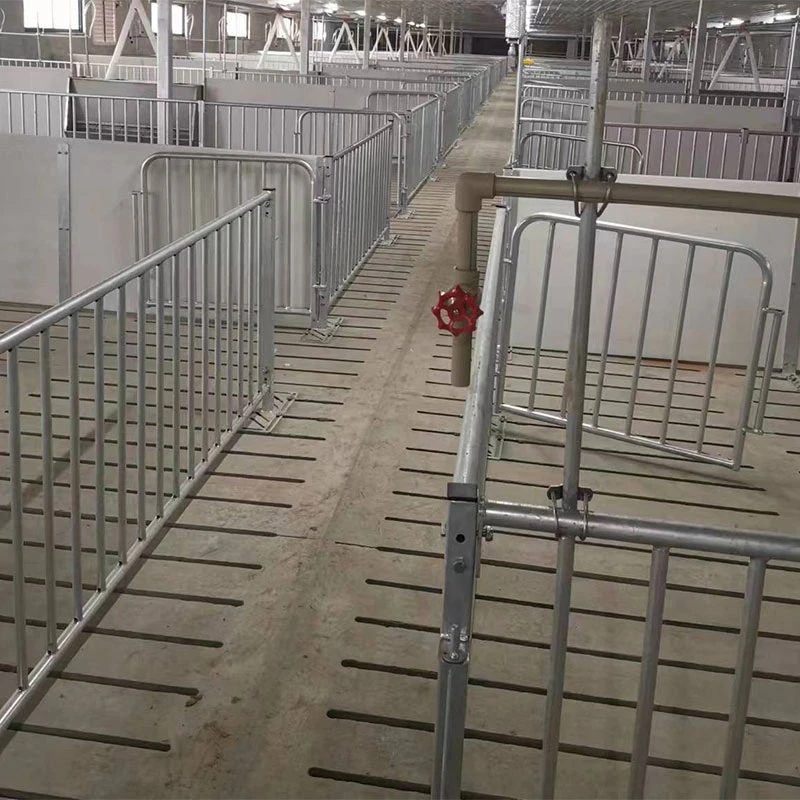
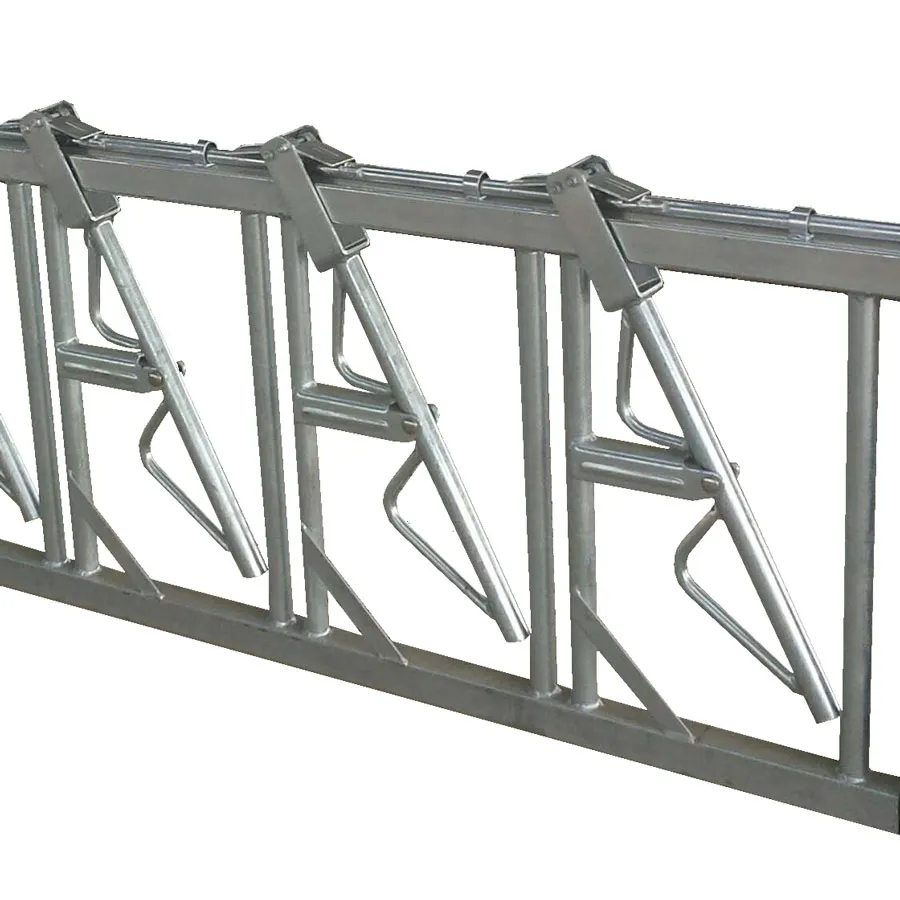
Let’s demystify the term. A calf crate—sometimes also called a calf hutch or individual pen—is a partitioned enclosure made from metal, plastic, or wood that houses a single calf. It's often equipped with a feeder and a water supply, giving the calf a defined space to eat, sleep, and rest separately from others.
Its primary function is to reduce physical contact between animals, limiting the spread of disease and preventing fighting injuries. This is especially important in intensive dairy farms where controlling disease can make or break a season’s yield.
Beyond agriculture, similar concepts appear in animal rescue or veterinary settings, where isolation supports recovery. In humanitarian contexts around livestock management, proper housing like calf crates aids in improving animal welfare standards, a growing global priority.
Core Components to Consider in Calf Crates
1. Durability
Calf crates endure a lot—from weather exposure to curious calves testing boundaries. Materials like galvanized steel frames or UV-resistant plastics ensure longevity spanning multiple seasons. Oddly enough, many farmers prioritize crates that are rust-proof and easy to clean over purely aesthetic designs.
2. Size and Comfort
It’s not just about containment. Crates must provide enough room for the calf to stand, lie down, and turn around comfortably. Many designs are sized around calves up to 8 weeks old, but modular systems allow resizing to accommodate growth.
3. Hygiene and Disease Control
Drainage and ventilation are vital. Proper airflow helps reduce respiratory illnesses, while slatted flooring or smooth surfaces aid cleaning routines. Without thoughtful design here, crates can become breeding grounds for bacteria.
4. Cost Efficiency
For many farmers, upfront cost is critical; however, investing in durability and easy maintenance often translates into savings over the long haul. Modular crates that can be relocated also cut down on infrastructure expenses.
5. Scalability
Farms grow and shrink, sometimes unpredictably. Crates that stack or lock together support flexible use of space. This adaptability matters, especially for seasonal operations with fluctuating calf populations.
Real-World Applications of Calf Crates
You’ll find calf crates in all sorts of settings. For instance, in North American dairy farms, individual housing via crates is standard practice, primarily to manage young animals during their most vulnerable days. Similarly, in European countries adhering to stringent animal welfare regulations, crates often come with enhanced features like weather shields and insulation.
In developing regions, NGOs focus on providing affordable, locally sourced calf crates to smallholder farmers, aiming to reduce calf mortality. In sub-Saharan Africa, organizations sometimes combine durable calf crates with community training to improve overall herd health. The practice extends beyond the farm too—veterinary clinics use crate systems for quarantining sick or newly arrived calves safely.
Interestingly, some urban farms experimenting with vertical or stacked systems have begun customizing crates to fit tight city spaces, blending traditional farming with innovative design.
Calf Crate Specifications: Example Model Overview
| Feature | Specification |
|---|---|
| Material | Galvanized Steel Frame + UV-resistant Polyethylene Panels |
| Dimensions (LxWxH) | 150 cm x 90 cm x 110 cm |
| Weight | 35 kg |
| Ventilation | Slatted side panels and roof vents |
| Flooring Type | Removable slatted plastic floor |
| Accessories Included | Feed trough and nipple waterer |
Comparing Top Calf Crate Vendors
| Vendor | Materials | Typical Price (USD) | Customization | Lead Time |
|---|---|---|---|---|
| FarmSafe Calf Equip. | Steel & Polyethylene | $280 - $350 | Color, size | 2-3 weeks |
| AgriCrate Solutions | Aluminum & Plastic | $310 - $400 | Floor types, feed options | 3-4 weeks |
| EcoHutch Inc. | Recycled Plastic | $270 - $320 | Solar vents, insulated walls | 4 weeks |
Advantages & Long-Term Value of Using Calf Crates
Why do so many farms swear by calf crates? For one, they serve as a frontline defense against contagious diseases—a huge money saver in the long run. Besides epidemiological benefits, crates offer a consistent environment that reduces calf stress, which is crucial for healthy weight gain and immune function.
From a social perspective, responsible use of calf crates can support animal welfare regulations, building consumer trust. As more buyers look for ethically produced meat and dairy, farms investing in transparent, welfare-conscious housing gain a competitive edge. There’s a sort of dignity in addressing animal comfort intentionally—it’s a value beyond mere economics.
Emerging Trends and Innovations in Calf Crate Design
The future of calf crates is not stuck in the past. Innovations involving eco-friendly materials, like recycled plastics or biodegradable composites, are gaining traction. Many manufacturers are integrating smart sensors to monitor temperature and humidity levels, sending real-time alerts to farmers’ phones. This digital transformation means faster responses to health concerns, reducing mortality.
Another trend? Energy-efficient designs featuring solar-powered ventilation systems. These not only cut operational costs but align with growing agricultural sustainability goals.
Challenges in Calf Crate Usage and How to Overcome Them
It’s not all smooth sailing. Critics point out that long-term individual housing can affect calves’ social behavior negatively. Plus, cramped or poorly ventilated crates can backfire, ironically increasing disease risks. Sometimes, farmers struggle with the initial cost investment or adapting crates for varying climates.
Experts suggest combining crate use with supervised group housing after calves pass those critical first weeks. Additionally, investing in modular, adjustable crates can help farms tailor conditions seasonally. Training and clear guidelines for users amplify welfare benefits, turning potential liability into strength.
FAQ: Quick Answers About Calf Crates
- Q: How long should a calf stay in an individual crate?
- A: Usually, calves remain in individual crates for the first 6 to 8 weeks. This period covers their most vulnerable time to disease and injury, after which many farms transition them to group housing to support social development.
- Q: Are calf crates comfortable enough for animal welfare standards?
- A: When properly sized and ventilated, calf crates meet many recognized welfare standards. Comfort depends on dimensions, cleanliness, and enrichment opportunities, which responsible farmers take seriously.
- Q: Can calf crates be used outdoors in all climates?
- A: Yes, but design adaptations are necessary. For cold climates, insulation and windbreaks are key, while hot regions require shading and enhanced ventilation to prevent heat stress.
- Q: How do calf crates help reduce disease spread?
- A: By isolating calves physically, crates limit direct contact and sharing of bedding or droppings, reducing transmission of pathogens commonly spread through nose-to-nose interaction or shared spaces.
The Bottom Line and What’s Next
Calf crates, while sometimes controversial, undeniably play a vital role in modern livestock management. They protect vulnerable calves during their earliest days, improve herd health overall, and support global food production goals. Of course, they must be implemented thoughtfully—with attention to animal welfare, sustainability, and ongoing innovation.
If you’re considering upgrading your farm’s calf housing or just curious about different models and suppliers, don’t forget to check out reliable sources like this site for trusted products and insights.
Here’s to the future of farming — where technology and tradition find a balanced pen, one calf crate at a time.
References & Further Reading
Post time: Dec . 01, 2025