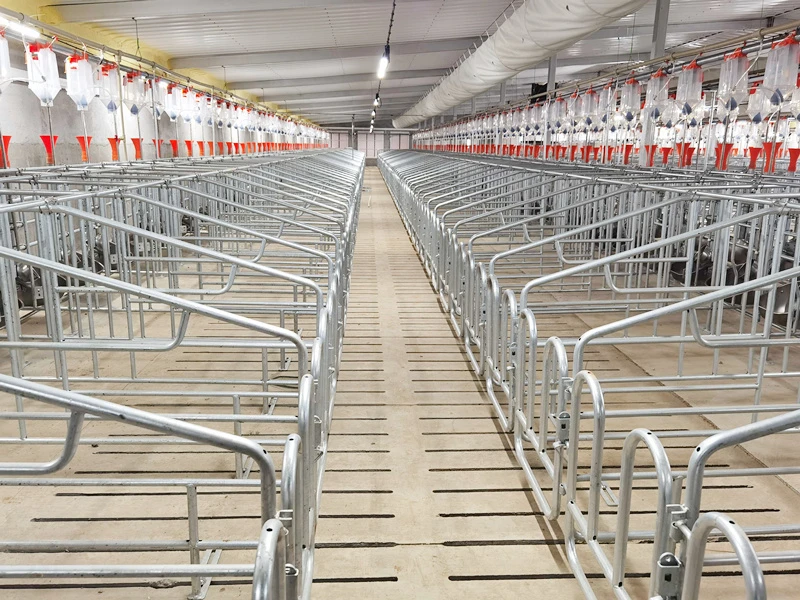
Understanding the Calf Dehorning Crate: A Vital Tool in Modern Livestock Management
If you're new to livestock husbandry or just stumbled across a curious name – calf dehorning crate – it might sound niche, even a bit funny. But trust me, it’s a piece of equipment that matters more than many realize, especially on farms aiming to keep animals safe and workers efficient. Worldwide, the proper management of calves during sensitive procedures like dehorning isn’t just about tradition — it’s about animal welfare, operational safety, and even economic sustainability.
Globally speaking, with cattle farming supporting millions of livelihoods from Canada to India, the adoption of humane and practical tools like calf dehorning crates is growing steadily. These devices help reduce stress and injury – not only the calves’ but also the handlers’. Understanding what they are and why they’re essential gives us insight into a larger shift towards welfare-conscious farming.
The Global Context: Why Calf Dehorning Crates Are More Relevant Than Ever
The global dairy and beef industries are massive players in food security, generating billions in revenue annually. According to the Food and Agriculture Organization (FAO), there are roughly 1.5 billion cattle worldwide, many of which undergo dehorning early in life to prevent injuries and facilitate handling. Still, improper methods risk trauma, infection, and poor growth.
This is where the calf dehorning crate steps in. As livestock operations scale up, the need for standardized, safe procedures that optimize animal welfare without sacrificing efficiency grows. Sadly, the World Organization for Animal Health highlights welfare gaps, especially in developing regions — showing a clear mandate for better tools and training.
What Is a Calf Dehorning Crate?
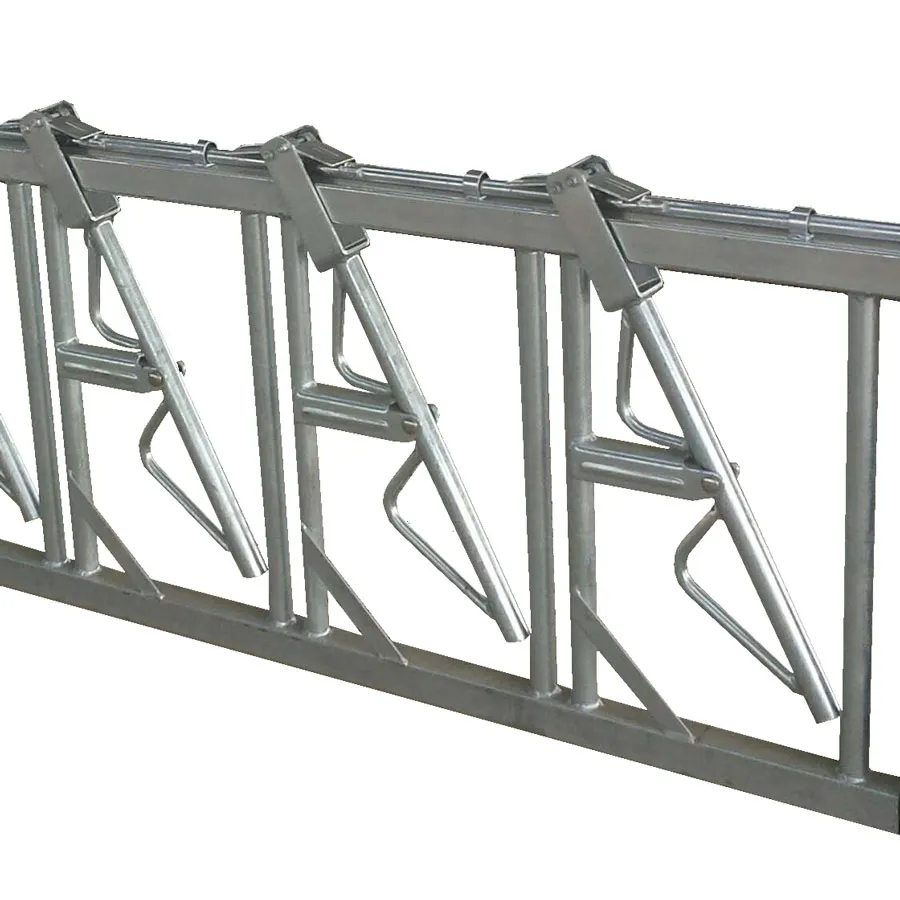
Simply put, a calf dehorning crate is a specially designed restraint system that securely holds a calf during horn removal procedures. It limits movement gently, allowing veterinarians or farm workers to safely and quickly carry out dehorning while minimizing stress and potential injury.
This kind of equipment connects more deeply to modern humane livestock practices, meeting stricter regulatory standards seen across Europe, North America, and increasingly elsewhere. It’s not just about making work easier for handlers — it’s about respecting animal dignity.
Key Features That Matter
1. Durability and Material Quality
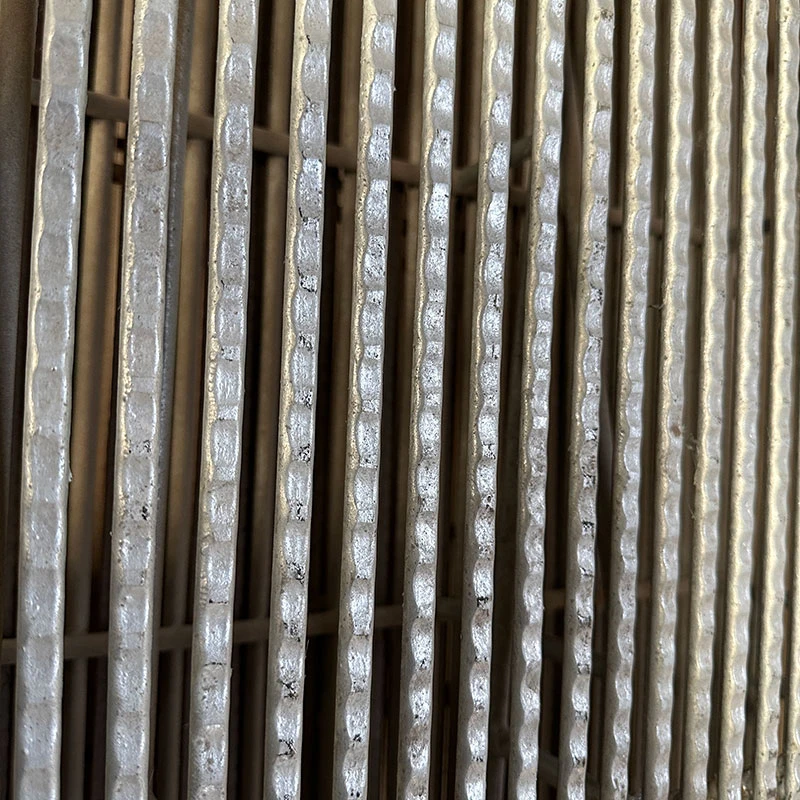
Most crates are made from galvanized steel or powder-coated metals to withstand harsh farm environments. This means rust resistance, high strength, and longevity. Some premium models even use stainless steel for added hygiene – a crucial factor during procedures to prevent infections.
2. Comfort & Safety
To minimize distress, padding on contact areas and ergonomic shaping helps. The idea isn’t just containment but ensuring calm compliance. Adjustable restraining arms and gentle locking mechanisms are important — too tight = trauma; too loose = escape risk.
3. Scalability & Size Options
Calves vary in size, so many crates come in adjustable forms for different breeds and ages. In larger farms, having stacks or line setups improves throughput — moving calves through the dehorning process quickly but carefully.
4. Operational Efficiency
Simple, smooth operation reduces handling times. Hydraulic or manual lifting options exist, and models with quick-release mechanisms save stress on calves and handlers alike. These design details really matter when dozens of calves need processing in a day.
Mini Takeaway:
Durability, animal comfort, and ease of use in calf dehorning crates work hand-in-hand to improve welfare without bogging down farm productivity.
How Calf Dehorning Crates Are Used Around the World
In countries with large dairy industries — the U.S., Germany, New Zealand — calf dehorning crates have become standard. They reduce workplace injuries and improve animal outcomes, aligning with nation-wide welfare legislation. For example, New Zealand’s Ministry for Primary Industries promotes welfare-centered livestock handling that heavily references the use of proper restraint equipment.
In developing regions, NGOs introducing livestock health programs often distribute these crates alongside veterinary kits. In Kenya’s Rift Valley, a hub for cattle farming, they’re a vital tool in supporting safer husbandry, reducing calf mortality and infection rates.
Interestingly, post-disaster relief efforts that involve rebuilding livestock farms (think flood-affected areas where cattle are a main asset) also consider crate designs — because safer handling means farmers can rebuild faster with less risk.
Product Specification Table
| Feature | Specification | Notes |
|---|---|---|
| Material | Galvanized Steel | Rust-resistant and sturdy |
| Dimensions | 120 cm L x 60 cm W x 95 cm H | Adjustable width available |
| Weight Capacity | Up to 80 kg calves | Suitable for most breeds |
| Safety Features | Padded supports, quick release | Reduces calf stress injuries |
| Operation | Manual or Hydraulic Assist | Hydraulic model for high throughput |
Comparing Vendors: What to Look For When Choosing a Calf Dehorning Crate
| Vendor | Material Quality | Customization Options | Price Range (USD) | Delivery Time |
|---|---|---|---|---|
| FarmEquip Co. | Galvanized Steel | Adjustable widths and heights | $850 - $1,200 | 2-3 weeks |
| AgriTools Ltd. | Powder-coated Steel | Hydraulic assist available | $1,000 - $1,400 | 4 weeks |
| LivestockTech | Stainless Steel | Custom sizes and features | $1,300 - $1,700 | 3 weeks |
The Long-Term Benefits of Using Calf Dehorning Crates
Beyond just the immediate practicality, these crates pay dividends over time. Reduced injury rates mean animals grow more healthily and farms spend less on medication. Workers experience fewer accidents, lowering downtime. On a broader scale, farms adopting these humane tools tend to score better on welfare audits — increasingly critical as consumers demand transparency and ethical sourcing.
And honestly, there’s something to be said about the peace of mind it brings. Knowing you're handling calves respectfully isn’t just about compliance – it reflects a farm’s philosophy, its reputation. Innovation, trust, compassion — they all tie in.
Looking Ahead: Innovations Shaping the Future of Calf Dehorning Crates
Expect to see smarter crates integrating sensors to monitor calf vitals and behavior during procedures – a fascinating intersection of animal welfare and digital transformation. Materials might shift towards light alloys or eco-friendly composites to reduce footprint and improve mobility. Additionally, automated restraining systems could minimize human error and stress.
Green policies by governments and NGOs will likely incentivize such upgrades, combining animal welfare with sustainability goals.
Overcoming Challenges: What Still Needs Improvement?
Of course, no system is perfect. Current crates sometimes face criticism for being too bulky or costly for smallholder farmers. There’s also the learning curve involved in properly using them — misuse can negate welfare benefits.
Entrepreneurs and engineers are responding by designing compact, affordable crates with intuitive controls. NGOs play an important role in training and subsidizing equipment in poorer regions, bridging these gaps.
Frequently Asked Questions About Calf Dehorning Crates
- Q: Are calf dehorning crates necessary for all farms?
- A: While not legally mandatory everywhere, they significantly improve safety and welfare during dehorning, especially on farms handling multiple calves regularly.
- Q: How do calf dehorning crates reduce calf stress?
- A: Their ergonomic design gently limits movement and often includes padding and quick-release features, which keeps calves calm and reduces injury risk.
- Q: Can these crates be adjusted for different calf sizes?
- A: Yes, most modern crates provide adjustable widths and heights, ensuring they fit various breeds and ages comfortably.
- Q: Are there hydraulic options for high-volume farms?
- A: Absolutely, hydraulic-assisted crates exist to speed up the process while maintaining safety and reducing manual strain for workers.
- Q: Where can I find reliable calf dehorning crates for purchase?
- A: There are specialized livestock equipment suppliers globally; one trusted source is cxlivestock.com.
Conclusion: Why Calf Dehorning Crates Are a Wise Long-Term Investment
In the end, calf dehorning crates may seem like just another farm gadget, but their ripple effects on animal welfare, farm productivity, and worker safety are profound. As worldwide animal care standards tighten and farming becomes increasingly tech-savvy, investing in quality equipment today paves the way for more ethical, efficient, and resilient operations tomorrow.
Curious to explore options? Visit https://www.cxlivestock.com to find durable, ergonomic calf dehorning crates that fit your needs.
References & Further Reading
Post time: Dec . 01, 2025