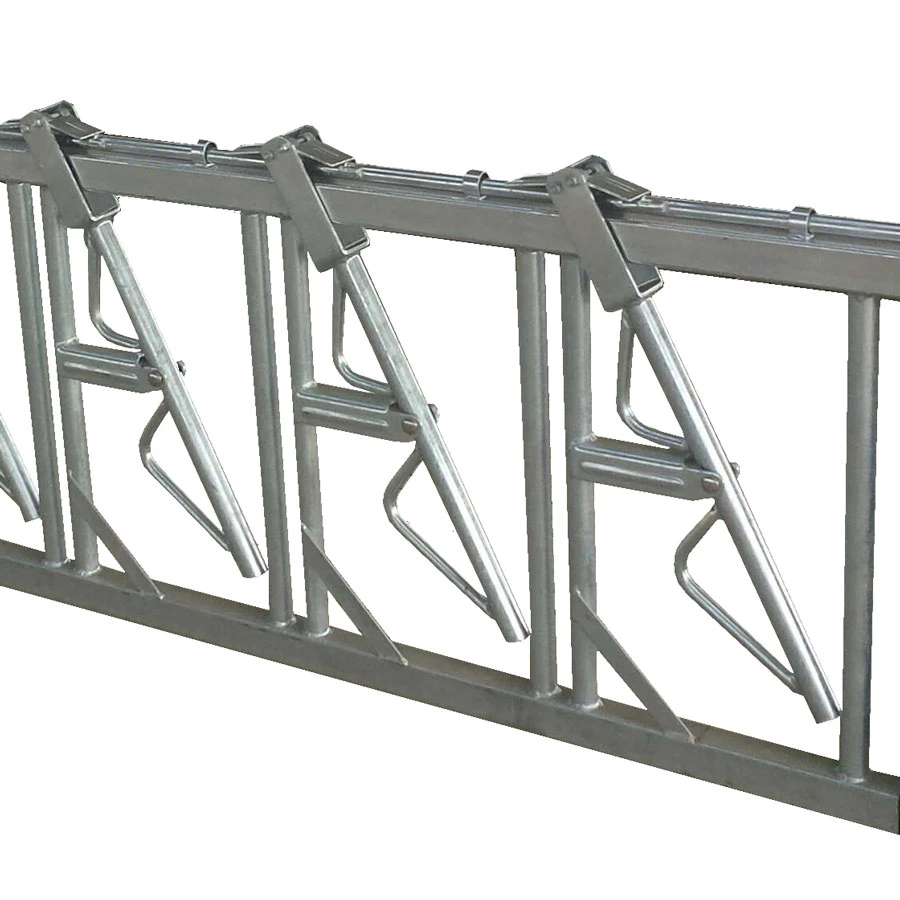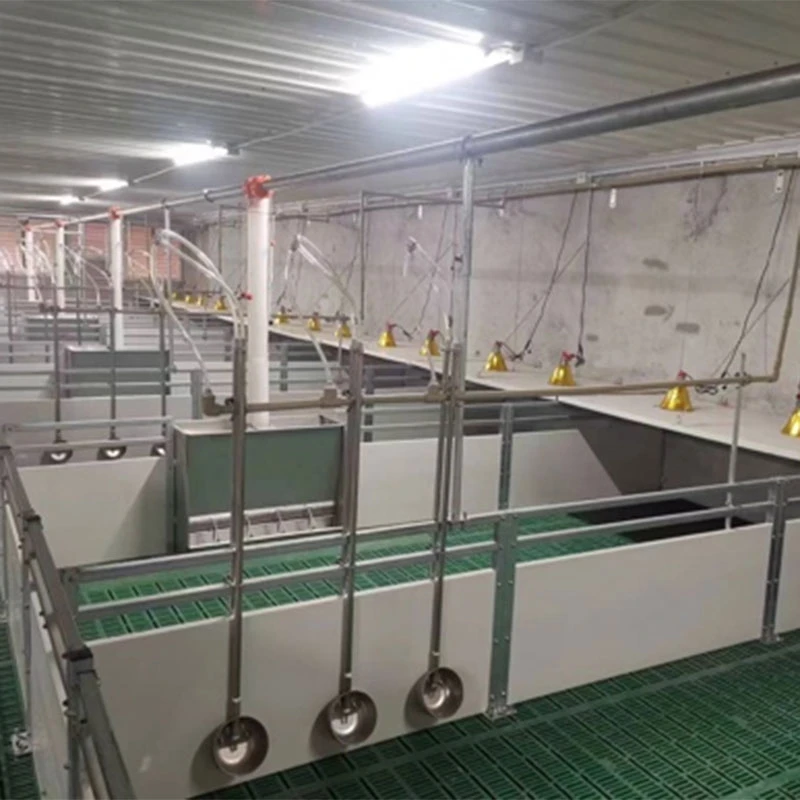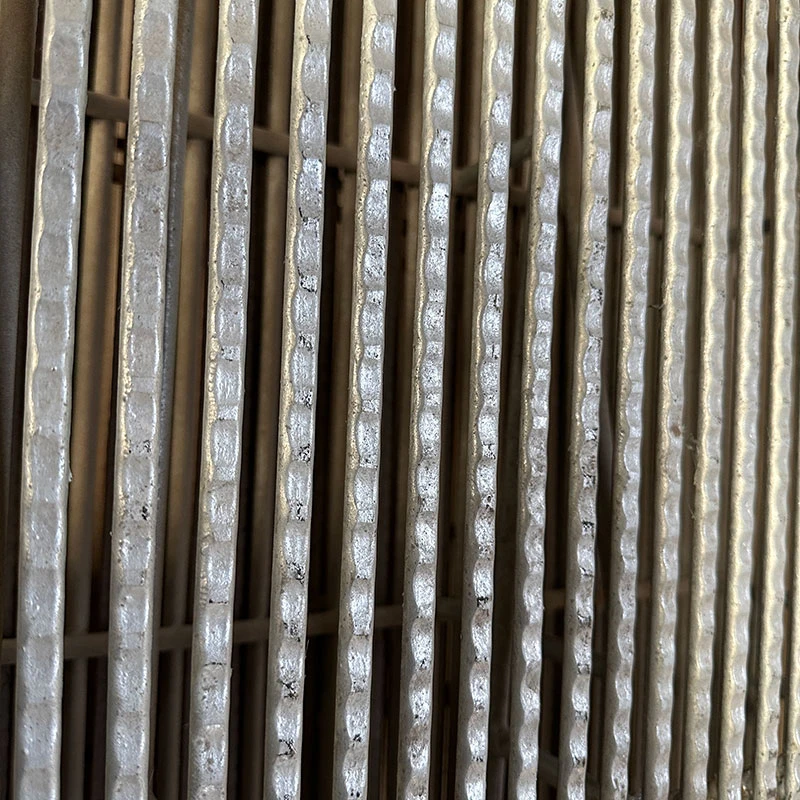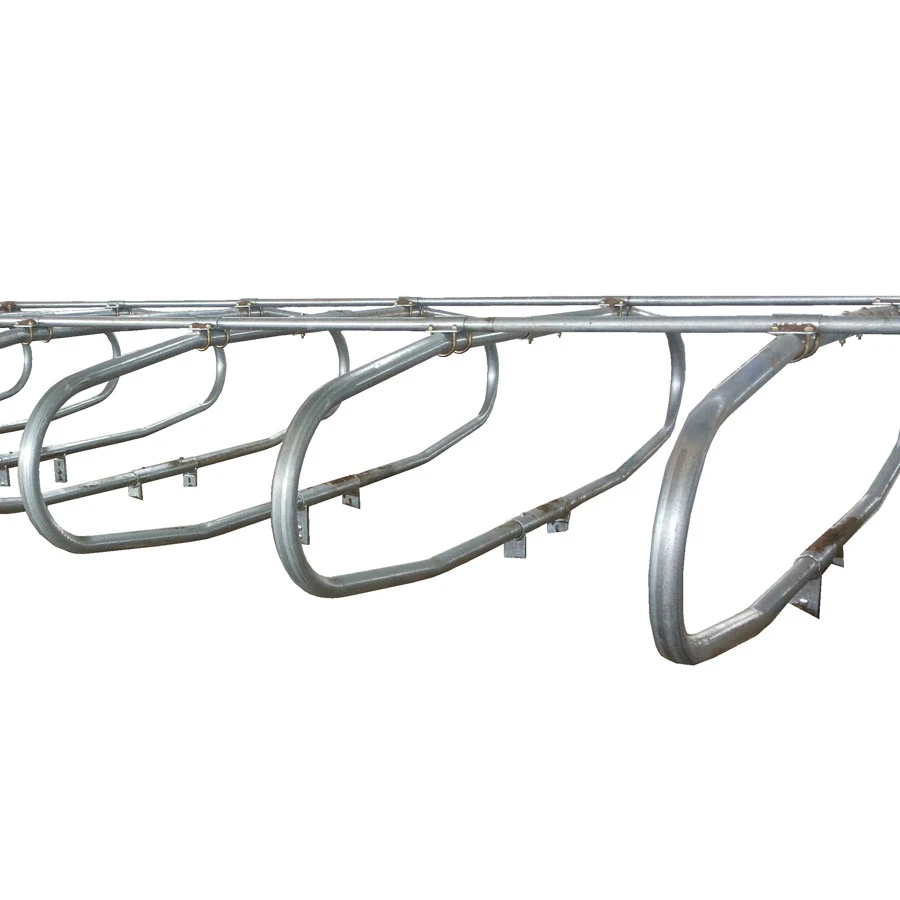
Cast iron flooring for pig barns: what’s new, what actually matters
If you’re speccing cast iron flooring for farrowing or finishing, you already know the stakes: biosecurity, hoof health, clean manure flow, and—let’s be honest—hardware that survives real barns, not lab benches. I’ve spent a good chunk of time in northern China’s foundries, including Huanghua City in Hebei Province (Dongtai Road, Economic and Technological Development Zone), where this product is made. The short of it: modern slats are stronger, cleaner, and more configurable than five years ago.
Industry trend check
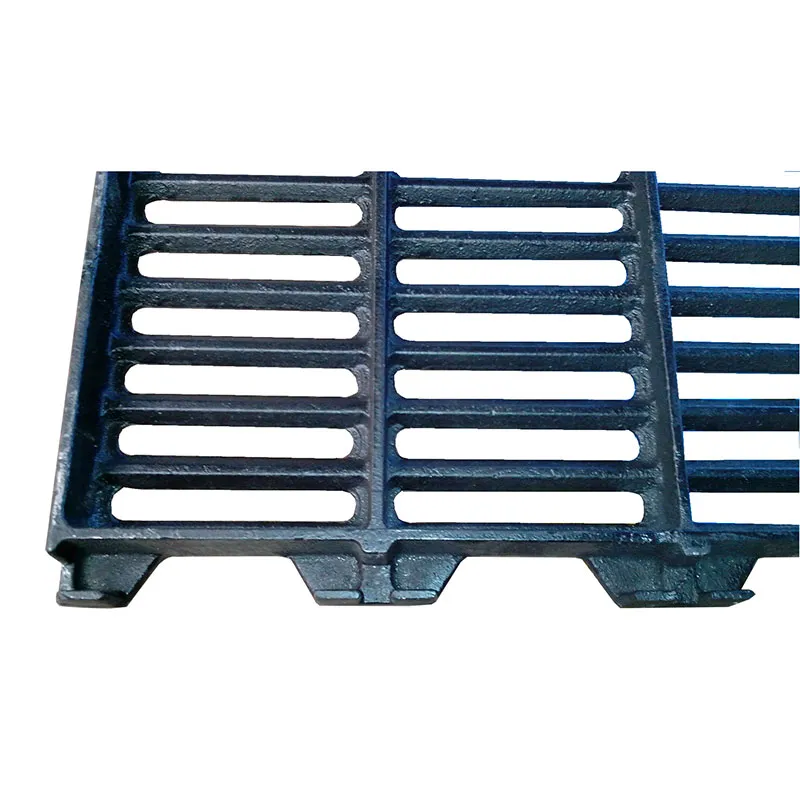
Bigger sows and heavier finishers push higher point loads, so foundries moved from generic grey iron to tighter-controlled EN-GJL-250 and, in some cases, ductile iron on critical panels. Hygiene rules also tightened—EU and Asia alike—nudging slot geometry closer to welfare guidance. Many customers say the newer epoxy-coated surfaces clean faster and hold grip better when wet; it seems that the micro-texture after shot blasting helps.
Process flow (how the good stuff is made)
Materials: high‑strength grey iron (ISO 185 EN-GJL-250 / ASTM A48 Class 35B) with controlled carbon and silicon; optional ductile iron inserts for high-wear edges. Methods: resin-sand molding, controlled cooling to stabilize microstructure, CNC deburring of bearing edges. Finishing: shot blast SA 2.5, epoxy powder coat ≈80–120 μm. Testing: static point-load, slot gauge checks (piglet vs sow), salt-spray per ISO 9227, hardness (≈180–230 HB). Service life in barns: around 10–15 years, real-world use may vary with manure chemistry and washing routines.
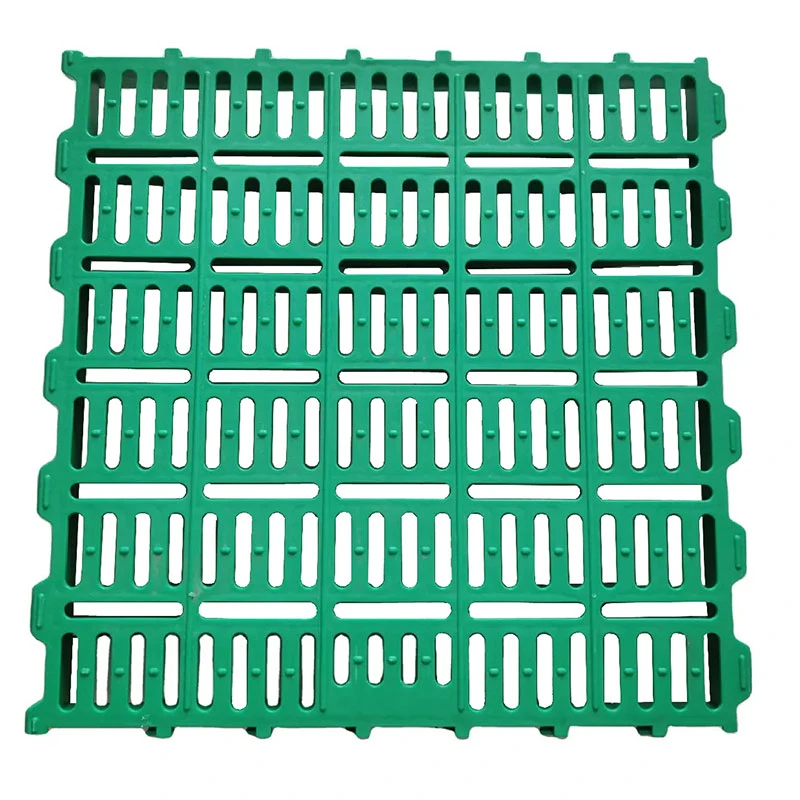
Product: Cast Iron Floor For Pig Farming Equipment
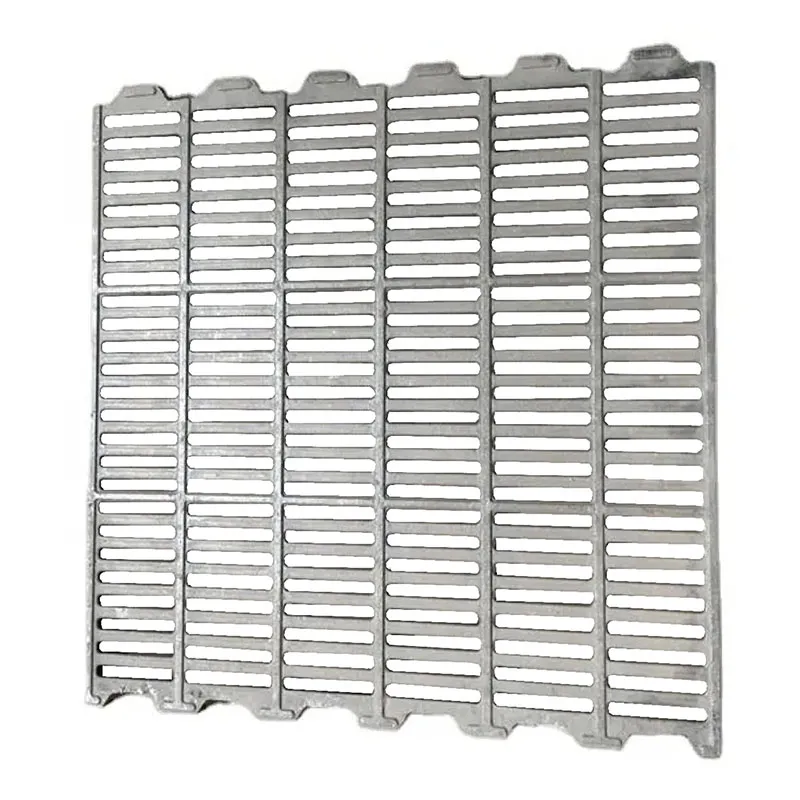
Application: sow farrowing crates, gestation stalls, nursery transitions, finishing pens. The design gives pigs a strong and safe platform, especially in farrowing and the flatten finishing period, with reliable manure drop-through.
| Spec | Typical Value | Notes |
|---|---|---|
| Material grade | EN-GJL-250 / ASTM A48 Class 35B | Ductile iron option for heavy zones |
| Slot width | Piglet ≈10–12 mm; Sow ≈17–20 mm | Aligned with welfare guidance [real barns vary] |
| Load capacity | Static point load ≈12–20 kN | Factory test jig; safety factor ≥1.5 |
| Coating | Epoxy powder 80–120 μm | Salt spray ISO 9227: 240–480 h |
| Friction | COF ≥0.55 (wet), internal lab | Method adapted from ASTM D2047 |
| Service life | ≈10–15 years | Cleaning chemistry and usage affect outcome |
| Origin | Huanghua City, Hebei, China | Dongtai Road, Economic & Tech Zone |
Where it’s used (and why)
Farrowing: firm toe grip for sows, narrow slots for piglet safety. Gestation: durable under stall posts. Finishing: smooth manure drop-through reduces ammonia spikes. We’ve seen upgrades from plastic or FRP hybrids to cast iron flooring in boar pens simply for longevity.
Vendor snapshot (buyers keep asking this)
| Vendor | Load/Coating | Customization | Certs | Lead time |
|---|---|---|---|---|
| CXLivestock (Hebei) | 12–20 kN; epoxy 80–120 μm | Slot width, logo, panel size | ISO 9001; material certs | ≈3–5 weeks |
| Imported Brand X | 15–22 kN; epoxy/polyester | Moderate options | ISO 9001; CE on systems | ≈6–9 weeks |
| Local Foundry Y | 8–12 kN; paint or thin coat | Limited | Basic quality docs | ≈2–4 weeks |
Customization and compliance
Options include bespoke slot widths (nursery vs sow), panel footprints to fit legacy crates, anti-slip ribbing, and branded tags. For compliance, verify slot/gap against your local regulation; the EU’s pig welfare directive is a good baseline. A quick factory pull test and a coating certificate go a long way.
Field notes (mini case)
A 2,400-sow unit retrofitted mixed plastic/FRP with cast iron flooring under sow stance areas. After six months, staff reported faster clean-outs and fewer chipped edges; hoof lesions seemed down—anecdotally—because bearing bars stayed flat. Not a lab study, but the barn manager swore by the upgrade.
Certifications available on request: ISO 9001 quality management, material heat numbers, coating thickness logs, salt-spray snapshots. Testing references: ISO 185 / ASTM A48 for iron classification; ISO 9227 for corrosion checks.
Authoritative references
Post time: Oct . 13, 2025