What I’m Seeing in Barns: The Quiet Rise of cast iron flooring for Pigs
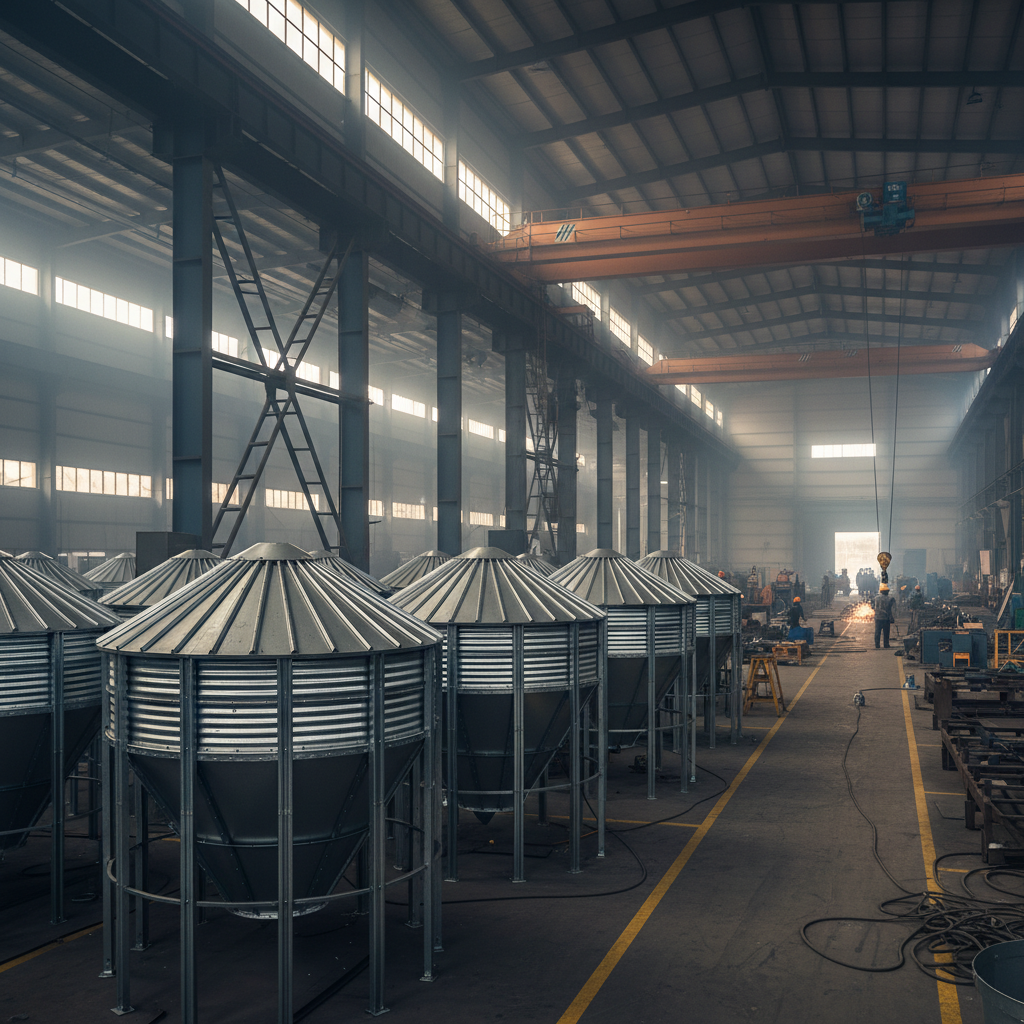
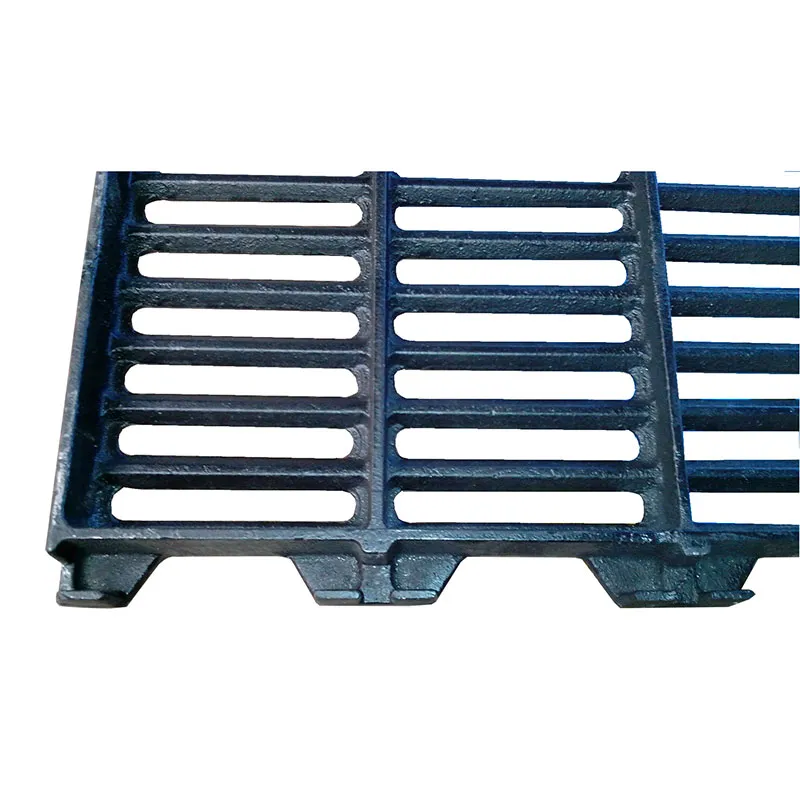
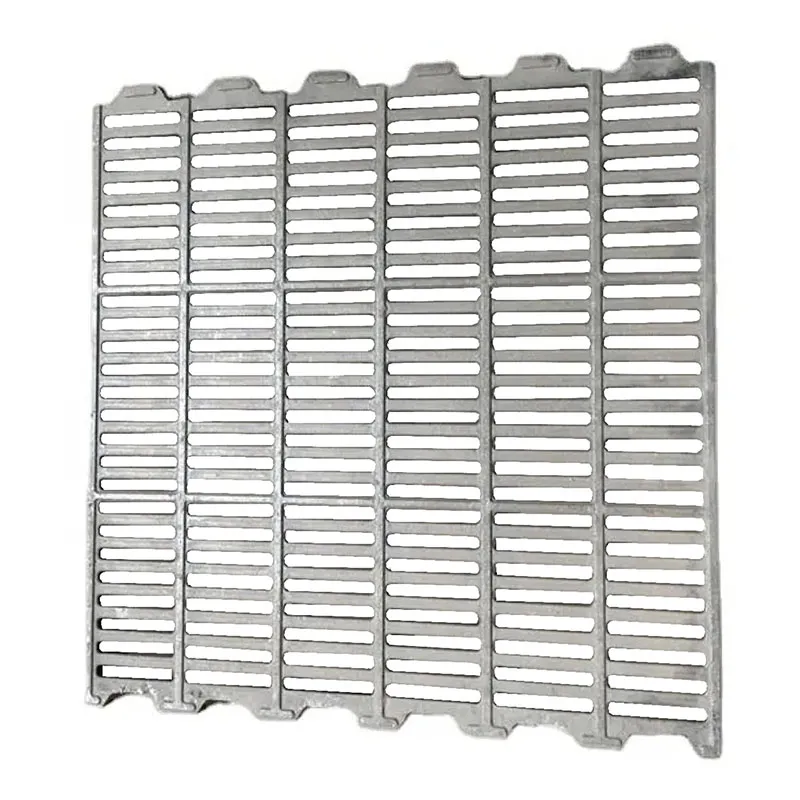
I’ve walked a lot of farrowing houses, and—surprisingly—the thing producers rave about most isn’t an IoT gadget. It’s the floor. In Dongtai Road, Economic and Technological Development Zone, Huanghua City, Hebei Province, China, I spent a day at a foundry that ships tens of thousands of panels a year. The product? Cast Iron Floor For Pig Farming Equipment. To be honest, it’s not glamorous, but it makes money by keeping sows secure and piglets dry.
Why producers are switching
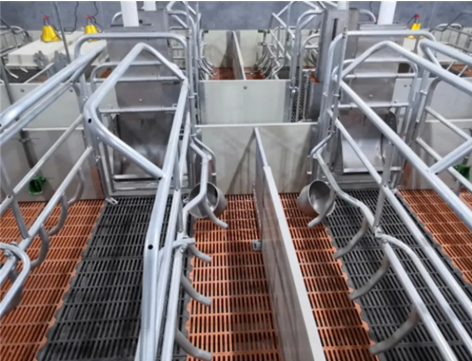
Compared with plastic slats, cast iron flooring runs cooler (handy under sows), resists chewing, and shrugs off hot-wash cycles. Many customers say the stability reduces claw injuries and that manure drop-through is simply better with the right slot geometry. Actually, the heat dissipation helps sows during lactation; a small thing, but it adds up in feed intake and comfort.
Typical specs (real barns, real-world loads)
| Parameter | Value (≈, real-world use may vary) |
|---|---|
| Material & standard | Gray cast iron, ASTM A48 Class 35–40 or EN-GJL-250 (EN 1561) |
| Panel size options | 400×600 mm; 500×600 mm; custom lengths up to 1200 mm |
| Slot/Bar widths | Piglets: 10–11 mm slots; Sows: 18–22 mm slots (ASABE EP559 & EU welfare guidance) |
| Static load rating | ≥ 20 kN per panel; deflection < 3 mm in lab tests |
| Surface finish | Shot-blasted; oil-sealed or baked enamel anti-corrosion coating |
| Thermal conductivity | ~30–50 W/m·K (cooling benefit for sows) |
| Service life | 10–15 years with routine washdowns |
Process flow and QC (short version)
- Materials: pig iron + recycled scrap; chemistry checked by spectrometer.
- Molding: green-sand casting; ribbing added to control deflection.
- Heat control: controlled cooling to reduce internal stress and brittleness.
- Finishing: gating removal, CNC edge machining, shot blasting.
- Coating: oil seal or enamel; salt-spray screened (ASTM B117, 120–240 h for coated samples).
- Testing: load/deflection jigs; slot tolerance per ASABE EP559; visual checks to EN 1561.
- Certifications: ISO 9001 factory QA; CE paperwork available for integrated equipment lines.
Where it fits
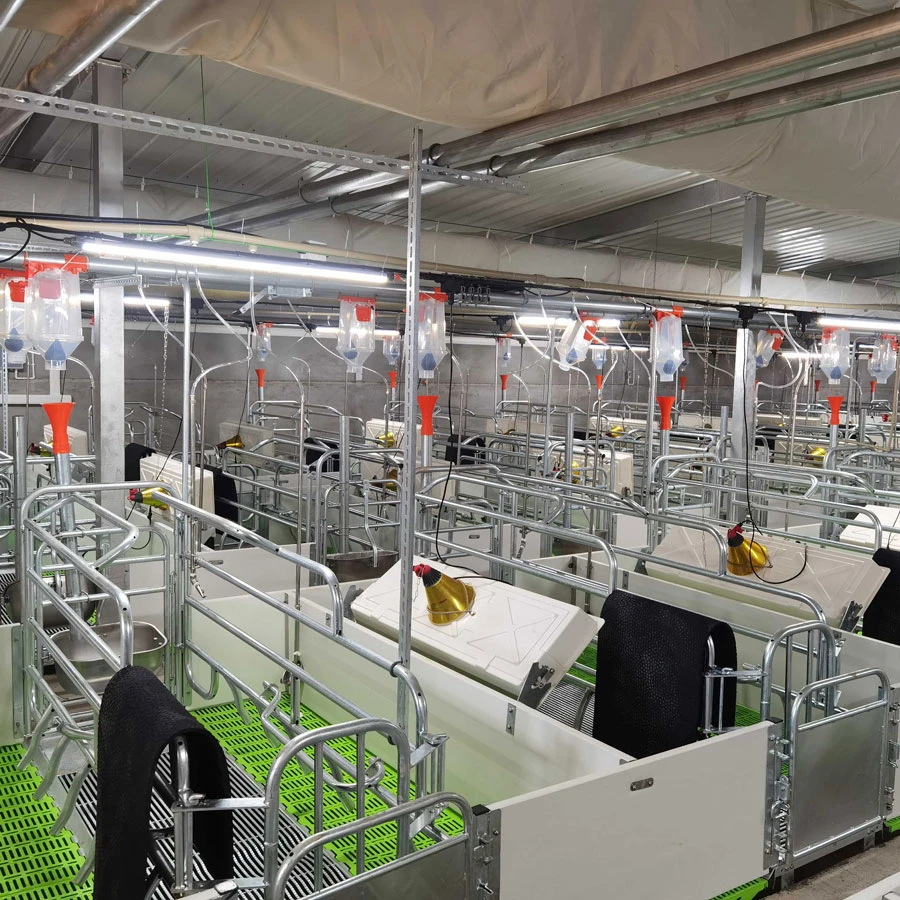
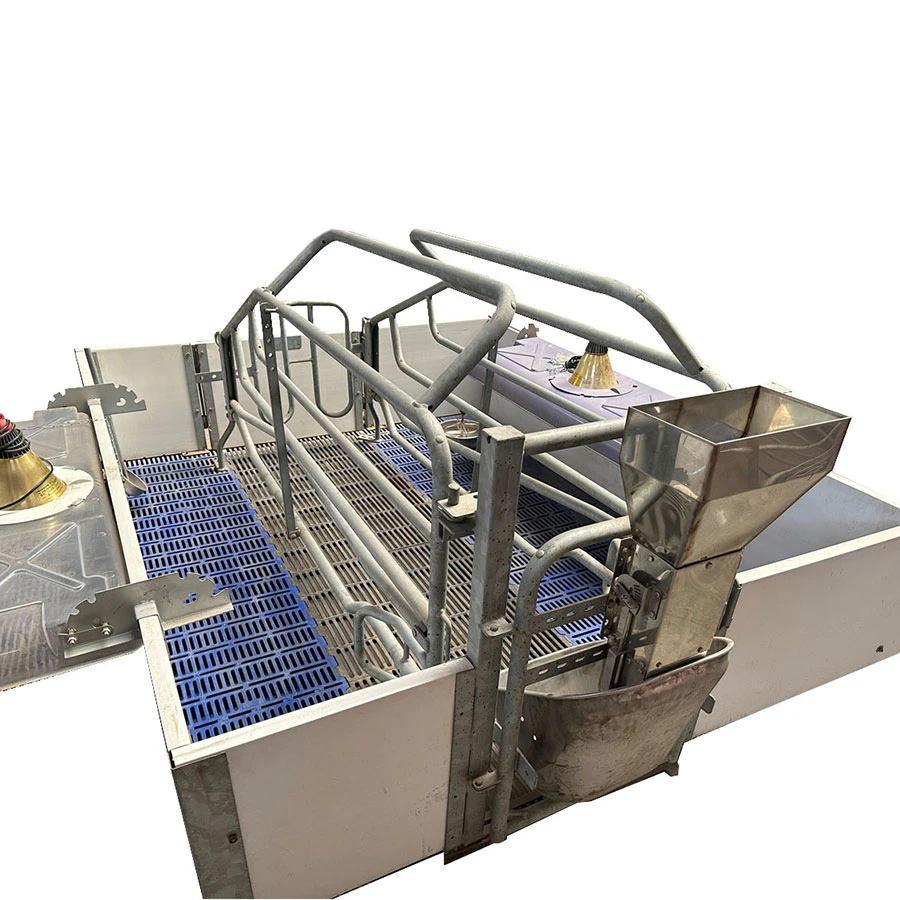
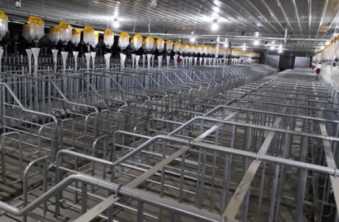
Best use cases: sow farrowing crates (under sow section), nursery transition pens along dunging alleys, and finishing barns where chemicals and pressure washers are frequent. I guess plastic still wins for piglet creep areas, while cast iron flooring carries the sow’s weight.
Vendor snapshot (quick comparison)
| Vendor | Casting standard | Load rating | Slot options | Lead time | Notes |
|---|---|---|---|---|---|
| CX Livestock (Hebei) | ASTM A48 / EN 1561 | ≥20 kN | 10–22 mm | 3–5 weeks | OEM sizing; crate integration |
| EU OEM A | EN 1561 | ≈18–22 kN | 11–20 mm | 4–8 weeks | Strong dealer support |
| Local Fabricator | Varies | ≈12–18 kN | Limited | 1–3 weeks | Cost-friendly; QC varies |
Field notes and feedback
- Midwest US 2,400-sow farm: sow slips cut by ~30% after switching under-crate section to cast iron flooring.
- EU finishing unit: wash time down 15% due to better scouring angle; ammonia smell seemed lower (subjective, but staff noticed).
Compliance-wise, slot widths and bearing-bar edges are spec’d to match ASABE EP559 and EU Council Directive 2008/120/EC recommendations. Always double-check local regs—some markets are stricter on slot width for piglets.
Customization tips
Ask for: crate bolt pattern pre-drilling, anti-slip texture in sow zones, paint-free manure edges (for grip), and proof of load/deflection tests. If chemicals are aggressive, request extended ASTM B117 salt-spray data for the chosen coating.
References:
- ASTM A48/A48M – Standard Specification for Gray Iron Castings.
- EN 1561 – Founding – Grey cast irons.
- ASABE EP559 – Design of Solid and Slotted Flooring for Livestock and Poultry.
- Council Directive 2008/120/EC – Minimum standards for the protection of pigs.
- ASTM B117 – Standard Practice for Operating Salt Spray (Fog) Apparatus.
Post time: Oct . 01, 2025