The Essential Role of the Cattle Drinking Trough: Why It Matters Globally
Picture this: across vast grasslands, dairy farms, and arid ranches, herds of cattle roam with one essential need—ready access to clean, reliable water. The cattle drinking trough might seem modest, but it’s one of the most critical components in livestock management worldwide. Why? Because proper hydration directly influences cattle health, yield, and sustainability—factors that ripple out from local farms to global food systems.
Understanding the design, deployment, and innovation behind cattle drinking troughs informs how rural communities, agribusinesses, and humanitarian efforts ensure animal welfare and productivity. In short, a good trough isn’t just a container; it’s an investment in food security and economic resilience.
Why the Cattle Drinking Trough Has Global Importance
With the global cattle population estimated at over 1.5 billion (FAO, 2022), access to potable water isn’t just a convenience—it’s a necessity. Regions from sub-Saharan Africa to the American Midwest depend heavily on livestock for livelihoods, nutrition, and trade. The United Nations’ emphasis on sustainable agriculture (UN SDG 2: Zero Hunger) aligns closely with improving water delivery systems for animals.
However, challenges abound. Droughts, infrastructural gaps, and contamination risk turn something as simple as watering cattle into a logistical nightmare for many farmers. A well-designed cattle drinking trough tackles those hurdles, delivering water safely and efficiently to ensure animals remain hydrated, healthy, and productive.
What Exactly Is a Cattle Drinking Trough?
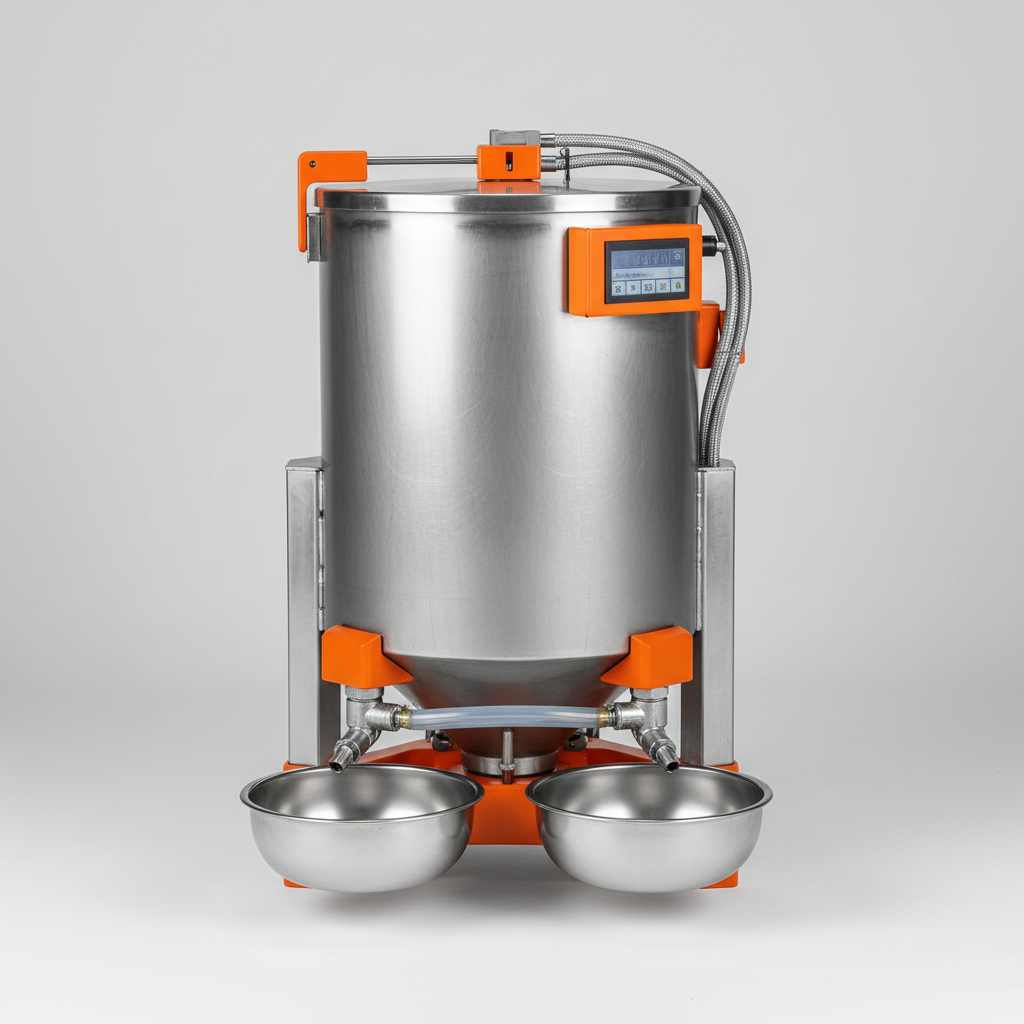
In the simplest terms, a cattle drinking trough is a container or basin designed to hold water so that cattle can drink comfortably throughout the day. They range drastically — from rudimentary stone or dugout ponds in rural areas to technologically advanced automated watering systems on large farms.
But beyond just “holding water,” modern troughs reflect advancements in material science, design ergonomics, and health standards aimed at preventing contamination and wastage. This makes them crucial tools in large scale livestock operations or emergency relief efforts where rapid setup ensures effective animal care.
Mini Takeaway:
- The cattle drinking trough serves as a vital component in ensuring animal hydration and overall farm productivity.
- Its design is adapting to global needs—from simple basins to automated watering solutions.
Key Features of a Good Cattle Drinking Trough
Durability and Material Choice
Many engineers swear by galvanized steel or reinforced concrete due to their resilience against weathering and cattle impact. Plastic troughs, especially polyethylene, offer lightweight and corrosion-resistant alternatives. Durability isn’t just for longevity; it affects hygiene and safety as damaged troughs can harbor bacteria.
Size and Capacity
The watering needs of cattle vary by herd size, climate, and breed. Trough capacity must be sufficient to supply water multiple times daily without frequent refills. Oversized troughs reduce labor but might lead to increased water warming or contamination risks.
Ease of Cleaning and Maintenance
A cattle trough should facilitate straightforward cleaning to avoid algae and pathogens buildup. Smooth surfaces and accessible designs often help with regular maintenance routines.
Water Source and Supply System Integration
Whether connected to wells, pipelines, or rainwater harvesting systems, the trough’s plumbing setup impacts its effectiveness. Automated refill valves reduce labor and help maintain constant water availability.
Location and Accessibility
Proper placement ensures cattle can drink without stress or competition. Also, it lessens the risk of water contamination from soil runoff or manure.
Product Specification Table
| Specification | Typical Values / Options |
|---|---|
| Material | Galvanized Steel, Polyethylene, Concrete |
| Capacity | 100–1000 Liters (Varies by design) |
| Dimensions | 1.5m to 3m length, 0.5m to 1m depth |
| Weight | 20kg (plastic small models) to 500kg (concrete) |
| Features | Automatic refill valve, anti-spill rims, easy-clean surface |
Mini Takeaway:
The best cattle drinking troughs balance durability, capacity, and ease of maintenance, with material choice reflecting the environment and logistics.
Where and How Cattle Drinking Troughs Are Used Globally
From the Pampas of Argentina to Australia’s Outback, and the agricultural heartlands of the US to vast landscapes in India or Africa, these troughs are everywhere animals gather. Their role goes beyond typical farming:
- Disaster Relief Operations: After floods or droughts, portable cattle troughs help NGOs quickly restore livestock water access.
- Remote Industrial Zones: Mining and oil fields often set up temporary troughs to support worker-owned or local cattle supplies.
- Community Livestock Projects: In developing nations’ villages, improved trough infrastructure supports food security and herd health.
Organizations like FAO and NGOs often include cattle watering infrastructure as part of comprehensive rural development programs. And cattle drinking trough manufacturers increasingly cater to international aid with modular solutions.
What Are the Advantages of Modern Cattle Drinking Troughs?
The tangible benefits range far beyond the obvious. Sure, they save time and effort by minimizing water spillage and contamination risk. But they also boost animal welfare — hydrated cattle are less stressed, more productive, and less prone to disease.
On the economic side, farms reduce veterinary costs and improve meat or milk yields. Socially, enhanced troughs restore dignity to pastoral livelihoods by enabling consistent care. And then there’s the sustainability angle — better water management means less wastage, a growing concern in water-scarce regions.
Upcoming Trends Shaping the Future of Cattle Drinking Troughs
Innovation is quietly buzzing around this traditional farming staple. Smart troughs equipped with sensors now monitor water levels and quality remotely. Solar-powered automatic refill systems reduce dependence on grid electricity. New eco-friendly composite materials promise longer life spans with lighter weight.
Additionally, climate-conscious designs that minimize evaporation and encourage recycling water are gaining traction. There’s also promising research into water purification integrated directly into troughs — imagine a trough that keeps itself free of bacteria or harmful microbes.
What Challenges Do Cattle Drinking Troughs Face and How Are They Tackled?
Despite advances, challenges remain. Contamination from manure or dust can still occur, especially with large herds. In drought-prone areas, water supply often cannot meet demand, limiting trough effectiveness. Cost constraints also prevent lower-income farmers from upgrading to better models.
Solutions include simple but effective measures such as routine cleaning schedules, elevating troughs above ground level, and community water management plans. Also, scalable designs allow modular upgrades as budgets permit. NGOs often subsidize trough installation in vulnerable zones, while manufacturer innovation drives affordability.
FAQ: Your Questions About Cattle Drinking Troughs Answered
- What materials are best for cattle drinking troughs in harsh climates?
- Galvanized steel and high-density polyethylene are top picks. Steel provides superior durability but can be prone to rust if not treated, while polyethylene offers corrosion resistance and lighter weight—ideal for transport and installation in challenging environments.
- How often should a cattle drinking trough be cleaned?
- Regular cleaning every 1–2 weeks is recommended to prevent algae and bacterial growth. More frequent cleaning might be necessary in hot climates or heavily used troughs.
- Are automatic refill valves worth the extra cost?
- For medium to large herds, yes. They maintain a consistent water level, reduce labor, and minimize water wastage by avoiding overflows.
- Can cattle drinking troughs help in drought-affected regions?
- They can, especially when designed to minimize water loss and connected to efficient water sources. Portable models can be relocated to where water is available, enhancing adaptability.
Wrapping It Up: The Long-Term Worth of Investing in Quality Cattle Drinking Troughs
To be frank, the significance of a cattle drinking trough goes beyond simply quenching thirst. Proper design and deployment unlock health, productivity, and sustainability in livestock farming. With emerging innovations, these humble water carriers are becoming smarter, greener, and more resilient — a quiet revolution for global agriculture.
If you're looking to upgrade your cattle watering system or need expert advice, feel free to visit our website: https://www.cxlivestock.com. Because sometimes, it’s the simple things that make the biggest difference.
Vendor Comparison Snapshot
| Vendor | Material Options | Price Range (USD) | Special Features |
|---|---|---|---|
| FarmTroughs Inc. | Galvanized Steel, Concrete | $150 - $450 | Heavy-duty, anti-chew coating |
| PolyAgri Solutions | High-Density Polyethylene | $100 - $300 | Lightweight, UV resistant |
| GreenWater Systems | Composite Eco-Materials | $180 - $400 | Solar powered refill valves |
Final Thoughts
Caring for cattle is really caring about the future of food, economy, and environment. A well-chosen and maintained cattle drinking trough is often overlooked but immensely valuable. In real terms, when you provide the right foundation for hydration, everything else tends to fall in place.
References
Post time: Dec . 02, 2025