Introduction to Advanced Cattle Headlocks for Modern Livestock Operations
In contemporary livestock management, optimizing animal handling, feed efficiency, and veterinary care is paramount for productivity and animal welfare. Central to this optimization are advanced headlock systems. When sourcing reliable cattle headlocks for sale, producers require solutions that offer unparalleled durability, safety, and operational efficiency. These critical pieces of equipment are designed to securely hold individual animals, facilitating precise feeding, health checks, artificial insemination, and other routine procedures with minimal stress to the livestock and maximum safety for farm personnel.
Modern headlocks, including options like calf headlocks for sale and advanced self locking head gates for sale, integrate robust engineering with animal-friendly designs. They are essential for a wide range of livestock operations, from small family farms to large-scale industrial dairies and beef feedlots, contributing significantly to streamlined daily routines and long-term herd health management. This document provides a comprehensive overview of the technical aspects, applications, and strategic considerations for acquiring high-performance cattle headlock systems.
Manufacturing Process and Quality Assurance for Cattle Headlocks
The production of high-quality cattle headlocks for sale involves a meticulous manufacturing process, ensuring each unit withstands the rigors of daily farm use while prioritizing animal safety and operational longevity. Emphasis is placed on material selection, precision engineering, and stringent quality control protocols.
Process Flow Overview:
- Material Sourcing & Preparation: High-grade materials such as hot-dip galvanized steel, stainless steel, and specialized reinforced plastics are procured. Steel components typically meet or exceed ASTM A36 or equivalent international standards for structural integrity. Galvanization adheres to ISO 1461 for superior corrosion resistance, crucial in ammonia-rich barn environments.
- Precision Cutting & Forming: Steel tubing and plates undergo automated laser cutting or high-precision CNC plasma cutting to ensure exact dimensions. Bending and forming processes are executed using hydraulic presses and CNC bending machines, maintaining tight tolerances (e.g., ±0.5 mm) for optimal fit and function.
- Welding & Fabrication: Components are assembled and welded using advanced MIG/MAG welding techniques, often robotically, to guarantee consistent bead quality and structural strength. Critical stress points are reinforced. Each weld undergoes visual inspection, and batch samples may be subjected to non-destructive testing (NDT) like ultrasonic testing to detect internal flaws.
- Surface Treatment: For maximum durability and hygiene, fabricated headlock frames undergo thorough cleaning and degreasing before hot-dip galvanization. This process creates a metallurgically bonded zinc coating, providing cathodic and barrier protection against rust and wear, extending service life significantly—often 15-20 years in typical farm conditions.
- Assembly & Component Integration: Galvanized frames are then fitted with specialized components such as self-locking mechanisms, noise-dampening rubber stoppers, adjustable neck bars, and pivot points. These components are chosen for their resilience and smooth operation, ensuring animal comfort and reducing operational noise.
- Quality Control & Testing: Each completed headlock unit undergoes rigorous functional testing. This includes verification of locking mechanism reliability, smooth pivot action, and dimensional accuracy against design specifications. Load-bearing tests simulate real-world forces exerted by livestock. Critical standards such as ISO 9001 (Quality Management) and local agricultural equipment safety directives are adhered to throughout production.
- Packaging & Shipping: Finished products are carefully packaged to prevent damage during transit, ensuring they arrive at the client's site in optimal condition.
This comprehensive process ensures that headlocks for cattle farming are not just functional but represent a long-term investment in farm infrastructure, delivering superior performance and reliability.
Technical Specifications and Design Parameters
The effectiveness of any cattle headlock system hinges on its technical design and material specifications. Below are typical parameters for high-performance cattle headlocks for sale, highlighting key features that contribute to their utility and durability.
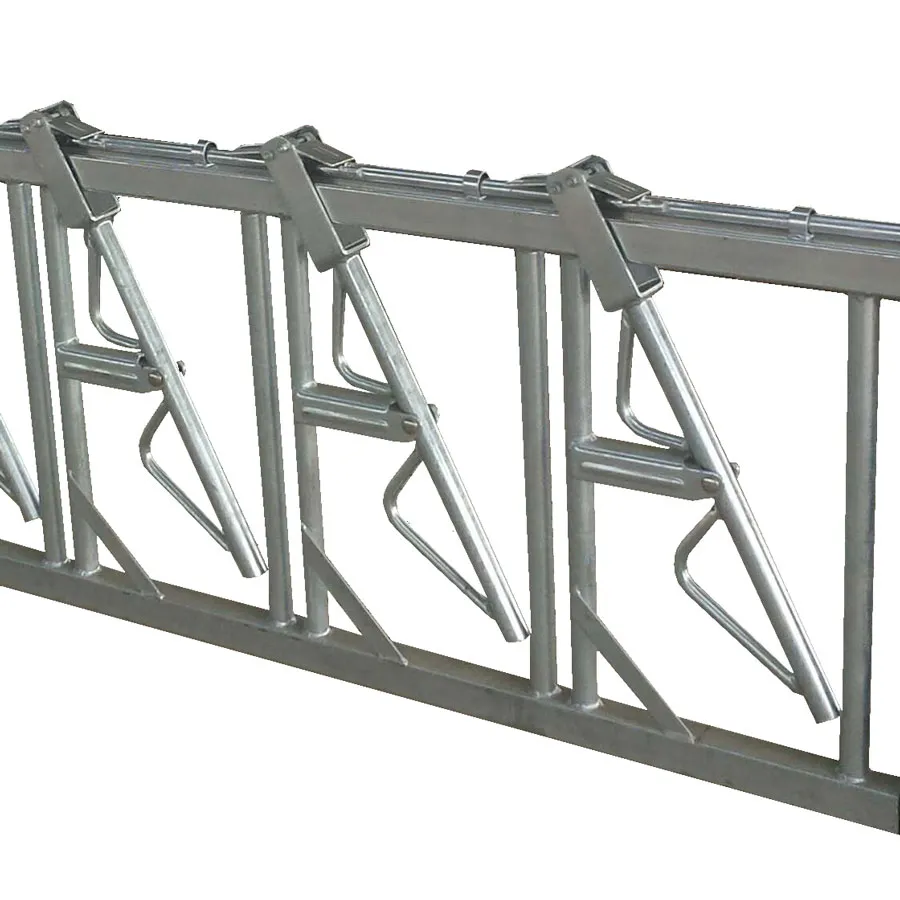
Figure 1: Robust Construction of Modern Cattle Headlocks.
Typical Product Specifications (Cattle Head Lock For Cattle Farming Equipment):
| Parameter | Specification | Benefit |
|---|---|---|
| Material | High-strength hot-dip galvanized steel (e.g., Q235B or equivalent), UV-stabilized plastic/rubber components | Exceptional corrosion resistance, long service life, animal safety |
| Panel Length Options | 3.0m (4-head), 4.5m (6-head), 6.0m (8-head), 7.5m (10-head) | Versatility for various herd sizes and barn configurations |
| Headspace Width (Adjustable) | 180mm - 250mm (7.1 - 9.8 inches) | Accommodates different animal sizes (calves to mature cows), prevents choking |
| Locking Mechanism | Individual and batch self-locking, quick-release lever | Efficient animal management, rapid emergency release, reduced labor |
| Neck Bar Design | Smooth, rounded edges with noise-dampening rubber stops | Minimizes animal injury and stress, quieter operation |
| Mounting System | Heavy-duty clamps for vertical posts (e.g., 2-3 inch pipes) | Secure, stable installation, adaptable to existing structures |
| Service Life Expectancy | 15-20 years with proper maintenance | High return on investment, reduced replacement costs |
These specifications underscore the robust engineering required for dependable livestock equipment. The adjustability in headspace width, for instance, allows a single system to be used for different age groups, from growing heifers to mature cows, showcasing the versatility of well-designed cattle headlocks for sale.
Application Scenarios for Cattle Headlock Systems
The utility of robust cattle headlocks for sale extends across numerous critical operations within modern livestock farming. Their primary function is to secure individual animals safely and efficiently, streamlining daily tasks and enhancing both animal welfare and operational safety.
Key Applications:
- Controlled Feeding and Nutrition Management: Headlocks enable individual animals to access feed without competition or selective eating, ensuring each animal receives its prescribed ration. This is particularly vital for precision feeding programs, fresh-cow feeding, or managing animals with specific dietary needs. It also prevents feed waste by controlling access.
- Veterinary Examinations and Treatments: Safely restraining cattle is essential for administering vaccinations, performing health checks, drawing blood samples, treating injuries, or conducting other medical procedures. The secure hold minimizes animal movement, reducing the risk of injury to both the animal and the veterinarian.
- Reproductive Management: Tasks such as artificial insemination (AI) and pregnancy checks require animals to be held steadily. Headlocks provide the necessary stability, improving the success rates of these delicate procedures and ensuring operator safety.
- Hoof Care and Trimming: While not a full hoof-trimming chute, headlocks can facilitate basic hoof inspection and minor treatment by holding the animal securely in place, allowing for safer access to the hooves.
- Animal Sorting and Identification: For larger operations, headlocks aid in temporarily isolating animals for ear tagging, branding, or separation into different groups. When combined with advanced identification systems, they streamline herd management.
- Calf Management: Specialized calf headlocks for sale are designed with smaller dimensions and gentler mechanisms, ideal for handling younger animals for vaccinations, weaning, or other early-life interventions.
- Feedlot and Dairy Operations: In high-density environments, headlocks are indispensable for routine tasks, ensuring every animal gets proper attention while maintaining feed bunk access and minimizing aggressive interactions.
The strategic integration of these systems significantly reduces labor requirements, improves workflow efficiency, and enhances the overall health and productivity of the herd, solidifying their role as indispensable equipment.
Technical Advantages and Benefits
Investing in advanced cattle headlocks for sale yields substantial technical advantages and operational benefits for livestock producers. These advantages extend beyond mere animal restraint, impacting efficiency, safety, animal welfare, and ultimately, profitability.
Key Advantages:
- Enhanced Animal Welfare & Reduced Stress: Modern headlocks are designed with smooth, rounded edges and noise-dampening components to minimize injury and fright during restraint. The adjustable neck bar ensures a comfortable fit for various animal sizes, reducing pressure points and stress, which can positively influence milk production and growth rates.
- Improved Operational Efficiency: Self-locking mechanisms allow animals to enter and secure themselves, significantly reducing labor. Batch release options facilitate quick and coordinated management. This automation streamlines feeding, treatment, and sorting, allowing farm staff to accomplish more in less time.
- Superior Personnel Safety: By securely restraining potentially unpredictable animals, headlocks mitigate the risk of injury to farm workers during veterinary procedures, artificial insemination, or routine inspections. This creates a safer working environment and reduces liability.
- Optimized Feed Management: Headlocks ensure equal access to feed for all animals, preventing dominant animals from monopolizing feed bunks and promoting consistent intake across the herd. This can lead to better feed conversion ratios and reduced feed waste.
- Exceptional Durability and Corrosion Resistance: Constructed from hot-dip galvanized steel, these systems offer superior protection against rust and degradation from corrosive farm environments (e.g., manure, urine, cleaning agents). This extends the product's lifespan, minimizing replacement costs and maintenance downtime.
- Versatility and Adaptability: Available in various lengths and configurations (e.g., self locking head gates for sale, specific sizes for calves), headlocks can be integrated into new or existing barn layouts, feed alleys, or treatment areas, providing flexible solutions for diverse operational needs.
- Enhanced Herd Health Monitoring: Facilitated individual animal access means easier detection and treatment of sick or injured animals, leading to quicker intervention and better health outcomes for the entire herd. This contributes to reduced medication costs and increased productivity.
These advantages collectively underscore why modern cattle headlock systems are an indispensable component of efficient and humane livestock management, offering a significant return on investment through increased productivity and reduced operational risks.
Industry Trends in Livestock Equipment
The livestock equipment industry is continually evolving, driven by demands for increased efficiency, enhanced animal welfare, sustainability, and data-driven management. Several key trends are shaping the development and adoption of products like cattle headlocks for sale.
Emerging Trends:
- Automation and Smart Farming Integration: There's a growing push towards automated systems that reduce manual labor. While headlocks themselves are largely mechanical, their integration into larger automated feeding systems or linked with animal identification (RFID) for individual animal tracking is a significant trend. This allows for data collection on feed intake, treatment records, and activity patterns.
- Emphasis on Animal Welfare Design: Beyond basic restraint, modern designs prioritize minimizing stress and injury. Features like quieter operation, smoother edges, adjustable sizes for growth stages (including specialized calf headlocks for sale), and improved emergency release mechanisms are becoming standard. This aligns with consumer demands and stricter welfare regulations.
- Durability and Longevity: Farmers are seeking equipment with extended service life to maximize ROI. This translates to increased demand for high-grade materials (e.g., heavy-duty hot-dip galvanized steel, stainless steel for critical components) and robust manufacturing processes that resist corrosion and wear in harsh farm environments.
- Modular and Scalable Solutions: Equipment that can be easily expanded or adapted to different farm sizes and evolving needs is highly valued. Modular headlock panels that can be configured for varying lengths and animal capacities offer this flexibility.
- Customization and Specialized Applications: While standard headlocks are versatile, there's increasing interest in customized solutions for unique barn layouts, specific breeds, or specialized medical procedures, indicating a shift towards more tailored equipment offerings.
- Sustainability and Hygiene: Equipment designed for easy cleaning and minimal waste is gaining traction. Materials that resist bacterial growth and designs that facilitate efficient waste removal contribute to a healthier barn environment and reduce the use of harsh chemicals.
These trends indicate a move towards more sophisticated, animal-centric, and data-integrated livestock equipment, positioning advanced headlock systems as fundamental components in the future of sustainable and productive farming.
Vendor Comparison: Selecting the Right Cattle Headlock Provider
Choosing the right supplier for cattle headlocks for sale is a critical decision that impacts long-term operational efficiency and animal welfare. A comparative analysis helps identify vendors that align with specific farm needs, budget, and quality expectations.
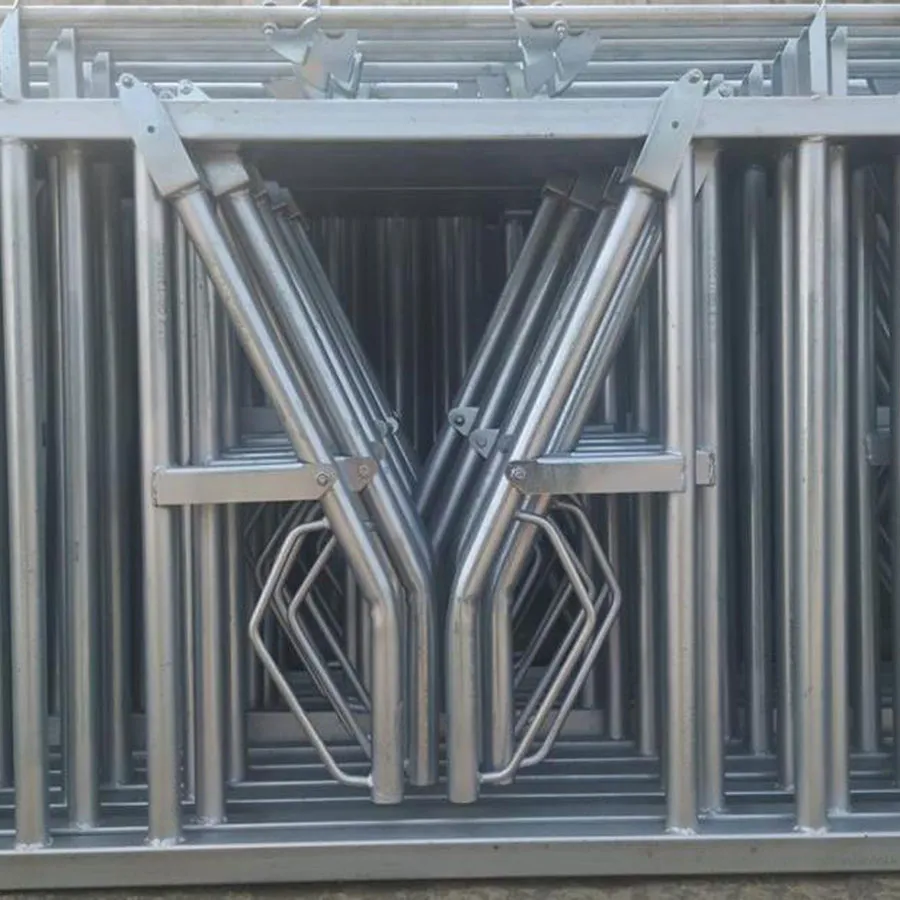
Figure 2: Ergonomic Design for Animal Safety and Ease of Use.
Comparative Analysis of Leading Headlock Systems (Illustrative):
| Feature/Vendor | Manufacturer A (Premium) | Manufacturer B (Standard) | Manufacturer C (Value) |
|---|---|---|---|
| Primary Material | Heavy-duty Hot-Dip Galvanized Steel (min. 80 micron zinc coating) | Standard Hot-Dip Galvanized Steel (min. 60 micron zinc coating) | Electro-galvanized or painted steel |
| Locking Mechanism | Individual and Batch, Silent Release, Patented Quick-Action | Individual and Batch, Standard Release | Mostly Batch, Basic Release |
| Adjustability | Multi-positional, Tool-free Neck Bar Adjustment (180-250mm) | Limited Neck Bar Adjustment (200-240mm), Tool-required | Fixed or minimal adjustment |
| Animal Welfare Features | Rubber buffers, rounded profiles, anti-choke design | Smooth edges, basic noise reduction | Standard design, minimal specific welfare features |
| Warranty | 5 years structural, 2 years moving parts | 3 years structural, 1 year moving parts | 1 year limited |
| Customization Options | Extensive (length, height, material, specialized headspaces) | Moderate (length, standard sizes) | Limited to standard configurations |
| Price Range (per headlock space) | $$$ | $$ | $ |
When evaluating suppliers for self locking head gates for sale, it's crucial to consider not just the initial cost but the total cost of ownership, including durability, maintenance requirements, and the impact on animal health and farm productivity. Premium vendors often offer higher initial investment but deliver superior longevity, fewer welfare issues, and greater operational efficiency over time. Certificates like ISO 9001 and CE marks indicate adherence to international quality and safety standards, providing an important layer of assurance.
Customized Solutions for Diverse Farm Needs
Recognizing that every livestock operation possesses unique characteristics—from barn layouts and herd sizes to specific management protocols—leading manufacturers of cattle headlocks for sale offer extensive customization options. This flexibility ensures that equipment perfectly integrates into existing infrastructure and addresses particular operational challenges.
Tailoring Headlock Systems:
- Variable Panel Lengths and Headspace Counts: Beyond standard lengths (e.g., 4, 6, 8, 10 headspaces), manufacturers can fabricate panels to exact specifications, optimizing space utilization in irregularly shaped barns or feed alleys.
- Adjustable Neck Bar Configurations: While most headlocks offer some adjustability, customized solutions can include wider ranges of neck bar settings or specialized designs for specific breeds (e.g., horned cattle, dairy vs. beef) or age groups (e.g., dedicated calf headlocks for sale).
- Mounting System Adaptations: Custom brackets and mounting hardware can be engineered to fit non-standard post sizes, wall types, or unique structural elements within a barn, ensuring secure and stable installation.
- Material Enhancements: For extremely corrosive environments, options like increased zinc coating thickness for galvanization, or the use of stainless steel for critical components (e.g., locking mechanisms, pivot points) can be provided.
- Integrated Features: Custom solutions can include integration points for automated feed delivery systems, specific attachment points for veterinary equipment, or unique color coatings for branding or functional differentiation.
- Specialized Locking Mechanisms: For operations requiring a specific type of restraint or release, custom-designed self-locking head gates can be developed, optimizing for speed, silence, or ease of single-person operation.
The ability to provide bespoke solutions highlights a manufacturer's engineering capabilities and commitment to customer success. Engaging with a vendor early in the planning phase allows for co-creation of systems that precisely meet the unique demands of modern livestock operations, maximizing both animal welfare and economic returns.
Application Case Studies: Real-World Impact
The tangible benefits of high-quality cattle headlocks for sale are best illustrated through real-world applications. These case studies highlight how optimized headlock systems contribute to significant improvements in farm efficiency, animal health, and profitability.
Case Study 1: Large Dairy Farm Productivity Enhancement
A large-scale dairy farm in Wisconsin, managing over 1,200 lactating cows, faced challenges with inconsistent feed intake and inefficient individual animal management. Prior to upgrading, the farm utilized older, less reliable gate systems for restraining cows, leading to increased labor hours for feeding, veterinary checks, and artificial insemination. After installing 150 meters of high-density cattle headlocks for sale, featuring individual self-locking mechanisms and quick-release levers, the farm observed remarkable improvements:
- Feed Efficiency: A 5% reduction in feed waste was recorded within the first six months, attributed to precise feed access and reduced competition.
- Labor Savings: Time spent on individual animal handling for routine tasks (vaccination, AI) decreased by 30%, freeing up staff for other critical activities.
- Herd Health: Early detection and treatment of health issues improved, leading to a 10% reduction in average somatic cell count (SCC) and fewer lameness incidents due to calmer handling.
The robust hot-dip galvanized construction ensured durability in continuous use, contributing to a projected service life exceeding 15 years.
Case Study 2: Beef Cattle Feedlot Safety and Throughput
A growing beef feedlot in Alberta, Canada, with a capacity for 5,000 head, struggled with worker safety and slow processing times during herd health days. Aggressive animal behavior during handling was a significant concern. The implementation of robust self locking head gates for sale, specifically designed for beef cattle and integrated into their existing alleyways, transformed their operation:
- Enhanced Safety: Incidents of worker injury related to cattle handling dropped by 60% in the first year, significantly improving workplace safety metrics.
- Increased Throughput: The efficiency of processing cattle for branding, vaccinations, and weighing increased by 25%, allowing the feedlot to manage more animals in less time.
- Reduced Animal Stress: Quieter operation and smoother locking mechanisms contributed to calmer animals, evidenced by reduced cortisol levels measured in post-treatment samples, leading to better weight gain retention.
These case studies underscore the measurable advantages that modern, well-engineered headlock systems bring to diverse livestock operations, solidifying their status as indispensable components of farm infrastructure.
Frequently Asked Questions (FAQ)
Q1: What are the primary benefits of investing in high-quality cattle headlocks for sale?
A1: High-quality cattle headlocks offer numerous benefits, including enhanced animal welfare through reduced stress and injury, increased operational efficiency by streamlining feeding and handling, improved safety for farm personnel, optimized feed management to prevent waste, and superior durability against harsh farm environments, leading to a strong return on investment.
Q2: How do self-locking head gates improve farm operations?
A2: Self locking head gates for sale significantly improve operations by allowing individual animals to enter and secure themselves automatically. This feature drastically reduces the labor required for manually catching and restraining cattle, speeds up routine tasks like feeding and veterinary checks, and minimizes disruption to the herd, enhancing overall farm productivity.
Q3: Are there different types of headlocks for different animal sizes, such as calves?
A3: Yes, manufacturers often provide specialized headlocks to accommodate different animal sizes. For calves, there are specific calf headlocks for sale designed with narrower headspace adjustments and appropriate heights to ensure safe and comfortable restraint for younger, smaller animals during their unique management needs.
Q4: What maintenance is required for cattle headlocks?
A4: Modern cattle headlocks are designed for low maintenance. Regular checks should include lubricating moving parts (e.g., pivot points, locking mechanisms) with weather-resistant grease, ensuring all bolts and connections are tight, and periodically cleaning to prevent build-up of feed or manure. Inspecting the hot-dip galvanized coating for any damage is also recommended to maintain corrosion resistance.
Q5: How long do cattle headlocks typically last?
A5: High-quality hot-dip galvanized steel cattle headlocks, such as the Cattle Head Lock For Cattle Farming Equipment, are engineered for exceptional longevity. With proper installation and routine maintenance, they can reliably perform for 15-20 years or even longer in typical farm environments, providing a durable and sustainable investment.
Lead Time, Warranty, and After-Sales Support
Transparency and reliability in logistics and post-purchase services are paramount for B2B clients considering cattle headlocks for sale. Reputable manufacturers provide clear commitments on lead times, comprehensive warranties, and robust after-sales support.
Lead Time & Fulfillment:
- Standard Orders: Typically 3-5 weeks from order confirmation to dispatch for standard configurations, depending on order volume.
- Customized Solutions: May require 6-8 weeks, factoring in design, fabrication, and specific material sourcing.
- Shipping & Logistics: Global shipping options are available, with detailed tracking and estimated delivery dates provided upon order confirmation. Express shipping options can be arranged for urgent requirements, subject to additional charges.
Warranty Commitments:
Manufacturers like [Your Company Name, if applicable, otherwise generic for high-quality products] typically offer a robust warranty for their Cattle Head Lock For Cattle Farming Equipment:
- Structural Integrity: A 5-year warranty on the hot-dip galvanized steel frame against manufacturing defects and premature corrosion under normal use conditions.
- Moving Parts: A 2-year warranty on all moving components, including locking mechanisms, pivot points, and rubber buffers, against defects in material and workmanship.
- Conditions: Warranties are valid for products installed and maintained according to manufacturer guidelines.
Customer Support & After-Sales Service:
- Technical Assistance: Dedicated technical support teams are available via phone and email to assist with installation queries, operational guidance, and troubleshooting.
- Spare Parts Availability: A comprehensive inventory of genuine spare parts is maintained to ensure quick replacements and minimize downtime.
- Installation Guides & Manuals: Detailed documentation is provided with every order, covering safe installation, operation, and maintenance practices.
- Online Resources: Access to an online knowledge base, FAQs, and video tutorials further supports efficient use and maintenance of the equipment.
This commitment to end-to-end customer satisfaction underscores the reliability and trustworthiness offered by reputable suppliers of livestock equipment.
Citations
- American Society of Agricultural and Biological Engineers (ASABE) Standards. (various). Standards for livestock housing and equipment. Retrieved from ASABE.org
- International Organization for Standardization (ISO). (2009). ISO 1461: Hot-dip galvanized coatings on fabricated iron and steel articles – Specifications and test methods.
- USDA National Agricultural Library. (various years). Agricultural Animal Welfare. Retrieved from nal.usda.gov
- Journal of Dairy Science. (various articles). Research on feeding systems and animal behavior in dairy cattle. Retrieved from journalofdairyscience.org
- European Committee for Standardization (CEN). (various). EN standards for agricultural machinery safety. Retrieved from cen.eu
- Kansas State University Agricultural Experiment Station and Cooperative Extension Service. (various publications). Cattle Handling and Facility Design. Retrieved from k-state.edu
Post time: Sep . 11, 2025