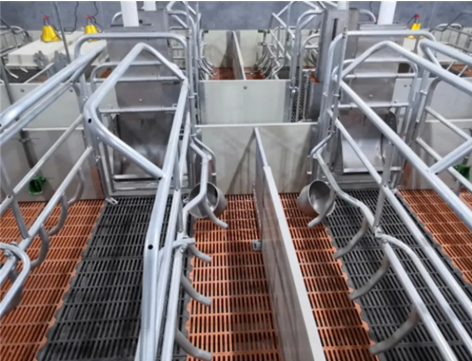
The Quiet Revolution of Cattle Lying Beds: Why It Matters Globally
At first glance, a cattle lying bed might not sound glamorous. Yet, in fields stretching from the Scottish Highlands to the vast Patagonian pampas, these simple installations quietly shape the welfare of millions of cattle worldwide. Their role is pivotal to sustainable farming, animal welfare, and ultimately food security—a topic that touches every continent and culture.
Why should we care? Globally, livestock production contributes roughly 40% of the agricultural GDP, and animal welfare standards influence its economic and ethical outcomes (FAO, 2020). Proper resting surfaces for cattle reduce injuries, improve milk yield, and cut veterinary costs. Understanding cattle lying bed technology nuances opens doors to better farm management, environmental stewardship, and humane treatment.
Global Context: The Rise of Cattle Lying Beds in Modern Farming
The world’s cattle population hits approximately 1.5 billion, scattered from intensive dairy farms in the Netherlands to arid ranches in Australia (World Bank, 2022). Yet, more than 20% of these cattle may suffer from hock lesions and joint pain due to poor lying surfaces. This is not just a minor nuisance; it translates into reduced productivity and animal distress.
Interestingly, the demand for optimized cattle lying beds is surging, driven by elevated consumer awareness around welfare and sustainability. The International Organization for Standardization (ISO) has also begun pushing standards related to animal housing design. Still, challenges like cost, installation, and local environmental factors make implementation uneven globally. That’s where innovation in lying beds offers a timely solution.
What Exactly Is a Cattle Lying Bed?
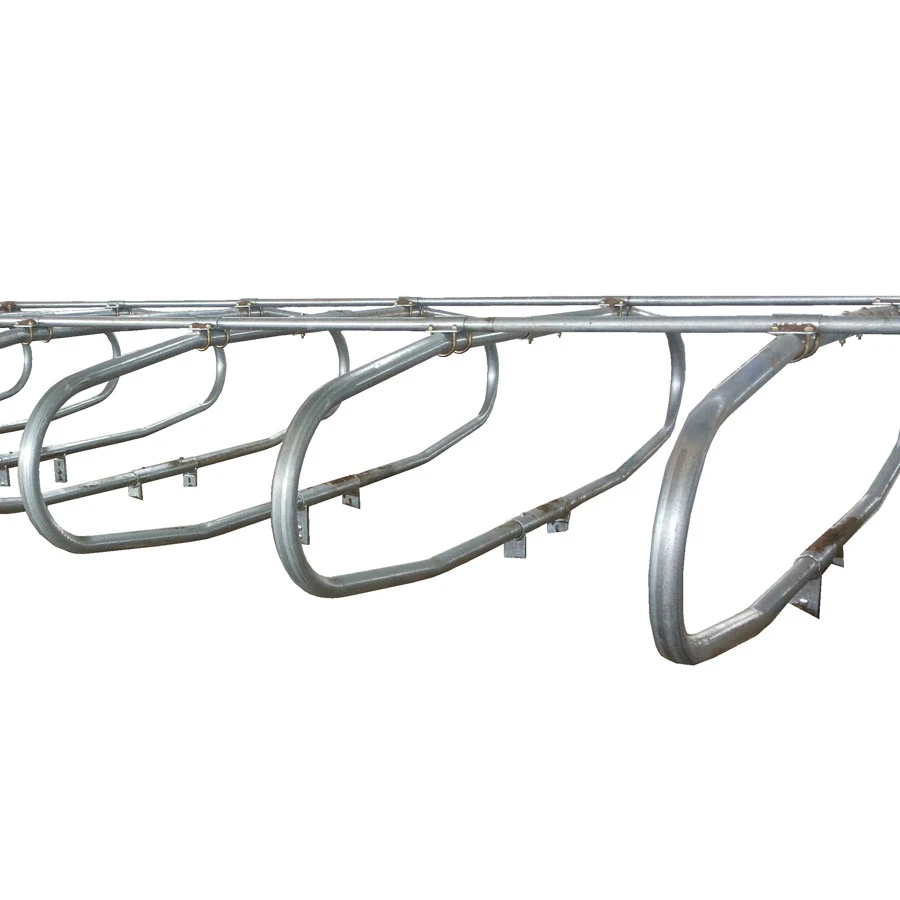
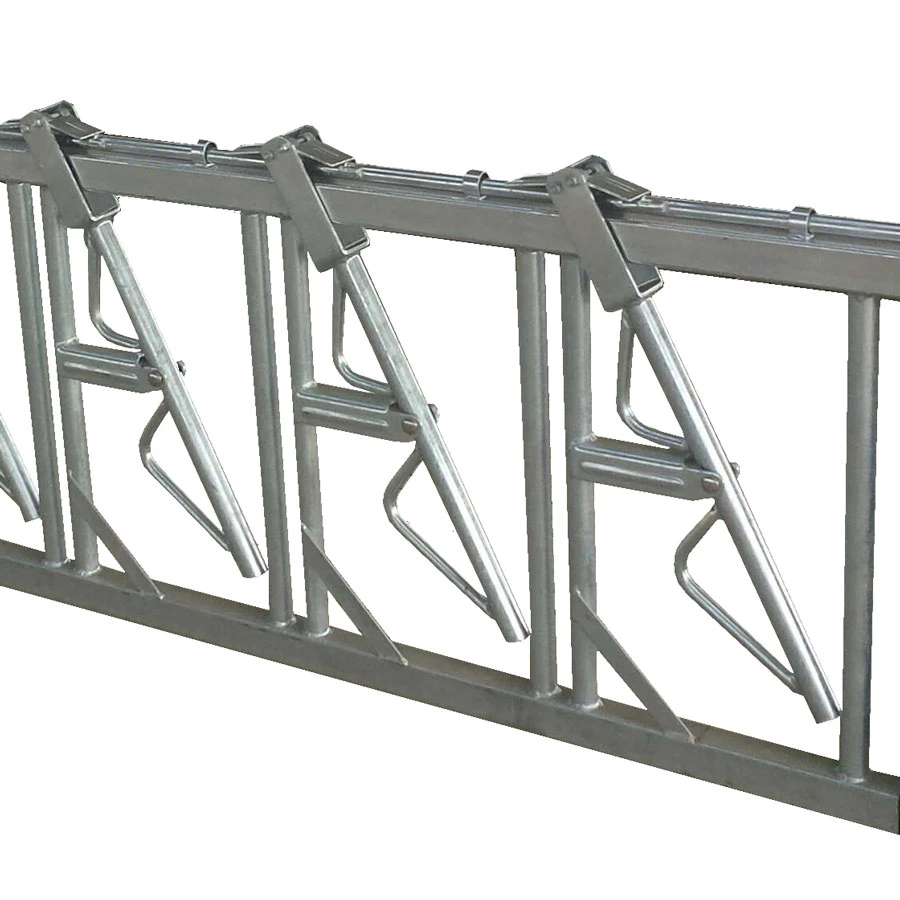
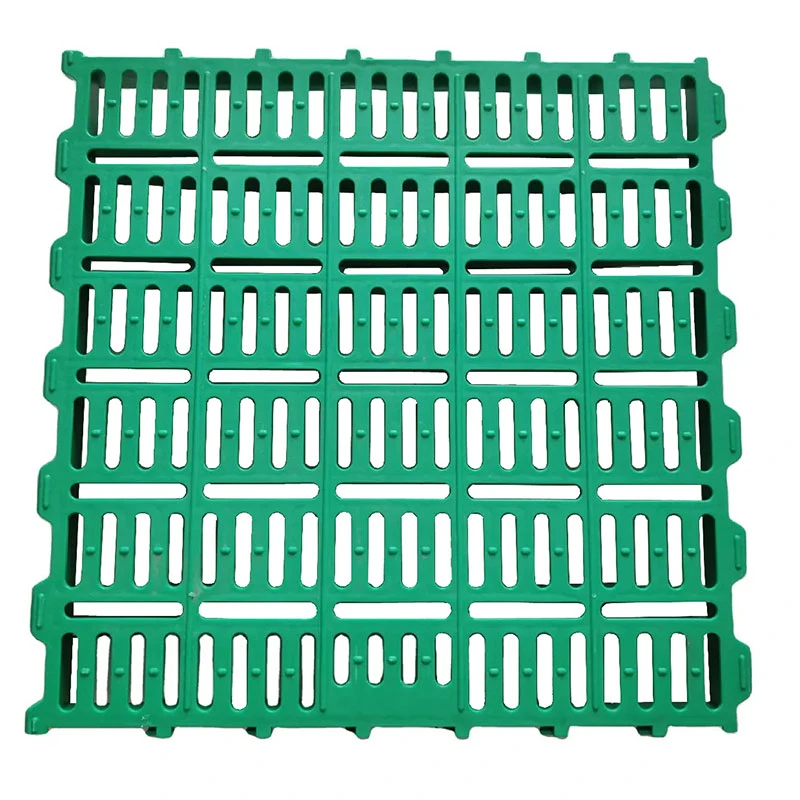
Put simply, a cattle lying bed is a designated resting area designed to provide comfort, reduce injury, and promote natural lying behavior for cattle. Traditionally, these areas were just bare dirt or straw-covered spots. Now, the term embraces a variety of designs: specialized mats, mattresses, or layered systems combining rubber, sand, and organic materials.
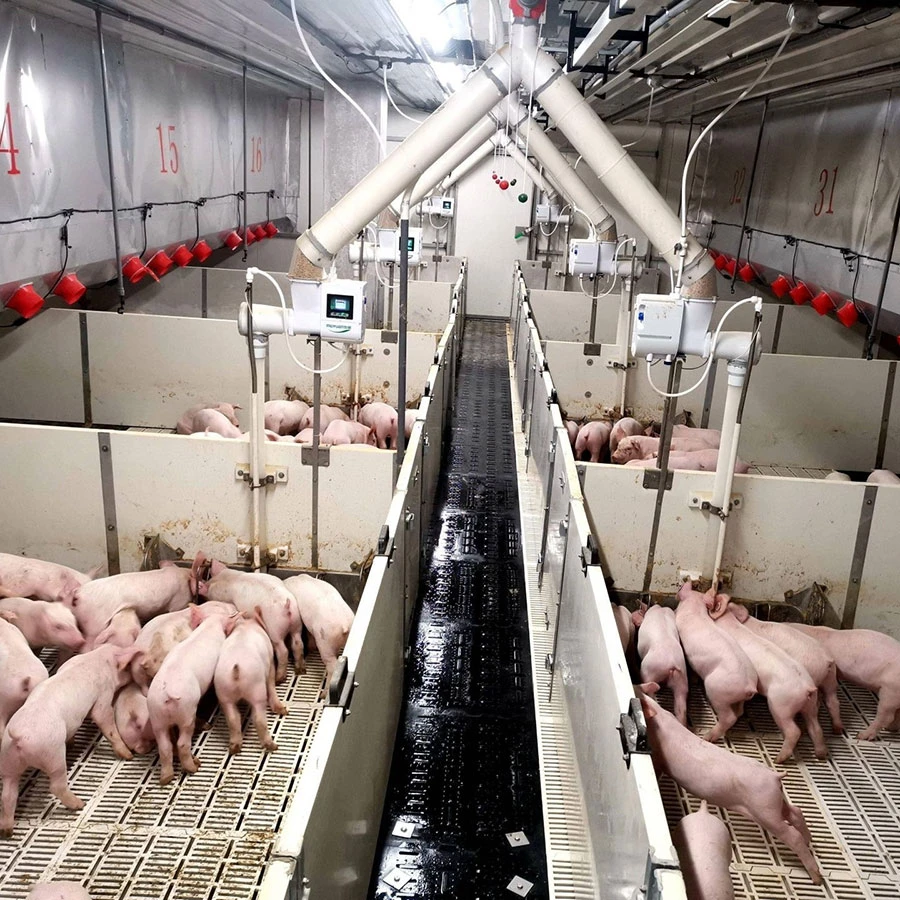
Modern cattle lying beds connect deeply to farming efficiency and animal welfare initiatives, part of a larger movement towards precision livestock farming. They are part of "smart barn" setups, sometimes accompanied by climate control, automated cleaning, and even monitoring sensors.
Core Components of a Cattle Lying Bed
1. Durability
Durability is the backbone of a good lying bed. A bed that wears out quickly is a maintenance headache. Materials like rubber with UV protection, or high-density polyethylene mats, ensure long life despite the relentless hoof traffic and adverse weather.
2. Comfort & Hygiene
Comfort drives lying time—cattle may rest 10-14 hours a day when conditions are optimal. Beds must have adequate cushioning and drainage to prevent wetness, which causes infections and discomfort. Materials that combine softness with moisture control rank higher in welfare assessments.
3. Cost Efficiency
While premium beds cost more upfront, their impact on health and productivity can offset expenses over time. Many farmers grapple with balancing initial investment versus long-term benefits, especially in emerging markets.
4. Scalability and Customization
Not all farms are equal – size, climate, and cattle breeds dictate the ideal bed design. Modular beds that scale or adapt easily are proving popular, especially on large dairies or mixed-use operations.
5. Environmental Impact
Increasingly, recyclable or biodegradable materials are favored, especially as extreme weather patterns emphasize sustainability. Some cattle bed manufacturers incorporate recycled rubber or sand sourced locally to reduce carbon footprints.
Real-World Use Cases Across the Globe
In New Zealand, where dairy farming dominates, farmers have adopted water-filled mattresses for their superior comfort and hygiene. Meanwhile, in drought-prone parts of Africa, natural sand beds with shade structures offer cost-effective relief to cattle, improving survival rates during hot spells.
Relief organizations like the UN’s Food and Agriculture Organization (FAO) have noted cattle lying beds as essential in post-disaster recovery programs, helping displaced herders maintain livestock welfare when resources are scarce.
Closer to home, many commercial dairy farms in the U.S. have integrated automated cleaning systems with comfort mats to boost productivity metrics and animal wellbeing simultaneously.
Advantages and Long-Term Value of Quality Cattle Lying Beds
- Increased Productivity: Comfortable cattle tend to lie longer, improving milk quality and quantity.
- Reduced Veterinary Costs: Proper lying surfaces reduce injuries and infections.
- Social Trust: Consumers increasingly reward farms demonstrating high animal welfare.
- Sustainability: Innovative, recyclable material choices contribute to a circular economy.
- Emotional Value: There’s an inherent dignity in giving animals better lives—something progressive farmers firmly believe in.
Emerging Trends Shaping the Future of Cattle Lying Beds
The future looks promising, with developments like embedding IoT sensors in beds to monitor temperature, humidity, and even cow movement to predict health issues early. Advanced materials—like antimicrobial rubber composites or self-draining foam systems—are set to redefine industry standards.
Policy-wise, countries are beginning to implement or update welfare standards that include lying surface requirements, nudging suppliers toward greener, smarter solutions.
Common Challenges and How the Industry Is Tackling Them
Despite advances, obstacles remain—mainly acceptance and affordability. For small-scale farmers, upfront costs and technical skill gaps delay adoption. Installation can be tricky in extreme climates or remote areas.
Experts suggest partnerships between manufacturers, governments, and NGOs to subsidize costs and offer training. Some start-ups offer leasing options or modular kits that simplify deployment and maintenance.
Product Specification Table: Popular Cattle Lying Beds
| Model | Material | Thickness | Drainage System | Estimated Lifespan | Price Range (USD) |
|---|---|---|---|---|---|
| ComfortMat Pro | High-Density Rubber | 3.8 cm | Integrated Channels | 10 years | $150 - $200 |
| SandBase Deluxe | Natural Sand & Clay | N/A (Layered) | Natural Drainage | 7 years | $75 - $120 |
| EcoFoam Pad | Recycled Foam Composite | 4 cm | Perforated Base | 5 years | $100 - $140 |
Vendor Comparison: Leading Cattle Lying Bed Suppliers
| Supplier | Product Range | Customization | Global Reach | Warranty |
|---|---|---|---|---|
| AgriComfort Inc. | Rubber mats, sand systems | Yes, modular options | North America, EU | 8 years |
| EcoFarm Solutions | Foam pads, recycled products | Custom thickness | Global (including Asia, Africa) | 5 years |
| DairyCare Tech | Smart mats with sensors | Highly customizable | Europe, USA | 10 years |
FAQ: Your Top Questions About Cattle Lying Beds Answered
- Why is a cattle lying bed better than bare ground or straw?
- Unlike bare ground or straw, cattle lying beds reduce injury risks such as hock lesions, provide consistent comfort, drain moisture effectively to prevent infections, and improve overall cattle health and productivity.
- What materials make the most durable and comfortable lying beds?
- High-density rubber mats with integrated drainage channels offer a balanced mix of durability, cushioning, and hygiene. Sand-based beds are cost-effective but require good maintenance. New recycled foam composites also combine comfort and eco-friendliness.
- Can cattle lying beds be customized for different breeds or climates?
- Yes, many suppliers offer modular options that allow customization of thickness, materials, and drainage methods according to cattle size, breed, and environmental conditions.
- How do lying beds influence milk production?
- Cattle that rest longer on comfortable lying beds reduce stress and physical discomfort, which can boost milk yield and quality—sometimes by as much as 5-10% according to several dairy farm studies.
- Are there eco-friendly cattle lying beds available?
- Absolutely. Many manufacturers now produce beds using recycled rubber, biodegradable foams, or natural sand with locally-sourced materials, aligning with sustainable farming practices.
Bringing It All Together: Why Investing in Cattle Lying Beds Pays Off
As more farmers, veterinarians, and policymakers realize the cascade of benefits a proper cattle lying bed brings—from improved animal health to global welfare standards—the push for smarter, sustainable resting spaces grows stronger. It’s a classic win-win: cattle live better, farmers earn more, and consumers feel assured of ethical practices.
If you’re interested in upgrading your farm’s lying area or exploring innovative solutions tailored to your operation, don’t hesitate to visit our website for resources, products, and expert advice.
References
Post time: Dec . 02, 2025