Cattle Stall Dividers for Sale: a practical buyer’s guide from the barn floor
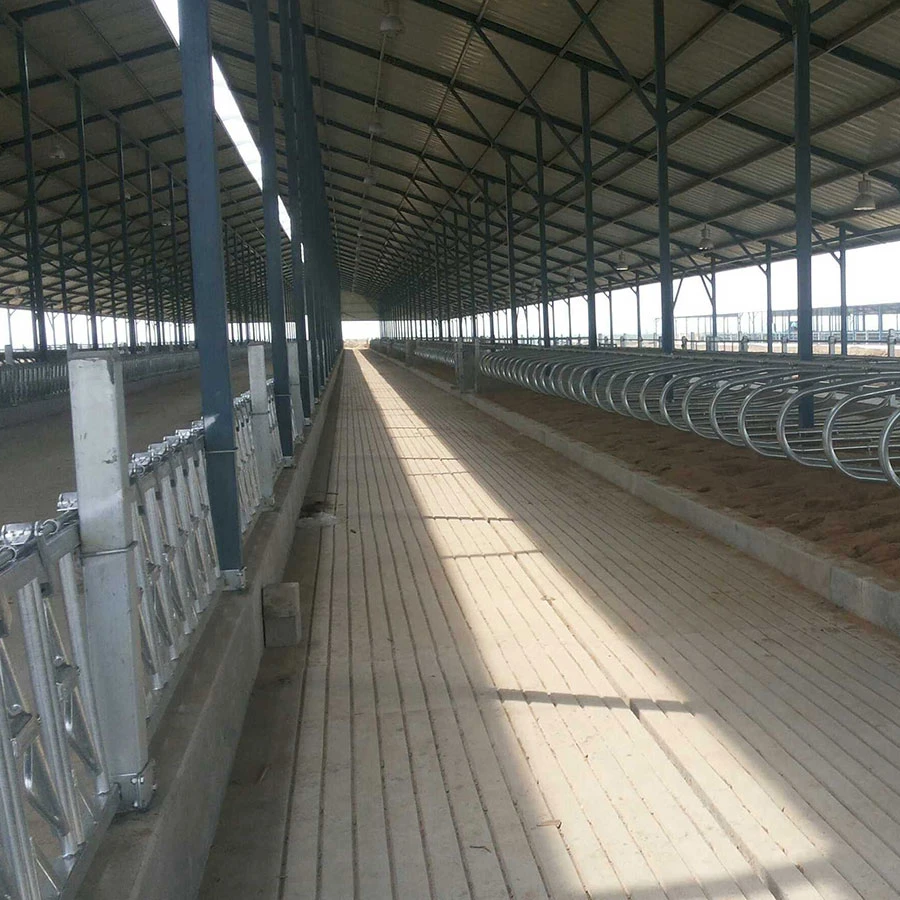
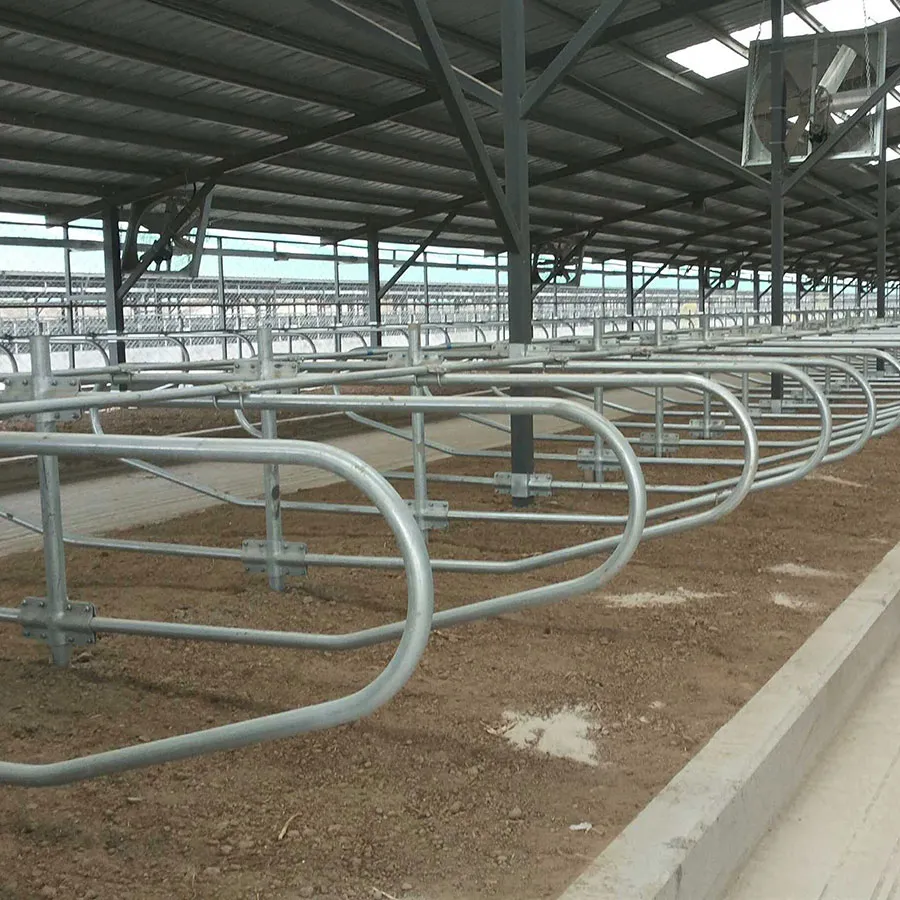
If you’re shopping around for cattle stall dividers for sale, here’s the quick reality: the right free-stall loop (sometimes called a cattle lying bed frame) quietly drives milk yield, health, and barn flow. I’ve toured dairies where a small tweak in divider geometry cut hock injuries in half. And yes, I’ve also seen cheap loops twist after one winter. The difference is in steel, coating, and the very ordinary-sounding details.
Industry trend? Bigger cows, softer beds, and more attention to lying time—12–14 hours daily is the sweet spot, and every minute counts for rumination and output. Many customers say a well-designed loop with adequate neck rail position and brisket control turns into calmer stalls and cleaner udders. Surprisingly, it’s not just the pad; the divider’s geometry guides the cow’s entry and exit.
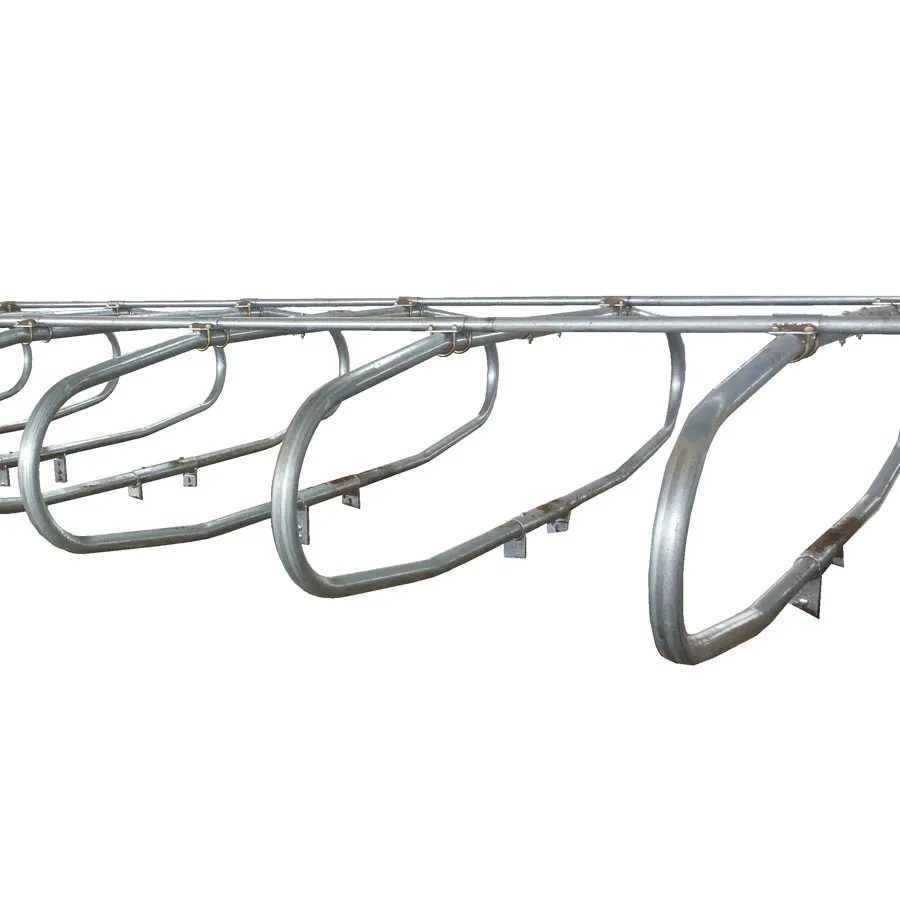
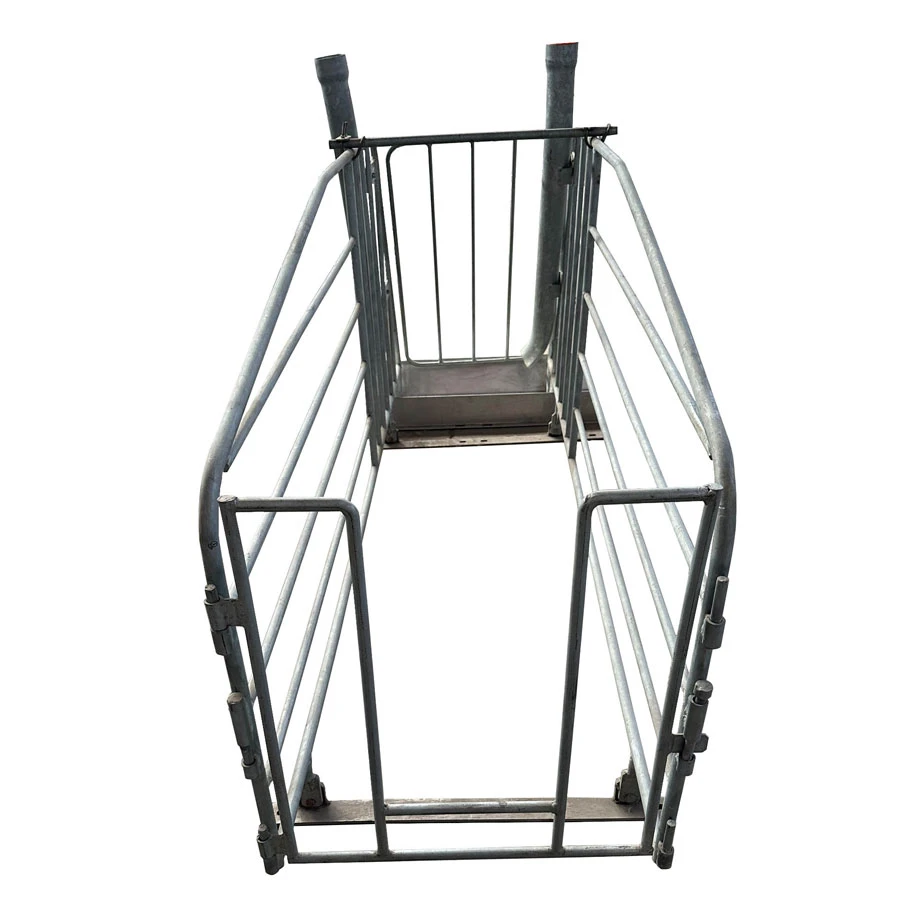
Product snapshot: Cattle Lying Bed (free-stall divider)
Origin: Dongtai Road, Economic and Technological Development Zone, Huanghua City, Hebei Province, China. In practice, this “lying bed” is the divider loop and mounting kit used in free-stall barns for rest and sleep—critical for max milk yield or consistent daily gain.
| Parameter | Specification (≈ real-world use may vary) |
|---|---|
| Steel grade | Q235/S235 JR carbon steel |
| Tube OD × wall | 60.3 mm × 2.5–3.5 mm (48.3 mm option for heifers) |
| Loop length / center spacing | 1.7–2.1 m length; 1,100–1,200 mm centers |
| Surface treatment | Hot-dip galvanizing, zinc coat ≥80–120 μm (ISO 1461 / ASTM A123) |
| Mounting | Bolt-on to posts with U-bolts; floor anchors 8.8 grade |
| Compatibility | Rubber mats, mattresses, compost, and sand bedding |
| Service life | ≈12–20 years, climate and bedding dependent |
Manufacturing and testing, briefly
- Materials: Q235/S235 tubes, low-residual weld wire.
- Methods: CNC bending, MIG welding, shot-blast, hot-dip galvanize with full immersion.
- Testing: Zinc thickness gauge (ISO 1461), salt spray ≈480 h no red rust (ASTM B117), weld pull test ≥350 MPa, coating adhesion ISO 2409.
- Certifications: ISO 9001:2015 factory; third-party inspection on request (SGS/BV).
Where they shine
Dairy free-stalls (mature cows), heifer barns, research herds, and beef feedlots experimenting with bedded packs. Advantages include cleaner lying areas, fewer leg injuries, better cow flow, and—anecdotally—less jockeying for space. To be honest, geometry is king: neck rail ≈1.20–1.25 m high and 1.60–1.70 m forward from the rear curb is a good starting range.
Vendor comparison (field-notes style)
| Vendor | Coating | Customization | Lead time | Warranty |
|---|---|---|---|---|
| CX Livestock (Hebei) | Hot-dip, ≥80–120 μm | Loop size, posts, hardware | ≈20–35 days | 5-year structural |
| EU OEM A | Galv + powder (select) | Moderate | ≈4–6 weeks | 3–5 years |
| Local Fabricator B | Pre-galv, ≈40–60 μm | High (small batches) | ≈1–3 weeks | 1–2 years |
Customization and install
Options include loop geometry for Jerseys vs Holsteins, sand-liner kits, heavy-duty U-bolts, and corrosion packages for coastal barns. Install is straightforward: mark centers, set posts, align loops, torque hardware, then fine-tune neck/brisket positions. Many crews finish a 4-row, 200-cow barn in 1–2 days.
Case study + feedback
A 600-cow dairy retrofitted 1,200 stalls with hot-dip loops and rubber mats. Results after 90 days: lying time +45–60 min/day, hock lesion scores down ≈30%, bulk tank up 0.6–0.8 kg/cow/day. “Quieter lanes, fewer push-outs,” the herdsman told me. Another manager noted easier scraping due to consistent cow positioning.
If you’re shortlisting suppliers for cattle stall dividers for sale, check three things: steel wall thickness (ask for mill certs), zinc thickness reports (ISO 1461), and a sample loop to feel the bend radius and weld continuity. And yes, price matters—but downtime and vet bills cost more.
Standards and test data quick-check
- Galvanizing: ISO 1461, ASTM A123/A123M.
- Corrosion: ASTM B117 salt spray (target ≥480 h, no red rust on cut-free panels).
- Design guidance: university dairy housing guidelines for neck/brisket placement.
Final thought: browse options for cattle stall dividers for sale, but prioritize cow comfort and coating integrity. That’s what lasts through the winters.
- ISO 1461: Hot dip galvanized coatings on fabricated iron and steel products.
- ASTM A123/A123M: Zinc (Hot-Dip Galvanized) Coatings on Iron and Steel Products.
- ASTM B117: Standard Practice for Operating Salt Spray (Fog) Apparatus.
- Univ. of Wisconsin Extension – Dairy free-stall dimensions and cow comfort guidelines.
- FAO/IDF resources on dairy cow lying time and welfare benchmarks.
Post time: Oct . 13, 2025