What Are Farrowing Crate Plans and Why Do They Matter?
If you’re not deep in the world of pig farming or livestock management, “farrowing crate plans” might sound like jargon. But understanding these plans is surprisingly important – not just for farmers, but for global food supply, animal welfare, and even agricultural innovation. Farrowing crates are specialized enclosures designed to house sows during piglet birth (farrowing), balancing piglet safety with sow comfort. The plans themselves refer to the detailed designs, layouts, and specifications used to build these crates effectively.
Globally, pork remains one of the most consumed meats, and effective farrowing setups help farmers reduce piglet mortality. Beyond just economics, they reflect a broader push toward humane practices — a growing priority in many countries, especially across Europe and North America.
So, why should anyone beyond a farmer care? Because how we manage livestock shapes food security, sustainability, and rural livelihoods worldwide. And investing time in understanding farrowing crate plans can drive innovation, improve welfare standards, and keep supply chains resilient.
Farrowing Crate Plans in the Global Context
Globally, responsible animal husbandry is more than just an ethical imperative — it’s a key pillar of sustainable agriculture. According to the Food and Agriculture Organization (FAO), pork accounts for roughly 36% of the world's meat production, making swine farming a vital sector globally.
Challenges from climate change, population growth, and shifting regulatory frameworks put enormous pressure on modern pig farming systems. Farrowing crate plans come into focus as a practical solution, addressing two massive concerns:
- Animal welfare: Avoiding piglet crushing while providing a stress-minimized birthing environment;
- Operational efficiency: Creating spaces that streamline management and improve overall yields.
Countries like Denmark and the Netherlands have pioneered highly regulated farrowing crate specifications. European Union legislation even mandates minimum crate sizes and sow freedom levels — reflecting a worldwide trend toward standardization and welfare-conscious farming.
On the flip side, many developing regions still face challenges delivering these designs efficiently due to cost, infrastructure, and education gaps.
Defining Farrowing Crate Plans
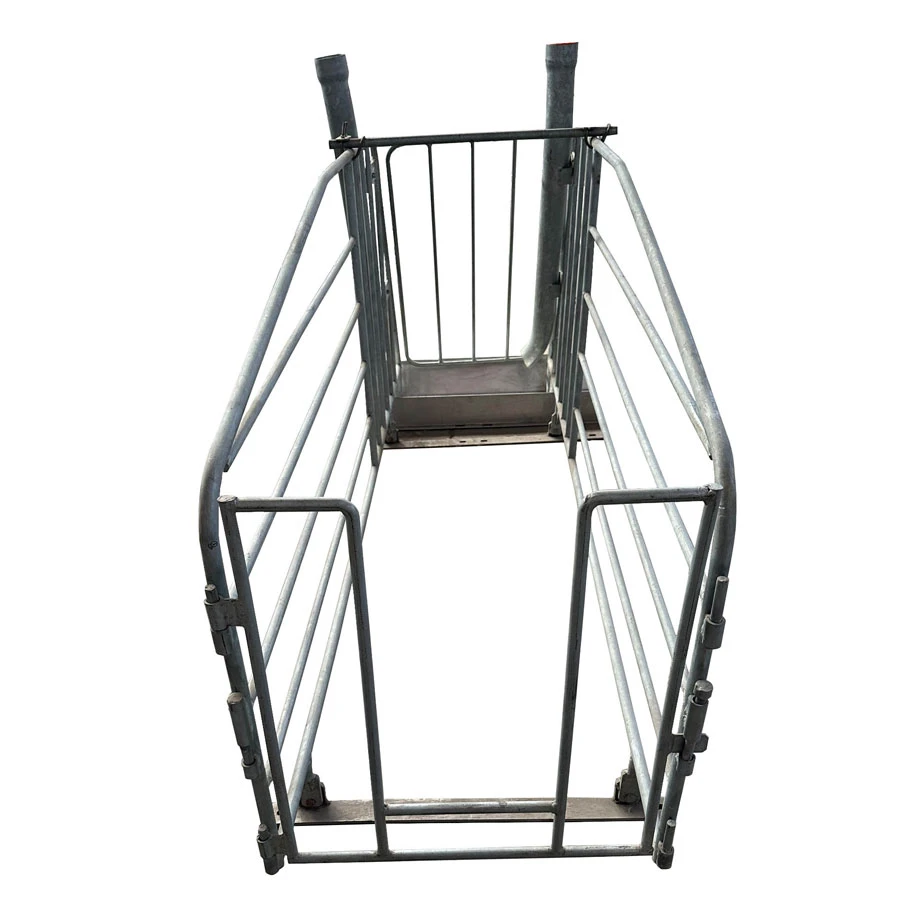
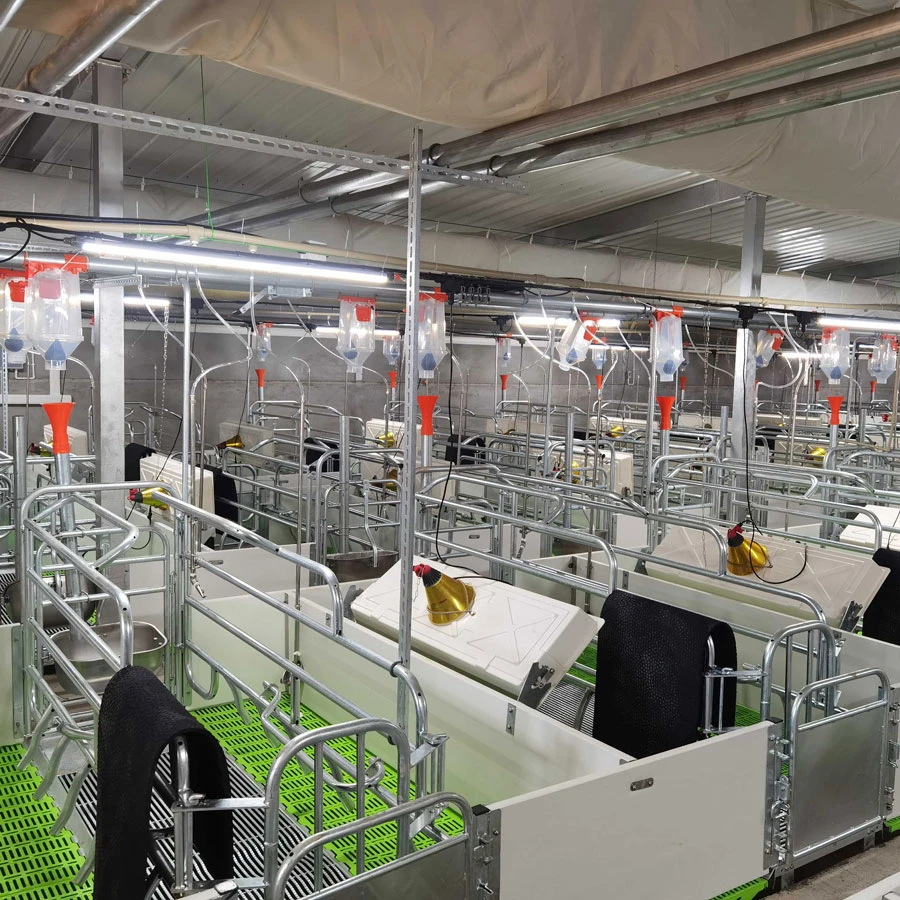
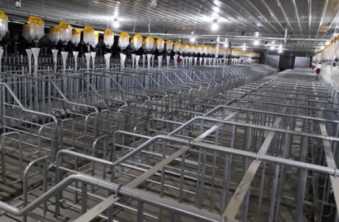
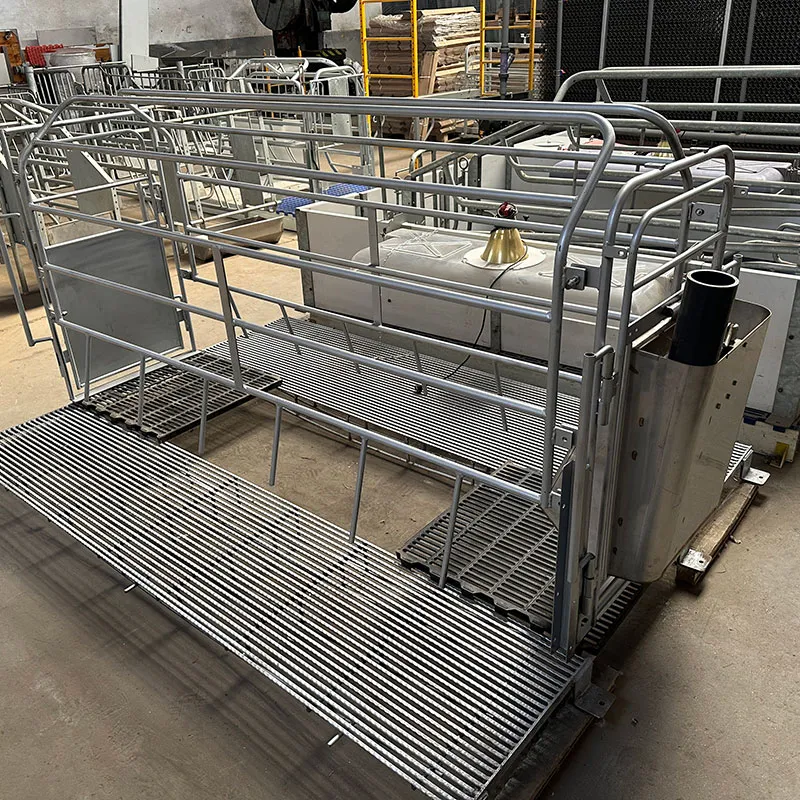
In simple terms, a farrowing crate plan is a comprehensive technical blueprint for building the enclosure where a sow rests, farrows, and nurses piglets. These plans typically cover:
- Dimensions and materials for crate frames
- Space allowance for sows and piglets
- Ventilation and waste management features
- Safety measures to reduce piglet mortalities
At its core, these plans balance two competing needs: protecting fragile newborns from accidental sow injury and providing enough freedom so sows don’t feel unduly stressed. The “ideal crate” embodies modern livestock science, engineering practicality, and humane ethics — fitting it snugly into the evolving meat production landscape.
Mini takeaway:
Farrowing crate plans are more than just construction drawings — they’re the physical manifestation of humane, efficient pig farming.
Core Aspects of Effective Farrowing Crate Plans
1. Durability and Material Choice
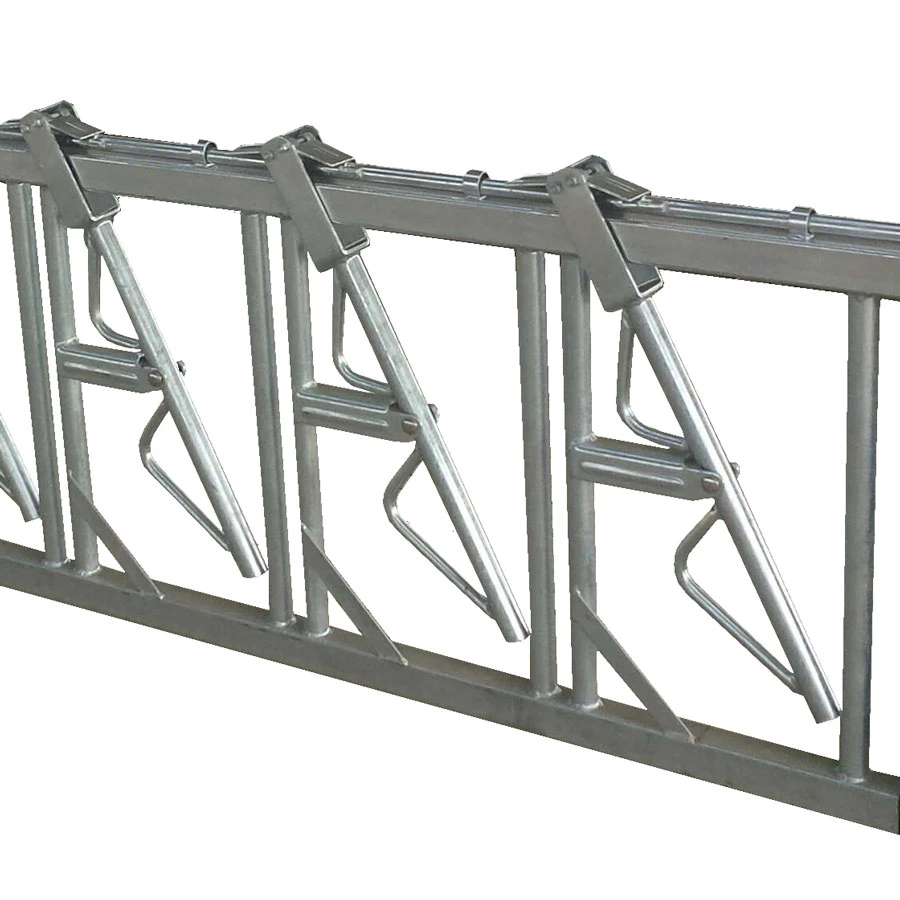
A farrowing crate needs to stand up to abrasion, moisture, and cleaning chemicals — lasting multiple production cycles without degrading. Commonly used materials include galvanized steel and stainless steel, with polymer-coated components to reduce rust and injury risks. Oddly enough, a well-built crate saves money over time by avoiding frequent repairs or replacements.
2. Space Allocation and Layout
Space is a fine art here. Crates must be wide enough to allow sow movement but narrow enough to keep piglets safe. Too tight, and sows become stressed — impacting productivity. Too loose, and piglet mortality spikes. Most modern plans specify roughly 2 meters in length and 0.6–0.7 meters in width, tailored by breed and production type.
3. Thermal Comfort and Ventilation
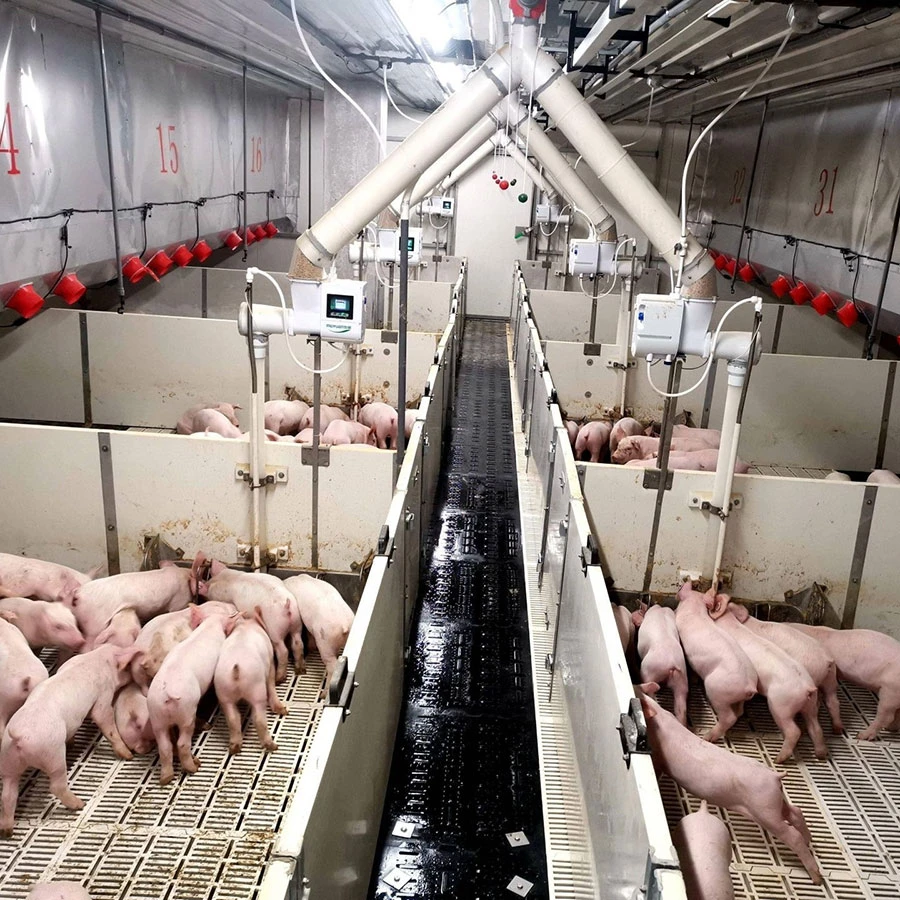
Newborn piglets need warmth—sometimes up to 85°F (29°C) shortly after birth—while adult sows prefer cooler ranges around 65-70°F (18-21°C). Plans often include supplemental heat pads or lamps for piglets and proper airflow to reduce humidity and respiratory risks. Getting this right is like juggling two very different temperature zones under one roof.
4. Waste Management Systems
Efficient farrowing crates integrate gutters or slatted floors directing waste away from animals and workspace. This promotes hygiene, lowers disease incidence, and reduces cleaning labor—a real win-win.
5. Scalability and Customization
From backyard farms to intensive commercial operations, farrowing crate plans vary in complexity. Scalable designs let farmers start small and expand gradually. Likewise, modular components allow modifications for breed differences or local climate conditions.
Mini takeaway:
In real terms, these core factors—durability, layout, thermal control, sanitation, and scalability—directly influence crate performance and piglet survival.
Global Applications and Real-World Use Cases
Farrowing crate plans are deployed worldwide, but their forms reflect regional farming practices and regulations.
- Europe: The EU’s mandates have led to widespread use of well-documented, welfare-conscious crate designs emphasizing sow comfort.
- North America: Emphasis is on efficiency combined with welfare; many farms experiment with temporary or “gestation-free” crates.
- Asia: Adoption varies dramatically — large commercial farms in China or South Korea use advanced crates, while smallholders rely on simpler setups.
- Developing regions: NGOs and government programs often introduce low-cost, easy-to-build plans to improve productivity sustainably.
Take, for instance, a farm in rural Poland that upgraded to modular farrowing crates based on updated plans. They saw piglet survival rates climb by 15% within just 6 months. A subtle change, but one that rippled through entire farm economics and community livelihoods.
Common Features of a Modern Farrowing Crate
| Component | Specification | Benefit |
|---|---|---|
| Frame Material | Galvanized steel, 50x50mm tubing | Corrosion resistant, strong |
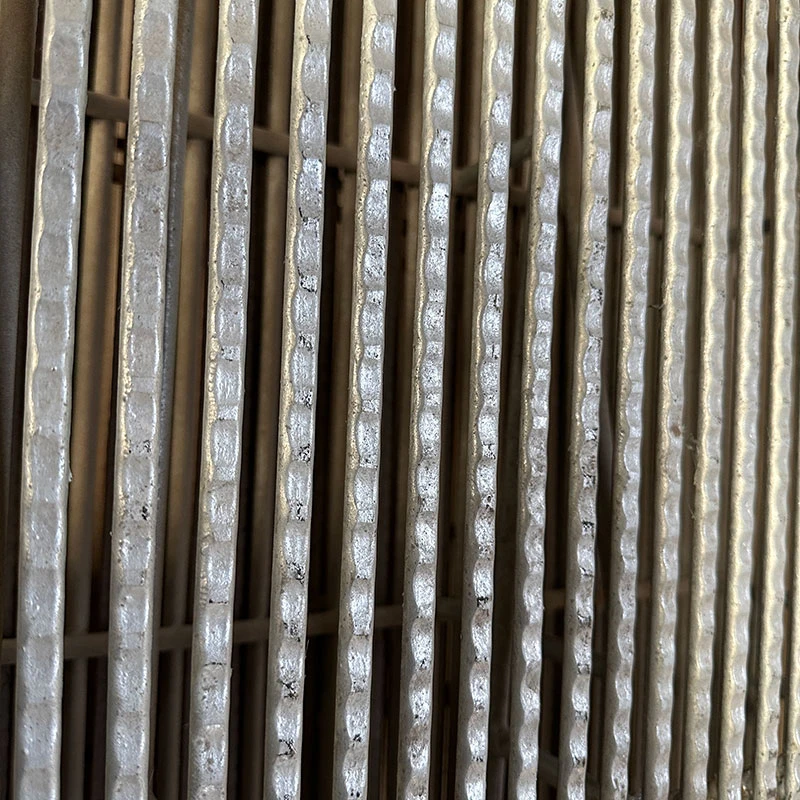
| Flooring | Plastic slats with anti-slip surface | Easy cleaning, piglet safety |
| Dimensions | 200cm long x 65cm wide x 90cm high | Comfort and containment balance |
| Heating Components | Infrared heat lamp or heat pad | Piglets stay warm, healthy |
| Waste Collection | Sloping floor draining to gutter | Hygiene, odor control |
Comparing Leading Farrowing Crate Vendors
| Vendor | Material Quality | Customization Options | Price Range | Warranty |
|---|---|---|---|---|
| AgroCrates Inc. | Premium galvanized steel | Size, extras (heat lamps) | $$$ | 5 years |
| FarmBuild Solutions | Standard steel with coating | Modular components | $$ | 3 years |
| EcoPig Structures | Recycled, eco-certified materials | Basic + customizable heating | $$$ | 4 years |
Advantages and Long-Term Value of Following Good Farrowing Crate Plans
There’s a lot more riding on these plans than just “good fences.” Here’s the core of why well-crafted farrowing crate plans create value that just compounds over time:
- Improved animal welfare: Lower piglet mortality means better ethical outcomes — and farms with good welfare practices often get better market access and sometimes price premiums.
- Cost efficiency: Durable, easy-to-clean crates slash labor and maintenance costs.
- Sustainability: Plans that optimize ventilation and waste management reduce environmental footprints.
- Farm efficiency and safety: Streamlined designs simplify sow handling, lowering injury risks for workers.
- Emotional peace of mind: For farmers, knowing animals are cared for properly brings a sense of trust and dignity.
Basically, investing effort at the planning stage pays off in smoother operations and better long-term relationships — both with animals and consumers.
Future Trends and Innovations in Farrowing Crate Designs
Frankly, farrowing crates aren’t exactly what you’d call flashy, but change is quietly rolling in:
- Smart monitoring: Sensors tracking sow behavior & piglet health are becoming more common, feeding data into farm management systems.
- Eco-friendly materials: Biodegradable plastics, recycled metals — farms want green footprints, even on the barn floor.
- Automation: Automated cleaning systems reduce labor and pathogen risks.
- Modular adaptability: Designs that can evolve with changing regulations or farm size.
- Animal-centered innovations: New crate designs that grant sows more mobility while still protecting piglets.
Challenges with Farrowing Crate Plans and Mitigation Strategies
Of course, no system is perfect. Common issues include:
- Cost barriers: High initial investment can deter small-scale farmers.
- Regulatory complexity: Constantly changing welfare standards require frequent design updates.
- Implementation gaps: Poor craftsmanship or materials undercut the effectiveness of good plans.
- Farmer training: Lack of knowledge can cause improper crate use.
Experts recommend partnering with reputable vendors, emphasizing adaptable plans, and investing in farmer education. NGOs and cooperative extension services often help bridge these gaps — by the way, you can learn more about practical applications via farrowing crate plans.
Frequently Asked Questions About Farrowing Crate Plans
- How much space does a sow typically need in a farrowing crate?
- The standard size hovers around 200cm in length and 65-70cm in width — enough for movement but tight enough to protect piglets. However, these dimensions can vary depending on sow size and regional welfare regulations.
- Are farrowing crates humane?
- When designed and managed correctly, farrowing crates balance sow comfort with piglet safety. Advances in design aim to reduce stress and improve sow freedom. Many countries now regulate crate dimensions and features to ensure humane treatment.
- Can farrowing crates be used in small or backyard farms?
- Yes! Modular and adaptable plans allow crate implementation even in small operations. Some low-cost plans use locally available materials while maintaining essential safety features.
- What materials are best for building farrowing crates?
- Galvanized steel is the gold standard due to durability and resistance to corrosion. Plastic coatings and slatted plastic floors also improve hygiene and longevity.
- Where can I find reliable farrowing crate design plans?
- Many agricultural organizations, extension services, and specialized suppliers offer farrowing crate plans online. For trusted, practical guides, check out farrowing crate plans that focus on durability and welfare standards.
In Conclusion: Why Getting Farrowing Crate Plans Right Pays Off
Farrowing crate plans sit at the crossroads of animal welfare, operational efficiency, and global food security. Their design affects not only the health and safety of piglets but also the livelihood of farmers and the sustainability of the pork supply chain. As we look ahead, integrating new materials, technologies, and ethical standards into these plans will only grow in importance.
If you want to learn more about detailed farrowing crate layouts that adapt to your farm’s needs — or explore innovative, welfare-friendly designs — visit https://www.cxlivestock.com. Because sometimes, the difference between lost piglets and thriving herds is just a well-drawn plan away.
References
Post time: Dec . 02, 2025