Understanding the 18 Ton Feed Bin: Why It Matters Globally
When you first hear “18 ton feed bin,” you might picture a bulky steel container tucked somewhere on a farm. But frankly, it’s much more than that. This industrial staple plays a quiet yet essential role in agriculture and livestock nutrition worldwide. With global food demand rising — the UN projects a 70% increase in food production needed by 2050 — innovations and reliable infrastructure like sturdy feed bins become indispensable.
Feed bins storing around 18 tons of animal feed help streamline farm operations, reduce waste, and ultimately aid in feeding a growing population efficiently. In today’s supply-chain-aware world, understanding these bins’ roles is about more than hardware; it’s about sustainability, economics, and resilience. So, let’s unfold their story.
Global Context: The Growing Need for Efficient Feed Storage
Globally, the livestock industry accounts for nearly 40% of global agricultural GDP, according to World Bank data. That’s a hefty chunk, reflecting how essential feed storage — like our 18 ton feed bin — is to maintaining animal health and productivity. The challenges? Spoilage due to improper storage, logistical delays, and vulnerability to weather. These problems can cause significant losses, especially in regions where feed scarcity severely affects livestock-dependent livelihoods.
Modern feed bins, sized conveniently at around 18 tons capacity, tackle these challenges head-on, offering scalable, cost-effective, and reliable solutions. For example, farmers in North America and Europe have used these bins extensively to optimize feed management, while in emerging economies such as Brazil and India, improved feed storage can revolutionize local farming.
What Exactly Is an 18 Ton Feed Bin?
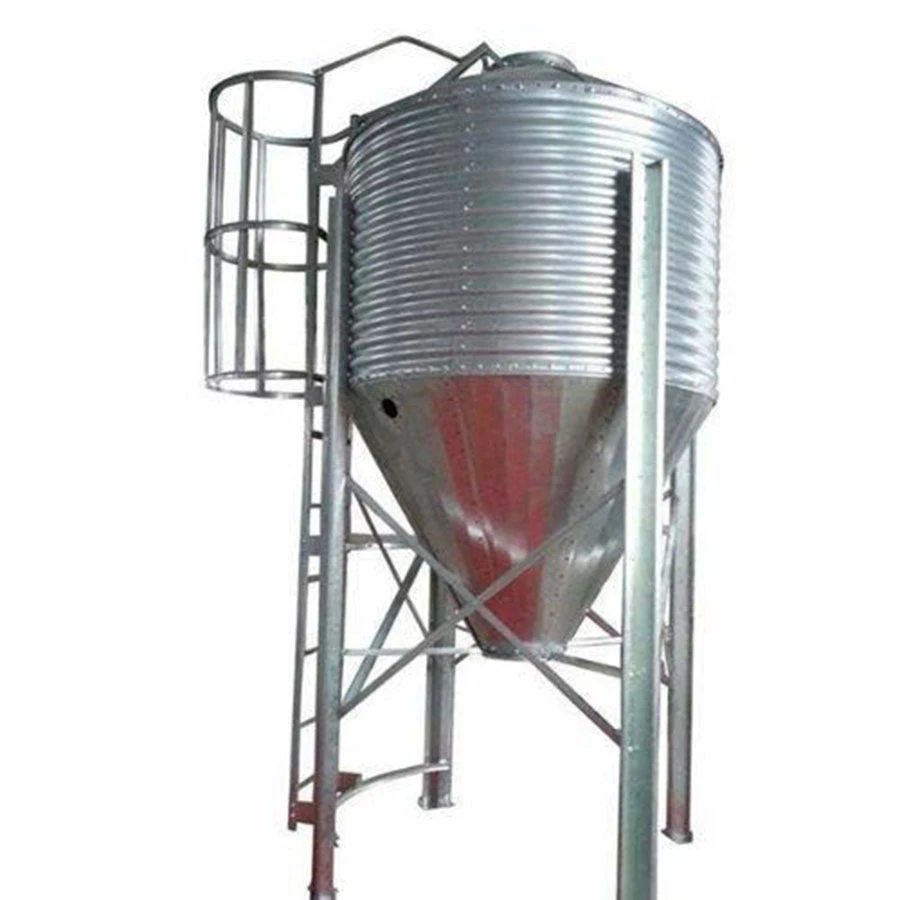
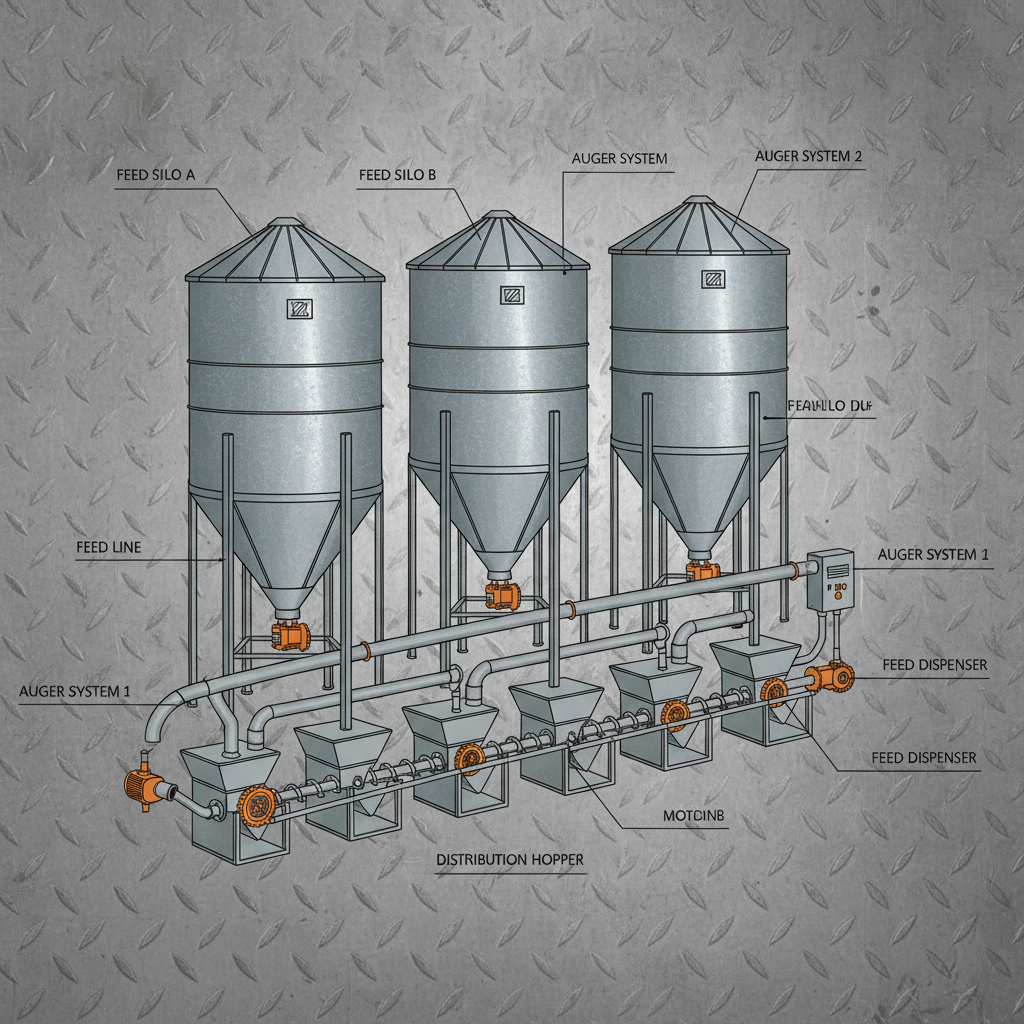
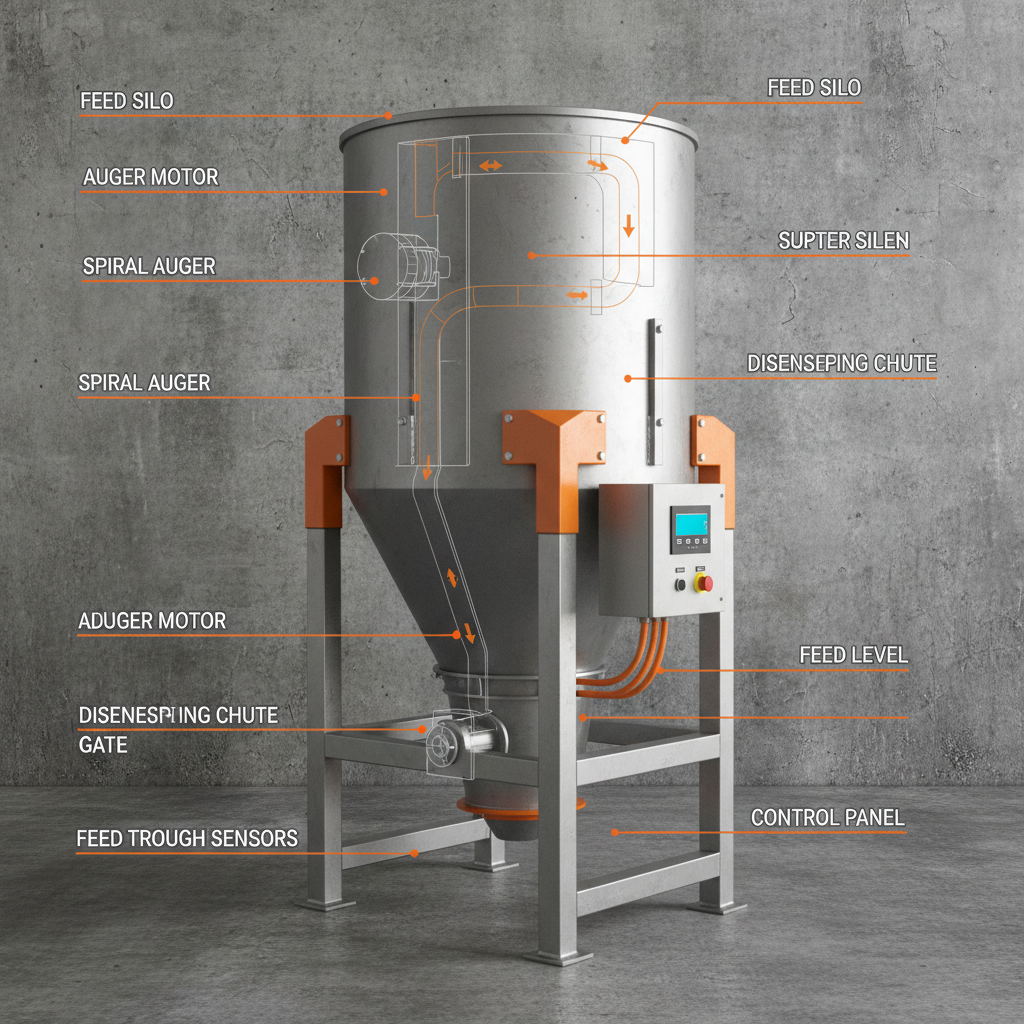
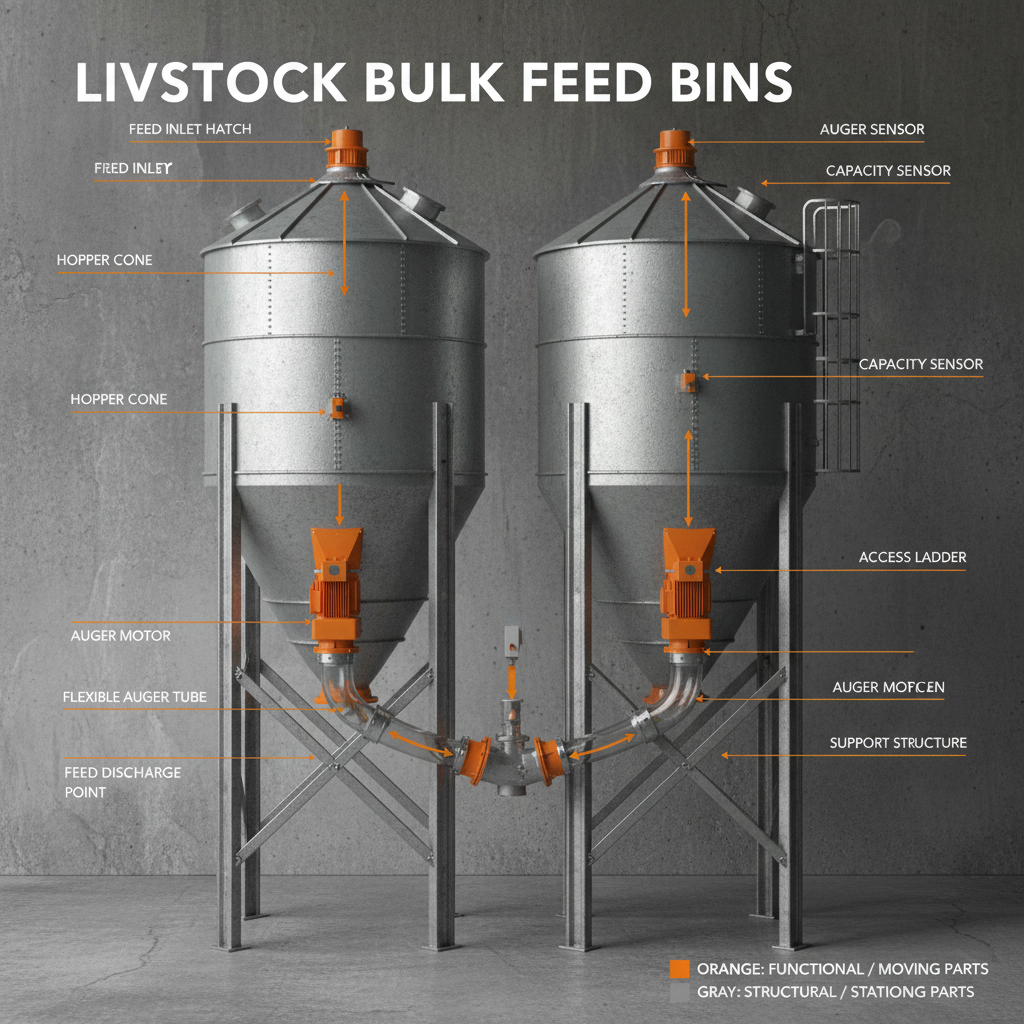
Put simply, an 18 ton feed bin is a container designed to store approximately 18 metric tons of animal feed. Usually constructed from galvanized steel or high-grade aluminum, these bins protect feed from moisture, pests, and contamination. They typically feature conical bottoms for easy discharge, aeration systems for airflow, and secure lids.
They’re often situated close to feeding operations to streamline access and reduce labor. Though primarily agricultural, their utility extends to humanitarian food supply chains, such as providing durable storage during disaster relief efforts—underscoring their expansive importance.
Key Features of a Quality 18 Ton Feed Bin
1. Durability & Material Strength
These bins have to withstand harsh environments—rain, sun, wind, and sometimes chemicals. Galvanized steel thickness and powder coatings are standard, ensuring years of rust-free, low-maintenance reliability.
2. Scalability & Size Efficiency
With an 18 ton capacity, these bins hit a sweet spot for mid-to-large operations. They balance volume with footprint — not too huge but large enough to cut down on frequent replenishment.
3. Cost-Effectiveness
When you consider installation, maintenance, and operational efficiency, these bins offer excellent ROI. They reduce feed loss caused by pests and spoilage, meaning more feed actually gets eaten by animals.
4. Accessibility & Automation Compatibility
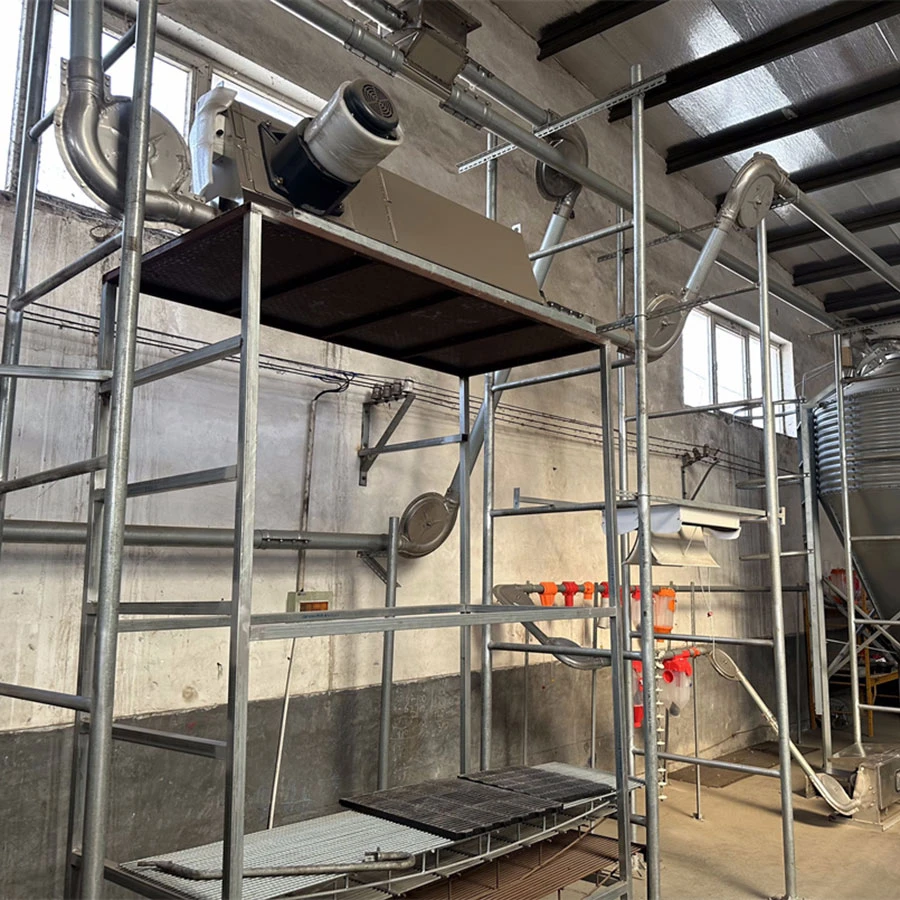
Many models integrate smoothly with automated feeding systems, improving labor efficiency. Accessibility features like easily removable lids and discharge controls make day-to-day feeding simpler.
5. Environmental Adaptability
From humid tropical zones to windy plains, feed bins are designed to endure local conditions, sometimes including insulation or ventilation tailored to regional climates.
| Feature | Specification | Benefit |
|---|---|---|
| Capacity | Approx. 18 metric tons / 36,000 lbs | Ideal volume for medium size farms |
| Material | Galvanized Steel, powder coated | Corrosion resistance and durability |
| Discharge | Conical bottom with slide gate | Ease of feed retrieval |
| Ventilation | Side aeration vents | Moisture control for feed quality |
| Lid | Lockable, weatherproof | Pest protection and safety |
Mini Takeaway: An 18 ton feed bin embodies practical engineering designed for durability, accessibility, and environmental adaptability—a backbone for sustainable livestock operations.
Global Applications & Real-World Use Cases
This type of feed bin finds application from midwestern U.S. corn farms to Australian cattle stations. In North America, farmers rely on them during peak seasons to hold large quantities of corn or soybean meal, stabilizing feed supply even during delivery delays.
Down in Southeast Asia, small- to medium-sized farms use these bins to combat humidity issues, helping preserve feed integrity where spoilage rates would otherwise be high.
Organizations like the UN’s Food and Agriculture Organization (FAO) recommend such storage in post-disaster recovery efforts to minimize feed losses in emergency livestock programs.
Oddly enough, the flexibility and robustness of the 18 ton feed bin design mean it can be adapted for other bulk materials, like grain storage or even fertilizer, making it invaluable across agriculture sectors.
Comparison of Popular Vendors
| Vendor | Material | Customization | Price Range (USD) | Lead Time |
|---|---|---|---|---|
| AgriStor | Galvanized Steel | Yes (sizes, vents, lids) | $6,000 - $8,500 | 4-6 weeks |
| FeedPro | Aluminum Alloy | Limited (standard models) | $7,500 - $9,000 | 3-5 weeks |
| GrainMaster | Galvanized Steel | Yes (custom colors, gates) | $5,800 - $7,200 | 5-7 weeks |
Advantages & Long-Term Value of 18 Ton Feed Bins
Thinking bigger picture, these bins offer tangible benefits beyond just holding feed. They enhance safety by reducing feed spoilage and contamination risks — hazards that can affect animal health and, by extension, human food security.
Financially, they reduce losses caused by pests or moisture, increasing overall farm profitability — a critical concern for smallholders where margins are thin.
On a community level, reliable feed storage can mean steady livestock production, supporting rural economies and food systems’ resilience. And frankly, it feels good knowing your feed storage system contributes to sustainable agriculture and animal welfare.
Future Trends & Innovations
Looking ahead, the focus is shifting toward green materials and automation. Some manufacturers experiment with recycled steel or composite materials to reduce carbon footprints. Meanwhile, sensors that monitor feed level, temperature, and humidity are becoming embedded, enabling real-time remote management.
Automation of feed dispensing linked directly to animal needs forecasts a smarter feed system, reducing waste and labor. Also, incorporating solar-powered aeration fans aligns feed storage with sustainability goals.
Challenges & Expert Solutions
No solution is without hitches. Common issues include upfront cost, installation complexity, and occasional ventilation problems. Especially in remote regions, transporting large bins can be cumbersome.
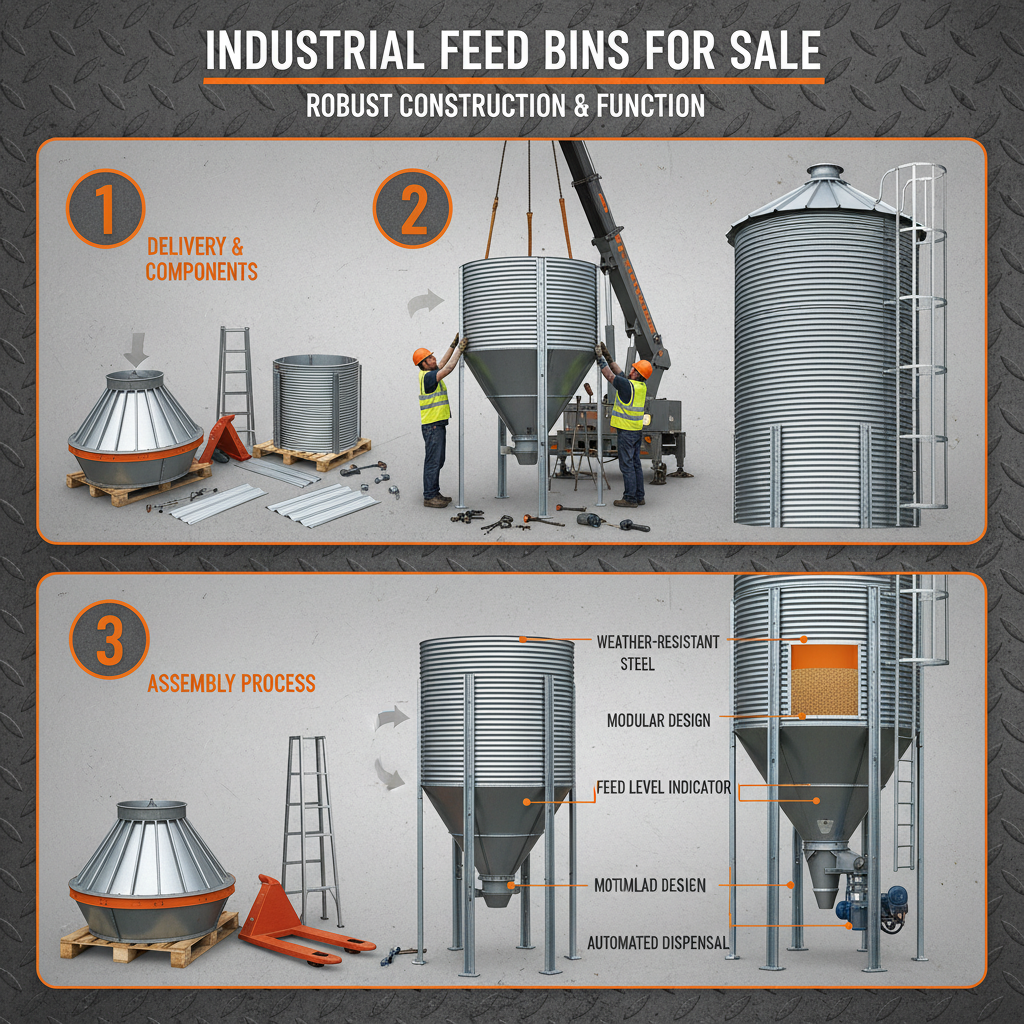
Experts suggest modular designs that come in parts for easier assembly and ongoing development of eco-friendly coatings that lower maintenance. Some also advise pairing feed bins with local technical support to reduce downtime and extend service life.
FAQ: Your Questions About the 18 Ton Feed Bin Answered
- How do I know if an 18 ton feed bin is right for my farm?
It depends on your herd size and feed consumption rates. For many mid-size farms, 18 tons offer a good balance between volume and manageable space. Consulting your feed supplier or an agricultural engineer can help tailor the choice. - What materials ensure the longest lifespan for a feed bin?
Galvanized steel is the industry standard thanks to its rust resistance and strength. Powder coatings add extra protection, especially under extreme weather. - Can I automate feeding with an 18 ton feed bin?
Yes, many models are compatible with automated feeders and sensor systems that monitor feed levels and quality, allowing remote control and timely replenishment. - Is installation complicated?
Generally, it requires a level concrete pad and some heavy equipment for placement, though modular bins simplify assembly. Many suppliers offer installation services. - How do I order internationally?
Most vendors handle export logistics. Checking customs regulations and freight costs ahead of time is wise. Many companies provide guidance for international shipping.
In summary, the 18 ton feed bin is more than just a container; it’s a cornerstone for efficient, sustainable, and resilient livestock feeding. Considering its capacity, durability, and adaptability, it’s no wonder it’s a staple worldwide.
Want to explore options or see how an 18 ton feed bin could optimize your operation? Visit our website: 18 ton feed bin.
Mini Takeaway: Investing in a quality 18 ton feed bin can transform feed management—boosting sustainability, cutting waste, and supporting food security globally.
References:
1. United Nations Food and Agriculture Organization (FAO): www.fao.org
2. World Bank Agriculture Overview: www.worldbank.org
3. ISO Standards for Agricultural Storage: www.iso.org
Post time: Dec . 05, 2025