Understanding the 9 Ton Feed Bin: A Vital Asset in Global Livestock Management
At first glance, a 9 ton feed bin might just seem like another piece of agricultural equipment, but in reality, it’s a cornerstone for farmers worldwide. Whether you’re running a modest farm or managing large-scale livestock operations, the ability to store feed efficiently is a game changer. Globally, the demand for secure, dry, and easy-to-access feed storage is soaring, driven by the need to reduce waste, improve animal nutrition, and stabilize supply chains.
Scientific data from the Food and Agriculture Organization (FAO) highlights that feed accounts for up to 70% of livestock production costs. With that in mind, investing in reliable feed storage like a 9 ton feed bin directly impacts profitability and sustainability in the industry.
Global Context: Why the 9 Ton Feed Bin Matters
Worldwide, livestock farming supports billions — from smallholder farmers in Africa and Asia to large commercial enterprises in the Americas and Europe. Yet, spoilage and contamination of feed remain persistent challenges, costing farmers dearly. The global feed market has been valued at over $400 billion annually, according to recent Statista reports. Secure, well-constructed feed bins can reduce losses and improve animal health, addressing food security on a broader scale.
Moreover, climatic extremes—be it torrential rains or searing heat—pose risks to feed quality, especially in developing regions. This is precisely where a 9 ton feed bin, offering robust storage and capacity, comes into play.
What Exactly is a 9 Ton Feed Bin?
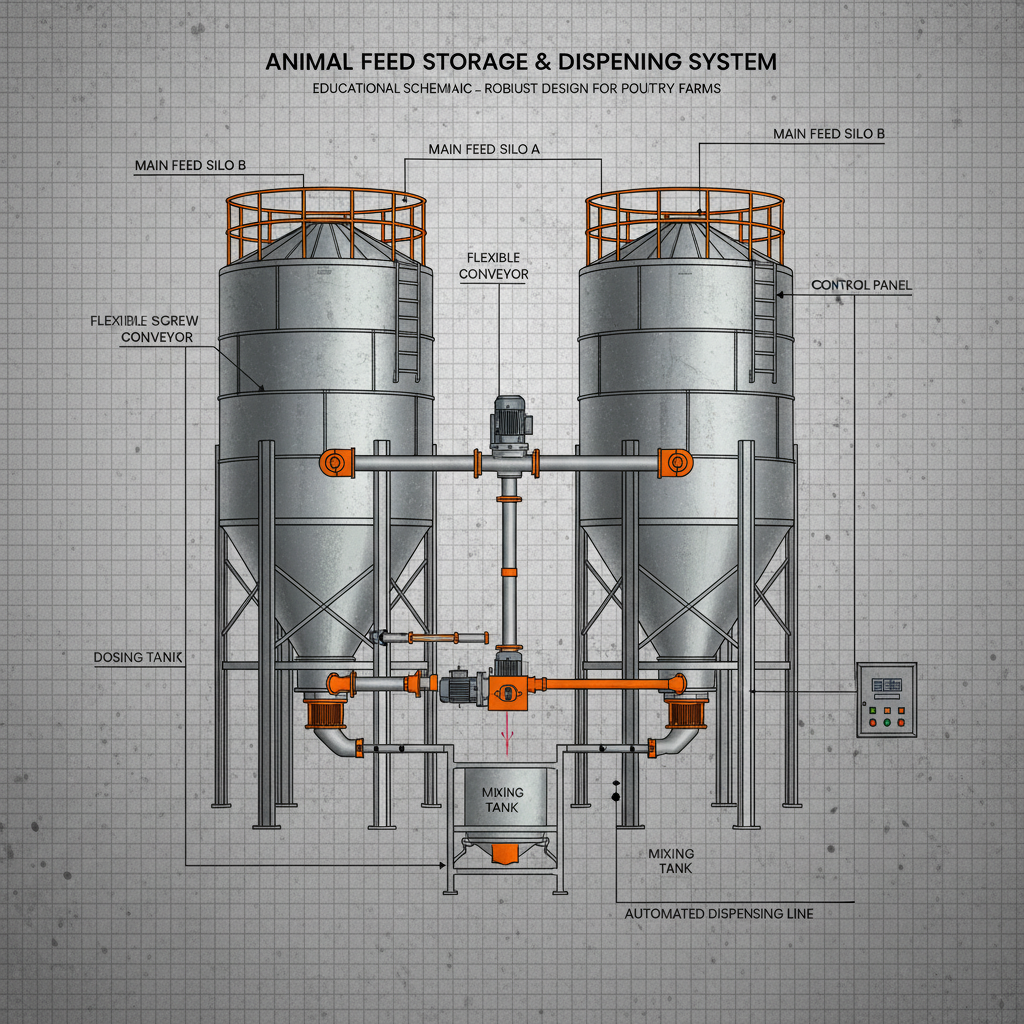
Simply put, a 9 ton feed bin is a large-capacity container designed to store approximately 9 metric tons of animal feed. Often made from galvanized steel or heavy-duty plastic composites, these bins ensure that feed remains dry, free from pests, and easy to dispense. They are integral to both modern agricultural setups and humanitarian aid programs focused on livestock sustainability.
Think of it as a fortress for your feed — enabling farmers to stockpile enough ration for extended periods without worrying about moisture, rodents, or spoilage. In regions where seasonal feed shortages strike, these bins are nothing short of a lifeline.
Core Components and Key Factors of a 9 Ton Feed Bin
1. Durability and Weather Resistance
Constructed to withstand harsh weather, these bins often feature galvanized steel panels coated with rust-resistant finishes. That means they’ll stand strong through rain, snow, and sun without corroding or deforming.
2. Capacity and Scalability
The 9 ton capacity hits a sweet spot—large enough for sizable herds but small enough to fit on most farms without requiring heavy machinery for installation. Plus, many models can be linked or stacked to scale up storage.
3. Pest and Contamination Control
With sealed lids and tight-fitting dispensing mechanisms, these bins protect feed from rodents, insects, and microbial contamination—issues that can devastate feed quality.
4. Ease of Use and Maintenance
Many feed bins come with features like easy-access doors, level indicators, and funnel bottoms for quicker dispensing. Maintenance is straightforward with smooth inner surfaces minimizing residue buildup.
5. Cost Efficiency
Though an upfront investment, the long-term savings from reduced feed loss and less frequent purchases easily justify the purchase. Plus, energy-efficient manufacturing and longer lifespans improve overall value.
Product Specification Table for a Typical 9 Ton Feed Bin
| Specification | Details |
|---|---|
| Capacity | 9 Metric Tons (~328 cubic feet) |
| Material | Galvanized Steel / HDPE Composite |
| Dimensions (HxWxD) | Approx. 3.5m x 1.8m x 1.8m |
| Weight (Empty) | ~450 kg |
| Pest protection | Sealed lid, mesh vents |
| Additional Features | Level indicator, bottom discharge chute |
Global Applications & Use Cases of 9 Ton Feed Bins
From the Canadian prairies to African farmlands, 9 ton feed bins are everywhere—and for good reason. In commercial dairy farms, for example, consistent feed storage is critical for producing high-quality milk. Meanwhile, in emerging economies such as Kenya and Vietnam, these bins help smallholder farmers maintain feed stocks through rainy seasons.
In humanitarian contexts, organizations like the World Food Programme (WFP) have employed bulk feed storage solutions during post-disaster relief, ensuring livestock survives even when local agriculture is disrupted. Oddly enough, even remote mining camps or expedition bases have adopted similar bins to safeguard their food supply chains, highlighting the versatile utility of the product.
Vendor Comparison: Leading Suppliers of 9 Ton Feed Bins
| Vendor | Material | Price Range (USD) | Warranty | Special Features |
|---|---|---|---|---|
| AgriSteel | Galvanized Steel | $1,200 - $1,500 | 5 years | UV-resistant coating |
| FeedSafe | HDPE Composite | $1,100 - $1,400 | 3 years | Integrated pest barriers |
| LivestockPro | Galvanized Steel | $1,300 - $1,600 | 7 years | Smart feed level sensors |
Advantages & Long-Term Value of the 9 Ton Feed Bin
- Cost Savings: Reduced spoilage means less feed wasted — you buy less and feed more.
- Sustainability: Protecting feed helps decrease the environmental footprint, since less feed discarded means fewer resources wasted upstream.
- Reliability & Safety: Properly stored feed keeps animals healthy, reducing veterinary costs and increasing productivity.
- Emotional Peace of Mind: Knowing your feed stockpile is secure offers farmers a comforting sense of control, especially in uncertain climates.
Future Trends & Innovations
Recently, I've noticed a shift toward smarter feed bins embedded with IoT sensors that track feed levels and environmental conditions in real-time. This digital transformation promises to optimize inventory management and predictive restocking. Additionally, greener manufacturing techniques and recycled materials are gaining traction, making these bins more eco-friendly.
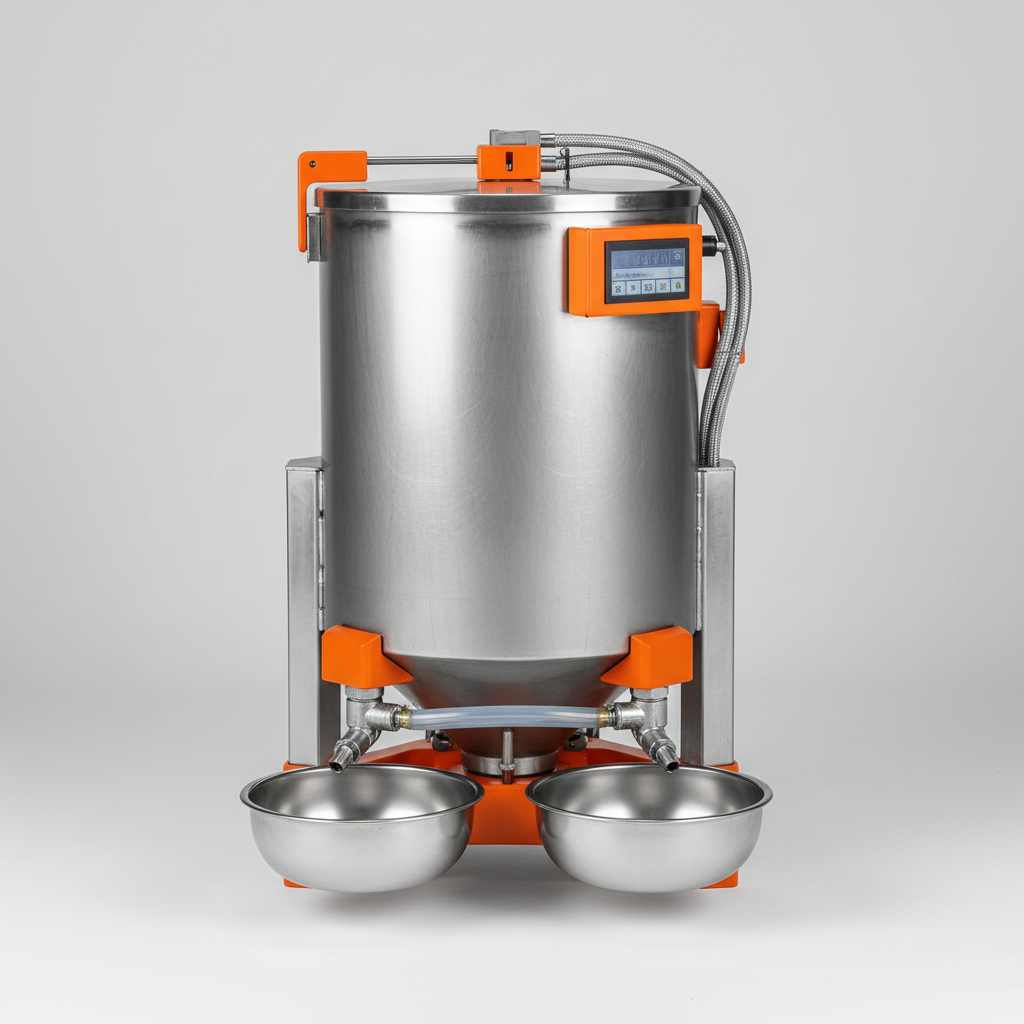
Automation is also creeping in, with some bins now featuring motorized dispensers controlled remotely. That sort of convenience could redefine farm labor efficiency.
Challenges & Solutions
Of course, challenges remain. Transportation and installation can be tricky in remote areas lacking heavy equipment. Some suppliers are addressing this by designing modular bins that can be assembled on-site without cranes.
Another concern is upfront cost, which may intimidate small-scale farmers. Subsidies or cooperative purchasing groups have proven effective in improving accessibility. Also, proper maintenance training is essential to prolong bin lifespan and maximize returns.
FAQ: Frequently Asked Questions About 9 Ton Feed Bin
- Q: What materials are best for a 9 ton feed bin in humid climates?
A: Galvanized steel with a rust-resistant coating is typically preferred for humid areas, as it resists corrosion effectively. Additionally, bins with tight seals help prevent moisture ingress. - Q: How often should I clean my feed bin?
A: Experts advise cleaning feed bins at least twice a year to avoid residue buildup and prevent contamination from mold or pests. More frequent cleaning may be needed in humid or high-use environments. - Q: Can 9 ton feed bins be used for multiple types of feed at once?
A: Generally, it’s best to store one feed type per bin to avoid cross-contamination and ensure accurate nutritional content. Some farms use separators or multiple bins for different rations. - Q: Is it possible to retrofit existing bins with smart sensors?
A: Yes, some vendors offer sensor kits that can be installed on older feed bins to monitor levels and environmental factors, making it a cost-effective upgrade.
Conclusion
In real terms, the 9 ton feed bin is much more than a storage container — it’s a practical solution that touches economic, environmental, and social dimensions of agriculture worldwide. For farms looking to improve efficiency, reduce losses, and safeguard livestock nutrition, investing in such a feed bin pays dividends, sometimes literally in profits and peace of mind.
If you’re interested in exploring which 9 ton feed bin fits your operation best, visit our website for expert advice, tailored solutions, and trusted products.
A simple step towards smarter, safer feed storage can ripple into lasting benefits for your farm and community.
References
Post time: Dec . 07, 2025