Understanding Cattle Head Lock Gates: Why They Matter Worldwide
If you’re even remotely involved in livestock management, you’ve probably heard of cattle head lock gates. Maybe you’ve seen them at farms or auction yards, or even wondered, “What’s the big deal with these racks?” Well, it turns out that these gates are quietly pivotal to global livestock handling — enhancing safety for animals and farm workers alike, improving operational efficiency, and even supporting veterinary care that can impact entire communities.
These simple yet clever devices lock an animal’s head in place to reduce stress and movement during feeding, examination, or vaccination. On a larger scale, their proper use supports animal welfare standards embraced by worldwide authorities, influencing trade, export regulations, and sustainability efforts. Understanding their benefits isn’t just about farming; it’s about improving livestock systems that feed billions and maintain livelihoods in often tough conditions.
Mini takeaway: Cattle head lock gates are a small but vital link in the global chain of sustainable livestock management, balancing animal care, safety, and efficiency.
Setting the Stage: The Global Importance of Cattle Head Lock Gates
Here’s something that surprised me recently: the UN’s Food and Agriculture Organization estimates over 1.5 billion cattle worldwide, with numbers growing steadily in developing countries. Managing such a population safely is no small feat. Cattle head lock gates play a crucial role here. They reduce injuries during essential tasks — think vaccinations or sorting — which otherwise can be chaotic and risky.
And in regions like Sub-Saharan Africa or South Asia, where livestock provides critical income and food security, efficient handling systems reduce losses and boost productivity. Problems like poor containment or rough handling can cause stress-related weight loss in animals or even fatalities. That’s not just bad for farmers — it’s a challenge for global food supply chains. So, these gates aren’t merely farm hardware; they’re part of a bigger solution to feed a growing, hungry planet.
Mini takeaway: The global scale of cattle farming magnifies the impact of efficient handling tools like head lock gates, turning them into pivotal assets in modern agriculture and development.
What Exactly Are Cattle Head Lock Gates?
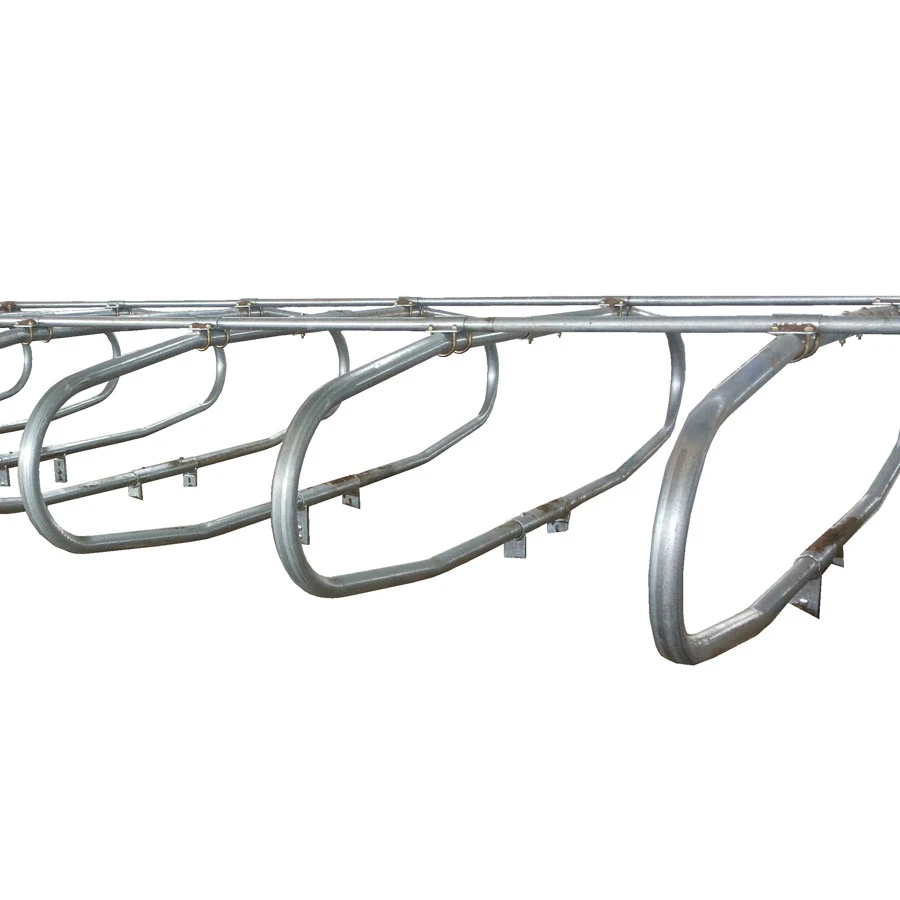
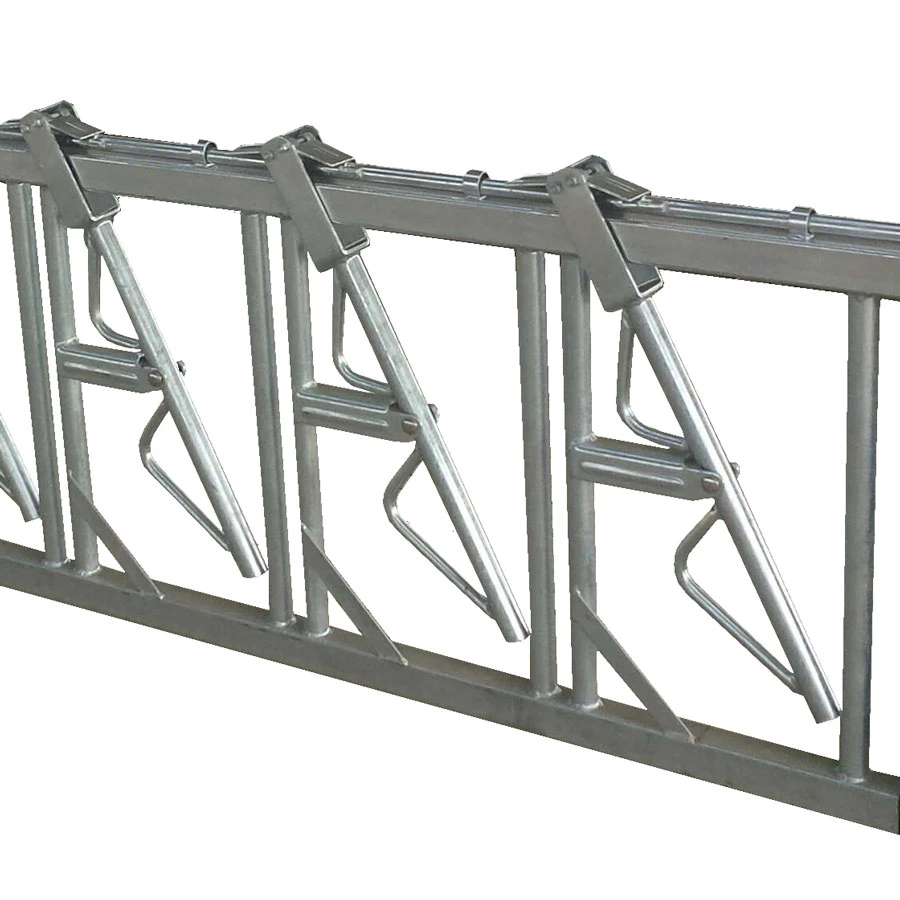
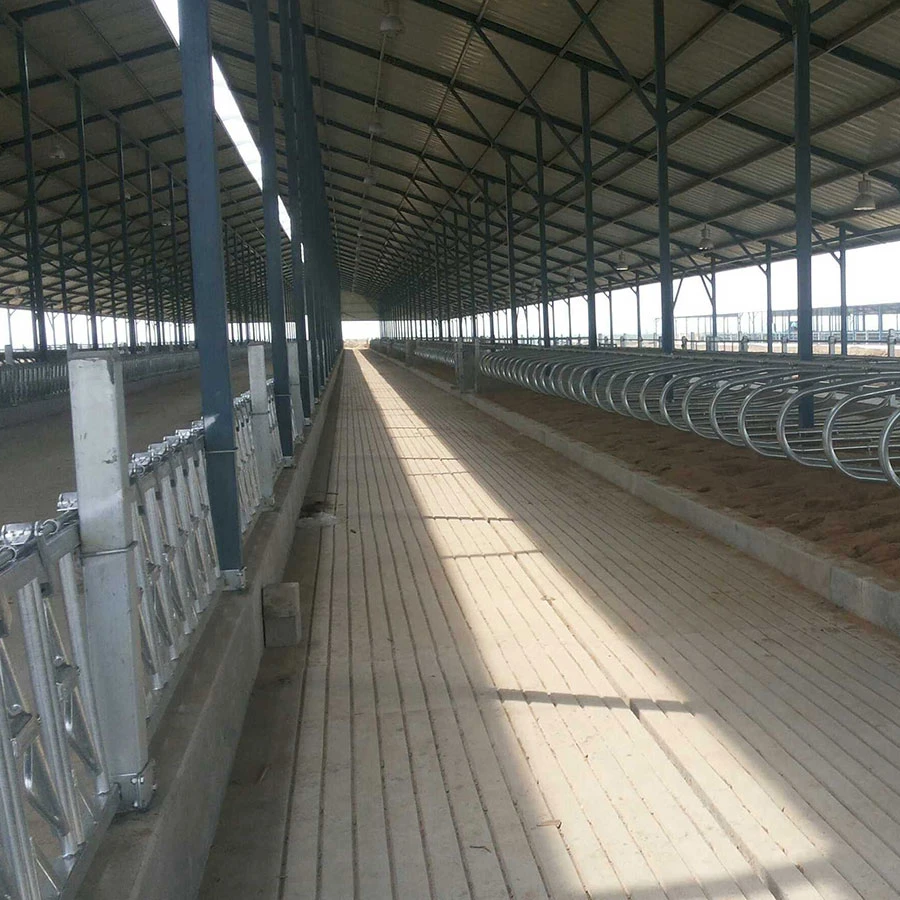
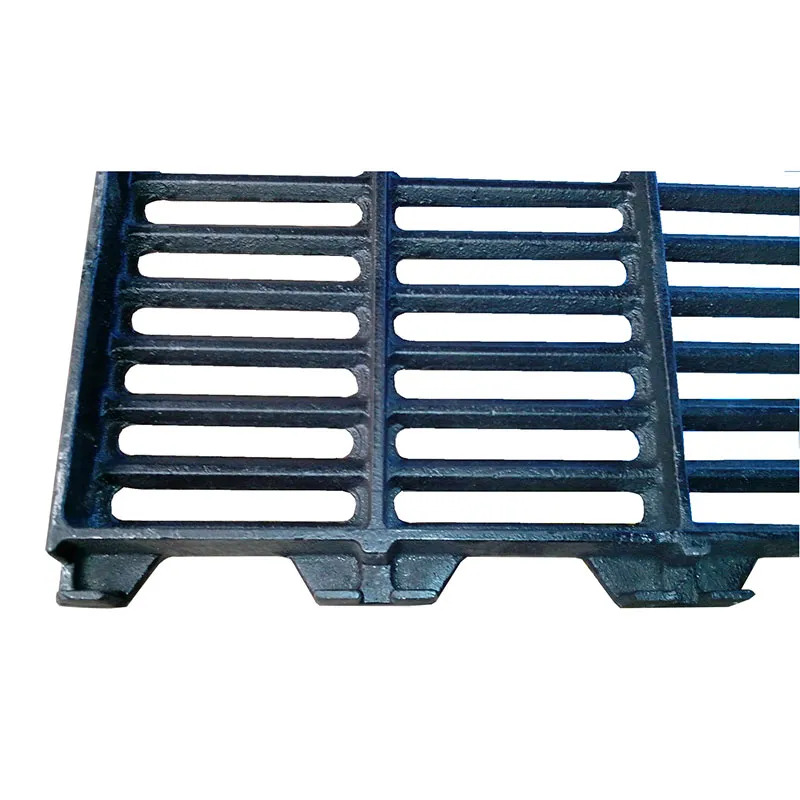
In simple terms, cattle head lock gates are frames or barriers equipped with adjustable locking mechanisms designed to hold a cow’s or bull’s head firmly but gently in place. They resemble a row of “stanchions” or slots with a “neck lock” that can be opened or closed, ensuring the animal stays still during feeding or medical procedures.
Their design allows handlers to work efficiently without risking injury, while the animals experience less stress — a win-win that supports both animal welfare and handler safety. To put it simply: head lock gates are the unsung stars of cattle management.
From a humanitarian perspective, their use also aligns with welfare protocols promoted by organizations like the World Organisation for Animal Health (OIE), helping livestock producers meet international standards. It’s a neat intersection of practicality and ethics.
Key Features of Effective Cattle Head Lock Gates
1. Durability and Materials
These gates need to withstand the weight and force of fully grown cattle, sometimes weighing over 1000kg per head. Typically, galvanized steel or stainless steel is common, resisting corrosion and wear for years in muddy or wet environments. Quality welds and rust-proof coatings keep them battle-hardened, which really matters when maintenance budgets are tight.
2. Safety for Animals and Handlers
The locking mechanism is designed to be firm yet smooth to minimize panic or injury. Rounded edges, appropriate spacing, and ease of release combine to make cattle handling less stressful — both physically and psychologically — for animals.
3. Ease of Use and Maintenance
Many farmers prefer gates with simple manual locks, but some modern designs incorporate hydraulics or remote controls — if budgets permit. Either way, parts must be easy to replace or repair, reducing downtime. Because frankly, the last thing you want is a stubborn gate halting entire operations.
4. Scalability and Flexibility
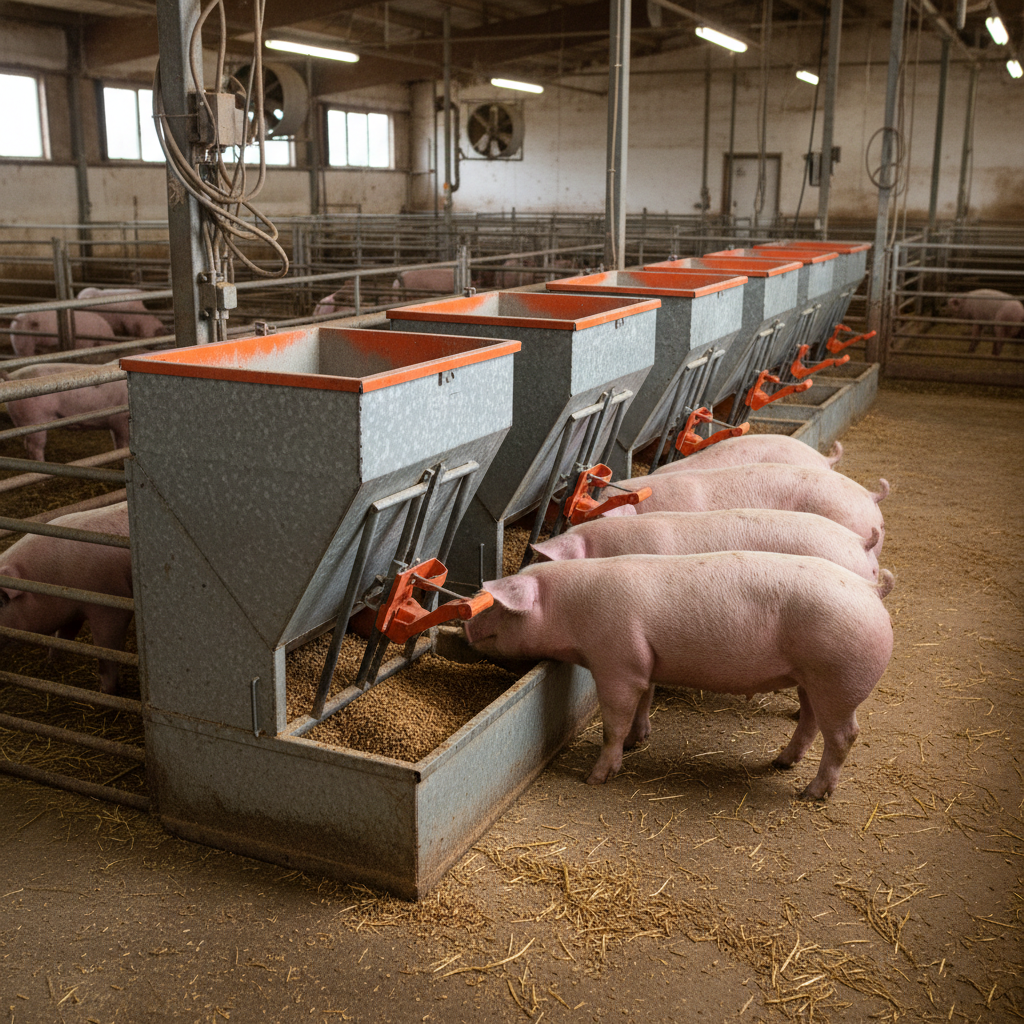
Depending on herd size, locking systems can be modular — allowing operators to add or remove sections quickly. This adaptability supports everything from small family farms to commercial feedlots. Some models even adjust to different cattle head sizes, useful in mixed herds.
5. Cost-effectiveness
For many producers, upfront costs matter. A quality head lock gate represents an investment, but one that leads to fewer injuries, less stressed animals, and more efficient workdays — translating into savings over time.
| Specification | Description |
|---|---|
| Material | Galvanized steel with protective coating |
| Capacity | 6 to 20 heads per gate unit |
| Locking Mechanism | Manual sliding lock or hydraulic control |
| Adjustability | Adjust rails to fit head sizes from calves to large bulls |
| Weight | Roughly 150–350 kg per unit depending on capacity |
| Installation | Freestanding or integrated with feeding troughs |
Mini takeaway: Practical cattle head lock gates balance sturdy materials, safety features, and operational flexibility to streamline everyday livestock care.
How Cattle Head Lock Gates Are Used Around the World
In North America and Europe, cattle head lock gates are often part of highly mechanized farm setups, integrated with electronic feed monitoring systems and automated milking parlors. I find it fascinating how technology and tradition mingle here — old-school robustness meets digital precision.
Contrast that with emerging economies in Latin America or Africa, where many smallholders rely on simple yet effective head gates to manage animals during veterinary campaigns led by NGOs or governments. In these contexts, portability and ease of assembly become crucial — a handy gate can mean the difference between successful immunization drives and costly disease outbreaks.
For instance, in drought-prone regions of Australia, farmers equipped their yards with adjustable head lock gates to reduce animal stress during feeding amidst harsh conditions. Reducing fighting and injuries meant healthier cattle adapted better to environmental stress.
| Vendor | Product Range | Price Range (USD) | Notable Features | Ideal for |
|---|---|---|---|---|
| FarmTech Solutions | Manual & hydraulic models | $1,200 - $4,000 | Robust steel, long warranty | Mid-large commercial farms |
| RuraLift Equipment | Portable manual gates | $800 - $2,000 | Lightweight, modular design | Smallholder & NGO use |
| Agrisafe Industries | Electronic lock gates | $3,000 - $6,500 | Smart sensors, feed monitoring | Tech-savvy commercial operations |
Mini takeaway: Whether high-tech or simple and portable, cattle head lock gates adapt to diverse farming contexts across the globe.
The Real Benefits: Why Invest in Good Cattle Head Lock Gates?
- Enhanced Safety: For both animals and handlers, fewer injuries and accidents mean less downtime and medical costs.
- Animal Welfare: Reduced stress supports healthier cattle, influencing growth rates, reproduction, and product quality.
- Operational Efficiency: Faster feeding and veterinary procedures save time in busy farming routines.
- Long-Term Cost Savings: Good equipment reduces replacement frequency and helps meet welfare certification standards which increase market access.
Emotionally, farmers often speak of the peace of mind gained when animals are secured safely and calmly during stressful tasks. Trust between handler and herd is subtle but vital, and these gates help bridge that gap.
What’s Next? Innovations on the Horizon for Cattle Head Lock Gates
The future is kind of exciting. Smart farming tech is making waves: digital sensors integrated into head lock gates can now track individual cattle’s feeding times, weight, or health indicators. Solar-powered hydraulic gates are being tested in remote regions, combining sustainability with automation. Materials research is pushing lightweight composites that resist rust but don’t cost a fortune.
I suspect environmental regulations and welfare policies will push manufacturers to develop even smarter, safer solutions — ones that reduce the carbon footprint of farm operations while boosting animal comfort.
Common Challenges & Practical Solutions
A few hurdles remain. Cost is often a barrier in less affluent regions, and heavy metal structures can be difficult to transport or install. Corrosion or mechanical failure are perennial worries.
Clever workarounds include modular units shipped in kit form, local fabrication partnerships for parts, and training programs to optimize maintenance and operation.
I chatted once with a small cooperative in Kenya that modified standard gates with locally sourced materials to reduce costs — an approach that’s part ingenuity, part necessity.
FAQ: Common Questions About Cattle Head Lock Gates
- Q: How do cattle head lock gates improve animal welfare?
- A: By immobilizing the animal gently during handling, these gates reduce stress and risk of injury, supporting healthier livestock and smoother veterinary procedures.
- Q: Are hydraulic gates better than manual ones?
- A: Hydraulic gates offer smoother, quicker locking and unlocking, ideal for large operations. Manual gates are more affordable and durable but require more labor.
- Q: Can these gates be customized for different cattle sizes?
- A: Yes, most gates have adjustable rails or inserts that accommodate calves to mature bulls, making them versatile across herd demographics.
- Q: What should I consider when choosing a supplier?
- A: Look for durability, warranty terms, ease of maintenance, and after-sales support. Also consider how scalable their products are for your operation’s growth.
- Q: Where can I purchase reliable cattle head lock gates?
- A: Trusted vendors like those listed above offer various models. For tailored needs, start with cattle head lock gates specialists.
Bringing it All Together: Why Good Cattle Head Lock Gates Pay Off
It’s safe to say that investing in quality cattle head lock gates isn’t just about hardware — it’s about securing safety, efficiency, and animal dignity in farm life. Over time, the right choice pays for itself in productivity gains and fewer accidents. From village farms to global supply chains, these gates quietly support an agrarian lifeline that feeds us all.
Ready to upgrade your cattle management? Visit our website: https://www.cxlivestock.com to explore top-tier cattle head lock gate options tailored to your needs.
References:
- Food and Agriculture Organization of the United Nations (FAO). Livestock Policy Brief: FAO Livestock Policy
- World Organisation for Animal Health (OIE). Animal Welfare Standards: OIE Animal Welfare
- ISO 12199:2015. Agricultural machinery - Safety - Cattle handling equipment
Post time: Nov . 29, 2025