Understanding the Role and Benefits of Cattle Head Locks in Modern Livestock Management
When it comes to effective livestock handling, especially cattle, the term cattle head lock often surfaces as an essential device. In simple terms, a cattle head lock is a mechanical system designed to safely restrain a cow’s head, allowing handlers to perform medical treatments, vaccination, feeding, or weigh-ins with ease and safety. But why does this matter beyond the farm gate? Globally, livestock management supports the livelihood of roughly 1.3 billion people (per FAO data), and tools like the cattle head lock play a pivotal role in improving animal welfare, operational efficiency, and food security. Understanding its design, usage, and benefits unlocks a deeper appreciation for how livestock tech shapes sustainable agriculture worldwide.
Mini takeaway: The humble cattle head lock is more than just a physical restraint—it's a crucial link in the chain of responsible animal husbandry and global food systems.
The Global Context: Why Cattle Head Locks Matter More Than Ever
In recent years, the livestock sector has faced mounting pressures: growing demand, animal welfare standards, and labor safety all push for smarter solutions. According to the United Nations Food and Agriculture Organization (FAO), meat consumption is expected to rise by 70% by 2050 in developing countries, demanding scalable handling equipment that can safely streamline daily operations. At the same time, mishandling leads to injuries for both animals and workers, costing farms time and money. In this challenge-packed environment, cattle head locks—and their many variations—offer a reliable way to improve precision treatments and reduce stress to cattle, thus improving yields and maintaining ethical standards.
Tracing the Problem
Without proper restraint, administering veterinary care or even routine management tasks can be chaotic, sometimes dangerous. Injuries to handlers and undue stress to livestock impair productivity. So, the cattle head lock isn’t just a piece of equipment—it’s a safety and operational imperative.
Mini takeaway: The expanding pool of cattle worldwide and higher welfare expectations underscore the growing importance of cattle head locks in modern farming.
What Exactly Is a Cattle Head Lock?
At its core, a cattle head lock is a stall or locking mechanism that holds a cow’s head firmly yet gently in place. Unlike halters or ropes, the head lock generally integrates into a feed bunk or pen system, allowing cattle to voluntarily enter and secure themselves. The lock’s design often uses adjustable bars or cradles that accommodate different ages and breeds, minimizing discomfort during the restraint. Its simplicity is deceptive—it streamlines many processes, from health checks to handling and feeding, making it a cornerstone of modern stable and feedlot management.
Moreover, cattle head locks contribute to reducing stress indicators in animals, which directly ties to improved immune responses and productivity, as recent studies (like the ISO 10214 standards for animal handling equipment) show.
Core Features That Define Effective Cattle Head Locks
Durability
Practically speaking, these devices endure a lot — exposure to weather, frequent impacts from livestock, and sometimes harsh cleaning chemicals. High-grade galvanized steel or powder-coated metals are standard, offering longevity that frankly pays off in avoided repairs and replacements.
Adjustability
Cattle sizes vary a bunch — a mature Holstein differs quite a bit from a smaller Angus or local breeds. Good head locks offer adjustable widths and locking mechanisms, ensuring a snug but safe fit for any animal.
Safety & Animal Comfort
It’s not just about locking a head; it’s about locking it safely. Rounded edges, smooth surfaces, and quick-release mechanisms are vital to avoid injury and panic. Comfort leads to easier handling and better compliance during procedures.
Ease of Operation
Farm labor is often lean, and time is money. Efficient locking and releasing mechanisms save minutes per animal, which — on large farms — extravagant function translates into hours gained.
Integration with Feeding Systems
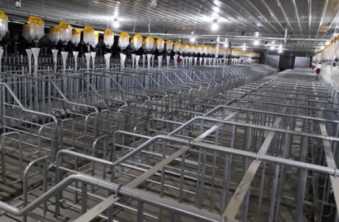
Many cattle head locks double as feeders or are integrated into feed bunks, so animals can eat comfortably while secured. This dual function improves feeding management and animal flow.
Maintenance
Someone's got to clean and maintain these. Features like easy-disassembly for cleaning parts or self-draining designs prevent rust and prolong system life, making a big difference over time.
Product Specification at a Glance
| Feature | Description | Typical Range |
|---|---|---|
| Material | Galvanized steel or stainless steel | Steel thickness 3-5 mm |
| Adjustable Width | Sliding mechanism for cattle head sizes | 250-400 mm |
| Locking Mechanism | Manual lever or automatic locking | Varies by model |
| Weight | Heavy-duty design to withstand force | 10-25 kg per unit |
| Integration | Can be built into feed bunk or chutes | Common feature |
Global Applications and Industry Use Cases
The utility of cattle head locks extends from intensive dairy farms in Europe and North America to open-range systems in Africa and South America. Dairy producers rely heavily on these locks for routine treatments and milking preparation since safe head restraint ensures smooth workflows. Meanwhile, veterinary NGOs working in remote or disaster-stricken areas use mobile cattle head lock systems to safely vaccinate animals, reducing zoonotic disease outbreaks.
For example, in Kenya’s drought-prone regions, community livestock programs implemented cattle head locks to manage vaccinations and feeding efficiently, contributing to herd health and local food security. Similarly, in Australia, high-volume feedlots rely on automated locking systems integrated with electronic identification for precision livestock management.
Feel free to browse cattle head lock solutions that serve a variety of contexts, from small farms to large industrial complexes.
Vendor Comparison: Choosing the Right Partner
| Vendor | Product Range | Customization | Price Range | Lead Time |
|---|---|---|---|---|
| CX Livestock | Standard & Custom Locks | High | Mid-range | 2-4 weeks |
| AgriLock Systems | Premium Heavy-Duty | Medium | High-end | 4-6 weeks |
| FarmSafe Tools | Entry-level Options | Low | Budget | 1-3 weeks |
Advantages and Long-Term Value of Using Cattle Head Locks
On paper, the benefits of cattle head locks are straightforward — increased safety, improved animal welfare, better operational efficiency. But in real terms, many producers notice emotional and social return too. Workers feel safer and less stressed, which often boosts morale. Animals restrained safely show fewer panic responses, translating into healthier herds and improved milk and meat yields.
Sustainability also comes into the picture: reducing injuries and stress means fewer drugs and less downtime, contributing to a farm’s green credentials and responsible animal care image. The cost-effectiveness manifests clearly when you consider lower veterinary bills, fewer work injuries, and increased productivity over yearly operations.
Looking Ahead: Future Trends in Cattle Head Lock Technology
Innovation in livestock tech marches onward. Expect to see head locks integrated with digital sensors to monitor stress hormones or heart rates during restraint, feeding into farm management software. Materials-wise, greener options like recycled metals or composites could replace steel, lowering energy footprints. Automation brings promise too — automated locking and release mechanisms linked to RFID cattle tags are closing the gap between labor shortages and operational demand.
Challenges and How to Overcome Them
Despite their utility, cattle head locks aren’t without challenges. Installation in older or irregular pens can be tricky. Some animals resist entering locks, especially when first introduced. Maintenance requires some know-how, otherwise equipment rust or jam can devalue performance. Solutions often lie in customized design, operator training, and ongoing support—many manufacturers now offer on-site assistance or online tutorials to ease these common pain points.
Frequently Asked Questions About Cattle Head Locks
Q1: How do cattle head locks improve safety on the farm?
A1: They reduce the risks of injury during veterinary procedures by securely restraining animals’ heads, preventing sudden movements that can harm handlers or the cattle themselves.
Q2: Can cattle head locks accommodate different cattle breeds and sizes?
A2: Most modern cattle head locks feature adjustable widths and flexible locking mechanisms, making them compatible with a wide range of cattle from calves to mature adults.
Q3: Are these devices difficult to maintain?
A3: With proper design emphasizing ease of cleaning and repair, maintenance is straightforward. Regular inspections and timely lubrication can ensure long service life.
Q4: Is it possible to integrate cattle head locks with automated farm management systems?
A4: Yes, newer models include compatibility with RFID readers and electronic monitoring, allowing seamless integration into digital livestock management.
Q5: How do I choose the right cattle head lock for my operation?
A5: Consider herd size, breed variation, budget, and integration needs. Vendors like CX Livestock provide customizable options and expert advice to suit diverse farm environments.
In Conclusion: Why Investing in Quality Cattle Head Locks Pays Off
Whether you operate a small family farm or a sprawling feedlot, the right cattle head lock system brings undeniable value — enhanced safety, improved animal care, and smoother daily operations. These devices represent a classic example of simple mechanical ingenuity meeting modern agricultural demands. If you’re looking to upgrade your handling systems, why not explore trusted providers — starting at cxlivestock.com? Your hands, your herd, and your business will thank you for it.
Mini takeaway: Smart livestock management isn’t just about big ideas; it’s about practical tools like the cattle head lock making every day safer and more productive.
References:
Post time: Nov . 29, 2025