Why Are Cattle Headlocks So Crucial in Modern Livestock Management?
At first glance, cattle headlocks might seem like a simple piece of equipment — after all, it’s just metal bars, right? But if you scratch beneath the surface, you’ll find these devices are pivotal in shaping how farmers handle livestock safely, humanely, and efficiently across the globe. From reducing stress in herds to improving safety during veterinary treatments, cattle headlocks play a surprisingly big role that transcends mere farm gates.
Understanding cattle headlocks isn’t just for farmers or ranchers; it's essential for industry stakeholders, animal welfare advocates, and even policymakers aiming for sustainable agriculture worldwide.
Global Context: How Cattle Headlocks Address Industry Challenges
The global livestock industry contributes nearly 40% of the global agricultural GDP (World Bank, 2023), with cattle farming being a cornerstone of this sector. However, issues such as animal welfare, labor safety, and operational efficiency remain real challenges, especially as demand for meat and dairy grows.
Cattle headlocks help tackle several of these problems by providing a stable, secure method to restrain animals during feeding, medical procedures, or identification tasks. Given the sheer number of beef and dairy cattle worldwide—1.5 billion head as per the Food and Agriculture Organization (FAO)—even small efficiency gains compound into major global impacts.
In developing regions where veterinary access is limited, headlocks reduce the risk of injuries to both animals and handlers, facilitating safer and quicker healthcare delivery.
Mini takeaway:
Cattle headlocks are not just farm gadgets; they’re vital tools for enhancing safety, productivity, and animal health on a global scale.
What Exactly Are Cattle Headlocks?
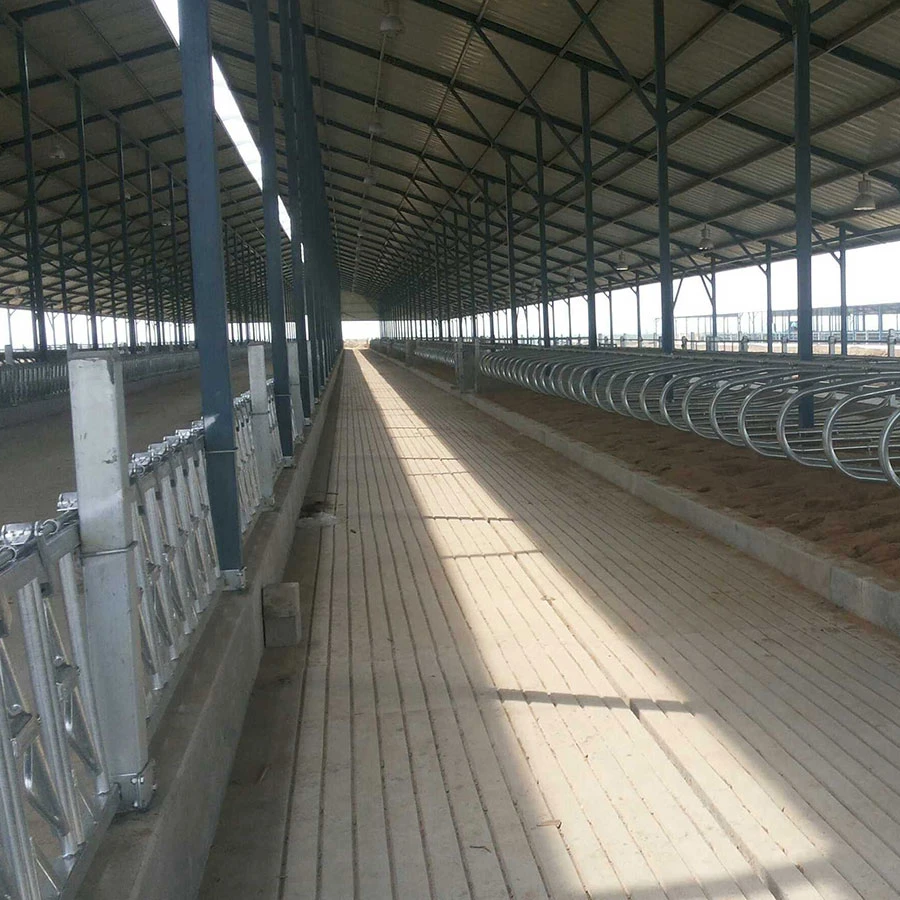
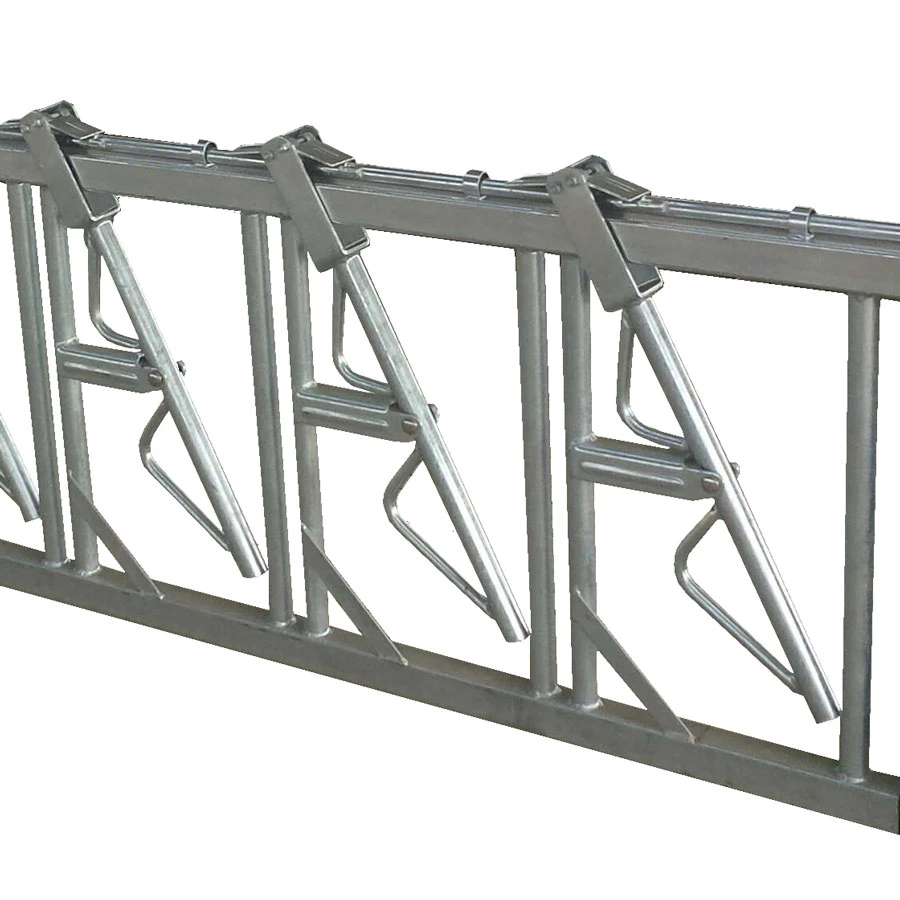
In simple terms, a cattle headlock is a sturdy steel frame installed on feeding fences that gently but firmly restricts the head movement of cattle while allowing free access to feed or water. Think of it as a “slot” that an animal voluntarily steps into, which then locks their head in place using a pivoting or sliding bar.
This practical technology is integral to modern feedlot systems, dairy barns, and even some pasture management setups. Because it doesn’t stress the animals as much as more aggressive restraints, it aligns with evolving standards for humane livestock management.
Mini takeaway:
They’re simple, yet effective tools designed to secure cattle heads to streamline feeding and care without harming the animals.
Core Components of Cattle Headlocks and What Makes Them Tick
1. Durability
Most cattle headlocks are crafted from galvanized steel or stainless steel to endure everything from rain and mud to forceful headbutts. Many engineers say that a frame’s robustness directly correlates to its lifespan, which often spans 10-15 years on average.
2. Adjustability
Since cattle vary in size—calves, heifers, mature bulls—the headlock must adjust to accommodate these differences without injuring smaller or younger animals. Some advanced models feature self-locking or spring-loaded mechanisms that adapt automatically.
3. Ease of Use
Farmhands value headlocks that open easily for animal release or medical access. A clunky or stiff locking bar can spell disaster when you need swift action during emergencies.
4. Cost Efficiency
While prices vary, many operators find investing in quality headlocks worthwhile because fewer animal injuries and labor hours balance initial costs. Economical designs tend to be simpler steel frames, while premium products offer corrosion resistance and automation-ready features.
5. Safety Features
Modern headlocks incorporate rounded edges, smooth finishes, and locking mechanisms gentle enough to avoid panic separation — all crucial to maintain animal calmness and handler protection.
Mini takeaway:
From steel quality to locking design, every small detail in cattle headlocks matters for functionality and longevity.
The Many Ways Cattle Headlocks Come Alive Around the World
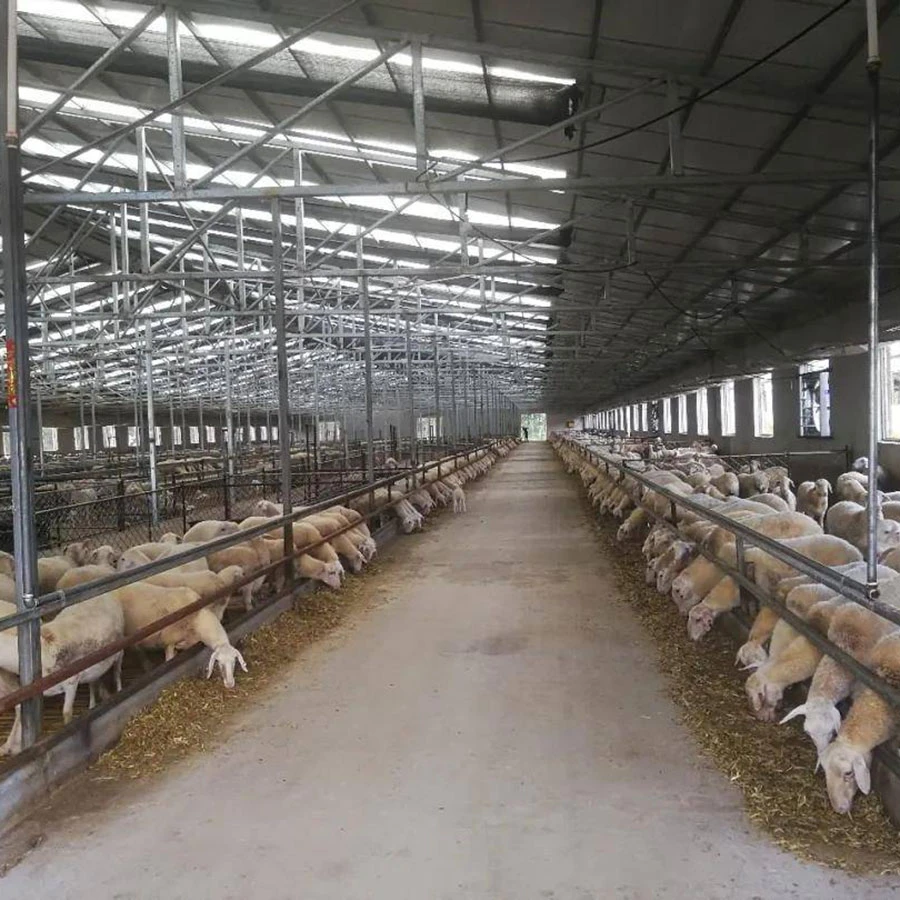
In North America, cattle headlocks are practically standard on dairy farms where daily milking and veterinary checks demand quick and safe handling. In Australia and South America, headlocks assist in large feedlots, allowing operators to manage thousands of animals simultaneously.
Interestingly, in emerging rural regions of Africa and Asia, NGOs and agricultural extension programs have begun promoting the adoption of cattle headlocks as part of modernization efforts — helping smallholder farmers improve herd health and productivity.
For example, in drought-prone zones of Kenya, consolidated feeding stations fitted with headlocks made it easier to distribute supplements effectively without chaos or tailgating cattle injuring one another.
Mini takeaway:
Cattle headlocks find practical use everywhere, from high-tech dairy barns to resource-challenged farms in developing countries, adapting flexibly to each context.
Advantages & Long-Term Value of Using Cattle Headlocks
- Enhanced Animal Welfare: Less stress during feeding and treatments.
- Improved Worker Safety: Reduced risk of human injury handling large animals.
- Operational Efficiency: Faster veterinary checks, vaccinations, and feeding routines.
- Cost Effectiveness: Longer equipment lifespan reduces replacement frequency.
- Better Herd Management: Monitoring and administering care become more systematic.
On the human side of things, it’s a relief to see animals calm and comfortable, which also builds trust between handlers and their livestock. That’s invaluable in an industry historically marked by tough labor and unpredictable animals.
Breaking New Ground: Future Trends in Cattle Headlock Technology
We’re witnessing shifts toward integration with digital sensors, enabling farmers to monitor feeding times, identification, and even health indicators remotely. Some next-gen headlocks come equipped with RFID readers, linking to farm management software — a glimpse into the digital farm of tomorrow.
Material-wise, innovations include composites and powder-coated alloys to reduce corrosion and weight, paired with solar-powered automated locking systems for sustainability. It feels like the livestock industry is slowly but surely embracing green tech and automation.
Common Challenges and Smart Solutions in Deploying Cattle Headlocks
Not every farm has smooth sailing installing these units. Challenges include:
- Cost Barriers: Smallholders sometimes struggle with the upfront investment.
- Maintenance Needs: Rust and mechanical wear can shorten lifespan if ignored.
- Animal Adaptation: Some cattle resist initially, requiring gentle acclimation training.
Innovative solutions? Modular, scalable designs that fit different budgets; regular maintenance training for operators; and animal-friendly conditioning protocols to ease adjustment. In fact, many farms report that once animals get the hang of headlocks, overall behavior improves significantly — a win-win.
Product Specification Table: Typical Cattle Headlock
| Specification | Detail |
|---|---|
| Material | Galvanized steel (optional stainless steel) |
| Height | 130 cm (adjustable models available) |
| Width per headlock slot | 35–40 cm |
| Locking Mechanism | Spring-loaded pivoting bar |
| Corrosion Resistance | Powder coat and galvanization standard |
| Typical lifespan | 10-15 years with maintenance |
Vendor Comparison: Leading Cattle Headlock Suppliers
| Supplier | Material Quality | Adjustability | Price Range (per unit) | Automation Ready |
|---|---|---|---|---|
| AgriLock Co. | High-grade galvanized steel | Manual, 2 size options | $120–$200 | No |
| FarmLock Systems | Stainless steel, powder coated | Adjustable width, auto-lock feature | $250–$400 | Yes |
| RanchMate | Galvanized steel | Fixed width, basic spring-lock | $90–$160 | No |
FAQs About Cattle Headlocks
1. What makes cattle headlocks different from other livestock restraint systems?
Cattle headlocks focus on gently securing only the animal’s head during feeding or treatment without full body restraint, improving comfort and reducing stress. This contrasts with chutes that fully enclose cattle but can be more intimidating and costly.
2. How do you maintain headlocks to maximize lifespan?
Regular cleaning to prevent mud buildup, applying rust-resistant coatings, inspecting springs and pivots, and lubricating moving parts help preserve function and durability.
3. Are cattle headlocks safe for calves?
Yes, but it’s important to choose models with adjustable locking widths or dedicated calf-friendly designs to avoid injury or distress due to size mismatches.
4. Can cattle headlocks improve feeding efficiency?
Absolutely. By preventing animals from pushing each other away, headlocks allow more consistent, peaceful access to feed, reducing waste and aggressive behavior.
5. How can international buyers source high-quality cattle headlocks?
Many vendors have global supply chains. Buyers should consider shipping costs, warranty, support availability, and compliance with local livestock regulations. Contact vendors directly or through platforms like cattle headlocks for tailor-made solutions.
Wrapping It Up: Why Investing in Cattle Headlocks Pays Off
In the end, cattle headlocks exemplify an interesting blend of simplicity and tech-forward thinking in agriculture. By improving safety, health, and operational flow on ranches worldwide, they emerge as a small piece vital to the big farming puzzle. For anyone involved in livestock management, these devices aren’t just tools — they’re partners in caring for animals responsibly.
Thinking about upgrading your livestock infrastructure? Visit our website at https://www.cxlivestock.com to explore how cattle headlocks can fit your operation.
References:
Post time: Nov . 28, 2025