Why Cattle Hurdles for Sale Matter Globally
At first glance, cattle hurdles might seem like an everyday farming supply — basic fences, right? But in reality, the global demand for cattle hurdles for sale reflects a deeper story about animal welfare, efficient livestock management, and even food security. Around the world, smallholders and industrial-scale agribusinesses alike rely on well-designed hurdles to control and move cattle safely, reducing stress for animals and handlers alike. It's a simple tool with outsized impact, helping to stabilize markets, improve trade logistics, and support rural livelihoods. As global beef and dairy production grow, understanding these barriers becomes not just practical knowledge but a stepping stone to sustainable food systems.
Mini takeaway: Cattle hurdles play a surprisingly significant role in global agriculture, linking animal welfare to economic resilience.
The Global Context: Why Focus on Cattle Hurdles?
Livestock farming accounts for about 40% of global agricultural GDP, according to the Food and Agriculture Organization (FAO). With over 1.5 billion cattle worldwide, infrastructure like hurdles is essential. Poor fencing or handling systems lead to higher injury rates and slower processing times, with billions lost annually due to inefficient livestock movement.
Consider this: in developing nations, where manual methods and local materials often limit animal handling, investing in good-quality cattle hurdles can transform operations. They improve safety, reduce cattle stress—which science shows directly impacts meat quality—and speed up processing for vaccinations or loading. Cattle hurdles for sale thus help bridge the gap between traditional and modern practices.
But it’s not just about efficiency. In areas vulnerable to climate change or conflict, effective livestock barriers help protect herds during displacement or emergencies, making them a critical part of humanitarian livestock management.
Mini takeaway: Globally, cattle hurdles address challenges from economic loss to animal welfare and crisis management.
What Exactly Are Cattle Hurdles?
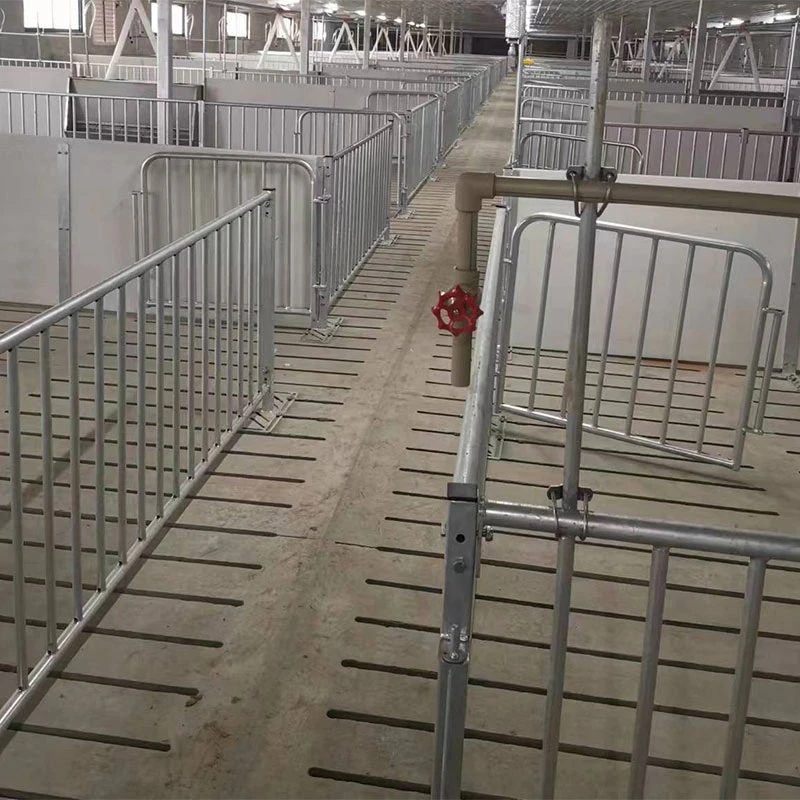
Simply put, cattle hurdles are temporary or permanent barriers used to enclose, guide, or restrain cattle. Think metal or wooden panels that link together to form fences, chutes, or pens. The idea is straightforward — but the design can be surprisingly sophisticated.
Cattle hurdles relate closely to livestock handling practices, combining ergonomics, safety, and durability. Many modern hurdles use galvanized steel for rust resistance or lightweight aluminium for portability. The goal? To reduce the stress on animals (which is quite sensitive to noise and rough handling) and keep handlers safe. On a larger scale, they’re tools embedded into ranching infrastructure, veterinary care setups, and even mobile livestock markets.
For humanitarian needs, mobile cattle hurdles are key. NGOs supporting displaced pastoralists need flexible yet sturdy solutions to manage herds quickly and humanely.
Mini takeaway: Cattle hurdles are more than fences — they’re well-engineered solutions intertwining animal welfare with operational efficiency.
Key Aspects of Cattle Hurdles
Durability
Durability is the backbone of any good cattle hurdle. They’re exposed to the weather, frequent animal impacts, and repeated transport. Materials like galvanized steel, treated wood, and even high-density polymers are popular choices. Roughly, you want hurdles that can last 10-15 years without major repairs, especially in harsh outdoor conditions.
Portability and Scalability
Many buyers prefer hurdles that are easy to move and stack. Lightweight and modular designs allow farmers or NGOs to adjust enclosures as needed — from a small pen to a large handling facility in minutes.
Safety Features
Rounded edges, non-slip feet, and secure locking systems reduce injuries to cattle and humans. Several standards exist to guide these features — including ISO livestock handling guidelines — because safe handling means fewer costly accidents.
Cost Efficiency
Aside from upfront pricing, consider lifespan and maintenance. Sometimes spending a little more upfront for corrosion-resistant hurdles pays off in the long run. Bulk purchases can also reduce costs considerably for farmers.
Customization Options
Today’s manufacturers offer hurdles with adjustable heights, optional gates, and color coding for easier handling. Some models come with integrated feeding stations or RFID scanner mounts — yes, livestock tech is becoming a thing.
Compliance and Standards
Following recognized standards (like ISO 34189 for livestock handling) assures buyers they’re investing in safe, tested products that meet welfare requirements.
Mini takeaway: Durable, safe, scalable, and cost-effective cattle hurdles with thoughtful design are crucial to meet diverse operational needs.
Global Applications: Who Relies on Cattle Hurdles?
- North America and Australia: Large cattle ranches use heavy-duty, weather-resistant hurdles arranged in permanent corrals.
- Sub-Saharan Africa: Mobile cattle hurdles support pastoralists dealing with seasonal migrations and sudden disease control campaigns.
- Middle East & Asia: Intensive dairy farms depend on modular hurdles for rapid sorting and veterinary care.
- Humanitarian NGOs: During crises like droughts or floods, mobile hurdles help relocate and protect cattle, sustaining livelihoods.
- Livestock markets worldwide: Hurdles enable safe, organized trading, reducing animal stress and improving transaction speed.
For example, during a recent drought relief operation in Kenya, NGOs used lightweight, removable cattle hurdles to create temporary holding pens, allowing veterinarians to administer vaccinations efficiently. Such practical use cases highlight hurdles as unsung heroes in food security efforts.
Mini takeaway: Whether in large ranches or emergency zones, cattle hurdles are adaptable tools supporting global livestock economies.
Advantages & Long-Term Value of Investing in Quality Cattle Hurdles
There’s a pragmatic side and an emotional one. Pragmatically, quality hurdles reduce cattle injuries and losses by up to 30%, lower labor hours required by handlers, and improve throughput in pens and chutes. Socially, this means farmers preserve healthy stock, reduce veterinary bills, and can meet growing demand better.
Emotionally, many farmers express relief knowing their animals are treated humanely — “with dignity” is a word I often hear. Innovation here builds trust between farmers, buyers, and regulators. And that trust translates into long-term business sustainability.
Mini takeaway: Quality cattle hurdles offer durable, cost-saving benefits, plus foster humane, trusted livestock management.
Product Specification Table
| Feature | Standard Model | Heavy-Duty Model | Mobile Lightweight Model |
|---|---|---|---|
| Material | Galvanized Steel | Reinforced Steel with Coating | Aluminum Alloy |
| Weight per Panel | 25 kg | 40 kg | 12 kg |
| Dimensions (L x H) | 2.4 m x 1.2 m | 2.4 m x 1.5 m | 2 m x 1.2 m |
| Locking Mechanism | Pin & Hook | Heavy Duty Lock | Quick-Release Clips |
| Estimated Lifespan | 10 Years | 15+ Years | 5-8 Years |
Comparing Popular Vendors of Cattle Hurdles
| Vendor | Price Range (per panel) | Material Quality | Portability | Warranty | Custom Options |
|---|---|---|---|---|---|
| AgriFencing Inc. | $75 - $120 | Good galvanized steel | Moderate | 5 years | Color & size |
| Livestock Solutions | $90 - $140 | Premium coated steel | Low (heavy panels) | 7 years | Integrated gates |
| Mobile Cattle Gear | $100 - $160 | Aluminium alloy | High (lightweight) | 3 years | Custom sizing & RFID mounts |
Looking Ahead: Future Trends in Cattle Hurdles
Oddly enough, the humble cattle hurdle is evolving alongside high-tech agriculture. Automation is creeping in: imagine gates that open only for specific RFID-tagged cattle, or sensors that monitor stress levels through movement patterns. Sustainable materials, including recycled plastics or composites, are growing in popularity to reduce carbon footprints.
Digital transformation means livestock handling could soon be integrated with farm management software, tracking the herd's movement and health in real time. Renewable energy-powered mobile pens and solar lighting enhance night operations, especially in remote areas.
Government policies increasingly require adherence to animal welfare codes that push manufacturers to innovate design and materials.
Mini takeaway: Expect smarter, greener, and more connected cattle hurdles within the decade.
Challenges and Practical Solutions
One big hurdle (pun intended) is balancing cost with quality. Many smallholders can’t afford the premium panels that a big ranch uses. Shipping and customs regulations for importing sturdy cattle hurdles into remote areas can introduce delays and damages. Also, some designs aren’t flexible enough for varied terrains or emergency use.
Innovative NGOs and private firms tackle these by sourcing local materials with modular designs, partnering with manufacturers to customize solutions, and using crowd-funding to subsidize costs. Field testing and user feedback loops keep improving product usability.
Mini takeaway: Affordability, supply logistics, and context-focused design are challenges—but creative partnerships help overcome these.
FAQ: Frequently Asked Questions about Cattle Hurdles for Sale
- What should I consider when buying cattle hurdles?
- Look at durability, portability, safety features, and warranty. Consider your herd size and terrain. Don’t forget maintenance costs and local availability of spare parts.
- Are mobile cattle hurdles durable enough for harsh environments?
- Yes, many mobile models use corrosion-resistant alloys and have tested locking mechanisms that withstand wind, rain, and heavy animal contact for 5-8 years or more.
- Can cattle hurdles be customized?
- Absolutely. Many suppliers offer variable heights, integrated gates, or mounts for RFID and monitoring tech — perfect for farms aiming to modernize.
- How do I import cattle hurdles internationally?
- Check trade regulations, import duties, and quarantine rules. Established vendors often assist with export documentation. It’s wise to clarify shipping terms and packaging for fragile or heavy panels.
- Do cattle hurdles improve meat quality?
- Indirectly, yes. Well-designed hurdles reduce cattle stress during handling, which positively affects meat tenderness, flavor, and overall quality.
Conclusion: Why Quality Cattle Hurdles Are Worth It
In agricultural landscapes worldwide, the value of solid, safe cattle hurdles can be underrated—but no less essential. They intertwine animal welfare, economic efficiency, and sustainability in ways that few realize. Whether you run a sprawling operation or support a local community, investing in cattle hurdles for sale is investing in the long-term health of your cattle, your business, and the environment. After all, fences do more than keep animals in place—they keep entire industries moving forward.
Interested? Visit us at https://www.cxlivestock.com for quality options and expert advice.
References:
Post time: Dec . 01, 2025