The Global Significance of the Cattle Show Stall
If you’ve ever visited an agricultural fair or livestock expo, you’ve probably seen rows of cattle neatly arranged in exhibition spaces. These carefully designed cattle show stalls do a lot more than just house animals—they play a vital role in animal welfare, industry standards, and even global agricultural economics.
In today’s interconnected food systems, understanding how cattle are presented and cared for during shows isn’t just a regional curiosity; it matters worldwide. From boosting breeders’ reputations to supporting animal health during transport and display, the humble cattle show stall provides solutions that ripple through meat and dairy supply chains worldwide.
It’s more than just a fenced box—it’s a micro-environment designed to optimize comfort and safety, reflecting the growing attention to livestock care and biosecurity. Here’s why diving into this topic could be surprisingly useful for farmers, industry professionals, and even policy shapers.
What Exactly Is a Cattle Show Stall?
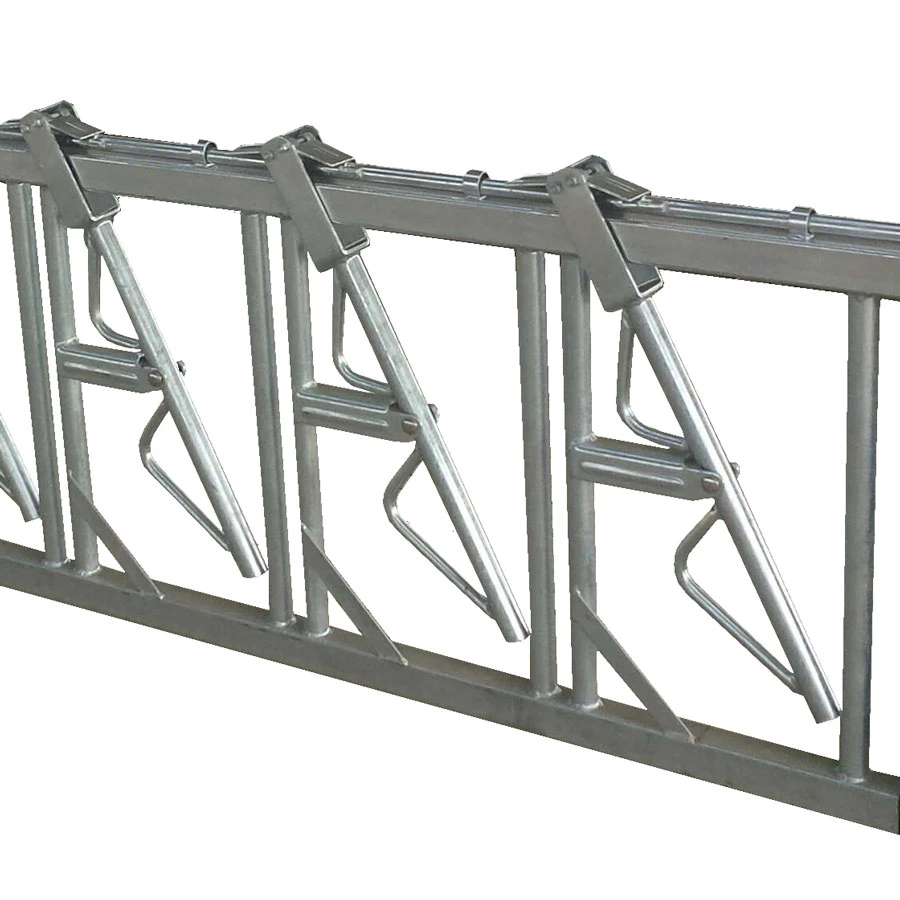
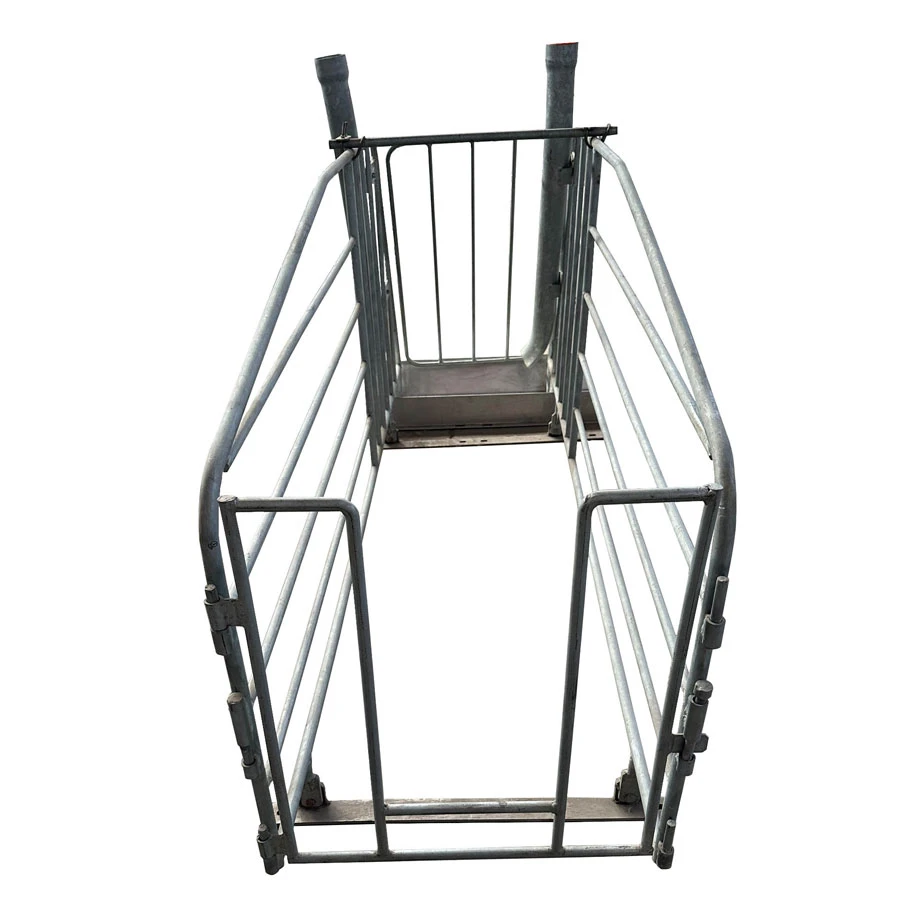
Put simply, a cattle show stall is a partitioned area used to securely hold individual cattle during exhibitions, competitions, or livestock shows. These stalls are specially crafted to meet the needs of both the animals and handlers, balancing space, ventilation, and security.
Modern cattle show stalls have evolved from makeshift corrals to engineered fixtures, often modular and mobile. Their design reflects advances in animal science and is connected closely to international livestock trade standards and welfare protocols. Think of them as temporary homes that signal respect for the animal’s comfort while showcasing its qualities.
Oddly enough, these structures serve a humanitarian role too—by reducing animal stress and injury, they effectively contribute to safer and more ethical farming methods globally.
Core Components of a Quality Cattle Show Stall
1. Durability and Material Choice
Most cattle show stalls are built from heavy-duty steel or powder-coated aluminum for strength and corrosion resistance. Wood is less common nowadays due to hygiene concerns but might still be used decoratively or regionally. Notably, the materials have to withstand more than just physical wear—they face weather, cleaning agents, and occasional kicking bulls.
2. Size and Comfort
Size matters here. A stall too cramped stresses the animal; too loose, and it risks injury or escape. Industry standards often suggest a minimum of 10-12 square feet per mature cattle, with proper head clearance (about 1.5 meters) to avoid discomfort. Comfort also extends to flooring—rubber mats or textured metal reduce slipping hazards and encourage natural posture.
3. Ventilation and Lighting
Stalls usually incorporate open bars or slatted panels to ensure air circulation. This mitigates respiratory issues that can arise in dense show environments. Lighting is designed to be natural or soft to minimize stress but still allow judges and visitors a clear view of the animal.
4. Ease of Setup & Transport
Organizers like modular designs that can be assembled on-site quickly, sometimes using bolted panels or clip systems. Some premium stalls even fold flat or come with wheels, making them practical for traveling shows.
5. Hygiene and Cleaning
Removable panels or smooth finishes are often employed to facilitate thorough cleaning between uses, preventing disease transmission. This is especially crucial in countries adhering to strict animal biosecurity standards, such as those dictated by the World Organisation for Animal Health (OIE).
Mini takeaway: While the nuances of a cattle show stall’s build might seem subtle, each factor plays a non-negotiable role in the health, safety, and performance of livestock shows globally.
Where Are Cattle Show Stalls Making an Impact Worldwide?
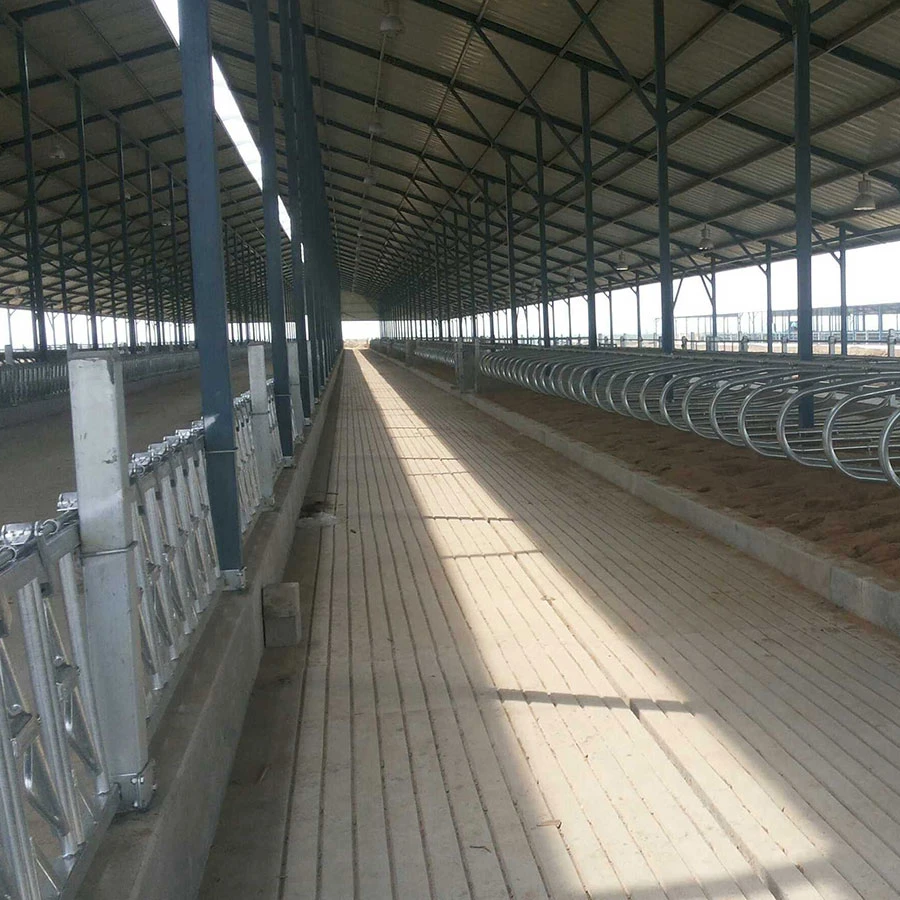
From the dusty plains of Texas to the lush fields of New Zealand, cattle show stalls are essential terrain in the agricultural landscape. Countries with established livestock industries—like the United States, Brazil, Australia, and parts of Europe—use these stalls extensively during county fairs, breed competitions, and trade expos.
In emerging livestock markets, too, well-engineered cattle show stalls are becoming symbols of modern agricultural practice and biosecurity. For instance, in East Africa, shows with proper stalls help small-scale farmers showcase improved breeds and secure financing or partnerships.
Industries involved aren’t just cattle breeders; feed suppliers, veterinary services, and agrotechnology firms also engage with this market segment. Even NGOs working in rural development tap into the concept by promoting best practices in animal welfare during livestock promotional events.
Advantages & The Bigger Picture
- Animal welfare: Reduced stress and injury translates to healthier livestock, which is crucial for both ethical reasons and economic productivity.
- Cost effectiveness: Modular, durable stalls lower replacement frequency and help streamline transportation costs.
- Social impact: High-quality stalls uphold the dignity of animals and breeders alike, often serving as a point of pride and professionalism in rural communities.
- Reliability: Trusted stall designs withstand multiple seasons and diverse climates, ensuring steady use.
- Sustainability: Increasingly, manufacturers employ recycled metals and eco-friendly coatings.
Overall, the investment in proper cattle show stalls signals a commitment to quality, safety, and innovation, with ripple effects extending well beyond the show ring.
Innovations Shaping the Future of Cattle Show Stalls
Let’s be frank, the future looks pretty intriguing. Smart stalls are entering the scene, equipped with sensors to monitor temperature, humidity, and even the animal’s biometric data in real time. These “digital” stalls aim to reduce stress by alerting handlers to discomfort signs before they escalate.
We’re also seeing a push towards lighter yet tougher composite materials, improving portability without sacrificing strength. Solar-powered LED lighting might seem fancy now, but it could become standard in remote or eco-conscious shows.
Finally, policy pushes from organizations like the International Organization for Standardization (ISO) are helping harmonize welfare and construction guidelines globally, pushing manufacturers to innovate responsibly.
Challenges & Practical Solutions
Not everything is smooth sailing, though. One common challenge is balancing cost with quality — not every breeder or show can afford top-tier stalls. There’s also the dilemma of adapting stalls to fit different cattle breeds and sizes, especially in mixed-animal exhibitions.
Experts suggest modular systems that allow panels to be swapped or extended as a flexible solution. Moreover, incorporating community training on proper assembly and care reduces damage and prolongs stall life, effectively making better use of limited resources.
Product Specifications: A Typical Cattle Show Stall
| Specification | Details |
|---|---|
| Material | Powder-coated steel frame with galvanized steel paneling |
| Dimensions | 12 ft (length) x 5 ft (width) x 6 ft (height) |
| Weight | Approx. 180 kg |
| Portability | Modular design with bolted panels for quick assembly/disassembly |
| Floor | Non-slip rubber matting included |
| Ventilation | Open barred side panels for airflow |
Comparing Top Vendors of Cattle Show Stalls
| Vendor | Product Range | Customization | Price Range | Notable Feature |
|---|---|---|---|---|
| AgriProtect | Basic to premium stalls | Yes, sizes & finishes | $1200 – $2500 | Heavy-duty powder coating |
| Livestock Solutions | Modular stalls & accessories | High customization | $1500 – $3000 | Integrated sensor options |
| ShowBarn Co. | Standardized show stalls | Limited | $1000 – $2000 | Quick-assembly clip system |
Frequently Asked Questions About Cattle Show Stalls
Q1: What are the space requirements for cattle show stalls?
A: A mature cow typically needs at least 10 to 12 square feet in a show stall to move comfortably without stress. Head clearance should be around 1.5 meters. These dimensions ensure safety during shows and reduce injury risk.
Q2: How durable are modular cattle show stalls?
A: Most modern modular stalls are designed to last several years with regular maintenance. Made from heavy-duty steel with protective coatings, they can withstand repeated assembly and exposure to weather, making them cost-effective over time.
Q3: Can cattle show stalls be customized for specific breeds?
A: Yes, many vendors offer customization in size and panel design to accommodate larger breeds like Brahman or smaller breeds such as Jerseys. Custom flooring and ventilation options are also common to meet breed-specific needs.
Q4: How do cattle show stalls improve animal welfare?
A: Proper stall design reduces stress by providing adequate space, ventilation, and stability. This lowers the risks of injury and illness during high-stress events like shows or transport.
Q5: Are these stalls easy to transport for traveling shows?
A: Absolutely. Many stalls feature modular panels and lightweight frames that fold or bolt apart, simplifying transport and quick setup at different locations.
Wrapping It Up: Why Cattle Show Stalls Still Matter
In the end, investing in a quality cattle show stall isn’t just about the animal on display, or even the breeder’s competitive edge. It’s about embracing a piece of the global agricultural puzzle—a puzzle where health, welfare, economics, and culture all intersect.
If you’re involved in livestock events, breeder communities, or agricultural exhibitions, there’s plenty to gain by ensuring your cattle show stalls meet the highest standards.
Curious to explore sturdy, proven designs? Visit cattle show stall specialists who truly understand the market.
References & Further Reading
Post time: Nov . 27, 2025