Cattle Stalls: More Than Just Spaces for Livestock
At first glance, a cattle stall might seem like a simple structure — a place to keep cows or bulls tethered, fed, and safe. But when you take a step back and consider the global livestock industry, its role becomes far more complex and essential. From ensuring animal welfare to improving farm productivity and supporting sustainable agriculture, effective cattle stalls are a critical piece of the puzzle. And as global demand for meat and dairy products grows alongside concerns over environmental impact, understanding the design, application, and future of cattle stalls offers vital insights into how agriculture moves forward.
Whether you’re a farmer, industry professional, or someone intrigued by sustainable farming, having a good grasp of what makes a cattle stall tick can open the door to better animal care, smarter investments, and even innovative policy solutions. So let’s unpack this unassuming but powerful element in modern farming.
The Worldwide Importance of Cattle Stalls
Livestock farming remains central to economies of many countries. According to the FAO (Food and Agriculture Organization), more than 1.5 billion people rely on livestock for their livelihoods worldwide. Cattle, in particular, contribute a significant share of meat, milk, leather, and draft power.
But there’s a catch — poor housing and substandard stalls often lead to health issues in cattle, reducing productivity and increasing costs. The World Bank notes that improving livestock infrastructure, including cattle stalls, can boost income for smallholder farmers by up to 20%. Moreover, well-designed stalls help in managing waste, improving hygiene, and limiting greenhouse gas emissions through better manure processing.
Given these stakes, it’s no surprise that the global cattle stall market is evolving quickly as new materials, design philosophies, and technology intersect to meet these challenges.
Mini takeaway:
- Cattle stalls are a backbone for global livestock productivity and animal welfare.
- Improving stall design directly impacts economic and environmental outcomes.
What Exactly Is a Cattle Stall?
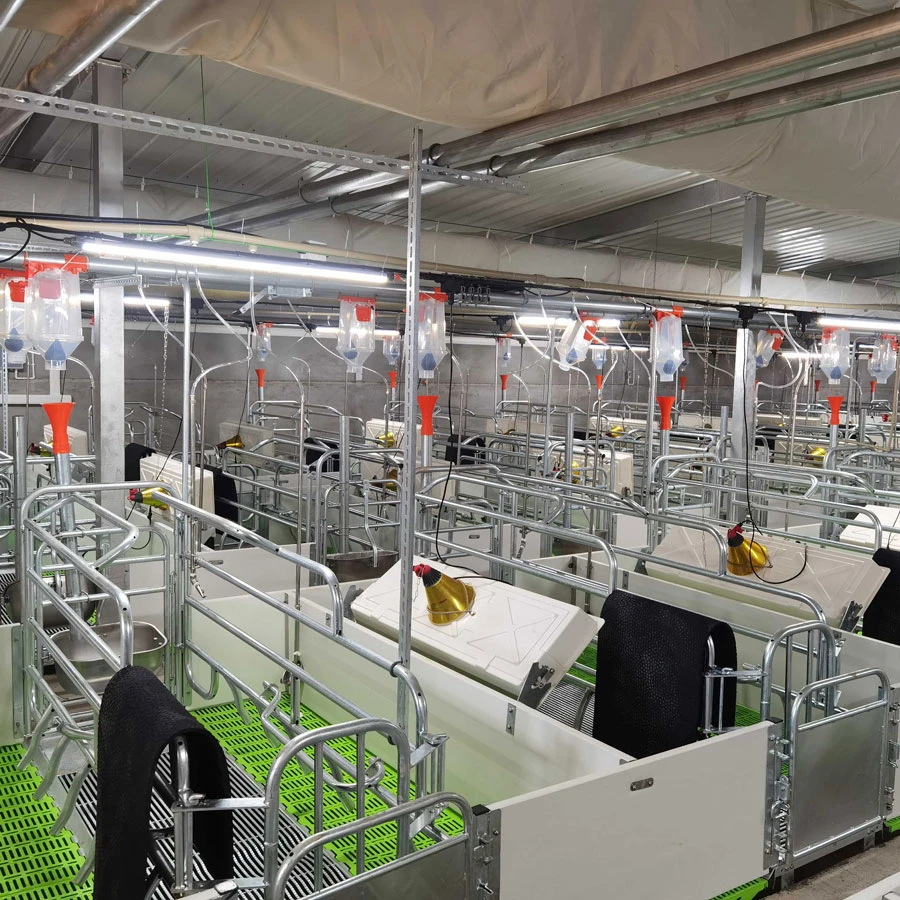
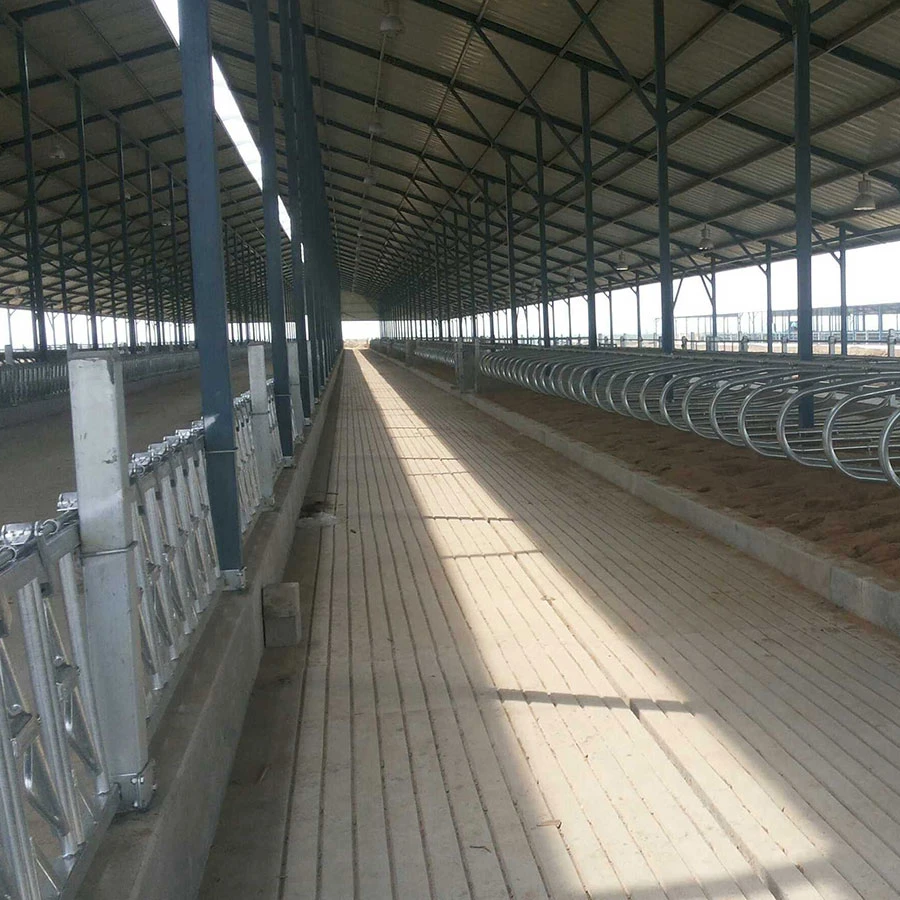
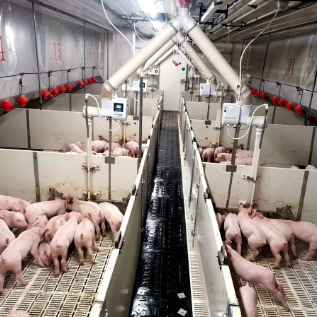
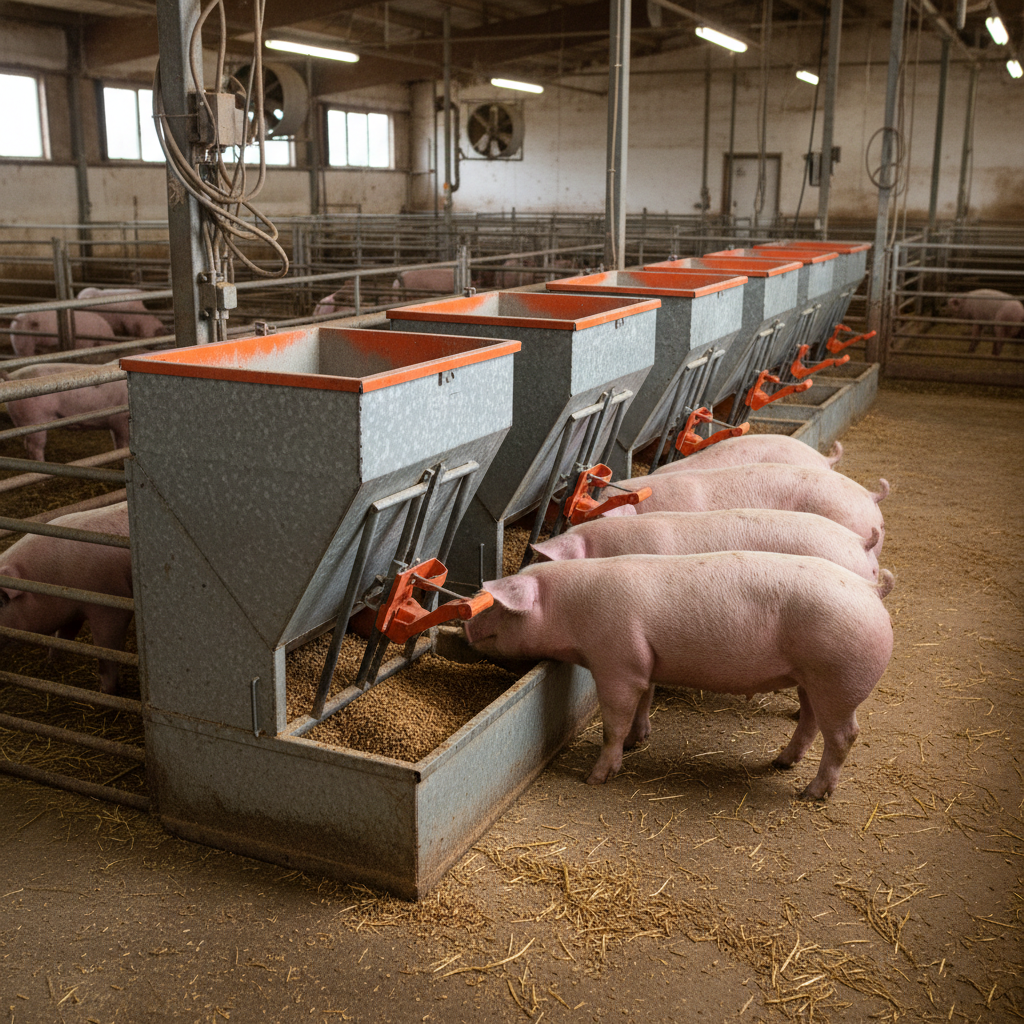
Simply put, a cattle stall is a designated enclosure or partition where cattle are confined, usually for resting, feeding, or milking. You might picture the classic wooden pen or steel bars, but the term actually covers a broad range of designs—from open feedlots to fully enclosed, climate-controlled modular stalls.
In modern agriculture, cattle stalls serve as a vital interface between the animal and the farm ecosystem. They ensure the animals’ safety, comfort, and health while facilitating farm operations like feeding schedules, cleaning, veterinary care, and milk production.
It’s also worth noting that “cattle stall” sometimes refers to mobile or temporary setups used in events, auctions, or even emergency relief operations, which indicates their flexibility beyond traditional farming.
Key Factors in Designing and Using Cattle Stalls
Durability and Material Choice
One major pillar is the stall's capacity to withstand the rigors of daily use. Most cattle stalls are made from galvanized steel, treated wood, or composite materials. Many engineers note that corrosion resistance and strength are paramount—after all, these animals can push, lean, and sometimes damage the enclosure.
Animal Welfare and Comfort
Well-designed stalls provide enough space, adequate ventilation, and comfortable bedding to reduce stress and injury. Studies linked to ISO 34700 standards emphasize that stalls that minimize animal discomfort lead to better milk yields and weight gain.
Cost Efficiency and Scalability
For many farms, especially smaller producers, cost matters deeply. Modular or prefabricated cattle stalls can reduce initial construction costs and adapt easily as herd sizes fluctuate. This flexibility has become a game-changer in regions with seasonal farming.
Ease of Cleaning and Maintenance
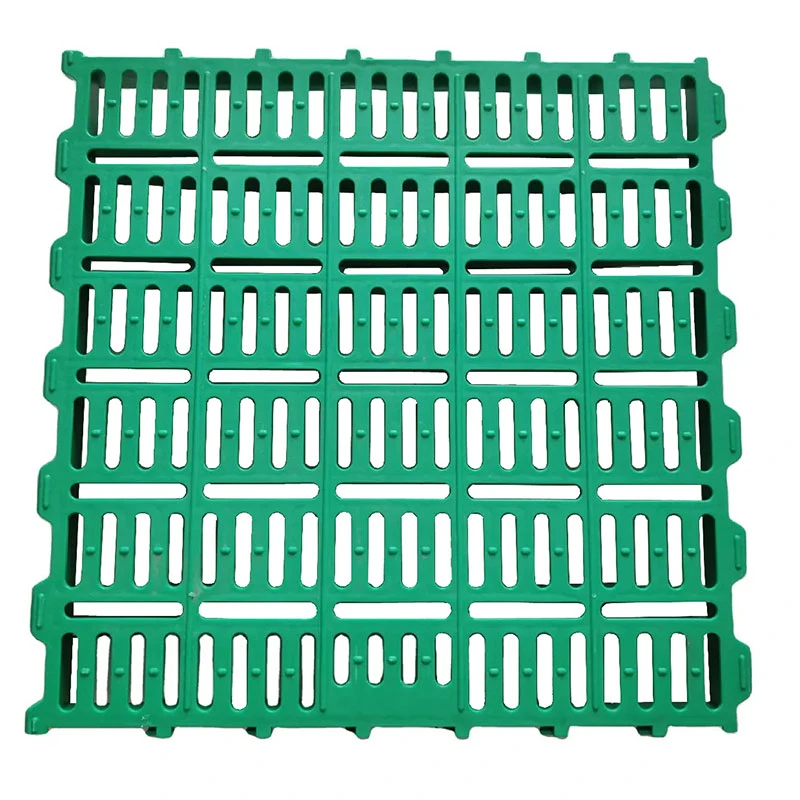
A stall that's easy to clean helps cut labor hours and maintain hygiene, reducing disease outbreaks. Drainage systems, smooth surfaces, and removable panels are common design features here.
Integration with Farm Operations
Modern cattle stalls often tie directly into feeding systems, automated cleaning, or monitoring sensors. This connection helps farmers track cattle health and behavior remotely—a leap towards smart farming.
Mini takeaway:
- Durability and comfort are non-negotiable for effective stalls.
- Scalable and easy-to-maintain designs improve farm efficiency.
Global Applications & Real-World Use Cases
Across continents — from the vast ranches in the Americas to family farms in India and Africa — cattle stalls play a pivotal role. In India, for example, specialized stalls help improve milking routines, leading to increased production for dairy farmers. Meanwhile, in parts of Australia and the United States, high-end automated stalls with climate control optimize conditions in extreme weather.
Unexpectedly, cattle stalls have also found roles in disaster resilience. In post-flood relief efforts, temporary mobile cattle stalls help displaced farmers protect their livestock until permanent housing is restored.
Even the UN’s World Food Programme highlights the importance of robust animal shelters in vulnerable regions to stabilize food supply chains and maintain nutrition levels in volatile environments.
Example: Product Specification Table for a Standard Cattle Stall
| Feature | Specification |
|---|---|
| Material | Galvanized Steel Frame, Polyurethane Coating |
| Dimensions | 4ft (W) x 10ft (L) x 5ft (H) |
| Weight Capacity | Up to 1500 lbs |
| Ventilation | Cross-ventilation via sliding mesh panels |
| Assembly Time | 2 hours (with 2 persons) |
| Maintenance | Annual inspection, easy cleaning with water hose |
Comparing Leading Vendors of Cattle Stall Solutions
| Vendor | Material Focus | Customization Options | Price Range (USD) | Typical Lead Time |
|---|---|---|---|---|
| AgriSteel Ltd. | Steel & Composite Panels | Modular Sizes, Automated Gates | $900 - $1300 per stall | 2-4 weeks |
| FarmDwellings Inc. | Treated Wood & Bricks | Custom Layouts, Eco Options | $700 - $1100 per stall | 3-5 weeks |
| Mobistall Solutions | Aluminum & Portable Units | Mobile Versions, Quick Assemblies | $1100 - $1600 per stall | 1-2 weeks |
Advantages and Long-Term Value of Quality Cattle Stalls
Breaking it down, good cattle stalls offer more than just shelter. They can:
- Reduce livestock stress, which is linked to higher milk and meat yields.
- Improve hygiene, limiting disease outbreaks and veterinary expenses.
- Increase operational efficiency, by easing feeding, cleaning, and monitoring tasks.
- Support environmental compliance, managing waste more effectively and lowering farm carbon footprints.
- Boost safety for both animals and workers, diminishing incidents from escapes or injuries.
On a human level, there’s an emotional payoff too — responsible livestock management fosters dignity for farmers and community trust.
Looking Ahead: Trends and Innovations in Cattle Stalls
The future? It’s a mix of green design and smart tech. For instance:
- Integration of solar-powered ventilation systems to keep stalls cool without hefty electric bills.
- Use of recycled or bio-based materials to reduce environmental impact.
- IoT sensors embedded in flooring to track cow movements, weight, and health remotely.
- Automated feeding systems synchronized with stall occupancy.
- Modular, rapidly deployable stalls for emergency or disaster scenarios.
Frankly, we're on the cusp of an agricultural renaissance, where these once-basic structures morph into multifunctional hubs of data and sustainability.
Challenges and How Industry Experts Address Them
Not everything is rosy though. Common issues include:
- High upfront costs prohibiting small farmers from upgrading.
- Maintenance hurdles, especially in remote areas without technical support.
- Inadequate ventilation or design flaws causing animal distress during extreme weather.
Innovative financing, local manufacturing, and adaptive design are often suggested solutions. Plus, training programs help farmers maximize stall benefits without needing specialists on-site.
FAQ: Frequently Asked Questions About Cattle Stalls
Q1: What are the best materials for long-lasting cattle stalls?
A1: Galvanized steel combined with treated wood or composites generally offers the best balance of durability, cost, and ease of maintenance. Steel frames withstand pressure and weather well, while composites add comfort and corrosion resistance.
Q2: How do I ensure proper ventilation in a cattle stall?
A2: Incorporate cross-ventilation designs like mesh panels, open ridge vents, or automated louvers. Position stalls to catch prevailing winds and avoid areas where air can become stagnant, especially in enclosed barns.
Q3: Can modular cattle stall systems be used in remote or emergency scenarios?
A3: Absolutely. Modular stalls designed for quick assembly are ideal for disaster relief, seasonal herding, or temporary housing needs. They’re often lightweight, portable, and adaptable to various settings.
Q4: Are cattle stalls environmentally friendly?
A4: When built with sustainable materials and coupled with waste management systems, cattle stalls can significantly cut methane emissions and pollution. Many newer models include green tech features like solar panels or rainwater harvesting.
Wrapping It Up: Why Investing in Better Cattle Stalls Matters
To put it simply, good cattle stalls aren’t just about fences and gates. They represent a smarter, more humane way to farm — one that balances productivity, animal welfare, and environmental responsibility. For anyone involved in livestock, upgrading stall infrastructure is an investment in the future of farming and food security.
Curious to explore the latest in cattle stall designs and how they can fit your operation? Visit our website: cattle stall to see product options, user stories, and expert advice.
Quick reflection:
After all, a happy cow often means a healthier business — and it all starts with where they rest.
References
Post time: Nov . 26, 2025