Cow Dairy Farm Equipment: The Backbone of Modern Dairy Farming
If you take a moment to think about the dairy milk in your fridge, have you ever wondered what keeps the whole process – from cow to carton – running smoothly? Enter cow dairy farm equipment. It plays a vital role that goes beyond just milking cows; it supports global nutrition and rural economies. Understanding this equipment isn't just a farmer’s matter; it’s important worldwide to ensure food safety, efficiency, and sustainability in dairy production.
The Global Importance of Cow Dairy Farm Equipment
Globally, dairy farming is a multi-billion-dollar industry feeding millions daily. According to the Food and Agriculture Organization (FAO), over 270 million dairy cows worldwide contribute to approximately 730 million tons of milk annually. Equipment supporting this massive operation helps optimize productivity and maintain hygiene standards. But with rising global demand, climate concerns, and labor shortages, the pressure on dairy equipment to perform better, greener, and faster is intensifying.
Moreover, in developing regions, efficient dairy equipment supports smallholder farmers, improving food security and incomes. That’s not just about economics; it’s about dignity and community resilience.
Mini Takeaway:
Dairy equipment is more than tools—it’s a link between global nutrition challenges and sustainable farming efforts worldwide.
What Exactly Is Cow Dairy Farm Equipment?
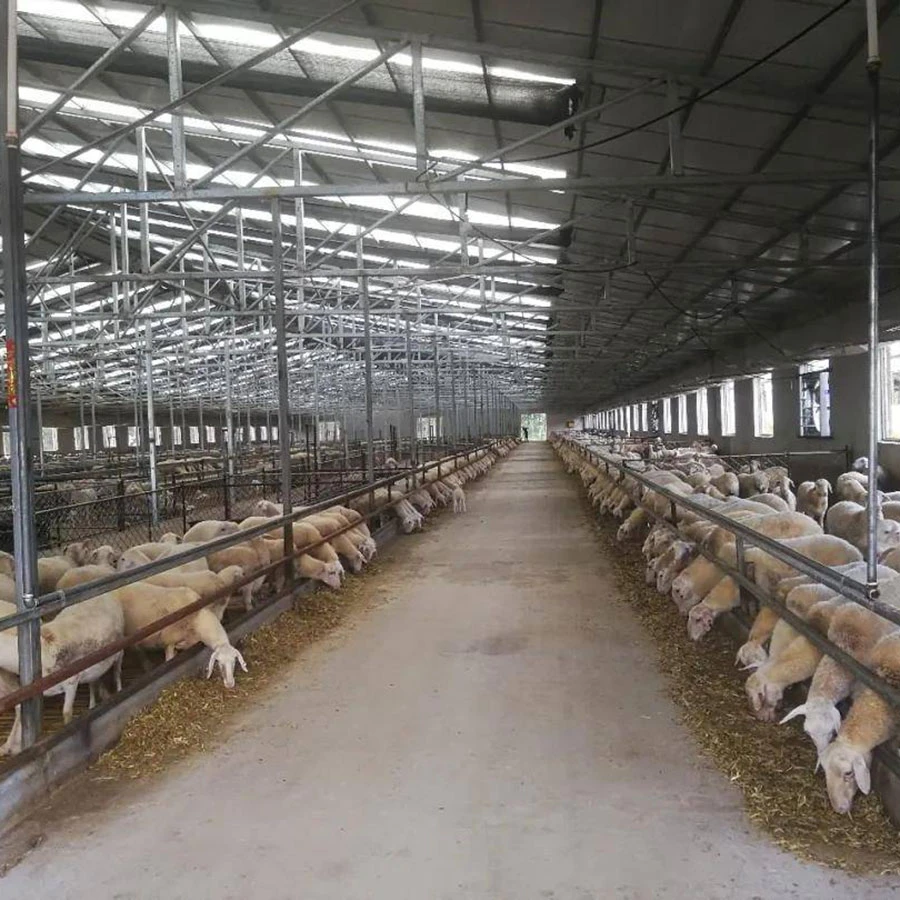
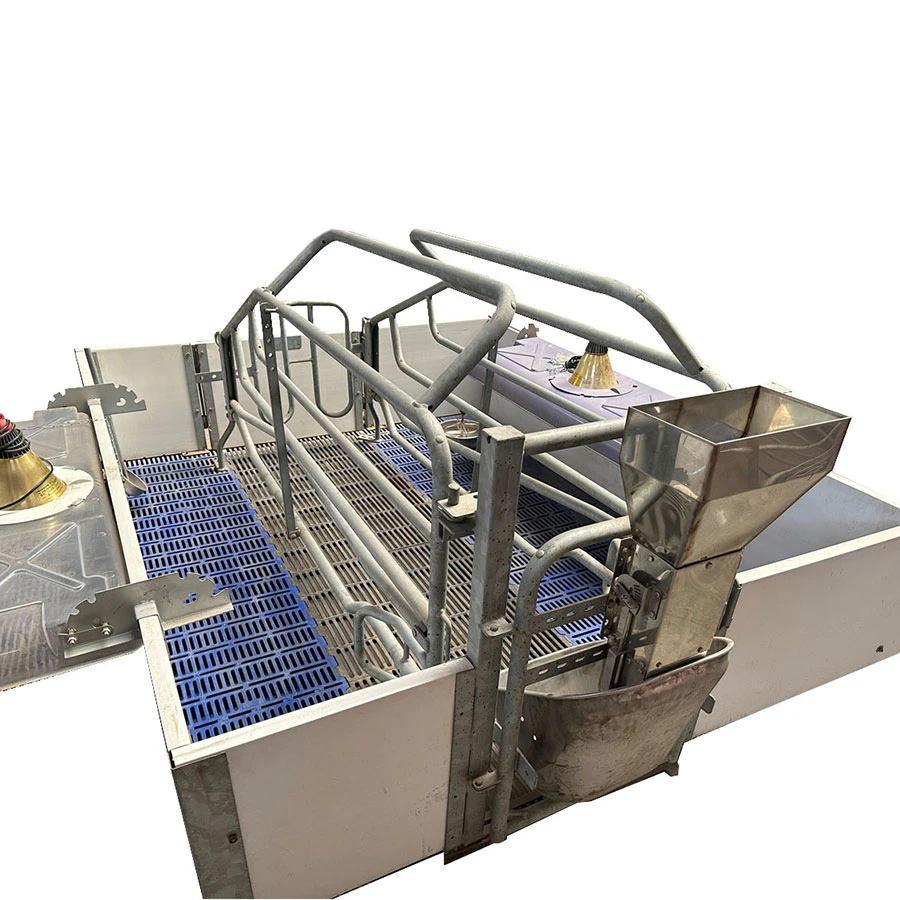
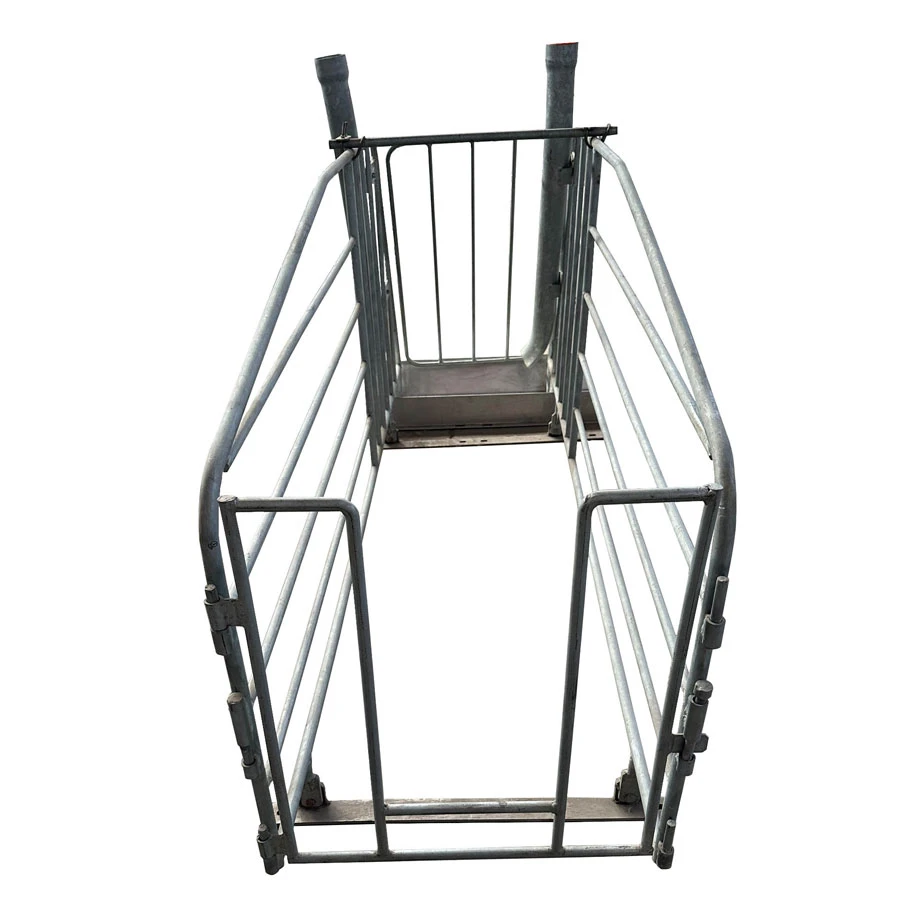
At its core, cow dairy farm equipment refers to all machinery, devices, and tools used in dairy farms specifically tailored for milking and managing dairy cows efficiently. This includes milking machines, milk storage tanks, feeding systems, cooling units, and waste management apparatus. The goal? To streamline the milking process while maximizing cow comfort, milk quality, and farm productivity.
It’s fascinating how these technologies have evolved. For example, automated milking systems are becoming the norm in high-tech dairy farms — reducing manual labor dramatically.
Key Components of Cow Dairy Farm Equipment
1. Milking Machines
The frontline heroes. These consist of teat cups, vacuum pumps, and pulsators that extract milk efficiently without harming the cow. Modern units balance gentle suction with speed and sanitation.
2. Milk Storage Tanks
Once milk is collected, it needs immediate cooling to maintain freshness. Stainless steel tanks with precise temperature controls keep bacteria at bay until transportation.
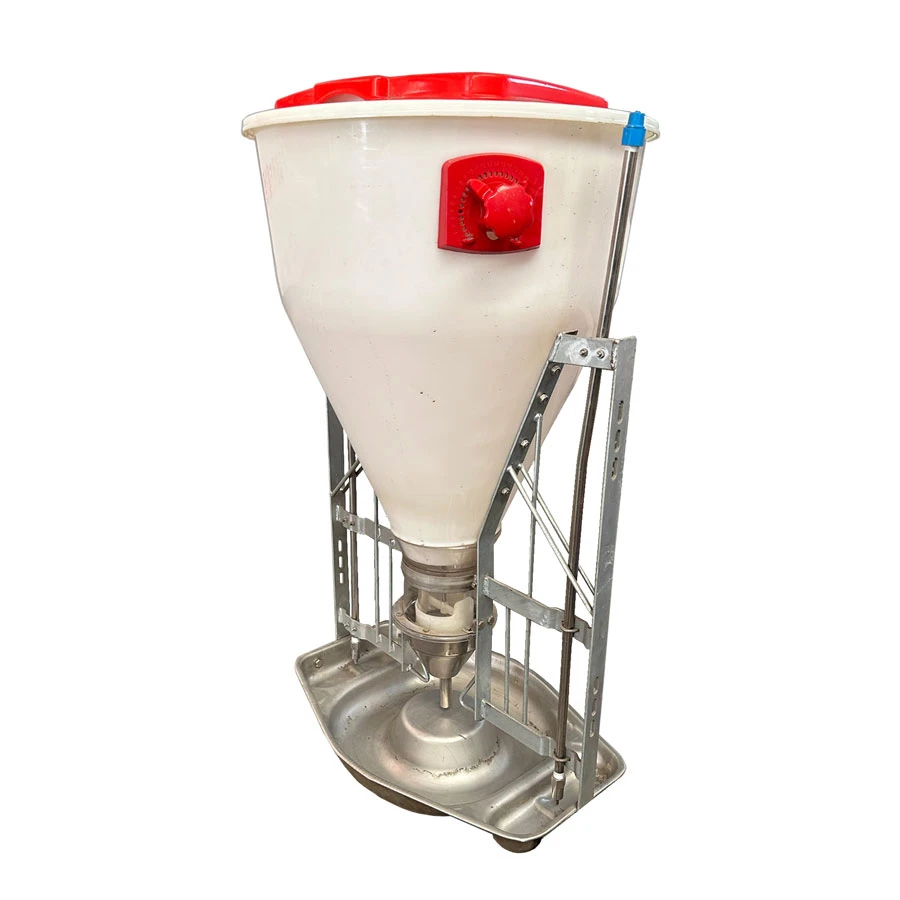
3. Feeding Systems
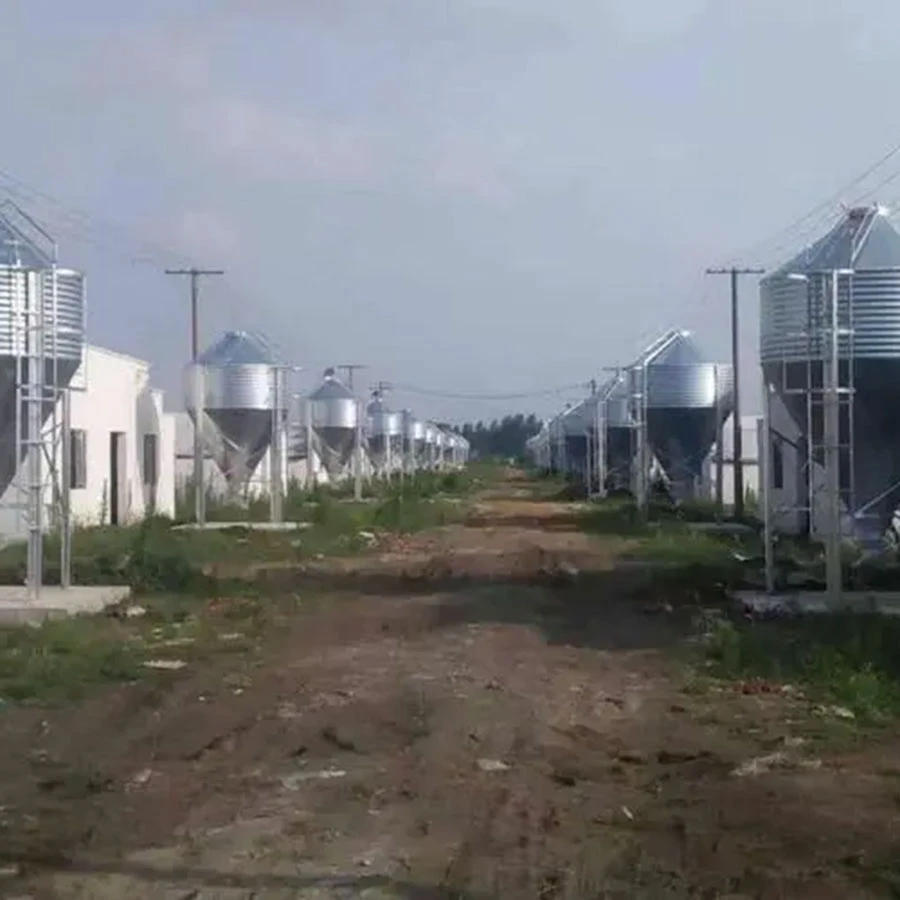
Nutrition directly affects milk quality. Automated feeding equipment ensures balanced diets daily, improving herd health and output.
4. Cleaning and Waste Management
Hygiene is key for safe milk. Equipment for washing milking lines, storing manure, and controlling odors protects both animals and workers.
5. Monitoring and Automation
From sensors tracking cow health to robotic milking, these systems integrate data analytics to anticipate problems and optimize yields.
Mini Takeaway:
Each component has a role in productivity and animal welfare — the two pillars of effective dairy farming.
Global Use Cases of Cow Dairy Farm Equipment
Anyone thinking this is just for sprawling farms in Europe or North America is missing the bigger picture. In India and East Africa, equipment tailored for small-scale farmers is transforming rural livelihoods. For instance, solar-powered milk chillers in Kenya help remote farmers extend milk shelf life.
Post-disaster relief operations have also employed mobile milking units to sustain dairy herds and prevent nutritional shortages in affected communities. Even urban vertical farms are experimenting with compact milking gear, blending tech and tradition.
Advantages and Long-Term Benefits
Using modern cow dairy farm equipment leads to:
- Cost Efficiency: Automation reduces labor and wastage.
- Sustainability: Energy-efficient machines lower carbon footprints, supporting climate goals.
- Milk Quality & Safety: Enhanced hygiene prevents contamination.
- Animal Welfare: Gentle, stress-free milking promotes health and longevity.
- Social Impact: Empowers farmers, especially women, with better tools.
Interestingly, many farmers mention an emotional layer here: trust. When you know your herd is treated well with reliable equipment, farming feels less like guesswork, more like stewardship.
Future Trends and Innovations in Dairy Equipment
The future is clearly digital. Internet of Things (IoT) devices track milk yield and cow health in real-time. Artificial Intelligence (AI) predicts illnesses before visible symptoms. Solar-powered systems and green refrigerants make dairy farms less energy-hungry.
Additionally, customizable modular machines allow farmers from different regions to adapt the technology to local needs without breaking the bank. The push for sustainability also sparks research in biodegradable materials for disposable hygiene products and equipment parts.
Challenges and How to Overcome Them
It’s not all smooth milking. Upscale dairy equipment can be expensive & complex. Small farmers sometimes face barriers to access or the skills to operate advanced tech. Maintenance in remote regions also poses hurdles.
Industry experts advocate for tailored solutions: affordable entry-level tech, robust training programs, and local service networks. Financing schemes and co-ops can bridge the affordability gap, while open-source software is making automation more accessible.
Product Specification Table: Typical Cow Dairy Farm Equipment
| Equipment | Capacity | Material | Power Source | Typical Price Range (USD) |
|---|---|---|---|---|
| Automated Milking Machine | 200 cows/day | Stainless Steel & Plastic | Electric | $15,000 - $50,000 |
| Milk Storage Tank (Chiller) | 500 - 3,000 liters | Stainless Steel | Electric / Solar | $5,000 - $20,000 |
| Automated Feeding System | Adjustable, up to 500 animals | Metal & Electronics | Electric | $10,000 - $40,000 |
| Cleaning and Sterilization Equipment | N/A | Metal and Plastic | Electric | $3,000 - $12,000 |
Vendor Comparison: Leading Cow Dairy Farm Equipment Suppliers
| Vendor | Product Range | Pricing | Customer Support | Global Presence |
|---|---|---|---|---|
| DairyTech Solutions | Advanced Milking Machines, Storage | Mid to High | 24/7 Technical Support | North America, Europe, Asia |
| FarmEquip Global | Mid-range Automated Feeding & Milking | Affordable | Regional Offices & Training | Africa, Latin America, Asia |
| EcoDairy Tech | Sustainable, Solar-powered Systems | Premium | Dedicated Sustainability Consultants | Europe, Australia, US |
Frequently Asked Questions About Cow Dairy Farm Equipment
Q1: What factors should I consider when choosing cow dairy farm equipment?
Some key factors include herd size, budget, power availability, desired automation level, and climate conditions. Also, think about maintenance support and compatibility with existing farm infrastructure. This holistic view ensures you get equipment that serves your needs efficiently and sustainably.
Q2: How do automated milking machines improve farm productivity?
Automated systems save time by milking multiple cows simultaneously and reducing human error. They also monitor milk quality in real-time and detect cow health issues early. Ultimately, they help farms scale production sustainably without proportional increases in labor.
Q3: Is investing in solar-powered dairy equipment worth it?
Absolutely, especially in regions with abundant sunlight or unreliable grids. Solar systems reduce electricity costs and emissions, contributing to farm sustainability. Initial costs are higher but usually offset by long-term savings and subsidies.
Q4: How can small or emerging farmers access modern dairy equipment?
Many vendors offer scaled-down or modular options. Additionally, cooperative buying groups and local financing programs can reduce upfront costs. Training and support services are crucial to ensure proper use and maintenance.
Conclusion: The Future of Dairy Depends on Smart Equipment Choices
In real terms, investing in cow dairy farm equipment isn’t just about milking cows. It means committing to efficient, sustainable, and humane dairy farming that benefits farmers, consumers, and the environment. As technology advances, farms small and large stand to gain from smarter equipment — whether automated, solar-powered, or sensor-driven. No wonder the industry experts keep pushing innovation forward.
If you’re curious to take a closer look or upgrade your dairy setup, don’t hesitate to visit cow dairy farm equipment suppliers who tailor solutions to your needs. The future of dairy starts with the right tools.
References:
Post time: Nov . 20, 2025