Understanding the Cow Drinking Trough: Why It Matters More Than You Might Think
At first glance, a cow drinking trough might seem like a straightforward piece of farm equipment—just a container for water, right? But the reality is far richer. Globally, efficient livestock hydration significantly impacts animal health, farm productivity, and ultimately food security. As the world’s population steadily climbs, and as climate fluctuations affect water availability, understanding the role and design of cow drinking troughs gains practical urgency. Beyond pure hydration, these troughs embody challenges and opportunities around durability, hygiene, water conservation, and even animal welfare.
Whether you’re a livestock farmer, supplier, or sustainability advocate, knowing the ins and outs of these simple yet essential tools can optimize operations and promote smarter water use across diverse environments.
Mini takeaway: The cow drinking trough is a small but crucial cog in global food sustainability and livestock welfare issues.
The Global Context: Why Cow Drinking Troughs Matter Today
Across continents, nearly 1.5 billion cattle provide meat, milk, labor, and livelihoods (FAO 2023). In many regions — from sub-Saharan Africa to rural India, even vast ranches in the Americas and Australia — reliable watering systems are fundamental. According to the World Bank, livestock water consumption is responsible for roughly 8–10% of global freshwater use, and inefficient water delivery can jeopardize animal health and farm economics.
Yet, farmers often struggle with aging or unsuitable infrastructure: leaking troughs, contamination risks, or insufficient access points lead to dehydration stress and reduced yields. This is a real problem globally and especially in drought-prone zones. Designing and deploying effective cow drinking troughs is a part of mitigating this.
Mini takeaway: Cow drinking troughs play a pivotal role in water resource management and livestock productivity on a global scale.
What Exactly Is a Cow Drinking Trough?
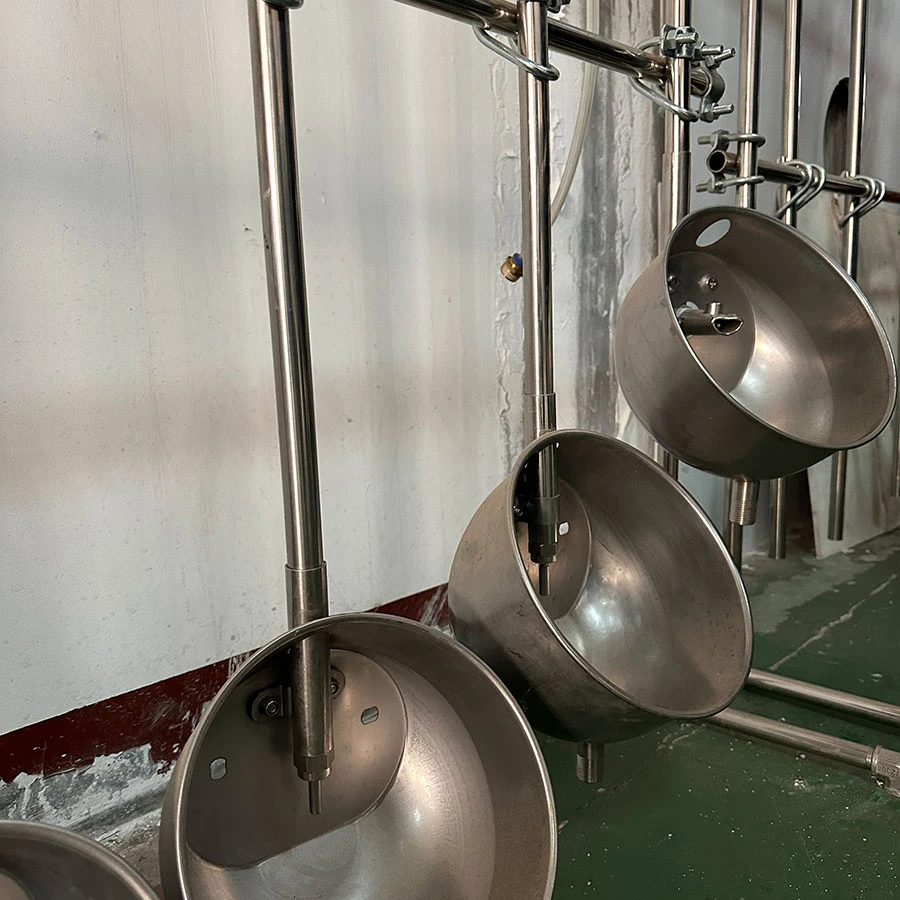
Simply put, a cow drinking trough is a container designed to hold and provide clean drinking water to cattle. They range from basic concrete basins to advanced automated water delivery systems. The design and materials depend heavily on climate, herd size, and farming practices. While traditional troughs require manual refilling and maintenance, modern versions can feature automatic float valves, filtration systems, and even smart sensors.
Given the importance of hydration, a well-made trough helps ensure uninterrupted access to fresh water, reducing stress and boosting feed efficiency—this is crucial in commercial dairy and beef operations as well as smallholder farms.
Mini takeaway: The cow drinking trough is more than a simple basin; it’s a vital livestock management tool that adapts to various farming scales and practices.
Core Components of a Reliable Cow Drinking Trough
Durability and Material Choice
Cows are strong and persistent. Troughs made of low-quality plastic or untreated wood rarely survive long. High-density polyethylene (HDPE), concrete, stainless steel, or fiberglass are preferred for their resistance to weather, UV, corrosion, and chewing. You want something that doesn't crack under freezing or deform in heat.
Capacity and Size
The trough must accommodate the number of animals sharing it. Overcrowding stresses animals and contaminates water faster. As a rule of thumb, one cow should have at least 10–15 liters of water capacity per drink session. A 500-liter trough might suit a small herd, but bigger operations need scalable solutions.
Hygiene and Cleanability
Dirty water spreads disease and reduces intake. Designs that facilitate easy cleaning, with smooth surfaces and minimal crevices, support animal health. Automated flush systems or even UV sterilization are features on some premium models.
Water Source Integration
A lot depends on how smooth the trough connects to water lines, pumps, or collection tanks. Float valves automate refill and prevent overflow, conserving water especially in drought-sensitive areas.
Cost Efficiency
Farmers know that upfront cost and maintenance impact long-term sustainability. Balancing price with quality and longevity is, frankly, a constant negotiation.
| Specification | Details |
|---|---|
| Material | HDPE, Concrete, Stainless Steel, Fiberglass |
| Capacity | 100 - 1000+ Liters |
| Dimensions (example) | Length 1.2m, Width 0.6m, Depth 0.5m |
| Automation | Manual or automatic refill with float valve |
| Lifespan | 5–20 years depending on material and usage |
Mini takeaway: The best cow drinking trough must be tough, cleanable, suitable in size, and water-efficient.
Where and How Cow Drinking Troughs Are Changing the Game
Their utility is truly global. In drought-prone parts of East Africa, NGOs deploy rugged, portable troughs for pastoralists, easing cattle strain during dry spells. In Latin American feedlots, precision water monitoring systems with trough sensors optimize hydration and reduce waste. Australian ranchers appreciate solar-powered automatic troughs that cut down on labor.
Interestingly, cow drinking trough designs often adapt to local needs — for instance, in cold climates, insulated or heated troughs prevent freezing. Emergency relief operations sometimes use collapsible, transportable troughs to support displaced herds. It’s a surprisingly diverse field!
Mini takeaway: Cow drinking troughs are adapting globally to varied climates and farming systems, showing versatility and ingenuity.
Benefits That Last: Why Investing in the Right Trough Matters
- Animal health and productivity: Proper hydration means better milk yield, calmer herds, and fewer illnesses.
- Water conservation: Automated systems reduce wastage and ensure smart water use.
- Durability equals lower costs: Investing upfront reduces frequent replacements.
- Social and ethical impact: Providing cattle with clean, accessible water supports humane treatment standards.
There’s an emotional side, too. Many farmers describe the happiness of their herds when water is plentiful and fresh, and frankly, it’s rewarding to observe peaceful animals drinking together without competition or stress.
Mini takeaway: The right trough isn’t just equipment — it’s a long-term investment in farm resilience and animal well-being.
Emerging Innovations in Cow Drinking Troughs
Technology is gently transforming this old-school staple. Smart water sensors send real-time data to farmers’ phones, detecting usage patterns or contamination. Solar-powered pumps combined with insulated troughs promise energy-efficient year-round access, especially for isolated farms. New materials like recycled plastics or composite concretes lower environmental impact and cost without sacrificing toughness.
Policies pushing sustainable water management, such as ISO standards for livestock watering points, are inspiring manufacturers to rethink designs through an eco-friendly lens.
Mini takeaway: Expect the cow drinking trough to become a smarter, greener, and more automated part of farming soon.
Common Challenges and How They’re Fixed
Water contamination, freeze damage, and vandalism top the list of issues. Part of the solution lies in better materials and design, like sloping sides that prevent stagnant pools or covered troughs reducing debris. Regular cleaning protocols and water filtration help keep pathogens out.
Another often overlooked challenge: installation quality. Collaborations with local technicians ensure correct setup and maintenance, boosting lifespan and effectiveness. In remote areas, solar options sidestep unreliable electricity grids.
Mini takeaway: Most trough problems can be mitigated through smart materials, good design, and community training.
| Vendor | Material Options | Automation Features | Price Range | Best For |
|---|---|---|---|---|
| HydroTrough Inc. | HDPE & Stainless Steel | Float valve, remote sensors | $$$ | Dairy farms, tech-savvy ops |
| Rancher’s Choice | Concrete & Fiberglass | Manual refill only | $–$$ | Large open range cattle |
| EcoTrough Solutions | Recycled Plastics | Solar pump, auto refill | $$ | Sustainability-focused farms |
FAQ: Common Questions About Cow Drinking Troughs
1. How often should I clean my cow drinking trough?
Cleaning frequency depends on herd size and environment but generally at least once a week. Regular cleaning prevents algae, bacterial buildup, and disease transmission. Automated flush systems can reduce manual labor but still need periodic inspection.
2. Can cow drinking troughs handle freezing temperatures?
Standard troughs may crack or freeze in cold climates. Insulated or heated troughs, often with built-in thermostats, are available for cold zones to keep water liquid and accessible year-round.
3. What is an ideal water capacity per cow?
Roughly 10–15 liters per cow per drinking session is recommended. This ensures ample hydration without overcrowding or stagnant water. Adjust based on herd size and local climate.
4. Are automatic refill troughs worth the investment?
For many operations, yes. They save labor, prevent water wastage, and maintain constant supply, which is critical during hot seasons or drought. Initial costs vary but long-term savings often justify them.
5. How do I choose between concrete and plastic troughs?
Concrete troughs are sturdy and long-lasting but heavy and less portable; plastic troughs are lighter and more adaptable but may wear out faster. Consider your climate, mobility needs, and budget.
Wrapping It Up: Smarter Watering Means Healthier Herds and Farms
Ultimately, the humble cow drinking trough is silently pivotal. It combines engineering, animal welfare, and resource management into a practical package. Investing in the right trough today means healthier animals, higher productivity, and better water stewardship tomorrow. Whether you're running a small farm or a commercial ranch, considering durability, capacity, and automation can save time and costs. Dive deeper into practical product options, and consider innovative solutions that match your locale and ambitions.
Ready to upgrade your watering setup? Visit our website for a range of cow drinking trough options that combine durability, smart design, and sustainability.
References:
Post time: Dec . 02, 2025