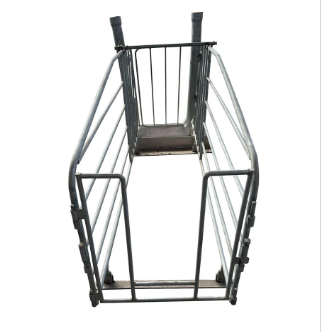
Understanding Dairy Cow Equipment: Why It Matters Globally
When you think about dairy farming, the image of cows grazing peacefully might come first to mind. But behind this pastoral scene is a world of specialized tools and machinery—collectively known as dairy cow equipment—that keeps the industry running smoothly and efficiently. Globally, this equipment is critical not only for production but for maintaining animal health, safety, and ultimately feeding billions. Understanding this gear is vital because it touches on food security, sustainable agriculture, and even rural livelihoods in developing countries. It's more than just gadgets; it’s a cornerstone of a global food system that literally feeds the planet.
Oddly enough, despite dairy's importance, many still overlook how much technology has transformed this traditionally low-tech field. Modern innovations can mean the difference between a thriving cooperative farm and one struggling with poor yields or disease outbreaks. So diving into the nuances of dairy cow equipment reveals not just machinery, but a story of progress and challenges.
The Global Scope of Dairy Cow Equipment Use
To put things in perspective, the Food and Agriculture Organization (FAO) estimates the world produces over 850 million tonnes of cow milk annually, a figure that's poised to grow with rising demand (1). Hundreds of millions of farmers, both large and small-scale, rely on dairy cow equipment for milking, feeding, and managing their herds.
The global dairy market's value exceeded USD 700 billion in recent years, pushing innovation not just in machinery but in data-driven equipment targeting efficiency and animal welfare. Yet, challenges persist—especially in rural and lower-income regions—where access to modern, reliable dairy cow equipment can be limited, costing productivity and quality. Here, it’s not just an economic issue but a humanitarian one, directly tied to food security and poverty alleviation (2).
Dairy Cow Equipment Explained
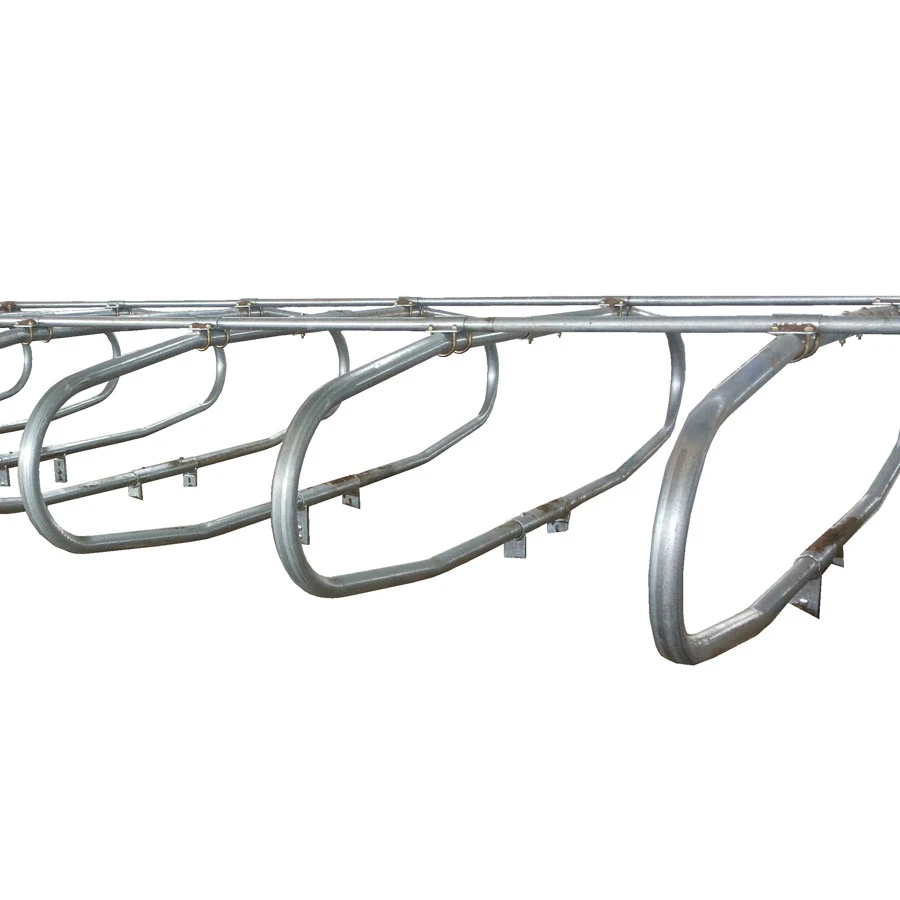
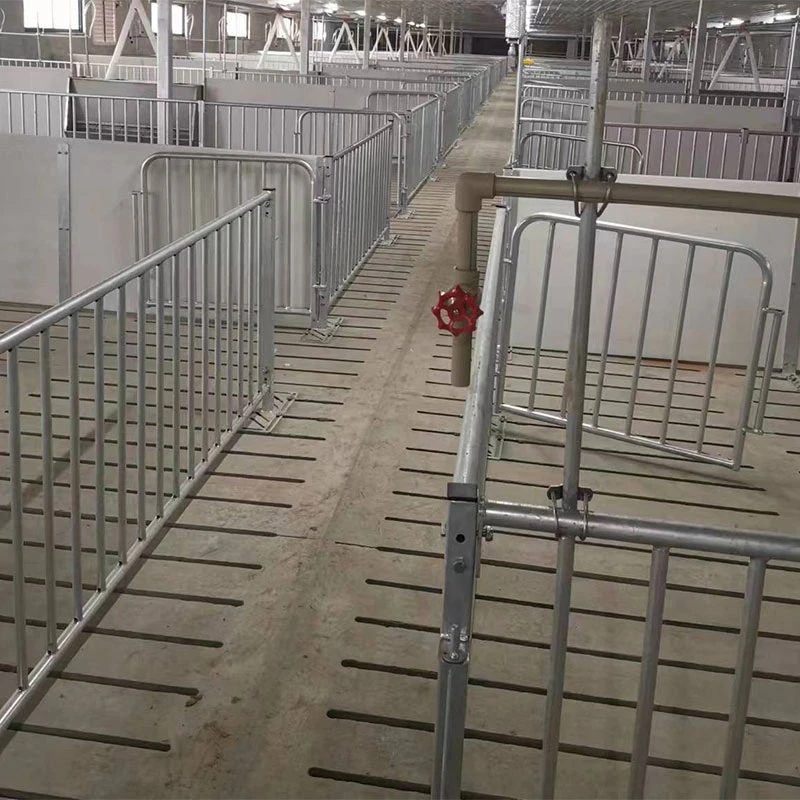
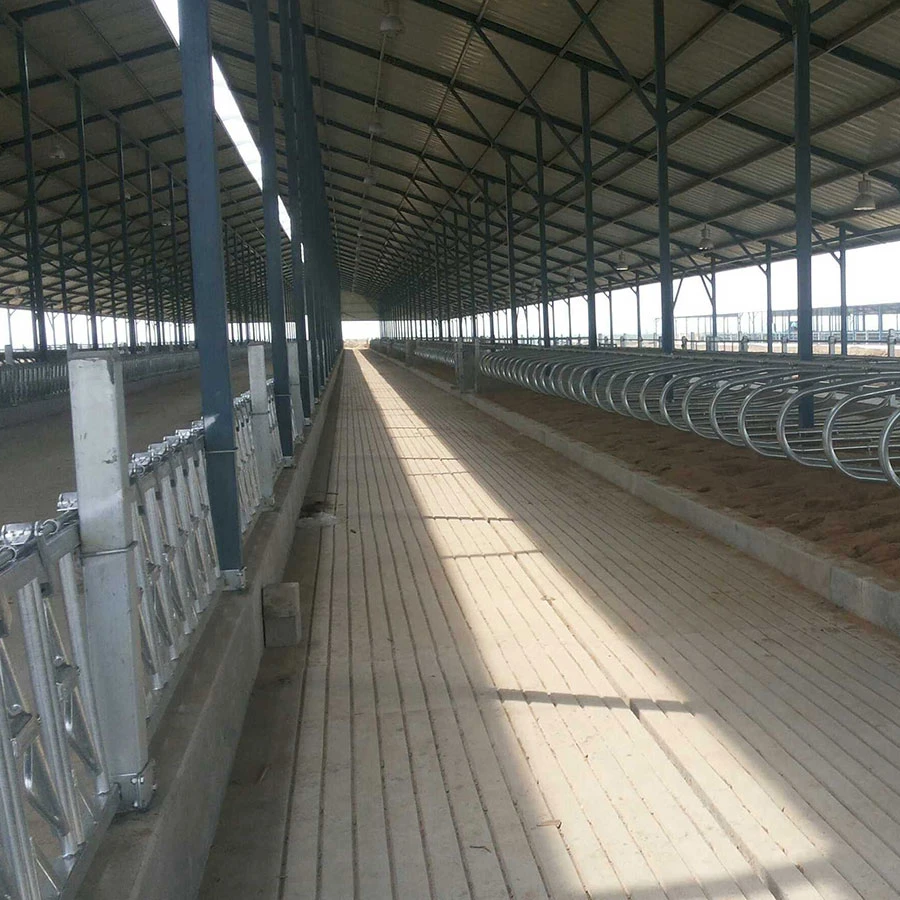
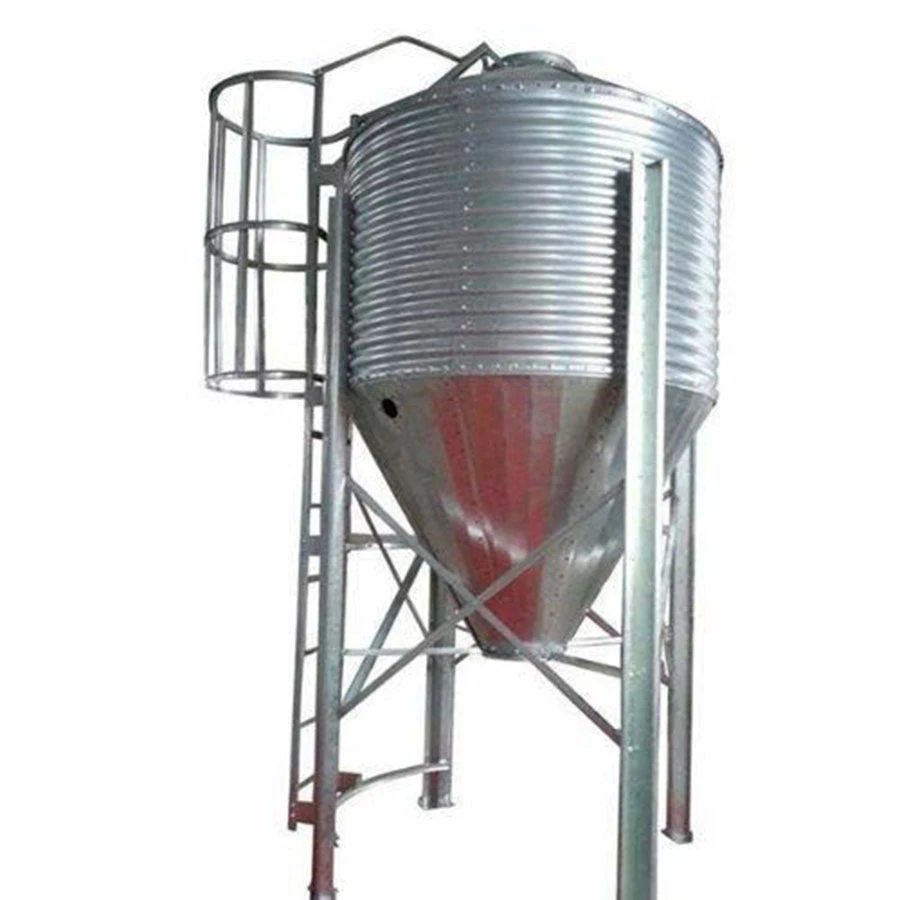
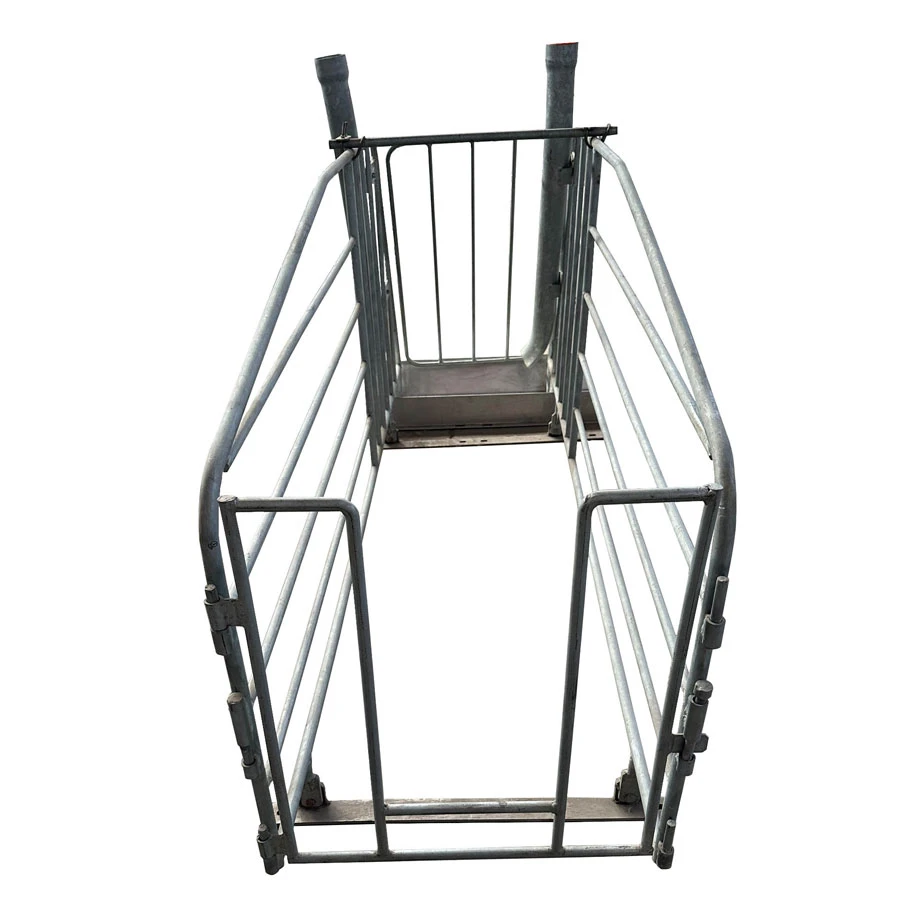
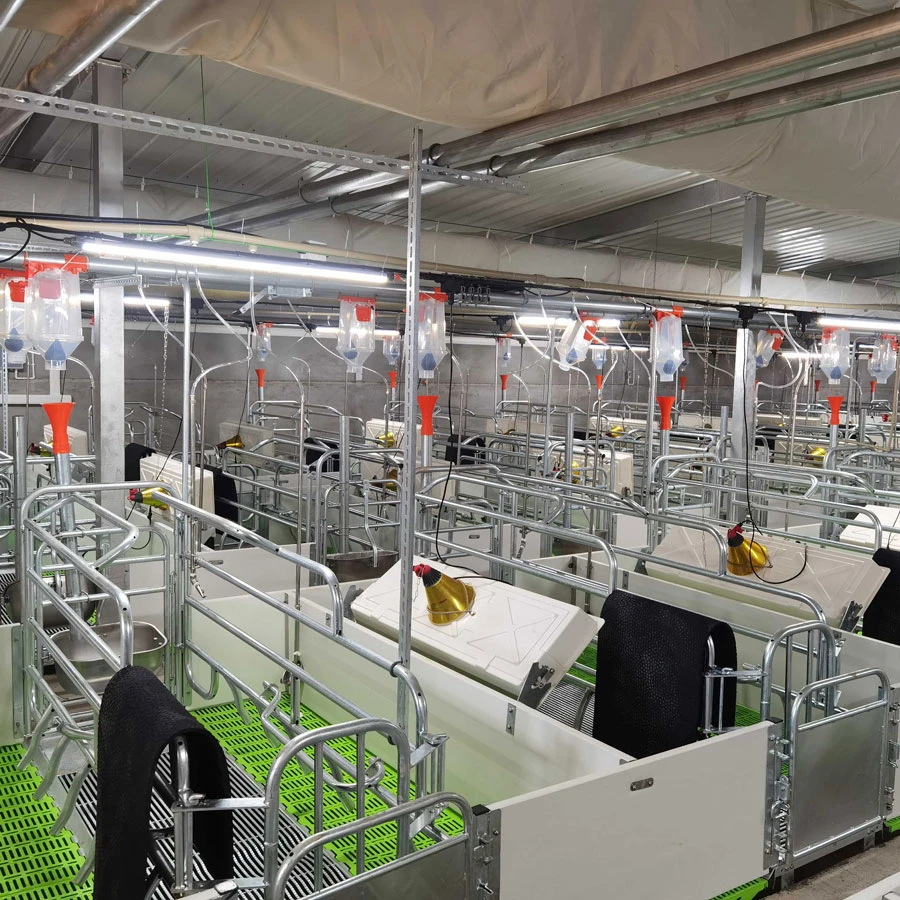
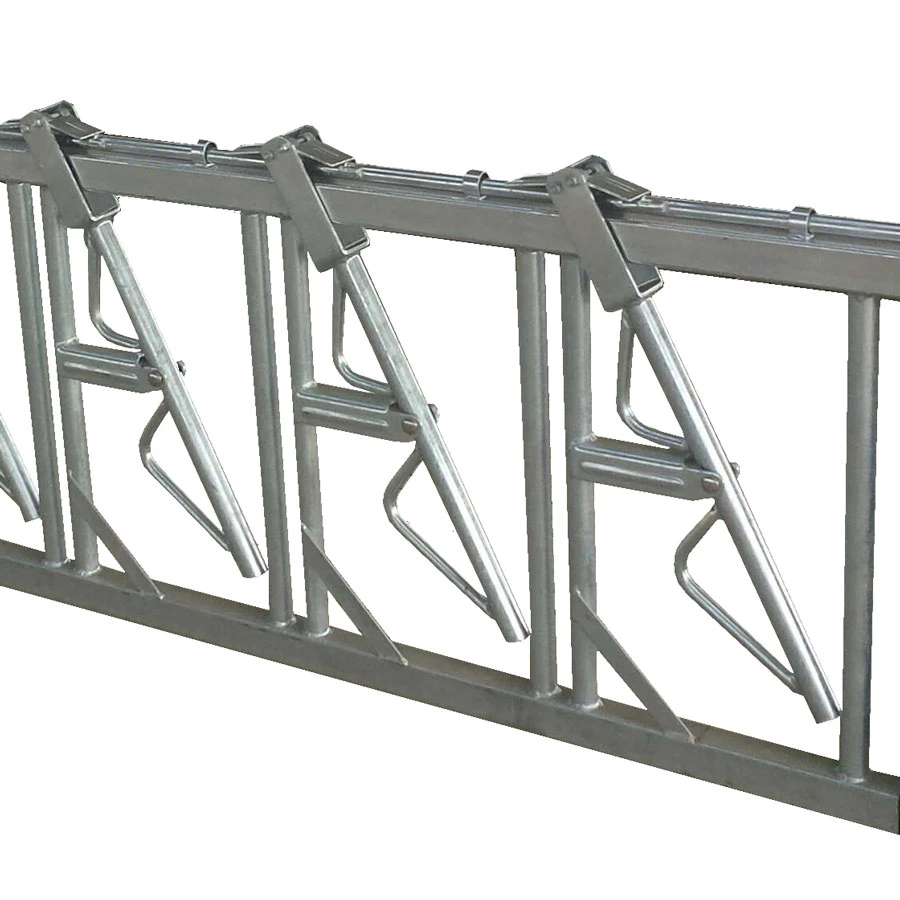
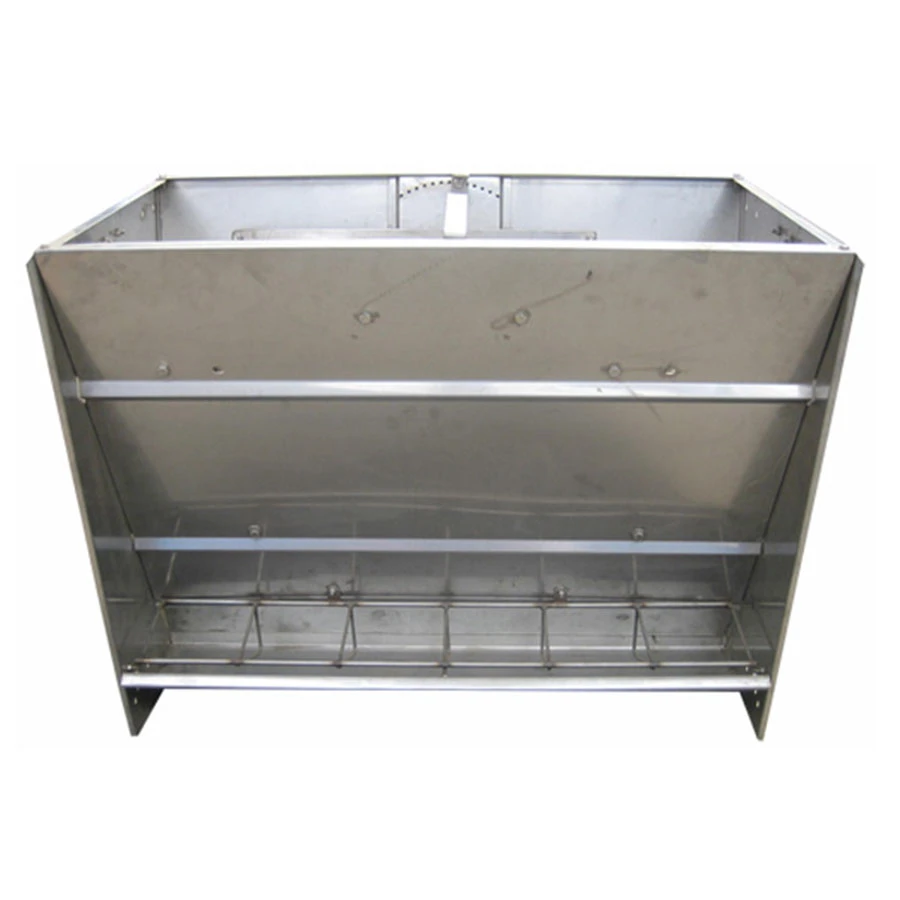
Simply put, dairy cow equipment refers to the collection of tools, machines, and systems used for the care, milking, feeding, and housing of dairy cows. It ranges from milking machines and automatic feeders to cooling tanks and grooming tools. These aren’t just conveniences; they embody modern agriculture’s shift from manual to mechanized and automated processes.
At its core, this equipment enables farmers to improve milk yield, maintain hygiene, reduce physical labor, and ensure animal welfare. It’s also closely connected to humanitarian efforts that leverage efficient, scalable dairy solutions to support nutrition in underserved areas. You’ll often find these technologies tailor-made for different herd sizes, climates, and socio-economic environments.
Key Factors That Define Efficient Dairy Cow Equipment
Durability and Maintenance
Reliable gear is a must — milk production doesn’t wait for repairs. Durable materials like stainless steel resist corrosion from cleaning agents and waste exposure. Easy maintenance means farmers spend less downtime and less money on repairs.
Scalability and Modularity
From a lone farmer with ten cows to big commercial farms housing thousands, equipment needs to scale. Modular designs let producers adapt setups over time without full replacements, a bonus for growing businesses or NGOs setting up relief dairy farms.
Cost Efficiency
Dairy cow equipment varies widely in price—finding tools that balance upfront costs with long-term efficiency and durability is critical. The total cost of ownership often includes energy consumption, maintenance, and lifespan.
Animal Welfare and Ergonomics
Equipment designed with cow comfort boosts milk output and herd health. For example, milking machines now mimic natural teat stimulation, while feeding systems reduce stress by providing consistent, balanced rations.
Technological Integration
Integration with sensors and IoT devices enables real-time tracking of health, milk yield, and environmental conditions. Smart systems help farmers respond faster—minimizing losses and maximizing productivity.
Environmental Sustainability
Increasingly, new equipment is designed to reduce water and energy use and minimize waste. This aligns closely with global sustainability goals that modern agriculture must meet.
Product Specification Table: Typical Dairy Cow Equipment Essentials
| Equipment Type | Material | Power Source | Capacity | Typical Price Range |
|---|---|---|---|---|
| Milking Machine (Portable) | Stainless Steel & Rubber | Electric (220V) | Up to 10 cows/hr | $500 - $1,500 |
| Cooling Milk Tank (Bulk) | Stainless Steel | Electric, Solar Options | 500 - 2000 liters | $5,000 - $15,000 |
| Automatic Feeders | Plastic & Steel | Electric | Varies by model | $1,000 - $7,000 |
| Cow Brushes and Groomers | Plastic & Metal | Electric | Single Cow | $300 - $900 |
Worldwide Applications and Success Stories
Around the world, from rural India’s smallholdings to the vast dairy farms of New Zealand, dairy cow equipment plays a pivotal role. For example, in East Africa, accessible milking machines have empowered small farmers, cutting milking time in half and reducing contamination risks. In European industrial farms, fully automated parlors handle hundreds of cows with minimal human input.
Humanitarian organizations are using modular milking units in post-disaster relief zones, quickly restoring livestock productivity affected by floods or droughts. Case in point: a cooperative in Mongolia that utilized rugged, solar-powered cooling tanks to preserve milk quality despite remote conditions. These real-life examples show how innovation goes beyond profit; it helps communities rebuild and sustain livelihoods.
Vendor Comparison: Leading Dairy Cow Equipment Manufacturers
| Vendor | Specialization | Price Range | Innovation Highlights | Global Reach |
|---|---|---|---|---|
| DairyTech Solutions | Automated Milking Systems | $$$ | AI-based herd management | Europe, Asia, Africa |
| GreenFarm Equipment | Sustainable, Solar-powered Machinery | $$ | Solar cooling tanks, low-energy feeders | Africa, South America |
| AgriWare Corp | Basic and Mid-range Dairy Equipment | $ - $$ | Modular components, easy maintenance | Global |
The Advantages of Investing in Quality Dairy Cow Equipment
If you’re a farmer or an organization working with dairy, investing in good equipment pays off in spades. The logical benefits are crystal clear: higher milk yields, lower labor costs, consistent quality, and reduced spoilage. But then there’s the emotional side—farmers experience less fatigue, animals remain healthier and less stressed, and entire communities enjoy more stable food supplies.
Sustainability is a particularly hot topic. Efficient equipment reduces water usage and energy waste, while better milking technology prevents mastitis and other ailments, promoting animal welfare. This builds trust not just with consumers but with local regulators and NGOs that often support rural dairy programs.
Future Trends Shaping Dairy Cow Equipment
The future feels exciting here. We're seeing digital transformation accelerate, with sensors not just tracking milk yield but cow health, detecting illness well before symptoms appear. Robots are increasingly used for feeding and cleaning, while advances in solar energy make remote dairy farms more self-sufficient.
Materials science is also in on the fun—antimicrobial coatings and ultra-lightweight metals reduce contamination risks and enhance durability. Importantly, there’s a push for locally made, low-cost equipment in developing countries, balancing innovation with accessibility.
Challenges and Smart Solutions
Of course, no technology is perfect. Common challenges include upfront cost, the need for training, and inconsistent power in remote areas. Plus, some farmers are wary of complex equipment disrupting traditional practices.
Solutions? Think mobile training units, rugged gear designed for off-grid power, and modular designs for incremental upgrades. Partnerships between governments and vendors help spread adoption, while open-source IoT platforms dive into customizability. Basically, a mix of tech savvy and grassroots approaches.
FAQs About Dairy Cow Equipment
-
Q: How can small farmers afford high-tech dairy cow equipment?
A: Many companies offer scaled-down or refurbished models to keep costs manageable. Additionally, cooperative purchases or NGO subsidies can make advanced equipment accessible. Financing plans and training often accompany the sales to ensure proper use. -
Q: What maintenance does milking equipment require?
A: Regular cleaning after each use is critical to prevent contamination. Periodic checks on seals, hoses, and vacuum pumps are also needed. Most manufacturers provide maintenance guides and offer service contracts. -
Q: Are solar-powered cooling tanks reliable in cloudy regions?
A: Modern solar tanks are designed with battery backups and efficient insulation. While prolonged cloudy weather impacts performance, integration with grid or propane backup systems often ensures continuous operation. -
Q: Can dairy equipment improve animal welfare?
A: Absolutely. By reducing manual handling stress and mimicking natural milking actions, milking machines and automated feeders improve cow comfort and health, boosting overall productivity. -
Q: Is it practical to export dairy equipment internationally?
A: Yes, but customs regulations, voltage compatibility, and climate adaptability need consideration. Many vendors specialize in global shipping and provide installation support to ease the process.
Wrapping It Up: Why Dairy Cow Equipment Is a Long-Term Win
In real terms, dairy cow equipment is more than just technical gear; it’s a pillar supporting a vital sector that feeds millions and strengthens economies all around the globe. Whether you’re a small farmer, a relief organization, or a large commercial operation, investing in the right tools today means better productivity, healthier animals, and more sustainable farming tomorrow.
If you’re curious to find the right solutions for your needs, explore more about dairy cow equipment and discover how you can leverage technology to grow smarter and greener.
References:
1. Food and Agriculture Organization (FAO). "Global milk production statistics." fao.org
2. World Bank. "Agricultural development and rural poverty." worldbank.org
3. ISO 5707: Dairy machinery standards. iso.org
Post time: Nov . 24, 2025