Understanding Farrowing Cages: What They Are and Why They Matter Globally
For those outside the livestock or agricultural industries, farrowing cages might sound like just another technical term. Yet globally, these simple-looking enclosures play a crucial role in improving pig farming efficiency, animal welfare, and food security. With the world’s population rapidly expanding and demand for sustainable animal protein rising, the ability to protect sows (mother pigs) and their piglets during birthing is more important than ever. Farrowing cages not only reduce piglet mortality rates but also help farmers manage labor and resources effectively across different scales of operation.
Understanding what farrowing cages are, their components, and how they’re deployed globally can offer insights into modern livestock practices as well as innovations shaping sustainable agriculture.
Global Context: Why Farrowing Cages Are So Relevant Today
According to the Food and Agriculture Organization (FAO), pork accounts for nearly 36% of global meat consumption. With the pig population exceeding one billion worldwide, controlling and optimizing breeding cycles has become essential. Farrowing cages help farmers meet these challenges by allowing controlled environments for sows to give birth safely.
Yet, the global industry wrestles with balancing productivity with humane animal treatment. Countries like Denmark and Canada have pioneered strict standards on cage sizes and materials, pushing for more welfare-conscious designs that still meet the demand for scalability and cost efficiency. Plus, in developing regions, farrowing cages can help improve yields where veterinary care might be less accessible.
The challenge? Designing cages that are durable but affordable, promote piglet safety, and reduce risks of injury or disease transmission—a real juggling act.
What Exactly Are Farrowing Cages?
Put simply, a farrowing cage is an enclosure designed primarily to house a sow and her piglets during the farrowing period (birthing and early nursing). These cages restrict the mother’s movement enough to prevent her from accidentally crushing piglets while still providing them room to nurse and bond.
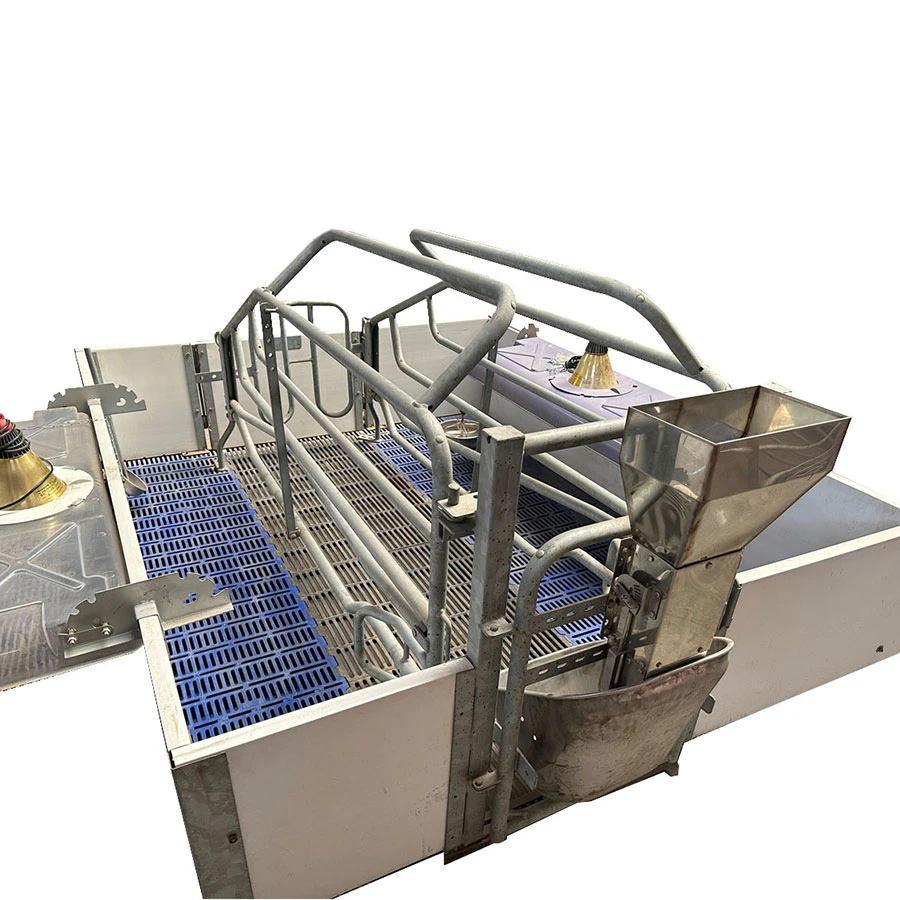
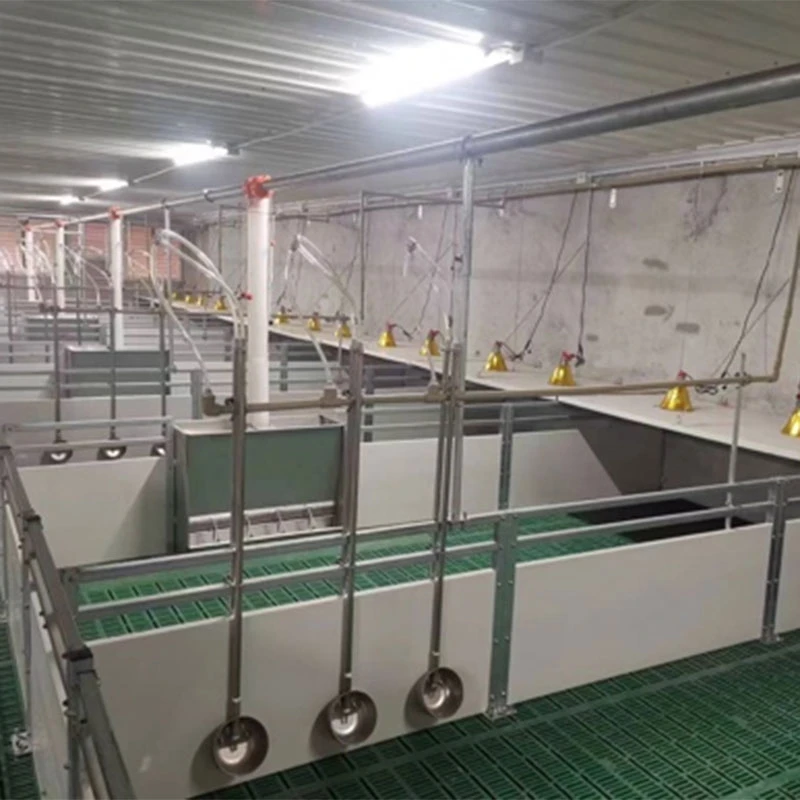
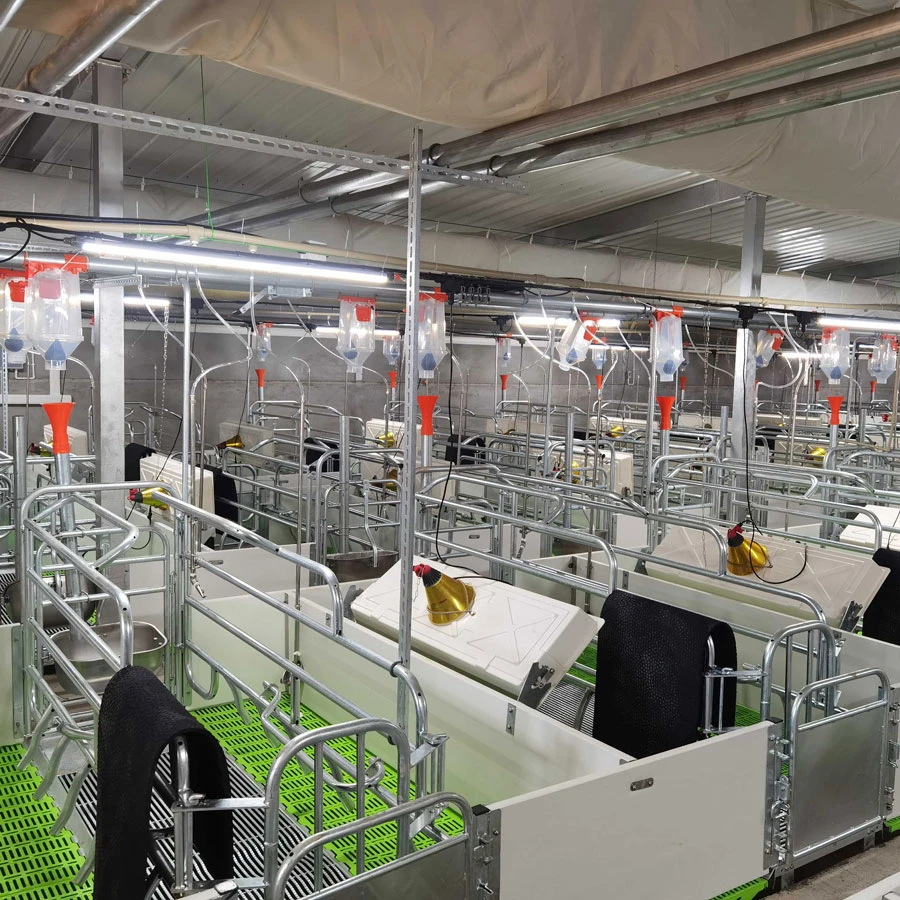
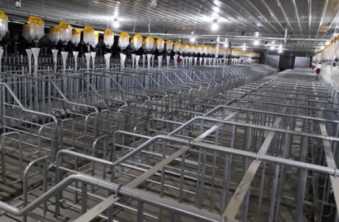
Farrowing cages come in various designs but usually feature a raised crate for the sow, heat mats or lamps for piglets, and sturdy flooring that’s easy to clean. They support modern industrial livestock farms as a vital tool for reducing piglet mortality, improving feeding management, and making the breeding process more predictable.
Quick takeaway:
Farrowing cages are the “birth suites” for pigs, bridging animal welfare and agricultural efficiency in one compact space.
Core Components That Define Quality Farrowing Cages
Durability and Materials
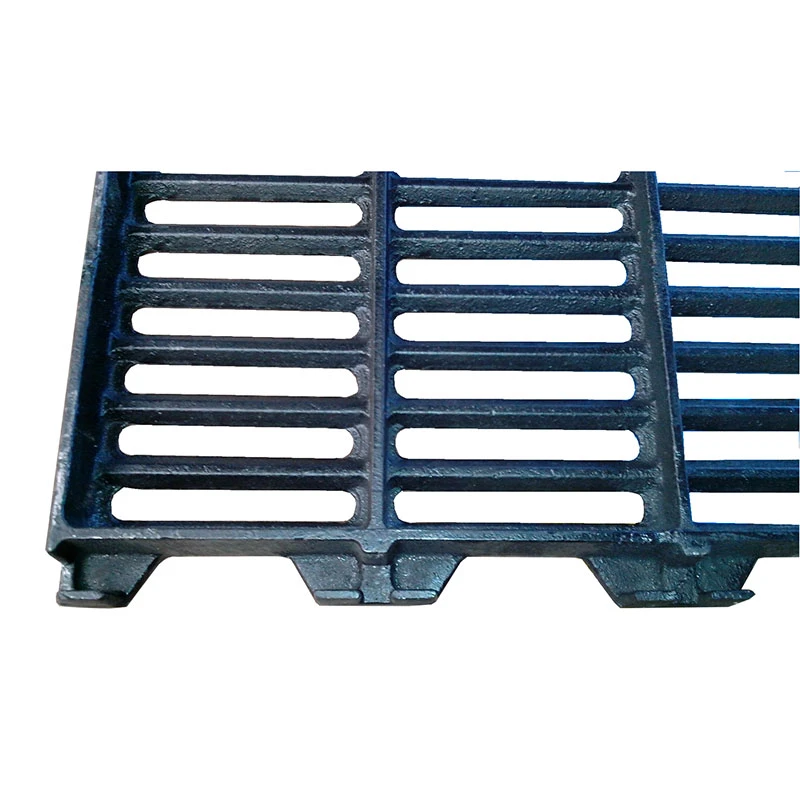
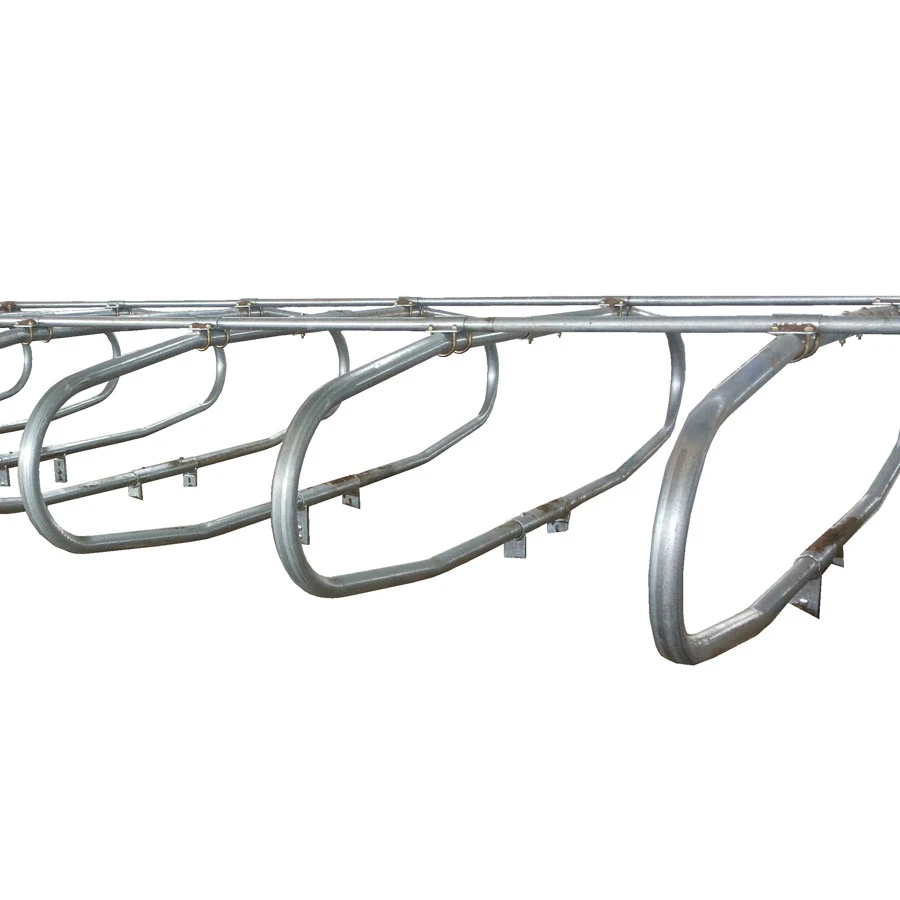
Most farrowing cages are made from galvanized steel or coated iron frames to resist corrosion, with plastic or metal flooring that’s both hygienic and easy to maintain. The choice of materials usually reflects climate conditions and sanitation needs. For instance, tropical farms require corrosion-resistant surfaces due to high humidity.
Safety Features
Safety is paramount. Features such as anti-crush bars, piglet creep areas (small heated zones where piglets retreat), and flooring with traction help prevent injuries. Many engineers emphasize the importance of design to reduce stress on the sow, which improves productivity.
Scalability
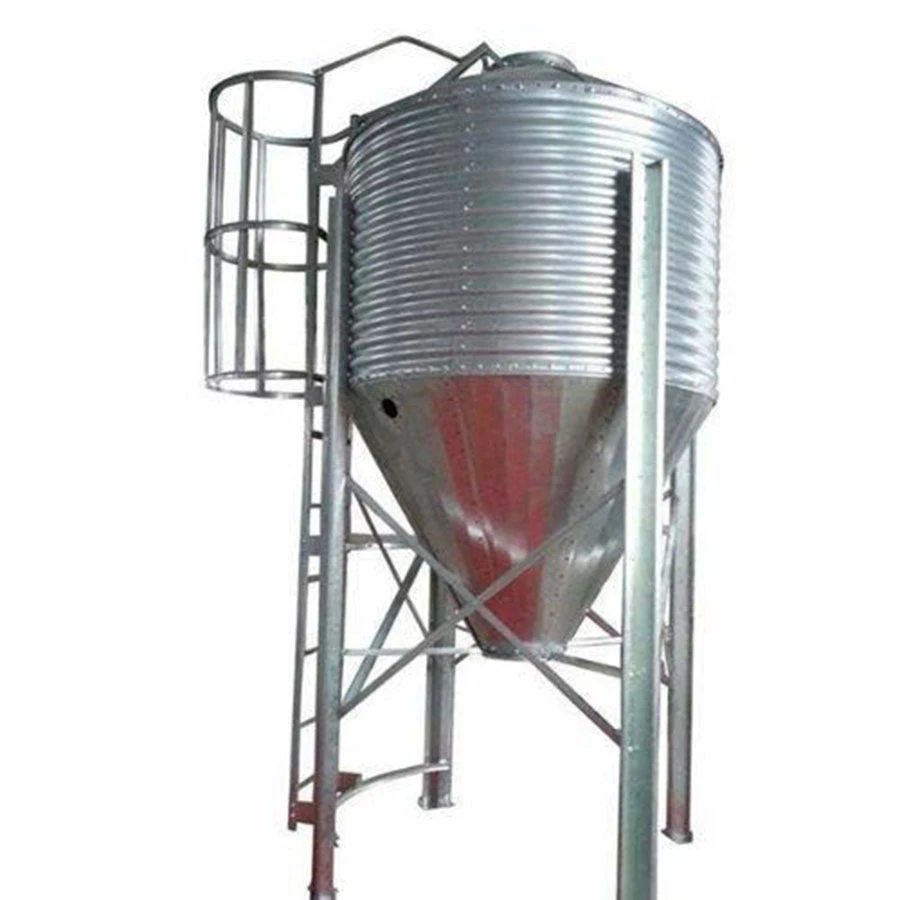
Depending on farm size, cages need to be either modular or easily replaceable. Big commercial farms often use standardized models that fit into automatic feeding or waste collection systems.
Cost Efficiency
Cost is always a consideration. Rising steel prices or supply chain issues affect production costs. Designs that minimize material use while maximizing lifespan tend to win out.
Hygiene & Maintenance
Quick-clean features and drain systems reduce disease spread. Some modern cages include antimicrobial surfaces or are designed to fit into automated washing rigs.
Heat & Environment Control
Farrowing piglets need warmth; integrated heat lamps or mats are often standard. Climate-controlled units are more common in colder regions to reduce energy waste.
Quick takeaway:
Material choices and cage design aren’t just about cost—they directly impact animal safety, farm workflow, and long-term value.
Product Specification Table: Typical Farrowing Cage Features
| Feature | Specification | Notes |
|---|---|---|
| Frame Material | Galvanized steel | Corrosion-resistant |
| Dimensions | 2.1m (L) x 0.6m (W) x 1.0m (H) | Standard sow space |
| Flooring | Plastic slats or metal grating | Easy waste drainage |
| Heating | Integrated heat lamp or pad | For piglet warmth |
| Safety | Anti-crush bars and piglet creep area | Injury prevention |
| Weight | ~120 kg | Portable but stable |
How Farrowing Cages Are Used Around the World
Farrowing cages leverage is seen in all corners of the globe:
- Europe: Countries like Denmark, Germany, and the Netherlands emphasize welfare-oriented designs, often mandating adjustable cages that allow more space and comfort.
- North America: Large-scale farms in the U.S. and Canada integrate farrowing cages with data-tracking systems for improved breeding metrics.
- Asia: In China and Vietnam, farrowing cages aid in meeting enormous pork demands, especially as farms scale up and mechanize.
- Developing Nations: NGOs introduce farrowing cages in rural farming programs to reduce piglet mortality, improving smallholder livelihoods.
For example, in post-disaster relief scenarios, quickly assembled farrowing solutions help small farmers rebuild stock after losses from floods or droughts. I noticed one project by an international NGO that combined affordable local materials with modular cage designs to maintain costs low.
Mini summary:
The global footprint of farrowing cages ranges from high-tech farms to grassroots-level projects, each adapting the core concept to fit local needs and capacities.
Advantages & Long-Term Value Farrowing Cages Bring
Beyond the immediate benefit of reduced piglet loss (a figure that can reach 15–20% without adequate protection), farrowing cages improve workflows by allowing farmers to monitor births better and intervene quickly when needed. This reliability builds trust in livestock management systems.
Sustainability-wise, farrowing crates promote better sanitation and reduce disease outbreaks—often the biggest driver of farm losses and antibiotic overuse. From an emotional standpoint, farmers report less stress knowing piglets are safer (which oddly enough affects sow behavior positively).
And with rising consumer awareness about animal welfare, farms using improved farrowing cages can market themselves as ethical producers—often fetching better prices.
Emerging Trends: What the Future Holds for Farrowing Cages
Innovations are cropping up, like integrating IoT sensors to monitor sow health and detect farrowing onset automatically. Some companies experiment with biodegradable or composite materials to reduce environmental footprints.
Moreover, the push toward climate-friendly operations means heating systems powered by solar energy or leveraging waste heat recovery systems might become standard. There’s also ongoing research into “transformable” cages that can shift size depending on the sow’s pregnancy stage, reducing stress and improving comfort.
Challenges & How They’re Being Tackled
No solution is perfect, of course. Critics argue that traditional farrowing cages still restrict sow movement too much, causing welfare concerns. Plus, initial capital outlay can be a hurdle for small farmers.
Solutions include designing larger or adjustable cages, hybrid systems that combine crate and pen features, and subsidies or microfinancing for smallholders. Increasing automation and modular design also help reduce labor dependency and allow easier upgrades.
FAQ: Your Farrowing Cage Questions Answered
- Q: What size farrowing cage is best for sow comfort and piglet safety?
- A: Generally, cages around 2m long and 0.6m wide balance sow movement and piglet protection, but adjustable cages that grow with the sow's needs are gaining popularity.
- Q: Are farrowing cages used in organic or free-range pig farming?
- A: Organic farms typically avoid restrictive farrowing crates, favoring pens with more space. However, modified farrowing cages with improved welfare features are sometimes allowed under strict guidelines.
- Q: How often should farrowing cages be cleaned to prevent disease?
- A: Ideally, cages are cleaned thoroughly between sows, with daily spot cleaning during use to minimize infections.
- Q: Can farrowing cages be customized for different climates?
- A: Yes. Features like added insulation, adjustable heating, and corrosion-resistant materials are common climate adaptations.
- Q: How do farrowing cages help reduce labor costs?
- A: By improving piglet survival rates and enabling better monitoring, farrowing cages reduce time spent on crisis management and increase predictability.
Vendor Comparison: Highlights of Popular Farrowing Cage Providers
| Vendor | Material Quality | Design Innovation | Price Range (USD) | Suitable Farm Size |
|---|---|---|---|---|
| AgriPig Solutions | Premium galvanized steel | IoT monitoring integration | $350 - $500 | Medium to large |
| FarmEase Equipment | Standard galvanized steel | Adjustable crate design | $200 - $350 | Small to medium |
| EcoPig Systems | Composite and recycled materials | Solar-powered heating options | $400 - $600 | Small to largest |
Wrapping Up: Why Farrowing Cages Remain a Must-Have
At the intersection of productivity, animal welfare, and sustainable farm management lie farrowing cages. For farmers looking to optimize their breeding efforts, protect their sows and piglets, and future-proof their operations, these enclosures represent a straightforward yet sophisticated solution. Whether you manage a large commercial operation or a small rural pig farm, the benefits of carefully chosen farrowing cages can ripple through to better economics and ethical farming.
Interested in exploring high-quality, customizable models? Visit farrowing cages to discover options suited to your farm’s needs.
Final takeaway:
Farrowing cages might seem simple, but their design and use profoundly affect animal welfare, farm efficiency, and food security worldwide — a quiet revolution in pig husbandry.
References
Post time: Dec . 02, 2025