The Quiet Power of Farrowing Crates for Sows
At first glance, farrowing crates for sows might sound like an oddly niche topic – and yet, when you dig deeper, it’s a corner of agriculture that touches global food security, animal welfare, sustainability, and even local economies in surprising ways. Why does it matter? Well, with pork being one of the world’s most consumed meats and swine farming growing across continents, the systems we use to keep sows and their piglets safe during farrowing (birthing) are critically important. Choosing or understanding the best farrowing crates can affect the survival rates of piglets, the well-being of sows, and the efficiency of farms worldwide.
It’s not just about a metal cage, either. It’s a blend of biology, engineering, ethics, and economics — and these crates are evolving beyond their humble beginnings to address real-world problems. So what’s behind the buzz? Let’s unpack it.
Global Importance of Farrowing Crates for Sows
The global pork industry is massive — the UN Food and Agriculture Organization (FAO) estimates pork production surpassed 120 million tonnes annually as of recent years, with a substantial chunk coming from farrowing operations supported by specialized equipment like crates.
In industrialized countries, farrowing crates are standard practice to reduce piglet mortality — which can otherwise reach 20-30% in less controlled conditions. Developing nations are increasingly adopting such solutions, balancing rapid urbanization and rising protein demand. The World Bank’s data hint at swine farming as a livelihood pillar for millions in Southeast Asia, Latin America, and Eastern Europe — places where farrowing crates are both a technical and socio-economic solution.
But these crates come with challenges: animal welfare debates, space and cost constraints, and limitations when deploying in smallholder or remote farms. It’s a fascinating problem: how to keep modern swine farms productive while mindful of these concerns.
What Exactly Are Farrowing Crates for Sows?
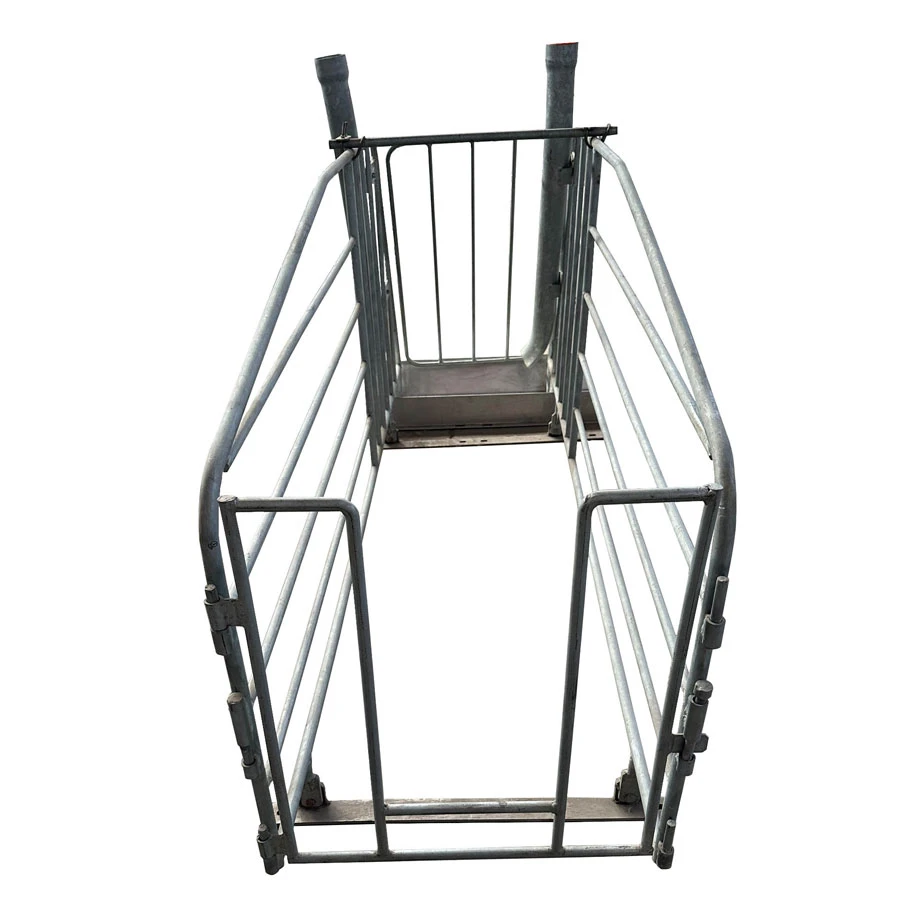
In simple terms, farrowing crates are specially designed metal enclosures that house a sow during farrowing and lactation. Their primary function is to restrict the sow's movement just enough to protect newborn piglets from being squashed while still allowing the sow to lie down, nurse, and be cared for comfortably.
It might sound confining (and it is, to some degree), but these crates address a biological and behavioral risk: sows are large and can accidentally crush piglets in open pens. Farrowing crates are a modern response blending animal husbandry advances with farm efficiency needs. They’ve become an essential tool in commercial pig production and, increasingly, in humanitarian or development projects that aim to establish sustainable livestock farming.
Core Components of Effective Farrowing Crates
1. Durability
Most farrowing crates are made of galvanized steel or coated iron to resist rust, corrosion, and the rough farm environment. Durability ensures a farm can rely on them season after season without costly replacements.
2. Piglet Protection Design
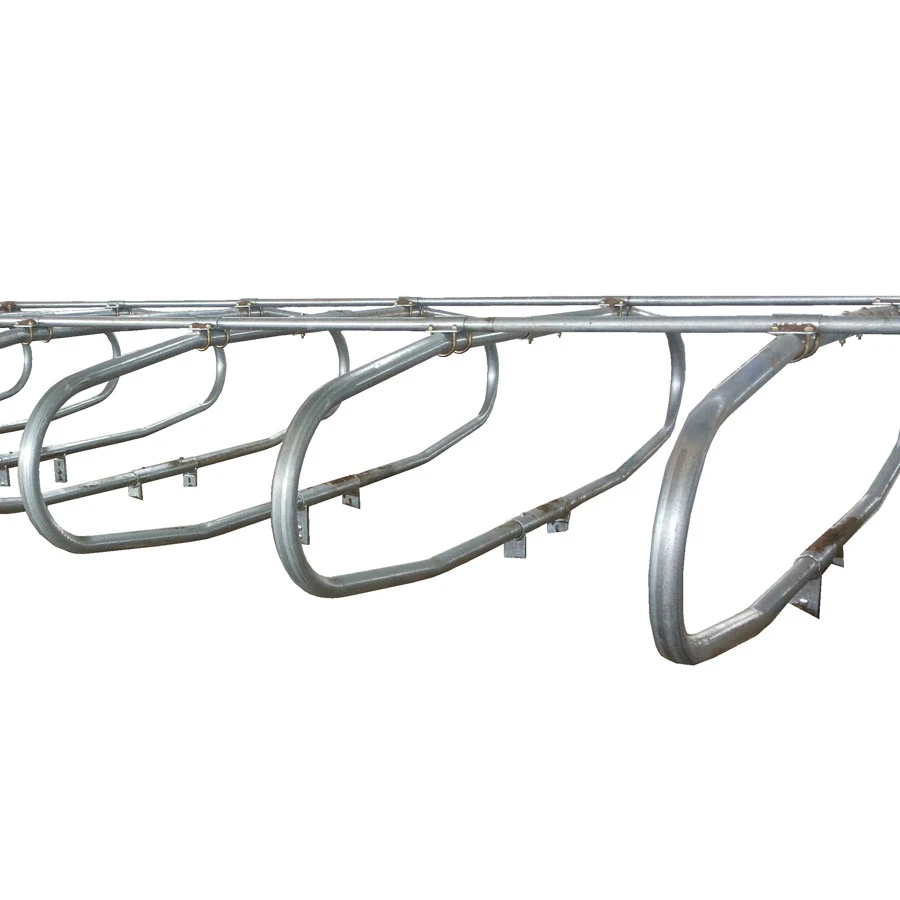
Features like anti-crush bars and heated creep areas (warming zones for piglets) reduce mortality rates. These design elements reduce accidental piglet deaths significantly.
3. Ergonomics for the Sow
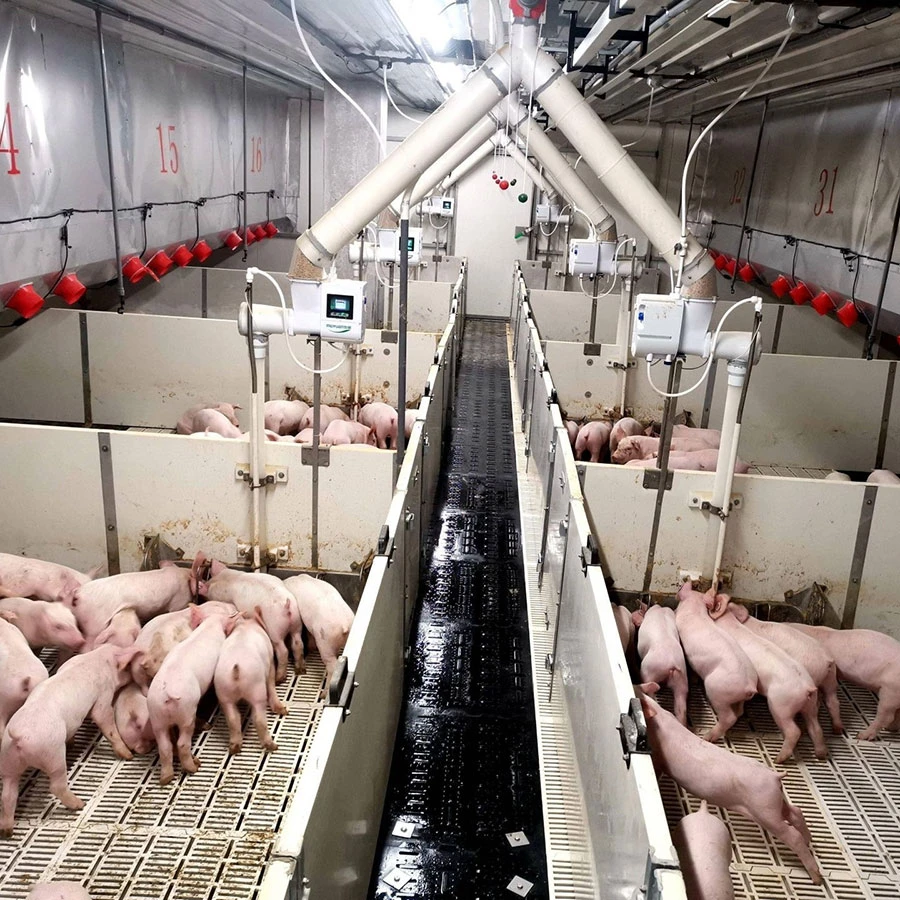
Ventilation, sufficient space for natural behaviors (within the movement limits), and easy access for feeding and cleaning contribute to sow comfort and health.
4. Scalability
Modular designs or standardized dimensions facilitate easy expansion for farms experiencing growth or seasonal changes in herd size.
5. Cost Efficiency
Pricing varies, and many producers balance upfront costs against long-term savings on piglet survivability and labor reductions.
Mini takeaway:
Farrowing crates are more than just metal bars. Their design reflects a balance of animal welfare, farm productivity, and practical economy.
How Farrowing Crates Bring Value Around the World
In Europe and North America, farrowing crates are integral to large-scale pig production. Here, regulatory frameworks often push for humane designs with adjustable features that allow for more sow movement while maintaining safety.
In countries like Vietnam or Brazil, farrowing crates help smallholder farmers increase yields and reduce loss, improving food security and incomes. Nonprofits sometimes introduce these crates as part of agricultural development programs, coupling education on husbandry techniques with physical infrastructure.
Even in disaster response scenarios—imagine a post-flood region striving to stabilize livestock livelihoods—portable and modular farrowing crates can become part of rapid recovery kits, protecting vulnerable piglets and helping families rebuild.
Advantages of Farrowing Crates: Why They Matter Long Term
- Reduced Piglet Mortality: The primary driver—up to 70% improvement in newborn survival rates.
- Better Sow Management: Easier feeding, health monitoring, and disease control.
- Increased Efficiency: Less labor and higher throughput support farm profitability.
- Enhanced Sustainability: Minimizing piglet losses means fewer resources wasted overall.
- Improved Animal Welfare: When designed well, offers safety without undue stress.
Emotionally, farmers often talk about peace of mind — "I know my piglets have a better chance" — while consumers become more attentive to ethical livestock practices. It’s an evolving trust chain.
Product Specifications: Typical Farrowing Crate Features
| Feature | Specification | Notes |
|---|---|---|
| Material | Galvanized Steel | Rust-resistant, durable |
| Dimensions (L x W x H) | 2.2m x 0.6m x 1.0m | Standard size accommodating most sows |
| Weight | ~65 kg | Stable but portable |
| Piglet Protection | Anti-crush bars + heated creep area | Improves neonatal survival |
| Assembly | Bolt-together modular | Eases scaling and transport |
| Optional Features | Adjustable side panels, drainage | Customization |
Vendor Comparison: Choosing the Right Supplier
| Brand | Price Range | Material Quality | Customization | Warranty | Global Reach |
|---|---|---|---|---|---|
| AgriBuild Co. | $150 - $220 | High (galvanized steel) | Standard only | 3 years | Worldwide |
| SwineSafe Solutions | $180 - $250 | Premium stainless steel option | Adjustable sizes, extras | 5 years | Selective regions |
| FarmTek Industries | $130 - $200 | Galvanized with powder coating | Limited | 2 years | Mostly North America |
Looking Ahead: The Future of Farrowing Crates
Innovation is slowly creeping in. I’ve read about companies experimenting with composite materials that reduce weight but keep durability. Plus, sensors and IoT devices to monitor sow behavior and piglet health in real-time — not to mention automated cleaning systems that reduce labor. Green energy integration and biodegradable materials are showing up in pilot studies too, reflecting the farming sector’s push toward sustainability.
Policy-wise, more regions are encouraging “free farrowing” systems where movement is less restricted, blending animal welfare with productivity. The future could be a hybrid: crates that adapt and evolve based on a sow’s stage and health.
Addressing Common Challenges
Of course, farrowing crates aren’t perfect. Welfare concerns remain a big talking point. Critics argue that movement restriction causes stress. Farmers sometimes struggle balancing crate cost and maintenance with tight budgets. Additionally, in smaller rural setups, crate installation can be tricky.
Solutions? Innovative crate designs offering adjustable bars, better flooring for comfort, and materials that are easier to sanitize seem promising. Training and awareness raise welfare standards across the board. It’s a dialogue — not just a product.
FAQ: Practical Questions About Farrowing Crates for Sows
- Q1: How do farrowing crates reduce piglet mortality?
- A1: By restricting the sow's movement just enough to prevent accidental crushing. Features like anti-crush bars and piglet warming areas also provide protection and comfort, improving survival especially in the first critical days after birth.
- Q2: Are farrowing crates used worldwide or only in developed countries?
- A2: While common in developed industrial pig farming, farrowing crates are increasingly adopted in developing regions through agricultural development programs, adapting to local needs and constraints.
- Q3: Can farrowing crates be customized for different farm sizes or sow breeds?
- A3: Yes, many vendors now offer adjustable or modular crates sized for different breeds, with options for extra features like drainage or heating, making them versatile for varied farm operations.
- Q4: What are some innovations improving sow welfare in crates?
- A4: Innovations include adjustable crate widths to allow more movement, better bedding options, and integration of monitoring tech to track sow health and behavior for timely care.
- Q5: How do I decide which supplier to choose for farrowing crates?
- A5: Consider material quality, warranty, customization options, cost, and regional support. Also, check reviews or case studies showing performance in similar farm conditions.
In Closing: Why Farrowing Crates Continue to Matter
The journey of farrowing crates for sows has been one of balancing tough trade-offs: productivity, animal welfare, cost, and tradition. But it increasingly feels like the right crate can be a small piece with outsized impact in farm efficiency and animal health.
If you’re exploring options, or simply curious, I suggest diving deeper into how modern designs might fit your scale or ethical priorities. For a start, check out farrowing crates for sows and get a sense of what’s out there.
It’s a modest tool with quite a story, and who knows – understanding it might just change your perspective on livestock farming.
References
Post time: Dec . 02, 2025