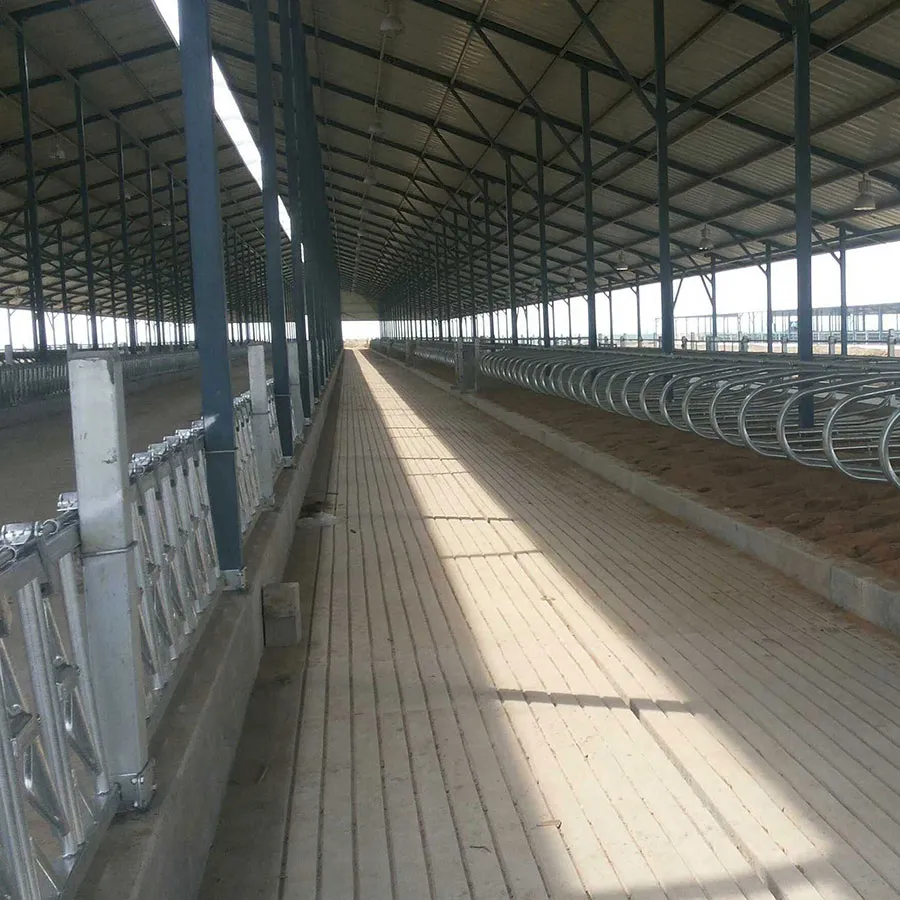
Why Farrowing House Design Matters More Than Ever
If you’re not immersed in the world of pig farming or agricultural infrastructure, “farrowing house design” might sound a bit niche or simply technical jargon. But in reality, it’s a critical piece of the global food puzzle—and it touches everything from animal welfare to sustainable farming and even disaster resilience. Farrowing houses are specialized structures where sows give birth and nurse piglets safely. Getting their design right means healthier animals, less waste, and ultimately more efficient food production in a world where demand for protein keeps climbing. In a nutshell, understanding farrowing house design means understanding how to build smarter, safer, and more productive pig farming systems that work well everywhere—from developed farms in Europe or North America to rural settings in Southeast Asia or Africa. ---Global Context: Why Farrowing House Design Is a Worldwide Concern
Let’s zoom out for a second. According to the UN Food and Agriculture Organization (FAO), pork accounts for roughly 35% of global meat consumption. That’s huge. Farrowing house design becomes a global concern because how well farmers manage breeding directly affects pork supply chains, prices, and sustainability. The World Bank points out that in rapidly urbanizing countries like Vietnam and China, efficient smallholder farms rely heavily on optimized housing to increase yield while decreasing environmental footprints. The problem? Many farms still operate with outdated or poorly constructed farrowing setups leading to higher piglet mortality. That’s costly—not just economically but ethically and environmentally too. Improving farrowing house design can help address these challenges directly. ---What Exactly Is Farrowing House Design?
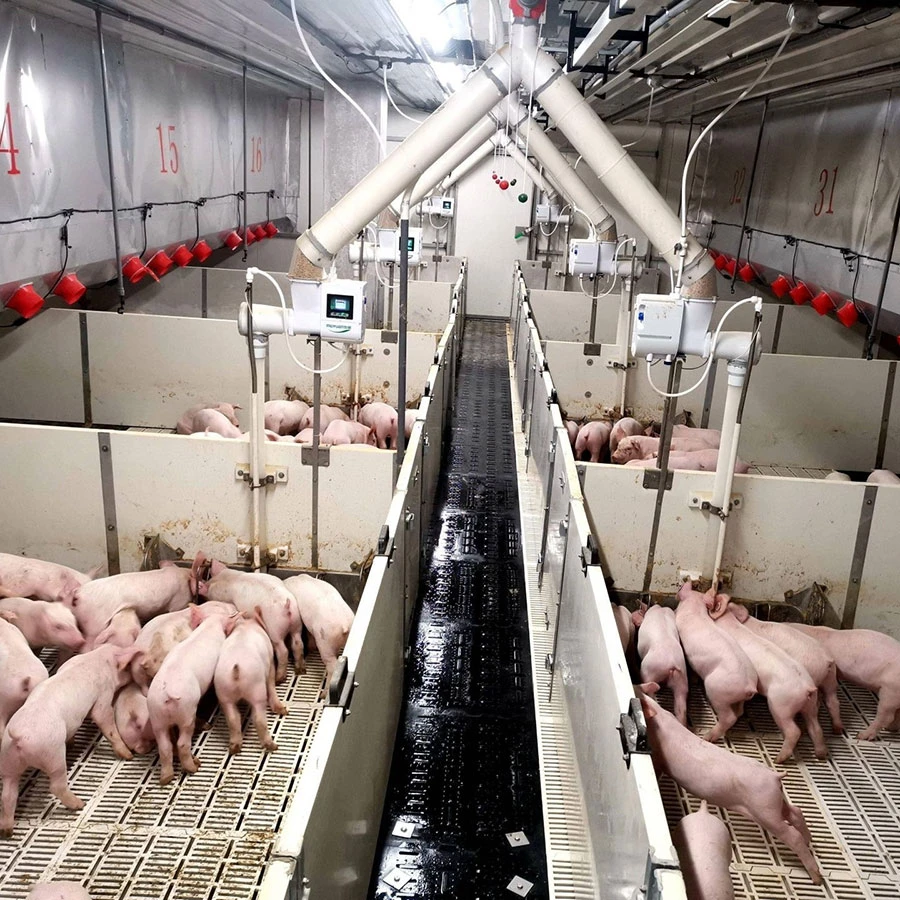
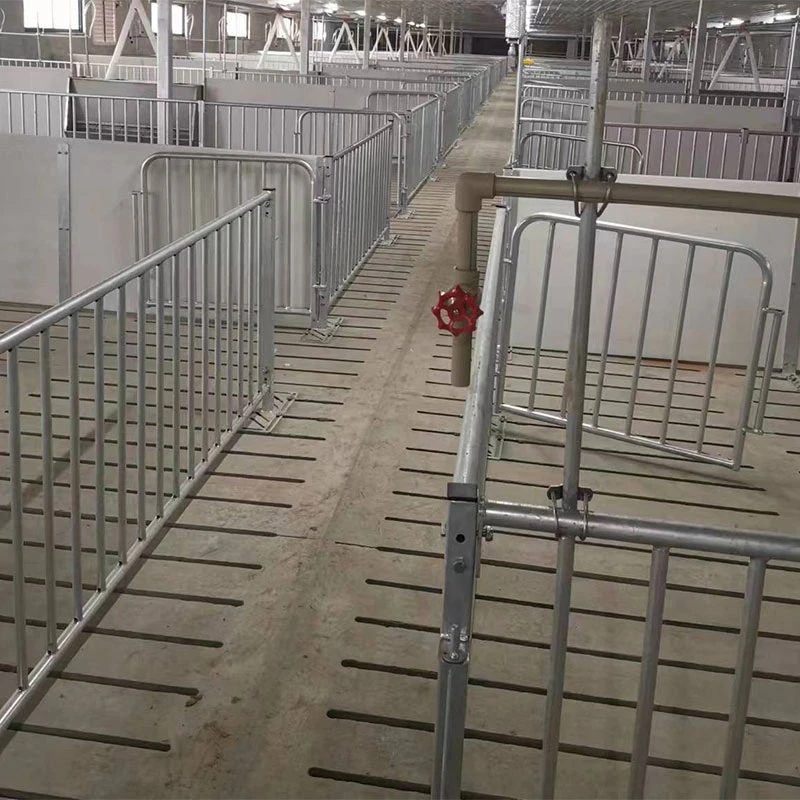
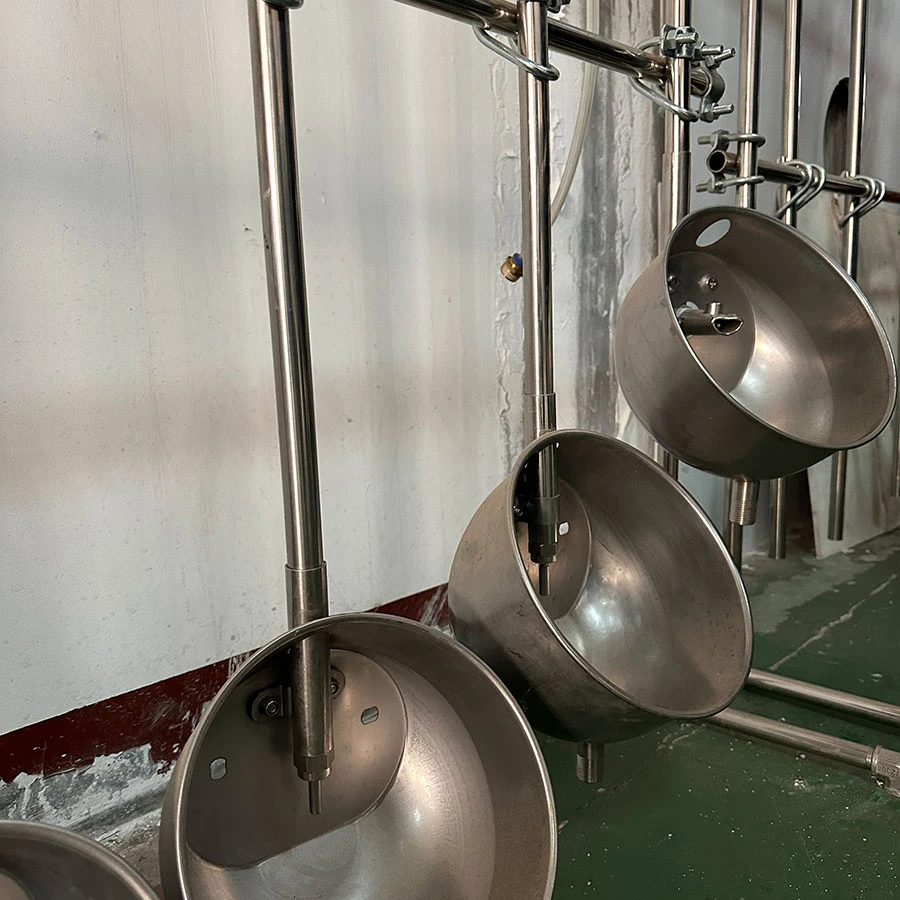
At its core, farrowing house design refers to the planning, layout, materials, and technologies used to create a controlled environment for sows to farrow (give birth) and rear piglets safely. It typically includes pens or stalls designed to balance sow comfort and piglet safety, ventilation to control temperature and air quality, waste management systems, and sometimes automated feeding or watering. The design must protect newborn piglets from crushing by sows—a major cause of early piglet loss—while providing ample warmth and clean conditions. It’s the crossroads of animal science, practical engineering, and agricultural economics. For modern livestock farming or humanitarian food programs aiming to build resilient, scalable pig farms, smart farrowing house design is crucial. ---Key Factors in Farrowing House Design
1. Animal Welfare and Safety
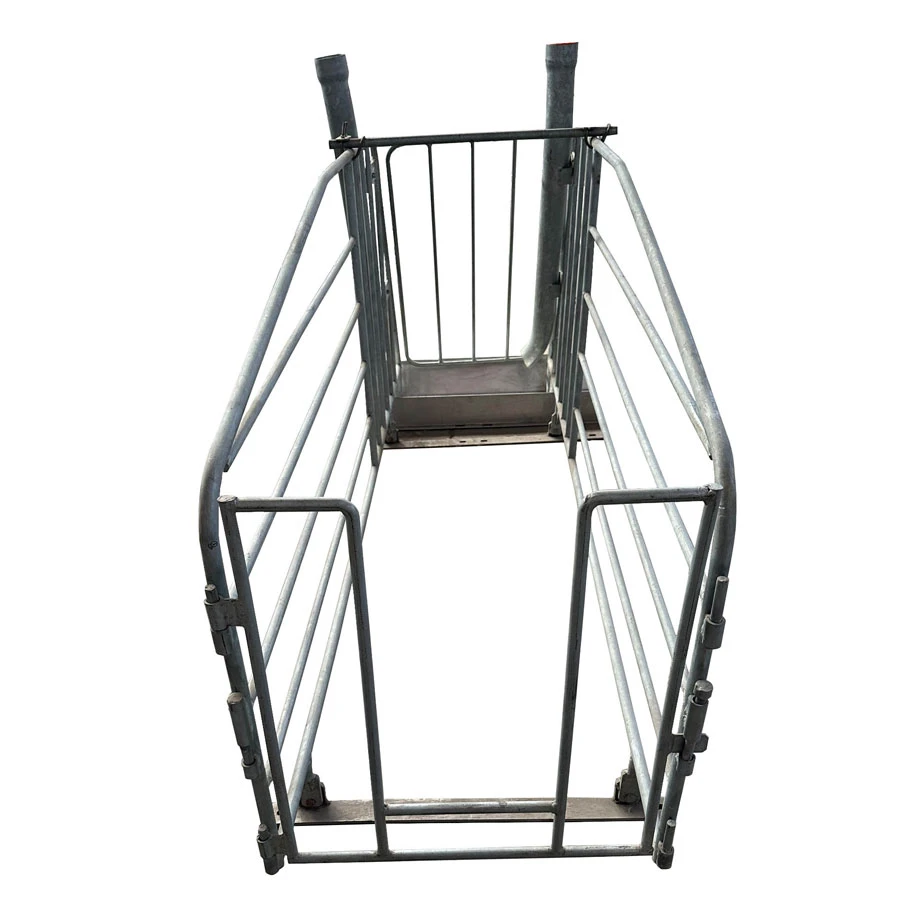
Sow comfort is not just a buzzword. Comfortable sows produce healthier litters. Proper pen size, anti-crush bars, and soft flooring help reduce piglet injuries and improve sow well-being.2. Temperature Control and Ventilation
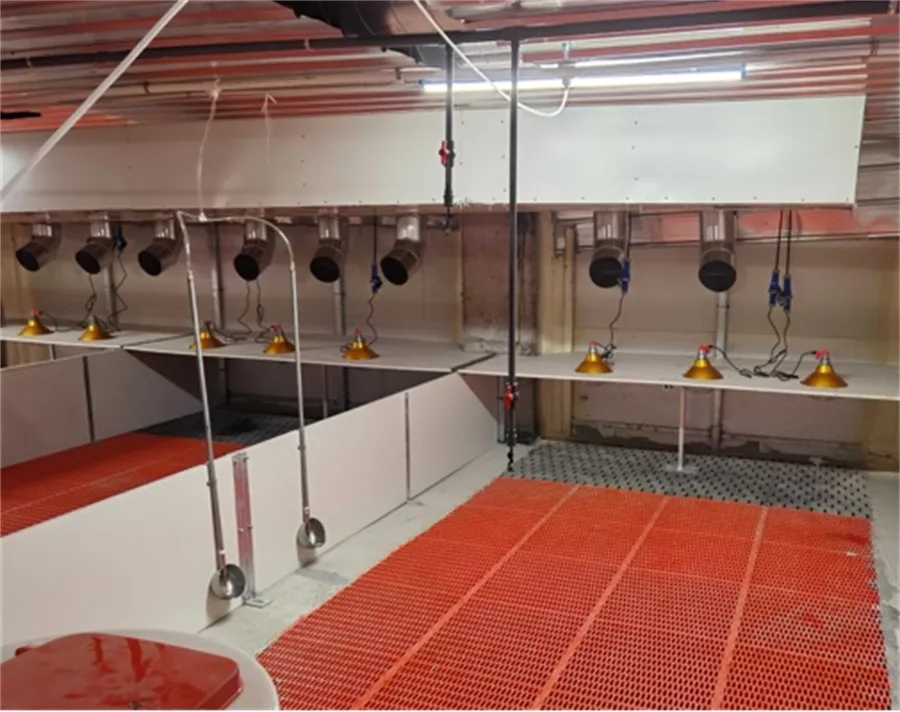
Newborn piglets require warmth (around 30-32ºC initially). Farrowing houses often include heated flooring or heat lamps, with ventilation systems that avoid drafts. Controlling humidity also stops respiratory problems.3. Waste and Hygiene Management
Efficient drainage and manure removal not only reduce disease but also lessen environmental impact. Concrete floors with slatted drains, or removable mats, make cleaning easier and improve biosecurity.4. Scalability and Flexibility
Whether you run 10 sows or 1,000, the layout may need to adapt. Modular pen systems or convertibles allow farms to expand or custom tweak setups quickly without costly rebuilds.5. Cost and Material Durability
Materials must withstand moisture, abrasion, and heavy use, while remaining budget-friendly. Concrete, galvanized steel, and tough plastics are common, but each farm’s balance of upfront cost and longevity shifts the decision. ---Mini Takeaway:
Good farrowing house design isn’t just about walls and pens; it’s a carefully balanced system emphasizing animal welfare, hygiene, temperature control, and smart economics — the backbone of sustainable pig farming worldwide. ---How Farrowing House Designs Fit Into Global Agricultural Systems
Oddly enough, farrowing house strategies differ dramatically depending on regions: - Europe and North America: Large-scale farms leverage automated systems—climate controls, timed feeding, waste recycling—aimed at maximizing efficiency and reducing mortality rates often to under 5%. - Southeast Asia: Many smallholders upgrade semi-traditional pens with local materials and improve ventilation, gradually raising piglet survival while lowering costs. - Sub-Saharan Africa: Some NGOs implement modular, container-based farrowing houses in post-disaster relief or agricultural development to rapidly restart pig production. These setups are portable, quick to deploy, and surprisingly effective. An example? A project in the Philippines used low-cost, biosecure farrowing houses in typhoon-affected regions to improve food security while minimizing disease spread. ---The Tangible Benefits of Smart Farrowing House Design
1. Cost Efficiency Over Time: Reduced mortality means less wasted feed and labor. Fewer veterinary bills too. 2. Sustainability: Improved waste handling reduces groundwater contamination and greenhouse gases. 3. Social Impact: Safer, more reliable farming supports rural livelihoods and can lift families out of poverty. 4. Animal Wellbeing: When sows and piglets thrive, the farm’s overall productivity jumps. 5. Trust & Compliance: Meeting global welfare standards (like ISO 22000 or OIE guidelines) opens export markets. Besides numbers, there’s an emotional layer here—knowing animals are well cared for often brings a sense of pride and integrity to farmers. ---What’s Next? Emerging Trends in Farrowing House Design
- Green Energy Integration: Solar-powered heating and ventilation systems are gaining traction to reduce overall carbon footprints. - Digital Monitoring: IoT sensors track temperature, humidity, and piglet activity in real-time, alerting farmers to issues before they become big problems. - Automation: Robotic feeders and self-cleaning floors, while costly upfront, promise big labor savings long term. - Eco-Friendly Materials: Biodegradable or recycled composites are under pilot testing to replace plastic or concrete elements. - Improved Biosecurity: Modular designs optimized to minimize disease vectors, crucial against swine fever outbreaks. Farmers and designers seem excited about these developments — though adoption remains uneven. ---Challenges and How Experts Are Tackling Them
Common hurdles include: - High initial investment for advanced systems. - Lack of local materials suited to specific climates. - Training gaps — farmers unfamiliar with tech may resist new designs. - Balancing animal welfare with farm economics. Innovative solutions are popping up: - Microfinance models help small farms fund upgrades. - Regional guidelines tailor designs to local conditions. - Training programs and farmer cooperatives spread knowledge. - Modular, stepwise upgrades minimize upfront costs. ---FAQ: Common Questions About Farrowing House Design
Q1. How can farrowing house design improve piglet survival rates?A: Well-designed farrowing houses reduce piglet crushing, maintain optimal temperatures, and keep clean, dry environments—all of which dramatically lower mortality, sometimes from 20% to less than 5%. Q2. Are modular farrowing houses practical for small farms?
A: Absolutely. Modular units can scale to any size and offer flexibility, making them perfect for smallholders or projects needing rapid deployment. Plus, they can be relocated or upgraded as needed. Q3. What materials are best for durability and hygiene?
A: Concrete floors with non-slip surfaces, galvanized steel for pen bars, and plastic-coated walls typically offer the best mix of durability, ease of cleaning, and pig comfort. Q4. Is farrowing house design impact mainly economic, or are there welfare benefits too?
A: Both. Lower piglet loss improves profits, but the biggest wins are animal welfare and environmental benefits from cleaner, safer housing. Q5. How does ventilation affect farrowing houses?
A: Proper ventilation controls humidity and temperature, prevents disease buildup, and reduces odor — all vital for sow and piglet health. ---
Product Specification Table: Typical Farrowing House Components
| Component | Typical Material | Function | Longevity |
|---|---|---|---|
| Flooring (slatted/concrete) | Concrete with coated finish | Drain waste, provide stable surface | 15-20 years |
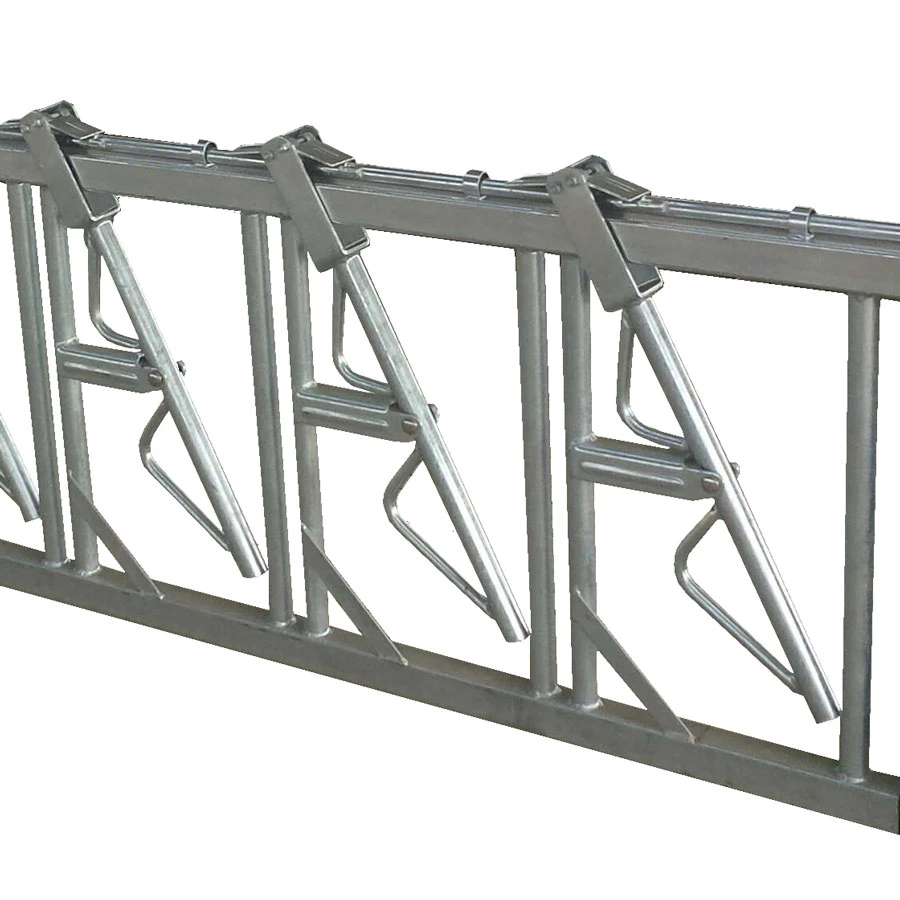
| Sow pens | Galvanized steel bars with plastic coating | Protect sow & piglets, reduce crushing | 10-15 years |
| Heating system | Infrared lamps or heated pads | Keep piglets warm | 5-7 years |
| Ventilation | Mechanical fans with mesh filters | Regulate air and humidity | 8-10 years |
Vendor Comparison Table: Farrowing House Design Providers
| Vendor | Product Range | Customization | Price Range | Ideal For |
|---|---|---|---|---|
| AgriBuild Systems | Modular pens, ventilation kits | High | $$$ | Large commercial farms |
| FarmSafe Solutions | Basic pen sets, heaters | Medium | $ | Small to medium farms |
| EcoPork Designs | Sustainable materials, solar-integrated | High | $$$ | Eco-conscious farms & NGOs |
Wrapping Up: Why Farrowing House Design Truly Counts
So we’ve unpacked quite a bit—what farrowing house design entails, why it’s globally crucial, and the future direction of this specialized domain. Beyond bricks and mortar, it’s about respect for animals, efficiency for farmers, and sustainability for the planet. Smart design means healthier piglets, better farm economics, and stronger rural communities. I often think of farrowing houses as a kind of quiet revolution happening behind farm gates—small innovations with outsized impact. If you want to dive deeper or explore applied solutions, check out farrowing house design resources and vendors that can tailor options to your needs. ---References
Post time: Dec . 02, 2025