What Is Floor Grid Mesh and Why It Matters Across Industries
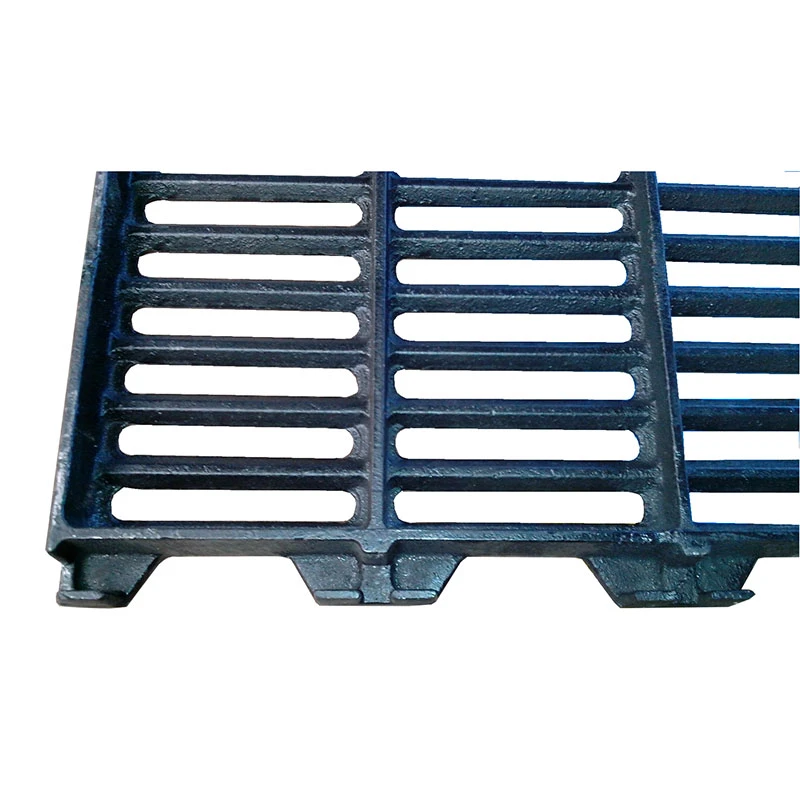
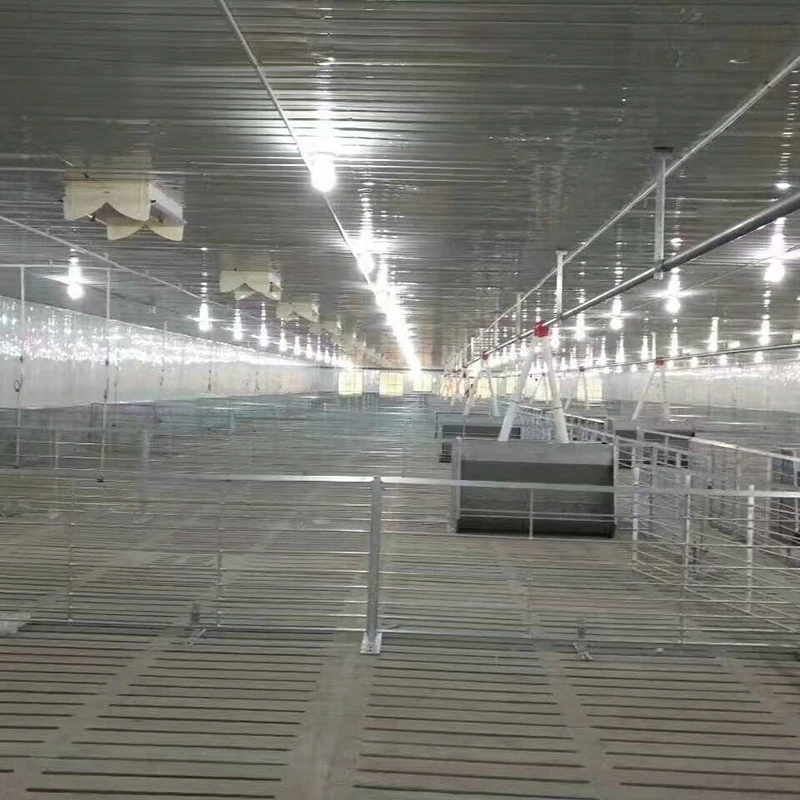
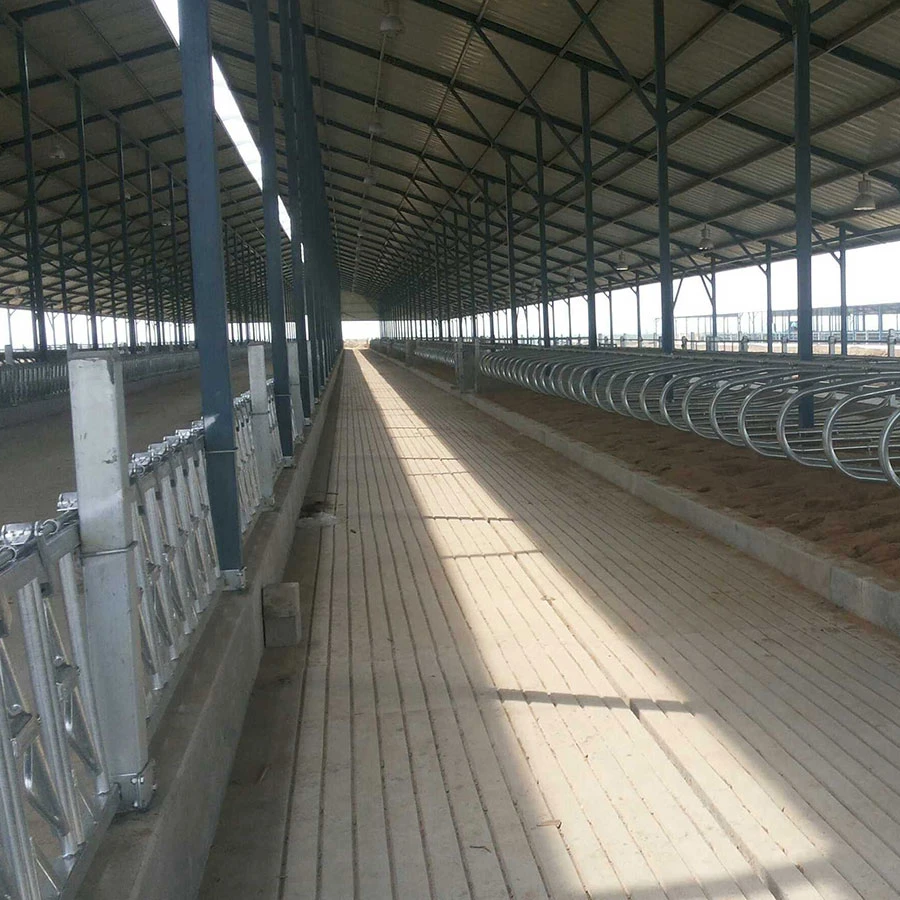
Floor grid mesh might not be cricket-table-talk, but it’s undeniably central to countless industrial applications worldwide. At its core, floor grid mesh refers to a structured network of metal bars or wires arranged into grids used as walkways or support surfaces. Think of it as the unsung hero underfoot at factories, refineries, or disaster relief zones—spreading weight, providing grip, and draining liquids effortlessly.
Why the fuss? Globally, industries demand durable, safe, and cost-efficient flooring solutions that can withstand harsh environments. From the crushing heat of petrochemical plants to the slippery aftermath of flood relief camps, floor grid mesh is often a key component. As infrastructure grows tougher and sustainability goals become non-negotiable, understanding these grids unlocks smarter choices for engineers, architects, and planners alike.
Global Context: Why Floor Grid Mesh is a Silent Backbone of Industry
According to the International Organization for Standardization (ISO), industrial flooring standards emphasize non-slip, drainage-friendly surfaces—exactly what floor grid mesh delivers. Meanwhile, the World Bank reports that growth in heavy industries, construction, and disaster preparedness has surged by roughly 20% in emerging economies over the last decade. This explosion of activity means infrastructure has to ensure efficient, long-lasting performance under pressure.
But here’s a thorny challenge: uneven ground, exposure to chemicals, and high foot traffic wear out many flooring solutions quickly, risking safety and downtime. Enter floor grid mesh—a customizable, metal-based network that can tackle all these issues head-on with surprisingly low maintenance.
Defining Floor Grid Mesh in Practical Terms
Floor grid mesh is essentially a fabricated assembly of horizontal and vertical metal bars, usually steel or aluminum, welded or woven to create a rigid grid. The intention is multiple: allow water, oil, or debris to pass through, provide weight bearing support, and reduce slip hazards.
Industrial and humanitarian sectors alike rely on these grids. During post-disaster relief, for example, modular floor grids can swiftly create temporary walkways over unstable or muddy ground—preserving dignity and safety. In modern factories, the mesh supports heavy machinery platforms while allowing easy cleaning and air circulation.
Core Components that Define Effective Floor Grid Mesh
1. Durability
Many engineers swear by galvanized steel meshes—for their rust resistance and toughness in corrosive environments. Durability means fewer replacements, vital in remote industrial zones where downtime costs are huge.
2. Slip Resistance
A floor grid mesh with serrated edges or coated finishes can prevent slips, crucial in wet or oily surfaces typical of chemical plants or food processing units.
3. Load Capacity
The mesh’s thickness, bar spacing, and material determine the weight it can handle—from light pedestrian traffic to machinery weighing tons.
4. Customizability
Meshes aren’t one-size-fits-all. Many manufacturers offer cutting, coating, or modular interlocking options to suit specific project needs—oddly enough, this flexibility is often the dealbreaker for architects.
5. Cost Efficiency
The upfront cost, combined with ease of installation and low maintenance, makes floor grid mesh an economical solution in the medium to long term.
Real-World Applications: Where Floor Grid Mesh Makes a Difference
Look around and you’ll spot floor grid mesh in action far beyond factories. Here’s a quick tour:
- Oil and Gas Platforms: The mesh provides slip-resistant walking surfaces that handle saltwater corrosion.
- Food Processing Plants: Easy drainage and hygienic design enable sanitation compliance.
- Disaster Relief Zones: Modular grids create stable paths through muddy terrain for displaced populations.
- Public Infrastructure: City walkways and drainage grates use floor grid mesh for durability and public safety.
For instance, after the 2015 Nepal earthquake, NGOs used portable floor grid mesh systems to quickly assemble stable living quarters — a subtle but vital step towards restoring normality.
Advantages of Using Floor Grid Mesh: Beyond the Surface
Beyond raw specs, there’s an emotional and social story here. Safety, after all, is about peace of mind. Choosing proper floor grid mesh means fewer workplace injuries — good for morale, productivity, and ultimately the bottom line.
Long-term value also comes in from sustainability efforts. Many modern meshes use recycled steel and come with corrosion-resistant coatings that extend life — reducing landfill waste.
Finally, as innovation rises, suppliers increasingly promise quicker delivery and lighter designs without sacrificing performance, feeding a cycle of trust and technological progress.
Future Trends Shaping the World of Floor Grid Mesh
Looking ahead, expect green energy-driven manufacturing processes to reduce carbon footprints further, alongside emerging materials like composite polymers that combine mesh strength with lighter weight. Digital design tools (think: CAD and BIM technology) allow engineers to simulate precisely how different mesh configurations behave under stress before ordering.
Automation too will streamline production and customization, making it easier to supply complex projects even in remote regions. It's an exciting mix of tradition and tech.
Overcoming Challenges in Floor Grid Mesh Application
Despite their many merits, not all floor grid mesh is created equal. Some limitations include corrosion in extreme chemical environments or difficulty with installation on irregular terrain. Experts advise investing in quality coatings or hybrid materials to curb these issues.
Additionally, training installation crews on correct fitting techniques can avoid safety hazards. Anyone dealing heavily with floor grid systems would do well to build alliances with specialized suppliers who understand these nuances.
Frequently Asked Questions About Floor Grid Mesh
- Q: How do I choose the right floor grid mesh for corrosive environments?
A: Opt for galvanized or stainless steel meshes with protective coatings. Confirm chemical resistance ratings and consult standards like ISO 1461 for hot-dip galvanization. Don’t forget to assess local environmental exposure. - Q: Can floor grid mesh be cut onsite to fit irregular spaces?
A: Yes, most meshes can be trimmed on-site with proper tools. However, consider manufacturer guidance to avoid compromising structural integrity or warranties. - Q: What is the typical lifespan of industrial floor grid mesh?
A: Lifespans vary widely but with quality materials and coatings, expect 15-25 years in most industrial settings. - Q: Are floor grid mesh systems recyclable after use?
A: Absolutely, steel meshes in particular are highly recyclable, helping reduce environmental impact at the end of their use cycle.
Product Specification: Typical Floor Grid Mesh Model
| Specification | Details |
|---|---|
| Material | Galvanized Steel |
| Mesh Opening | 30 mm x 30 mm |
| Load Capacity | Up to 3000 kg/m² |
| Corrosion Resistance | Hot Dip Galvanized (ISO 1461 certified) |
| Surface Treatment | Serrated for Slip Resistance |
| Panel Size | 1m x 2m Standard |
| Weight | 25 kg per panel |
Vendor Comparison: Popular Floor Grid Mesh Suppliers
| Vendor | Material Options | Customization | Lead Time | Price Range |
|---|---|---|---|---|
| GridTech Solutions | Steel, Stainless Steel, Aluminum | High (custom cuts, coatings) | 2-3 weeks | $$$ |
| SteelMESH Corp | Galvanized Steel Only | Medium (standard sizes) | 1-2 weeks | $$ |
| SafeGrid Industries | Composite Metals, Coated Steel | High (modular designs) | 3-4 weeks | $$$$ |
For related solutions in drainage and structural security, check out our floor grid mesh range — a versatile companion across many sectors.
Wrapping Up: Why Floor Grid Mesh Is a Long-Term Investment in Safety and Efficiency
In the grand scheme, floor grid mesh offers more than just footing—it gives confidence. The combination of durability, adaptability, and cost-effectiveness makes it a go-to choice in various settings, from factories to flood zones. As industries pivot toward greener, smarter infrastructure, expect these steel webs to adapt and innovate, continuing their quiet but vital role.
Curious to explore the options or customize your industrial flooring? Visit our site for detailed specs and expert guidance: https://www.cxlivestock.com
References:
Post time: Dec . 02, 2025