Understanding the Gestation Pen: Why It Matters Globally
Whether you're deep in agricultural development or just casually noticing livestock trends, the gestation pen plays a surprisingly critical role. For those new to the concept, a gestation pen is essentially a specialized enclosure where pregnant livestock — mainly sows — are housed during their pregnancy to ensure health, safety, and productivity. You might think it’s just about keeping animals contained, but it’s so much more. Globally, with increasing demand for meat and livestock products, optimizing gestation environments enhances animal welfare, improves efficiency, and supports sustainable farming practices.
From large-scale commercial farms to smallholder setups, understanding how gestation pens contribute to healthier births and reduced stress among animals is crucial. Plus, as environmental awareness grows, better-designed pens also help reduce waste and resource use.
The Global Context of Gestation Pens
The food and agriculture industry faces huge pressure: feed an ever-growing population while minimizing environmental harm. According to the Food and Agriculture Organization (FAO), world meat demand is expected to increase by over 70% by 2050. This kind of growth isn’t possible without advancements in livestock management tools like gestation pens.
Moreover, organizations like the International Organization for Standardization (ISO) have developed guidelines around animal welfare in farming, pushing for designs that reduce stress and injury risks during gestation. This isn’t just an industry fad: it’s a response to mounting consumer concerns and regulatory pressure worldwide.
What’s more, in regions where resources are scarce, the need for cost-effective and durable pens is acute. Climate change, droughts, and supply chain interruptions mean that livestock housing must be resilient and adaptable. A poorly designed pen can lead to devastating losses — for animals and farmers alike.
What Exactly Is a Gestation Pen?
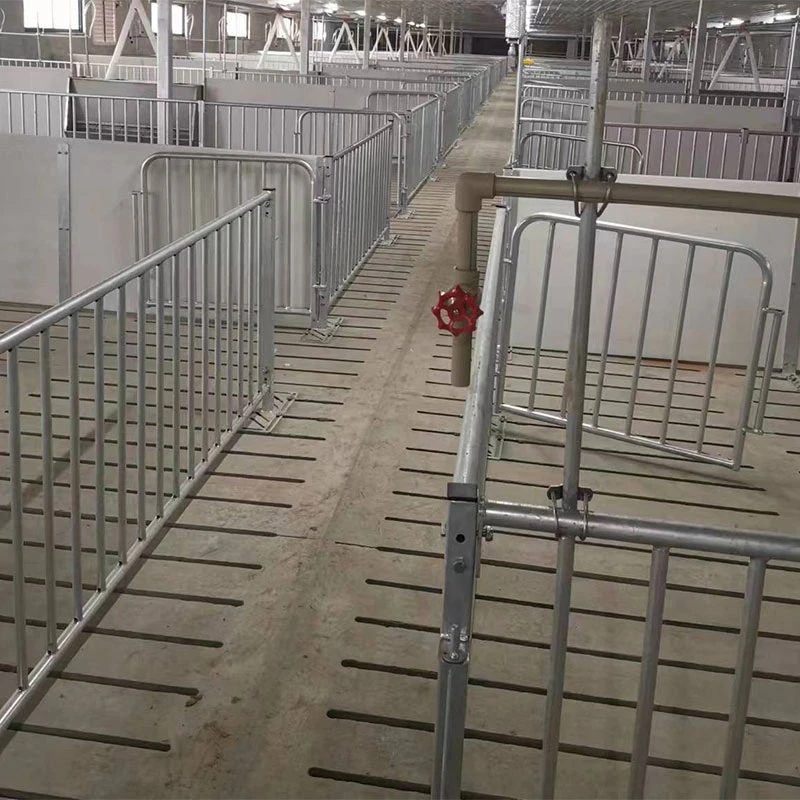
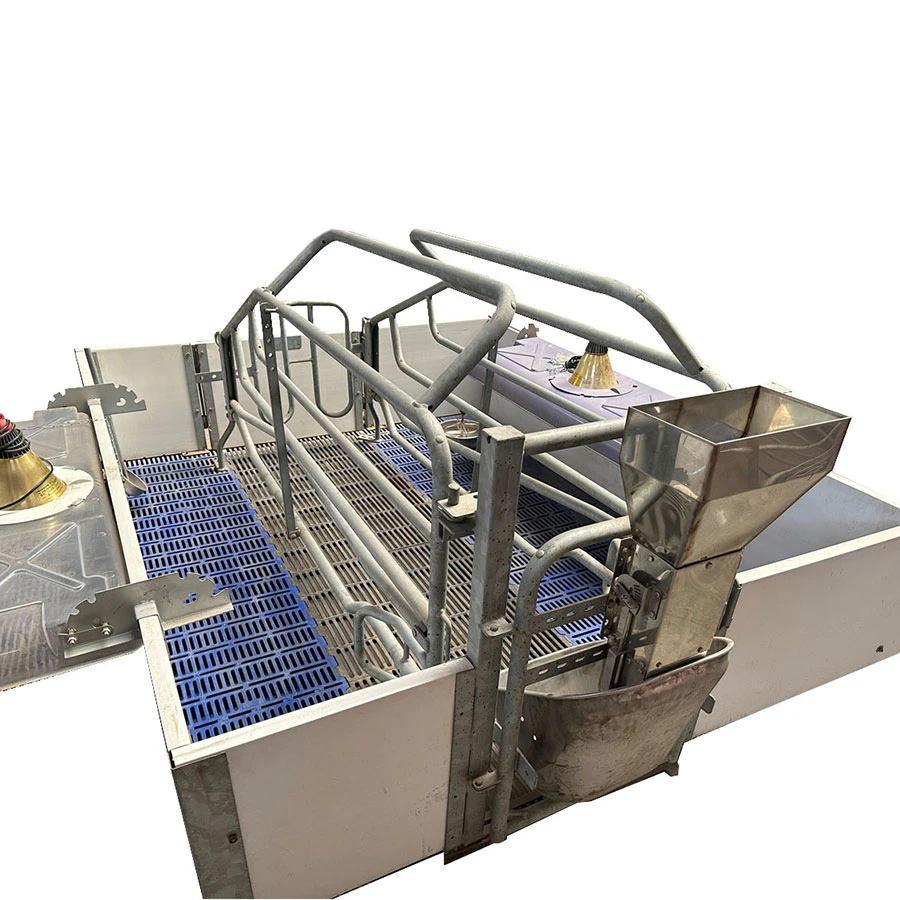
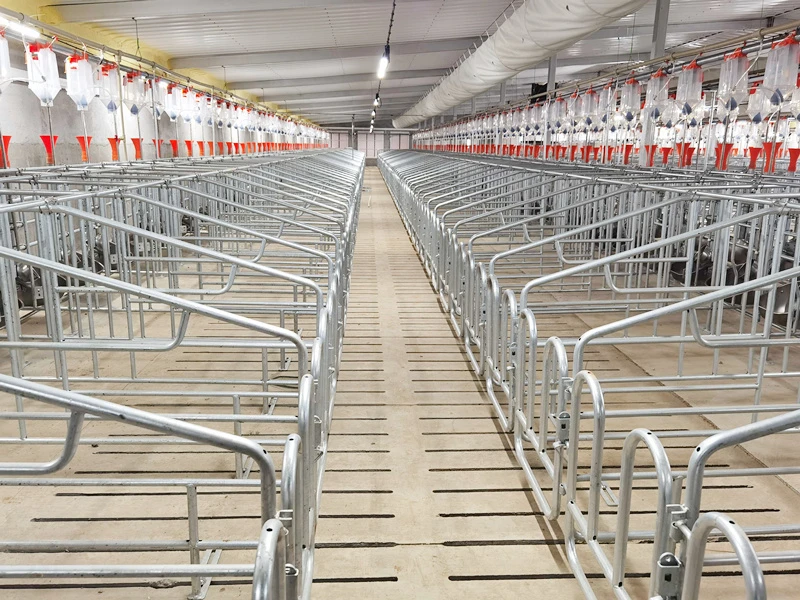
Simply put, a gestation pen is a designated space where pregnant animals — especially sows — are kept during their pregnancy period (gestation). These pens differ from farrowing pens (for birthing) or nursery pens (for piglets). The primary goal is to provide an environment that balances mobility and safety, reduces fighting between animals, and maintains optimum hygiene and access to feed and water.
In terms of modern agriculture or humanitarian needs (like supporting rebuilding efforts after disasters), gestation pens also serve as a modular, controlled environment where vulnerable animals are least likely to get injured or fall ill. They’re a mix of practicality, science, and a bit of art in design.
Key Features of Modern Gestation Pens
Durability and Materials
Most pens are built from galvanized steel or heavy-duty plastics designed to withstand harsh weather, animal activity, and cleaning agents. Durability matters because pens often get reused season after season. Frankly, the last thing anyone wants is a rusted or broken fence just when a sow needs containment the most.
Space Allocation and Comfort
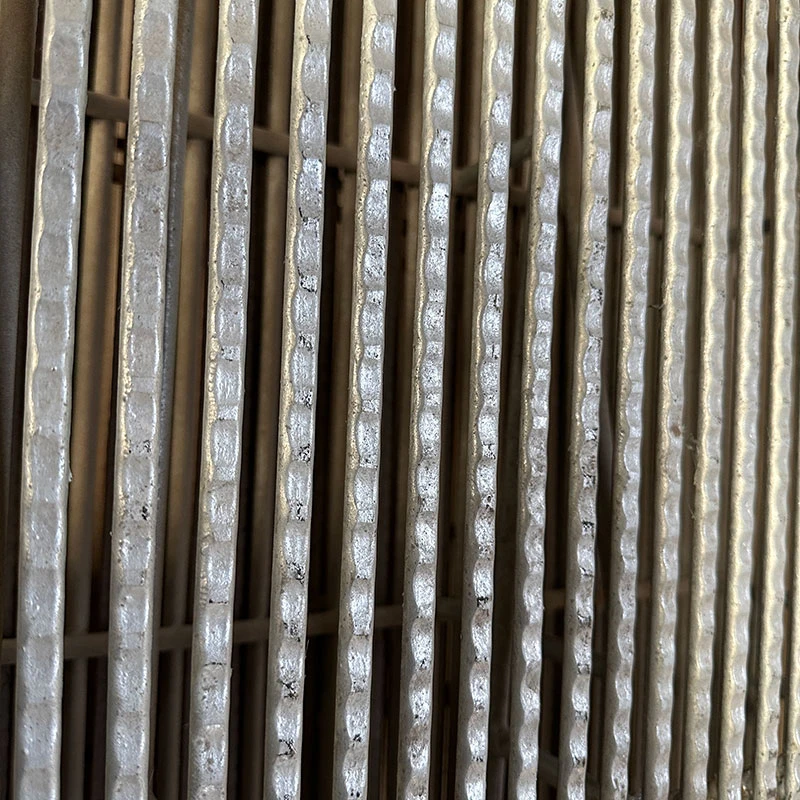
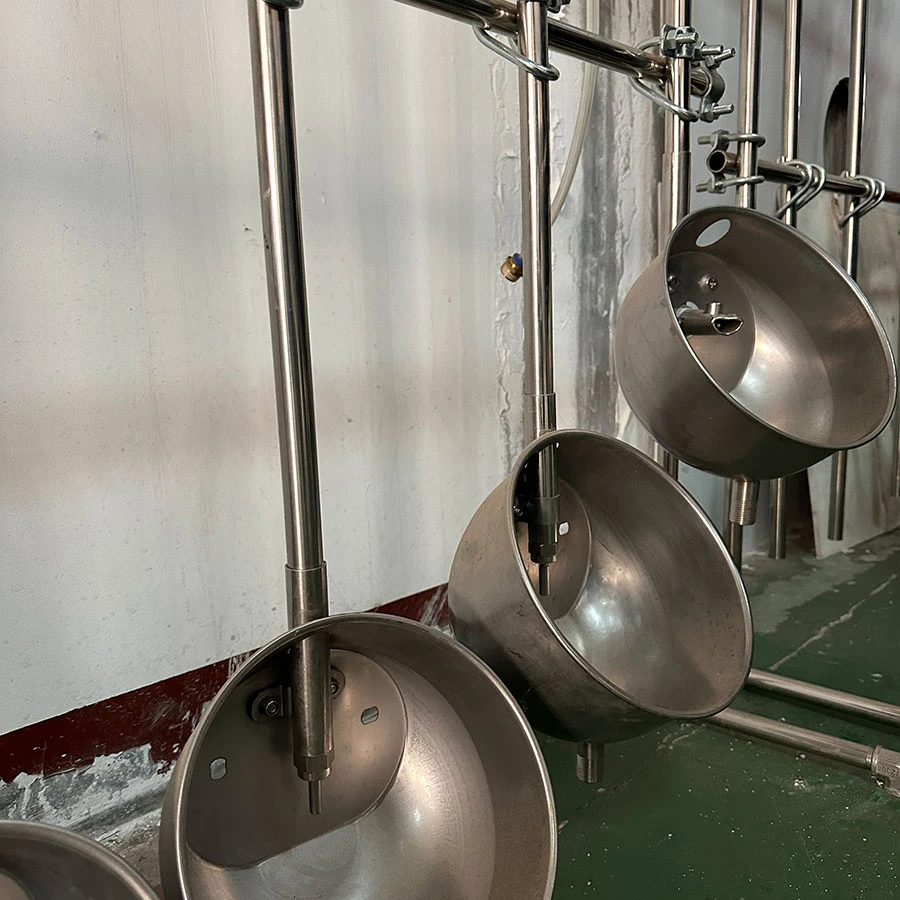
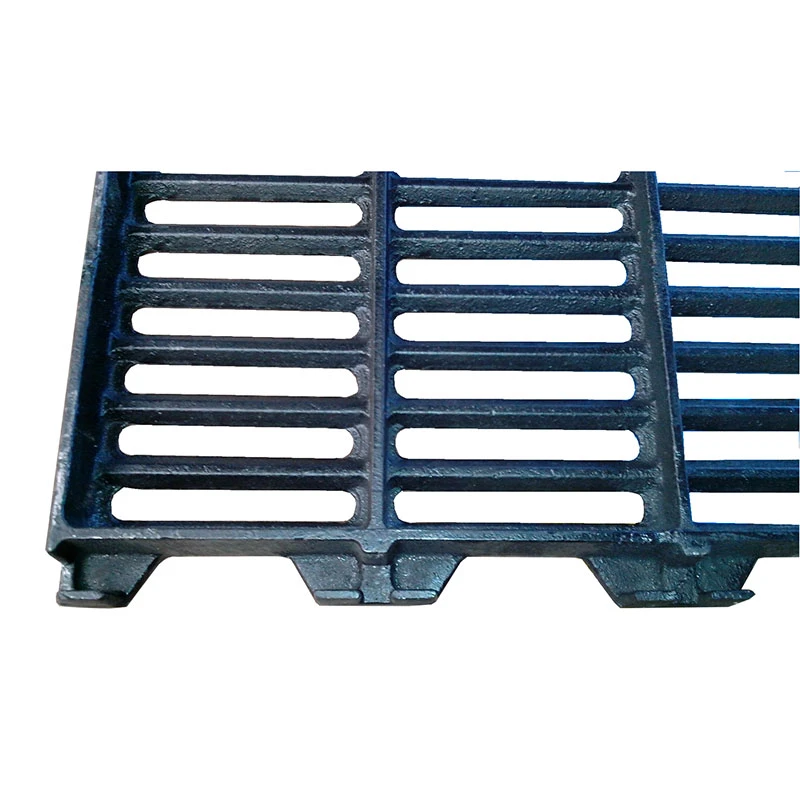
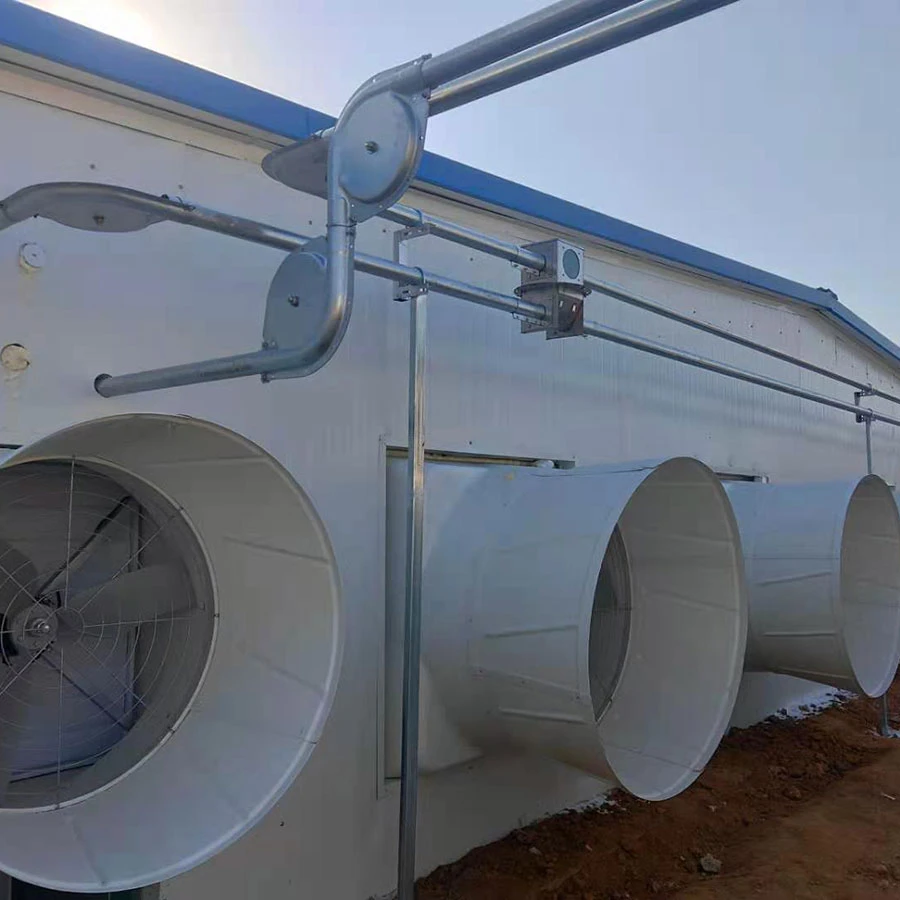
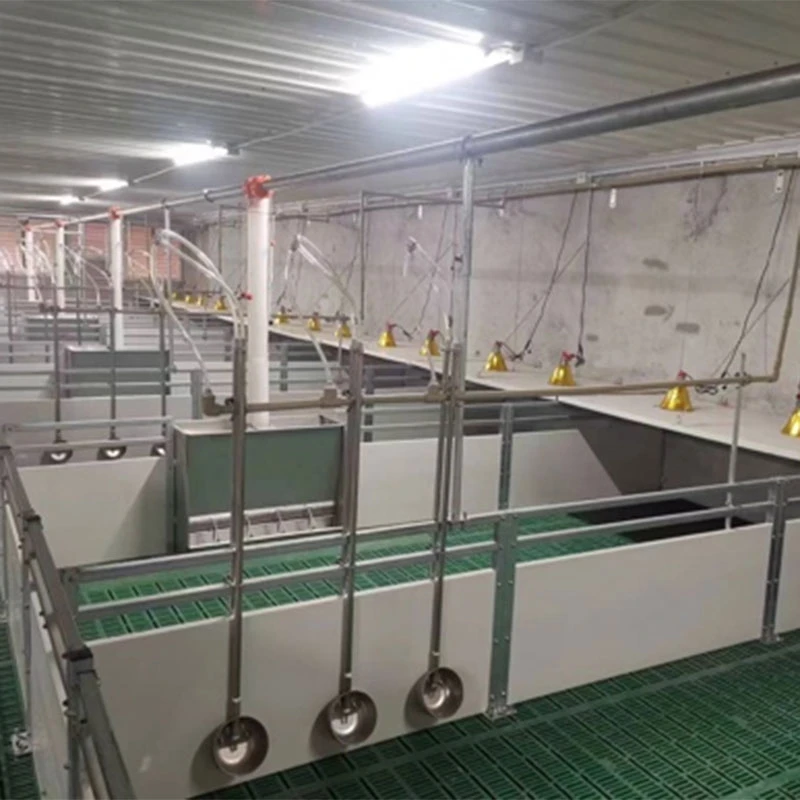
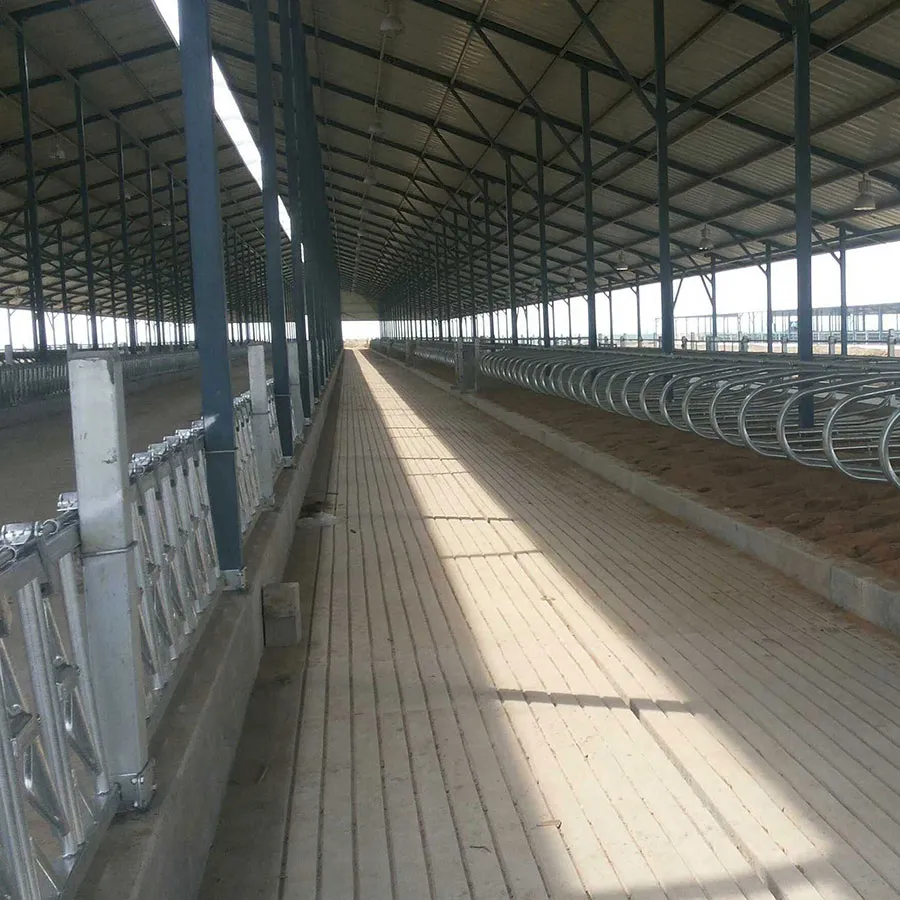
Ensuring the pen is large enough for animals to lie down comfortably yet not so big that aggression rises is a balancing act. Many experts promote designs aligned with animal welfare standards – allowing natural behaviors while preventing injury. This means slatted floors for cleanliness, non-slip surfaces, proper ventilation, and easy access to food and water.
Scalability and Adaptability
Commercial farms often need hundreds of pens that can be reconfigured or expanded quickly. Modular pens with quick-assembly frames and panels are increasingly popular — they make maintenance easier and help farms adapt to fluctuating demand.
Cost Efficiency
Beyond the upfront cost of materials and labor, operating expenses matter. Pens that reduce disease outbreaks and improve sow pregnancy rates (and thus litter sizes) help farmers maximize ROI. The challenge is finding the sweet spot between affordable and functional.
Ease of Cleaning and Hygiene
High hygiene standards help reduce infections and disease. Pens designed with slatted floors and smooth surfaces simplify manure removal. Many farms invest in automated cleaning systems nowadays—a boon for labor efficiency.
Global Applications and Real-World Examples
From the massive farms of the United States and Brazil, boasting thousands of gestation pens with the latest tech, to community livestock projects in Southeast Asia helping small farmers upgrade traditional pens — the concept spans the globe.
Take for example gestation pen implementations in post-Hurricane rebuilding efforts in the Caribbean. There, temporary pens crafted from prefab panels gave recovering farmers a fighting chance, safeguarding pregnant sows from tropical storms and stray animals.
In northern Europe, cold climate adaptations include insulated pens and automated heating, showcasing how the design varies according to regional needs.
| Gestation Pen Specification | Details |
|---|---|
| Material | Galvanized steel or HDPE panels |
| Size (typical range) | 6-8 square meters per sow |
| Flooring | Slatted polypropylene or concrete |
| Ventilation | Natural or mechanical air flow |
| Assembly Time | 2-4 hours per pen (modular designs) |
| Maintenance | Year-round, seasonal cleaning required |
Who’s Leading the Market?
Choosing a trusted vendor matters. They can offer warranties, customized designs, and swift delivery. Here’s a quick look at current vendors:
| Vendor | Product Range | Customization | Price Range (per pen) | Global Shipping |
|---|---|---|---|---|
| AgriPens Inc. | Standard & Heavy Duty | Yes, modular options | $400 - $700 | Yes |
| Livestock Solutions | Eco-friendly panels | Limited | $350 - $600 | Europe & Asia |
| QuickBuild Farms | Portable & Quick Assembly | Highly customizable | $500 - $800 | North America, Global export |
Why Invest in Quality Gestation Pens? The Long-Term Benefits
Cost savings are obvious: healthier pregnancies mean fewer veterinary bills and higher litter survival rates. But beyond the money, there’s a deeper appreciation for animal welfare. It feels good (and frankly, the right thing) to create environments where animals experience lower stress levels.
Better conditions improve reliability and trust between farmers and consumers. As traceability and ethical sourcing grow in importance, companies that invest in quality gestation pens often find their products gaining preference in markets worldwide — not just for price, but reputation.
Emerging Trends: What’s Next for Gestation Pens?
The future is pretty exciting. Innovations in smart farming now enable sensors inside pens to monitor sow health, behavior, and even detect early pregnancy complications. Materials science is advancing too — biodegradable plastics or solar-powered components are entering the arena.
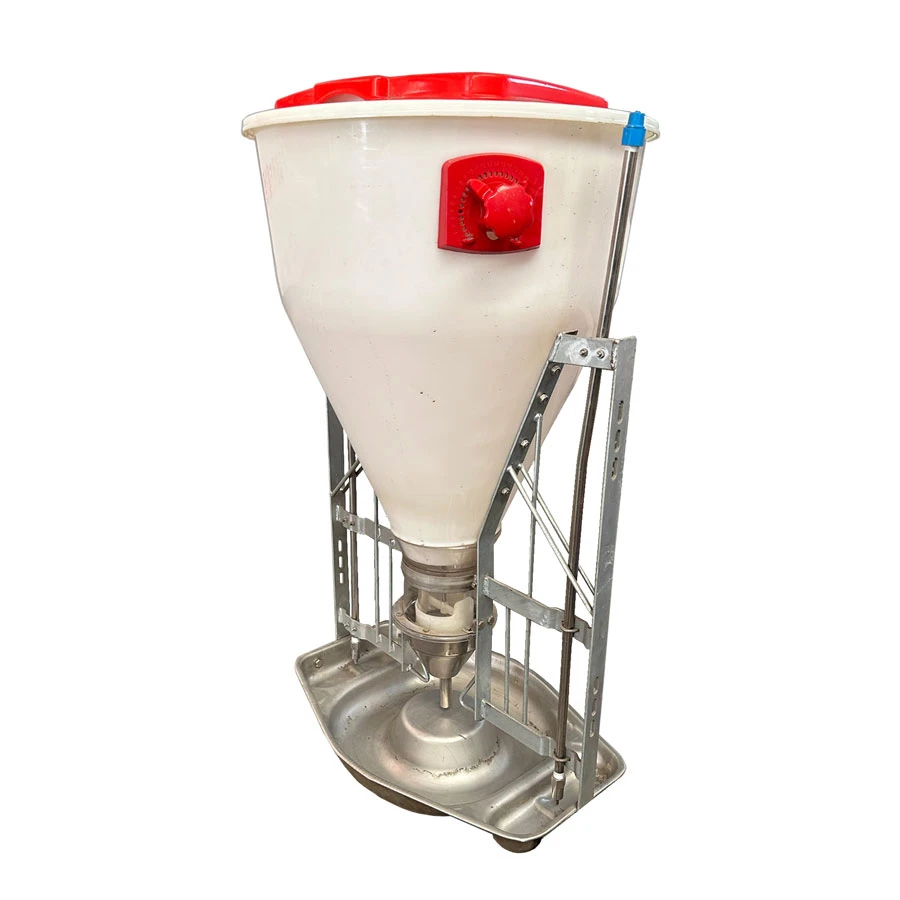
Automation for feeding and waste removal reduces labor and enhances sanitation. We might even see digitally controlled microclimates inside pens, especially in extreme weather zones. All this aligns with the broader push for sustainable, resource-efficient agriculture.
Common Challenges and How Experts Suggest Tackling Them
Not everything’s perfect — issues like initial cost, lack of local expertise, or maintenance hurdles persist. Often, smallholders find large-scale pens too expensive or bulky, while big farms struggle with pen flexibility.
Experts often recommend modular, scalable systems for such reasons, plus training programs. Grants and subsidies from development agencies sometimes help bridge affordability gaps, especially in low-income countries.
FAQ: Quick Answers About Gestation Pens
- Q: How much space does a gestation pen typically require?
A: Usually between 6 to 8 square meters per sow, allowing enough room to lie down comfortably without excessive shared space that might encourage fighting. - Q: Can gestation pens be used for other livestock?
A: While most are designed for sows, with adaptation they can house other animals like goats or sheep, provided space and safety considerations are met. - Q: Are gestation pens compliant with animal welfare laws?
A: Many modern pens meet or exceed global welfare standards. Choosing ISO-certified products helps ensure compliance. - Q: How do I clean and maintain a gestation pen effectively?
A: Regular cleaning with water and disinfectants, combined with slatted floors for waste management, helps maintain hygiene. Automated cleaning systems are increasingly common. - Q: What’s the average lifespan of a gestation pen?
A: With proper maintenance, most pens last 5-10 years or more, but materials and usage intensity influence longevity.
Wrapping It Up: Why the Gestation Pen Deserves Attention
There’s no question that the humble gestation pen sits at a vital nexus — health, productivity, welfare, sustainability. For anyone involved in livestock management (from commercial titans to development NGOs), understanding and adopting the right pens can pay off manifold.
Curious to explore options? Visit our website at https://www.cxlivestock.com for detailed product specs, expert advice, and tailored solutions. Because at the end of the day, livestock welfare and farm success go hand in hand.
And as always, keep asking questions — it’s how progress happens.
References:
1. FAO - Livestock and Environment
2. ISO Animal Welfare Standards
3. Wikipedia - Pig Farming
Post time: Dec . 02, 2025