The Practical Guide to Hog Crates: Balancing Efficiency and Animal Welfare
If you’ve skimmed the headlines or worked even briefly in livestock management, you’ve probably heard the term hog crates thrown around a lot. These simple yet pivotal structures have quietly underpinned a global industry crucial for food security, animal husbandry, and agricultural economics — yet they often remain misunderstood or controversial. Today, let’s unpack what hog crates really are, why they matter on a global scale, and explore the technical and humane harmony they aim to strike.
Why Hog Crates Matter Globally: An Industry at the Crossroads
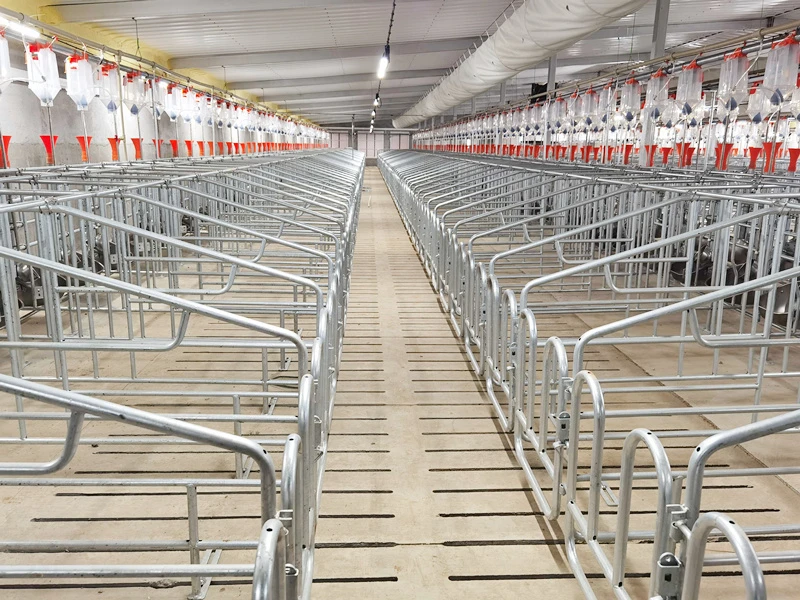
The world produces more than 110 million metric tons of pork every year, making it one of the most consumed meats globally — and demand is still growing, especially in Asia and parts of Latin America (source). Hog crates, also called gestation or farrowing crates depending on their design, are essential in managing breeding sows and piglets safely and efficiently. They help reduce injuries, manage feeding, and control contagion in intensive farming setups.
However, as much as they’re vital for scaling food production to meet global needs, hog crates also spark discussions about animal welfare, sustainability, and consumer transparency. The challenge the industry faces — noticeably reflected in changing regulations in Europe and North America — is how to balance productivity with ethically sound practices. That pressure demands innovative tweaks in crate design, materials, and farm management protocols.
Mini takeaway: Hog crates stand at the intersection of global food security and evolving ethics, pushing producers toward smarter, humane, and scalable solutions.
What Exactly Are Hog Crates?
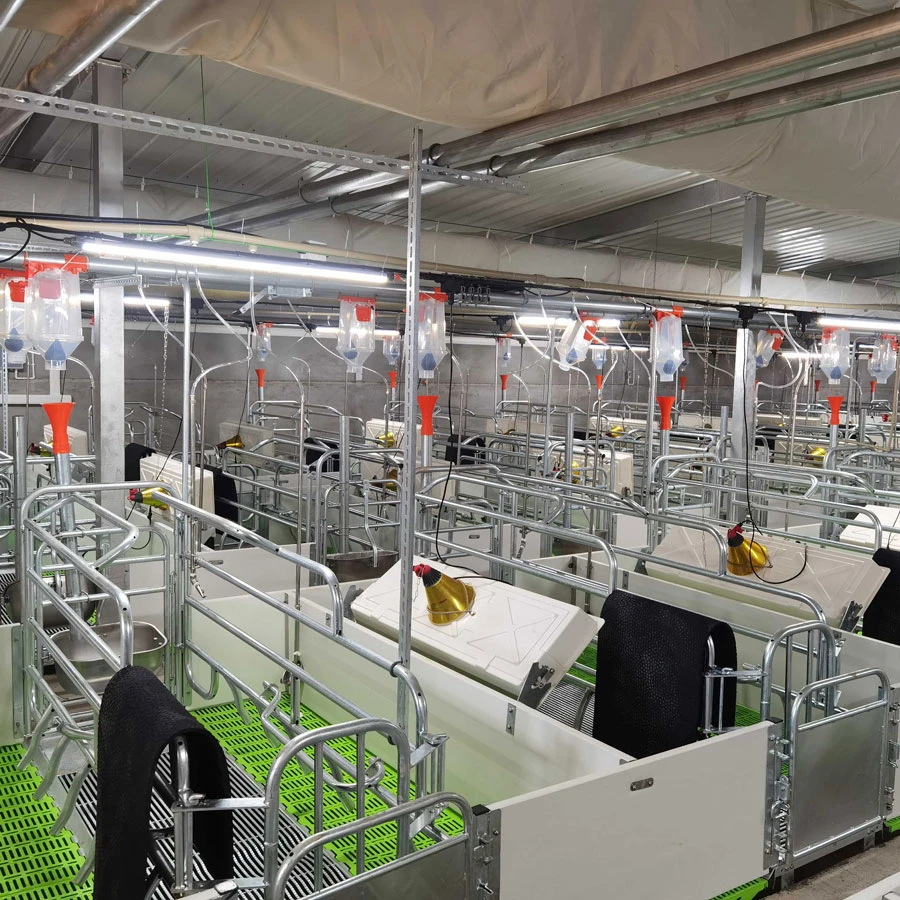
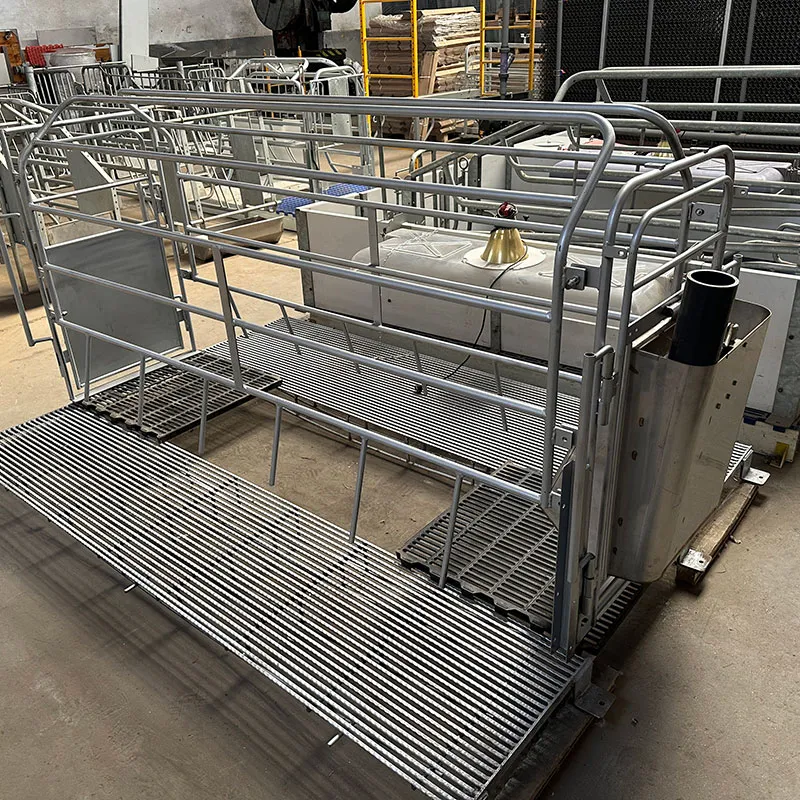
In plain terms, a hog crate is a confined enclosure designed to house one or a few pigs — usually sows during pregnancy and after farrowing (giving birth). The primary idea is to restrict movement enough to reduce fighting between animals or accidental injury to piglets, while providing adequate space for basic welfare needs.
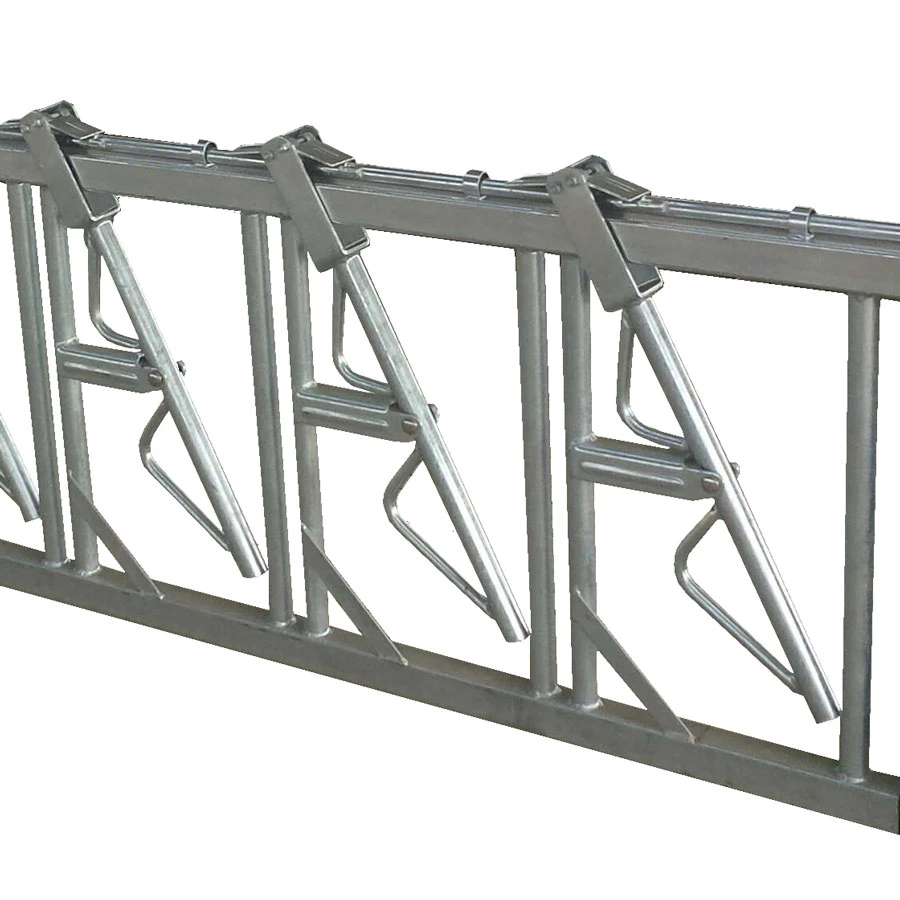
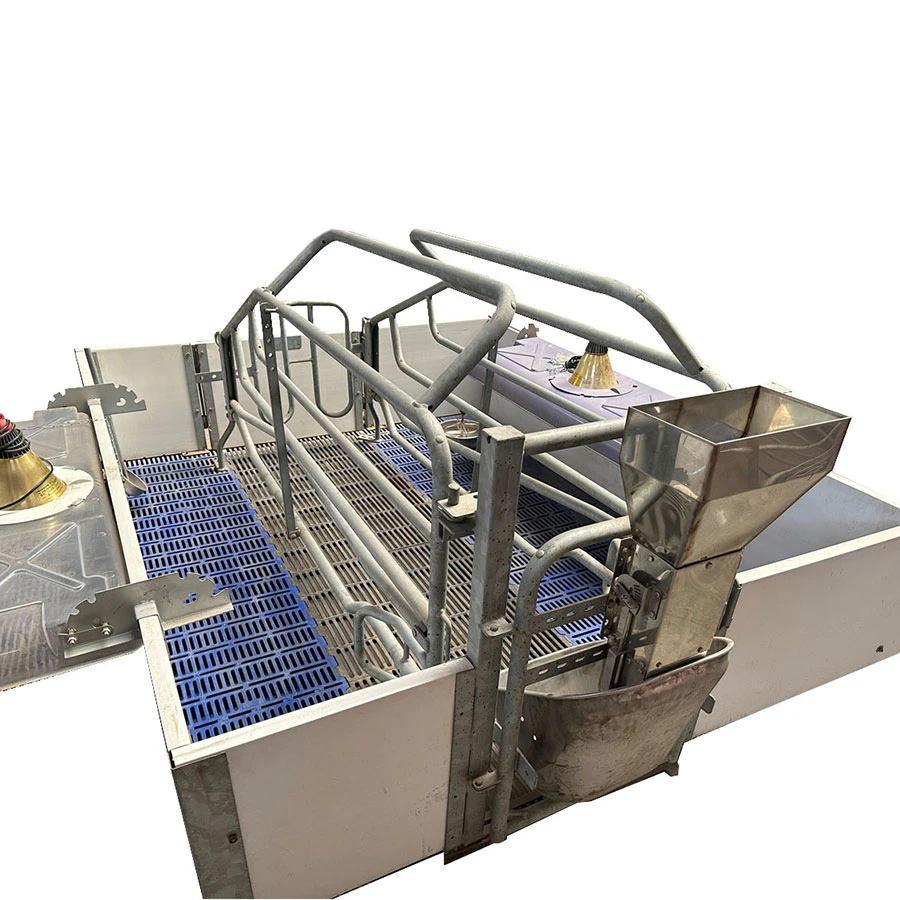
Modern hog crates are typically made of metal or reinforced plastic and vary widely in size and design, from simple gestation stalls to more complex farrowing crates that offer limited movement for the sow and protection zones for piglets. They are a remarkably practical answer to large-scale breeding that simultaneously addresses biosecurity, labor efficiency, and some welfare concerns.
The connection to humanitarian or broader agricultural assistance lies in how hog crates optimize resource use and help stabilize protein supplies, especially in regions vulnerable to food insecurity.
Mini takeaway: Hog crates are specialized pens tailored to maximize productivity and safety in pig farming, marrying engineering with animal care considerations.
Core Components of Hog Crates and Why They Matter
Durability and Materials
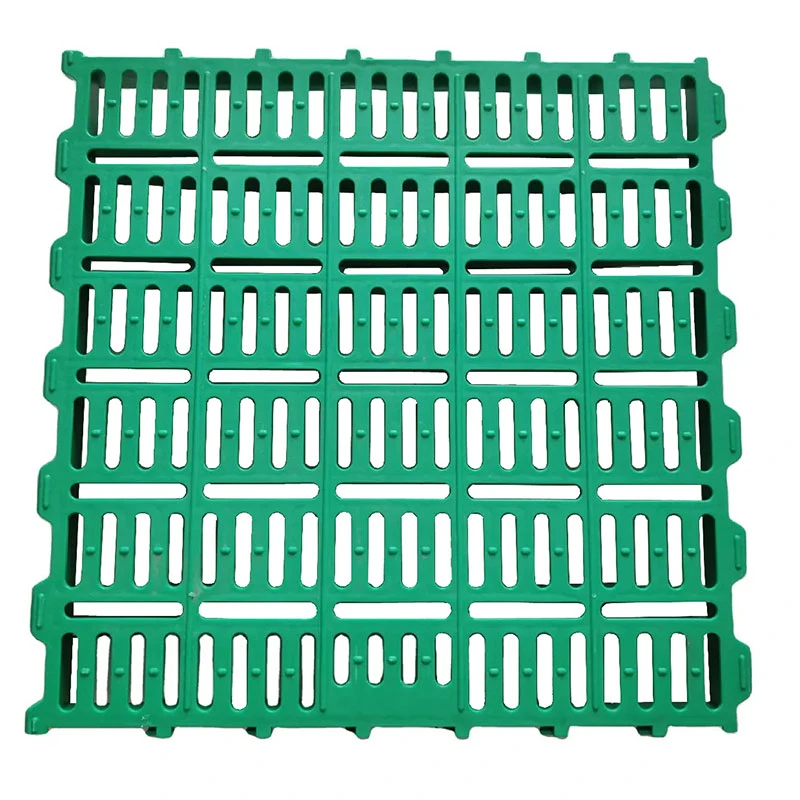
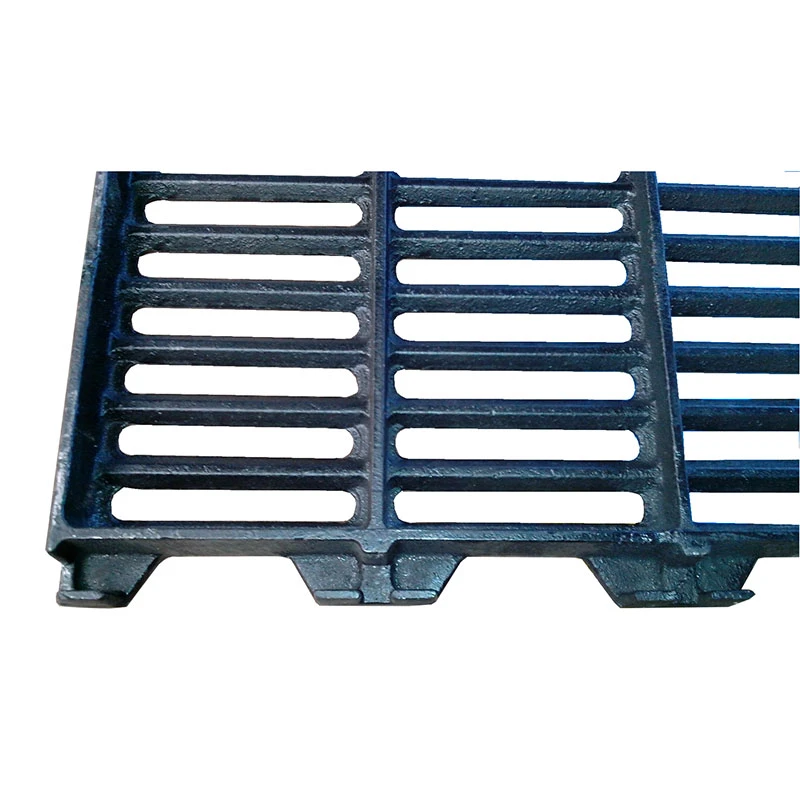
Many hog crates are constructed from galvanized steel or heavy-duty plastic composites, designed to endure moisture, waste, and constant use. This longevity is crucial because frequent replacements would hike operational costs and disrupt farm logistics. Oddly enough, the choice of material also plays into hygiene — smooth surfaces reduce bacteria buildup, improving animal health.
Scalability and Modular Design
Farms often expand or contract, and pig populations fluctuate seasonally. Modular hog crates allow producers to quickly reconfigure or add units. This adaptability reflects a key advantage in a volatile agricultural market where flexibility can save time and money.
Cost Efficiency
How much space and material is allocated per animal directly links to feed use, energy expenditure, labor needs, and ultimately profitability. Efficient crate design balances minimizing wasted space while preventing overcrowding-related stress or injury.
Animal Welfare Features
Newer crates incorporate features like nesting areas, soft flooring, and adjustable widths to accommodate animal growth stages. I’ve heard from some farmers that comfort isn’t just ethical — it actually correlates strongly with healthier animals and higher reproductive success.
Ventilation and Waste Management
Proper airflow and efficient waste handling systems integrated with hog crates reduce disease spread and odor, improving overall facility conditions — good for the animals and the workers.
Safety and Handling Accessibility
Well-designed crates offer farmers safe access for feeding, medical treatment, and cleaning. This protects both handler and hog from injury, making routine management less stressful.
Mini takeaway: The design philosophy behind hog crates tackles a multifaceted puzzle: combining durable, flexible, cost-sensitive construction with progressive welfare improvements.
Real-World Applications: Hog Crates Across the Globe
From large-scale farms in the Midwest United States to family-run operations in Brazil, hog crates shape how pork production occurs practically everywhere. For example:
- North America: Advanced farrowing crates with electronic monitoring systems are emerging to automate environmental controls and piglet safety alerts.
- China: The largest pork consumer and producer has adopted modular plastic crates in recent years to improve hygiene and meet tightening laws.
- Europe: Stringent welfare regulations favor larger pens that improve natural behaviors while still controlling piglet crushing risks.
- Developing regions: NGOs and fair trade farms apply cost-effective, reusable hog crates to boost protein access and livelihoods.
One memorable case happened in a midwestern farm cooperative where introducing adjustable hog crates increased litter survival rates by over 12%, a meaningful impact on their bottom line and community nutrition.
Mini takeaway: Hog crates adapt to diverse regional conditions, reflecting a blend of tradition, regulation, and innovation tailored to local needs.
Advantages and Lasting Benefits of Using Hog Crates
At its best, hog crate use means:
- Reduced piglet mortality: Minimizes crushing and fights.
- Improved biosecurity: Limits disease spread.
- Better resource use: Controlled feeding and waste management.
- Enhanced animal welfare: New designs support natural behaviors more than older models.
- Improved farmworker safety: Controlled environments mean less risk for handlers.
Besides the logical benefits, there is an emotional component too — farmers often develop real bonds with their animals and genuinely want tools that ensure dignity and health, not just productivity.
Product Specification Table: Typical Hog Crate Models
| Feature | Basic Gestation Crate | Standard Farrowing Crate | Adjustable Comfort Crate |
|---|---|---|---|
| Dimensions (L×W×H, in) | 72×24×42 | 84×30×46 | 84×36×48 (adjustable) |
| Material | Galvanized steel | Galvanized steel + plastic panels | Stainless steel + composite plastics |
| Weight (lbs) | 120 | 140 | 150 |
| Max Animals | 1 sow | 1 sow + piglets | 1 sow + piglets |
| Ventilation Features | Basic openings | Integrated vents | Smart airflow controls |
Vendor Comparison: Leading Hog Crate Manufacturers
| Vendor | Product Range | Customization Options | Sustainability Practices | Price Range (USD) |
|---|---|---|---|---|
| AgriSteel Corp | Basic to advanced crates | Size & material choices | Recycled steel sourcing | $200 - $450 |
| FarmTech Solutions | Modular and monitoring-enabled | Ventilation & sensor add-ons | Energy-efficient manufacturing | $350 - $700 |
| GreenHog Industries | Eco-friendly composite crates | Fully adjustable designs | Biodegradable materials, circular economy | $450 - $900 |
Looking Ahead: Innovations and Trends in Hog Crate Technology
New wave innovation is sprouting around smart farming solutions. Imagine hog crates embedded with sensors to monitor sow movement, temperature, or stress levels, triggering alerts for caretakers if something’s amiss. That sort of digital transformation could quickly boost animal welfare while optimizing labor.
On the material front, composites made from recycled ocean plastics or biodegradable resins might soon replace steel to lower environmental footprints without compromising durability. There’s also growing interest in designs encouraging natural sow behaviors — less strict confinement but with piglet protection. The UN’s Sustainable Development Goals push livestock farms toward eco-friendly, socially responsible tech, and hog crates are no exception (source).
Mini takeaway: Hog crates are evolving fast, powered by IoT, materials science, and increasing welfare standards — it’s a sector worth watching.
Common Challenges and How Experts are Addressing Them
Despite their benefits, hog crates face criticism for restricting animal movement, sometimes leading to stress or physical problems like sores. Farmers also grapple with costs upfront and the maintenance of advanced crates. Not to mention, small-scale producers may find high-tech models inaccessible.
Rising consumer pressure has experts urging for alternative designs that balance sow freedom with piglet safety. Some farms experiment with enriched pens or group housing as partial solutions. Plus, ongoing research into ergonomic layouts and materials aims to minimize stress indicators.
FAQ About Hog Crates
- What are the main differences between gestation and farrowing crates?
- Gestation crates are meant primarily for pregnant sows to restrict movement safely during pregnancy, while farrowing crates include design features like protective rails and heated areas to help piglets safely feed and grow post-birth.
- Are hog crates legal worldwide?
- Regulations vary widely. Many European countries have banned or restricted traditional gestation crates, favoring group housing. North America and Asia have more lenient rules but are seeing increasing welfare standards.
- Can hog crates be customized for small farms?
- Yes, many vendors offer modular crates of different sizes and materials that accommodate farm scale, environmental needs, and budget - making them accessible beyond industrial farms.
- Is it possible to integrate electronic monitoring in hog crates?
- Absolutely. Growing smart farming solutions now embed sensors for temperature, humidity, and sow activity to optimize health and alert farmers in real time.
- How do hog crates impact animal welfare?
- While crates improve piglet survival and reduce injuries, restricted movement raises concerns. Welfare improvements focus on enriched environments and gradual shifts to freer, safer housing systems.
Wrapping It Up — Why Hog Crates Continue to Be Essential
Like many tools in agriculture, hog crates are far from perfect but invaluable. They make large-scale pork production safer and more predictable. Most importantly, ongoing innovation means they’re becoming gentler on animals and more aligned with today’s sustainability and welfare demands. For farmers, investors, and consumers alike, paying attention to the humble hog crate unlocks a window into how food systems balance quantity, quality, and conscience.
If you’re involved or curious about hog crates and want to explore practical options, check out hog crates for detailed offerings and expert advice tailored to modern farming.
References
Post time: Dec . 02, 2025