Hog Equipment: The Backbone of Efficient Swine Management Worldwide
At first glance, hog equipment might sound like dry, technical stuff—tractors, feeders, pens—but it’s really the unsung hero of global agriculture and food security. More than just tools, this equipment supports the backbone of pork production worldwide, helping farmers scale operations sustainably, maintain animal welfare, and meet an ever-growing demand for protein. Understanding the nuances and innovations behind hog equipment is increasingly vital—not just for big agribusiness, but for smallholder farmers, governments, and humanitarian agencies aiming to stabilize food supplies.
Why It Matters Globally
The Food and Agriculture Organization of the United Nations reports that pork accounts for roughly 38% of global meat consumption¹. In a world where the population is expected to reach nearly 10 billion by 2050, efficient hog farming—underpinned by the right equipment—is crucial. Poor-quality infrastructure can lead to disease spread, low productivity, and economic losses for families relying on hogs as main income sources. So, the stakes are high.
Moreover, in various developing regions, the right hog equipment can mean the difference between thriving small-scale farms and food insecurity. On another note, advanced hog equipment reduces environmental impacts, something the global community is keenly focused on.
Defining Hog Equipment
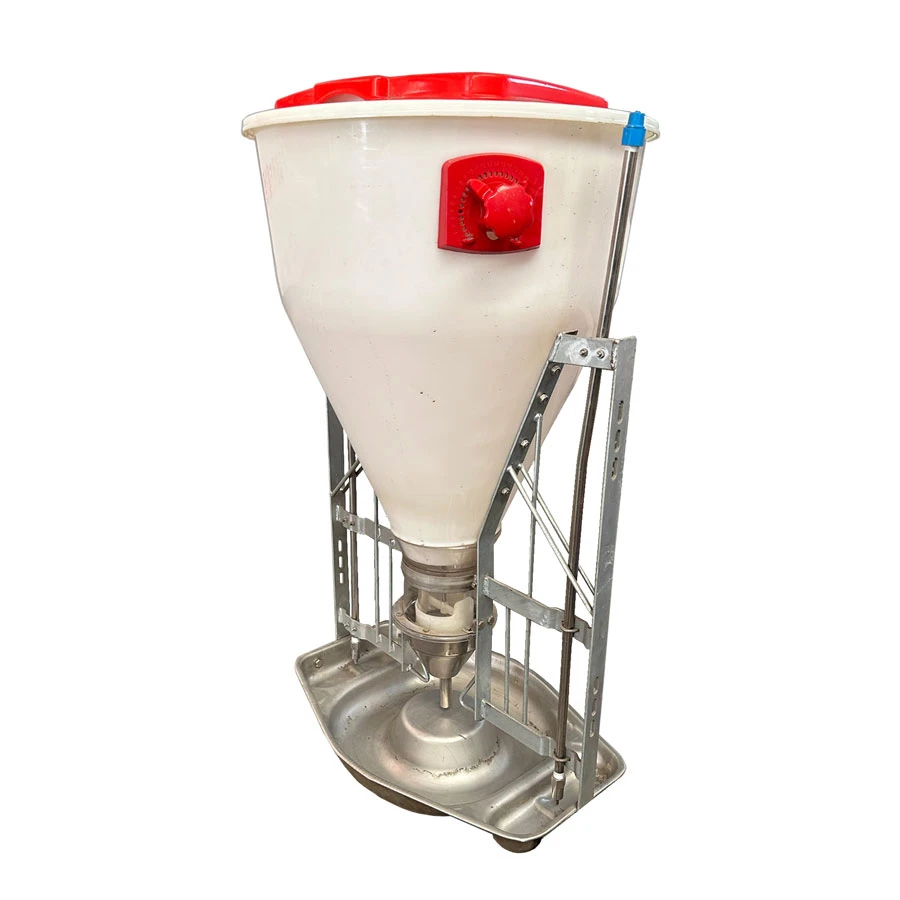
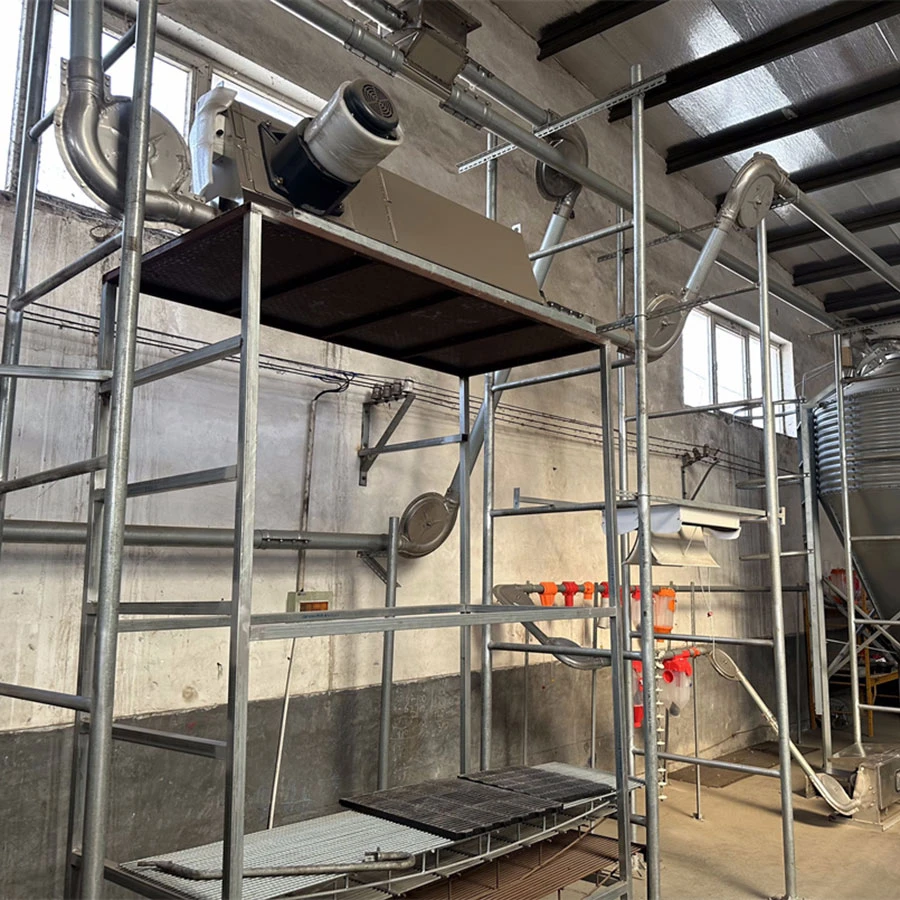
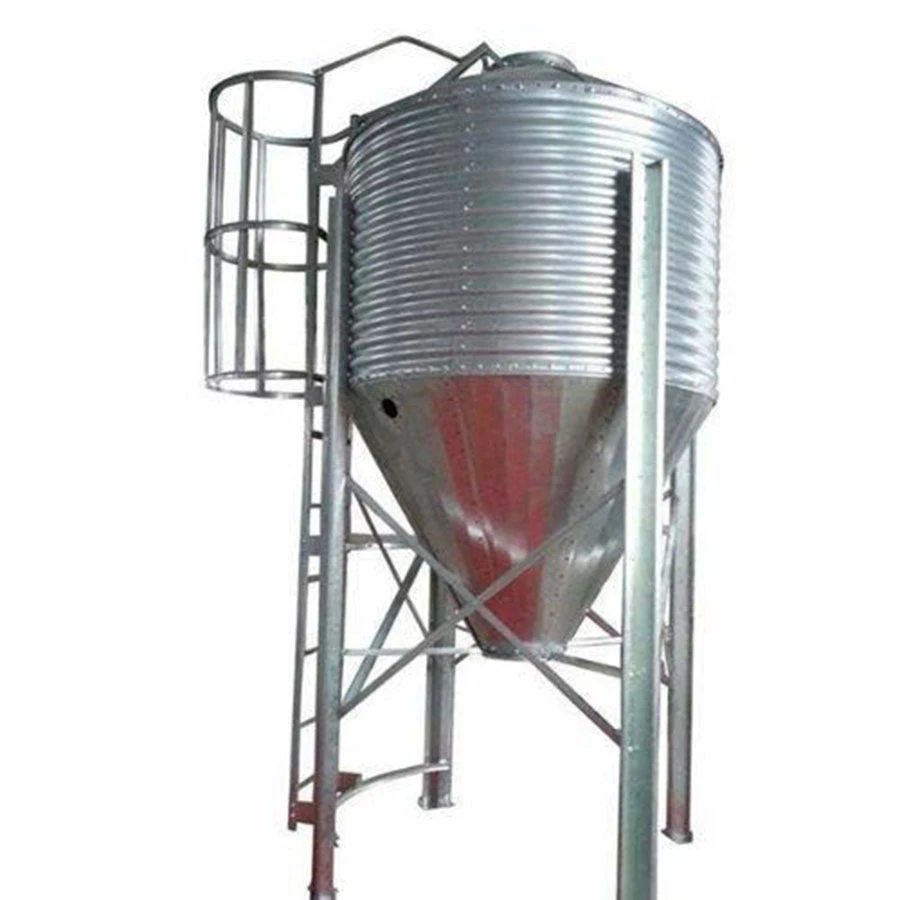
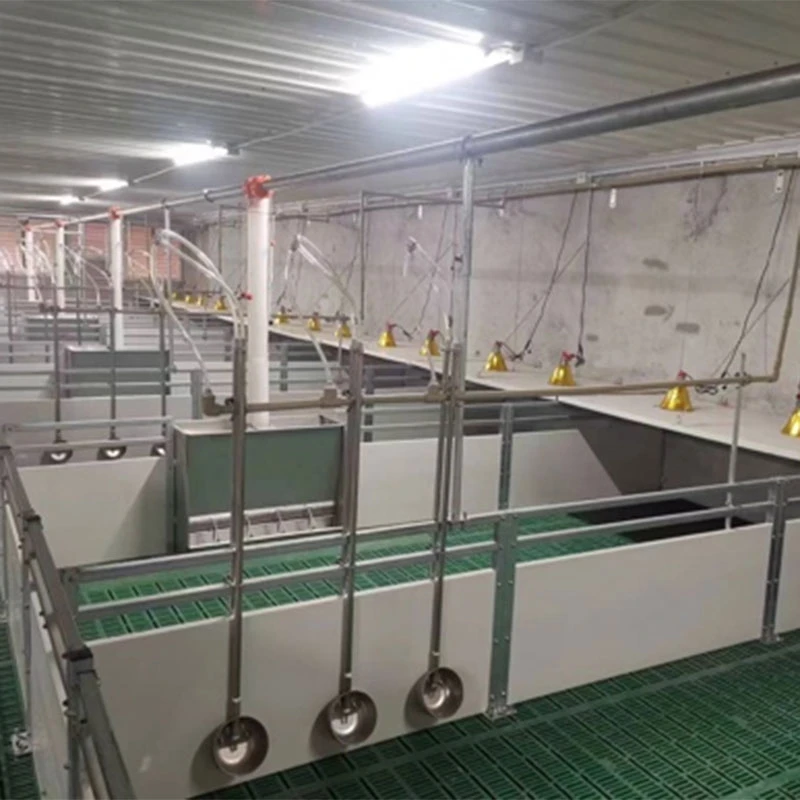
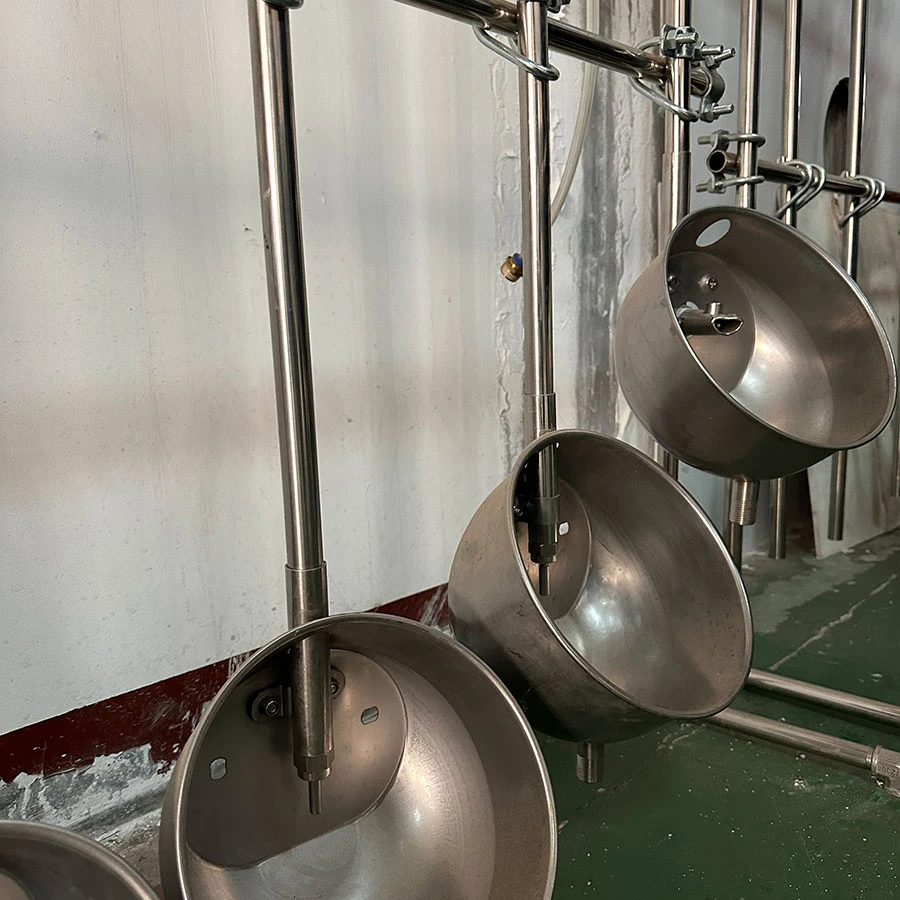
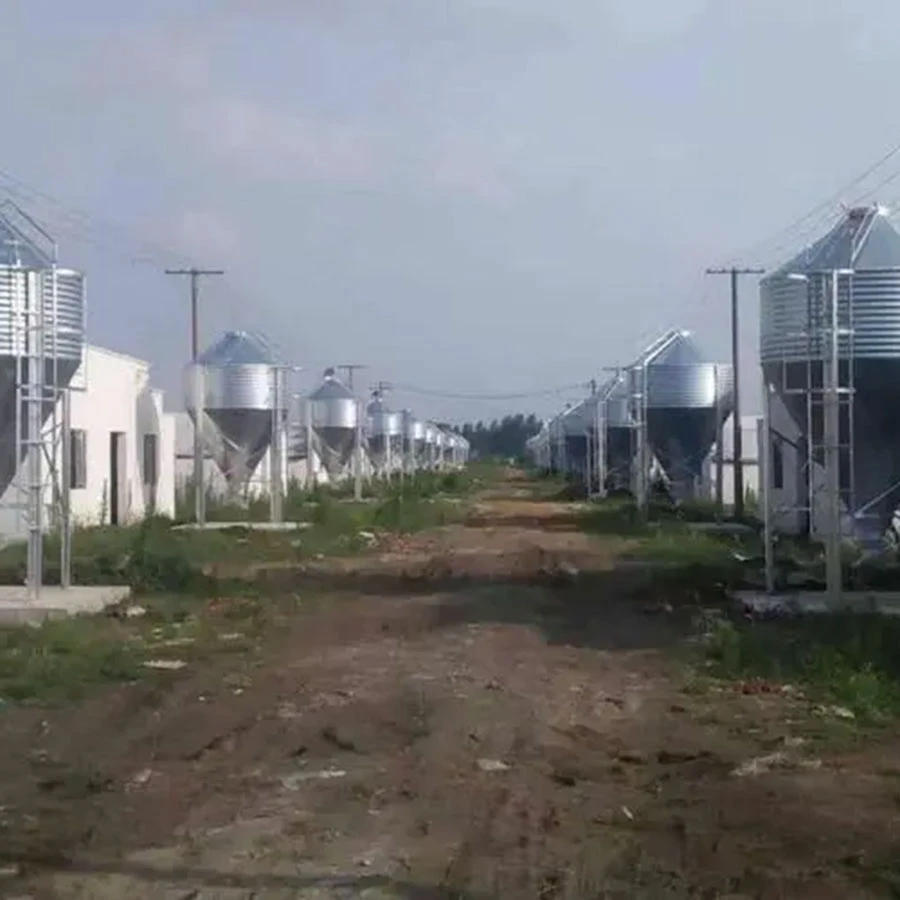
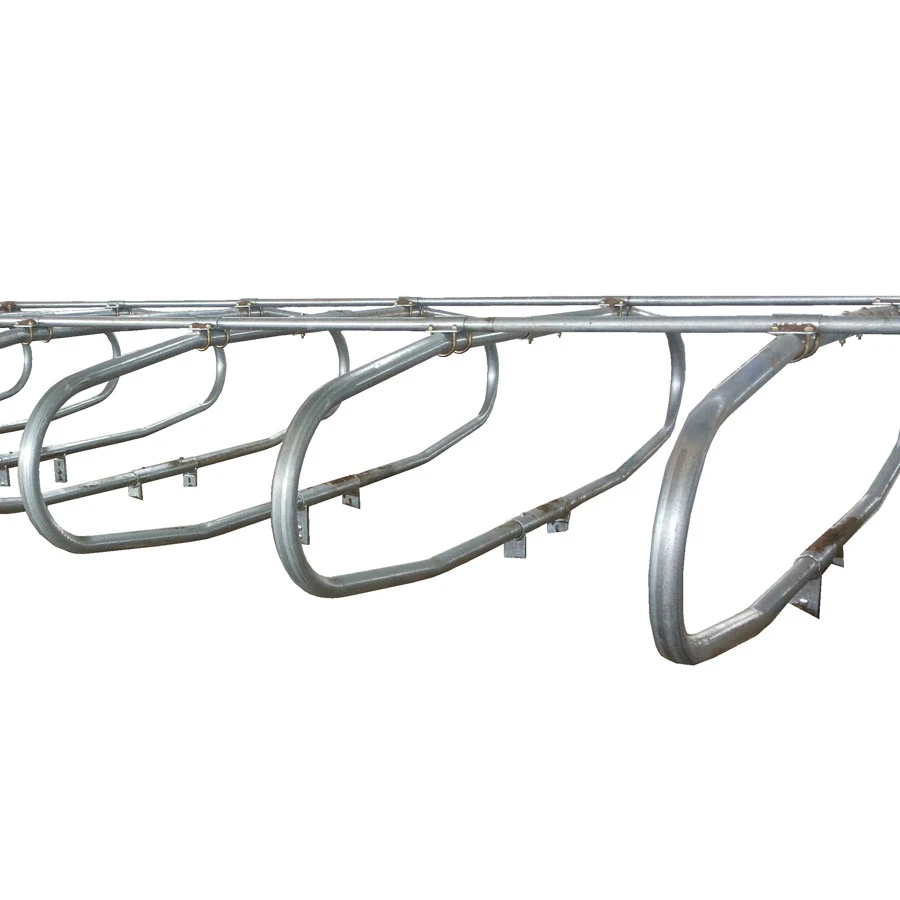
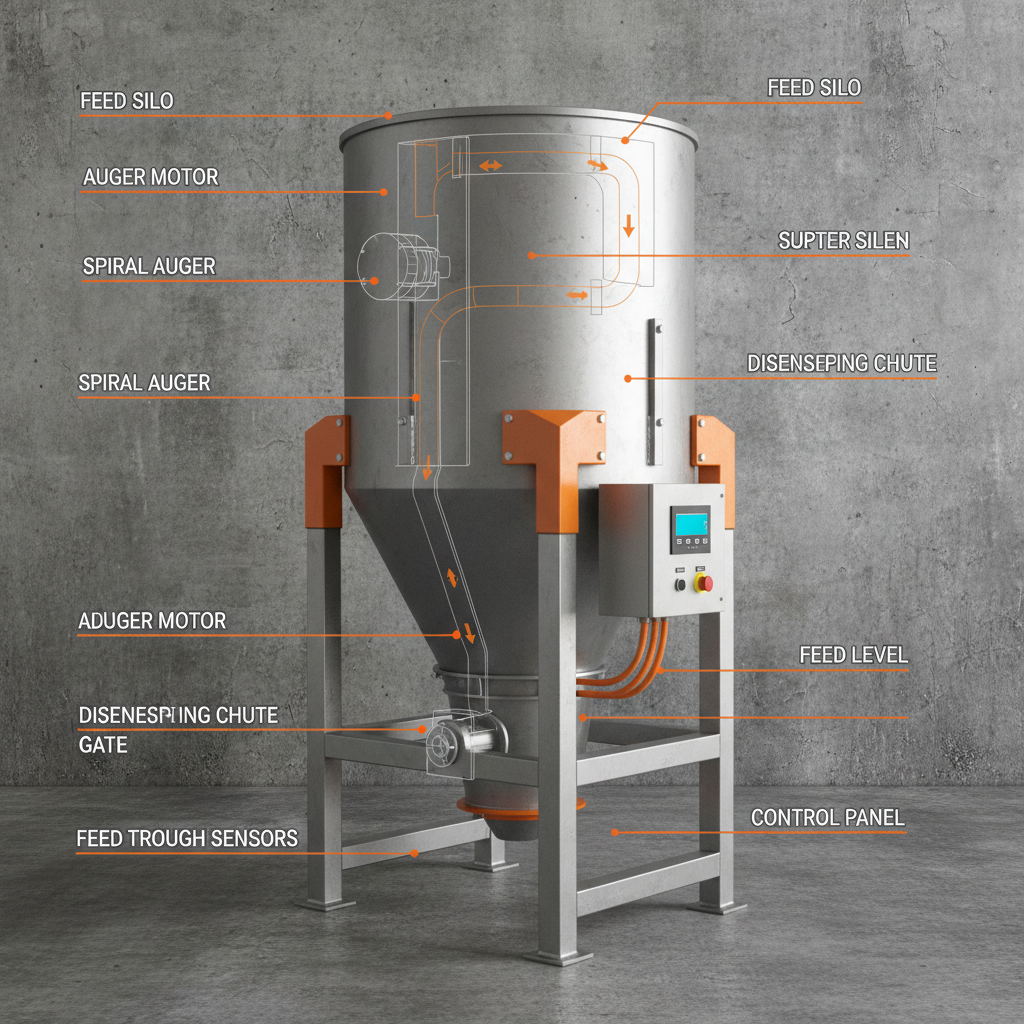
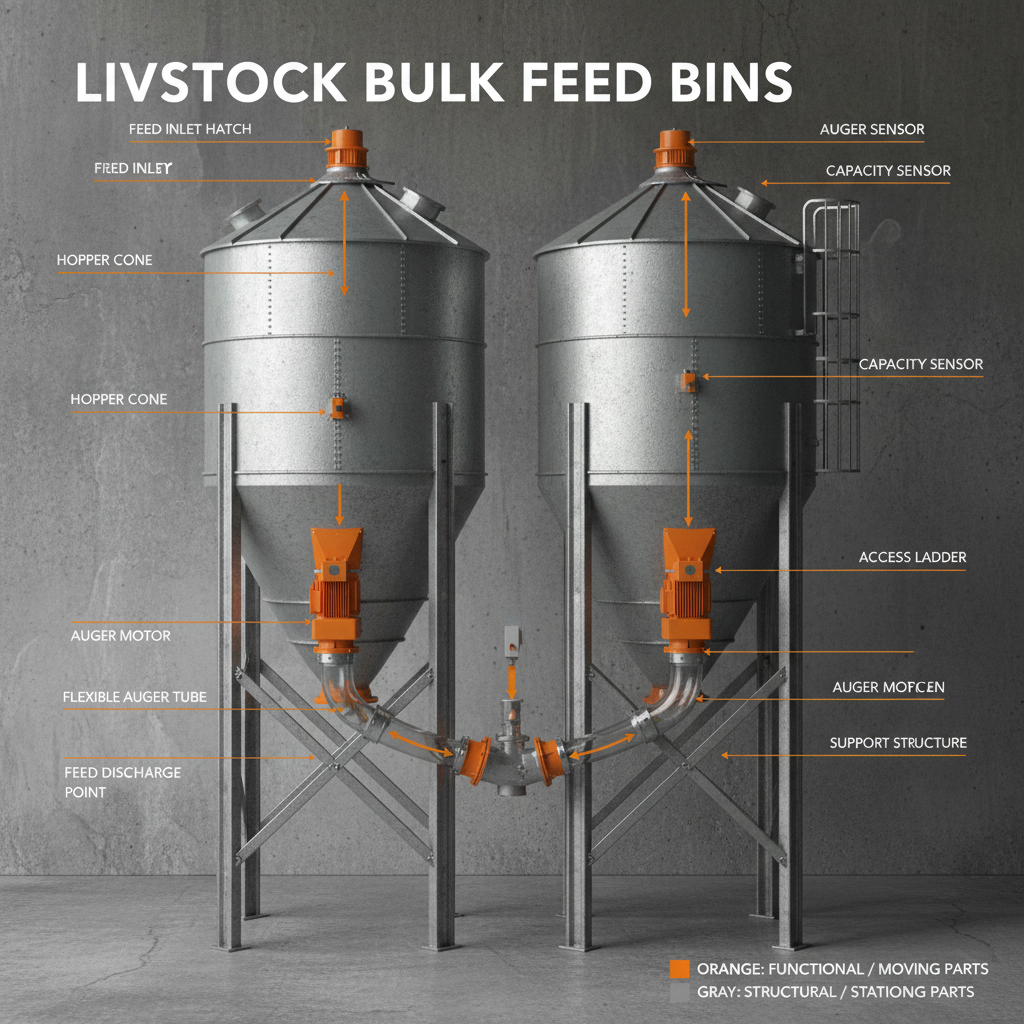
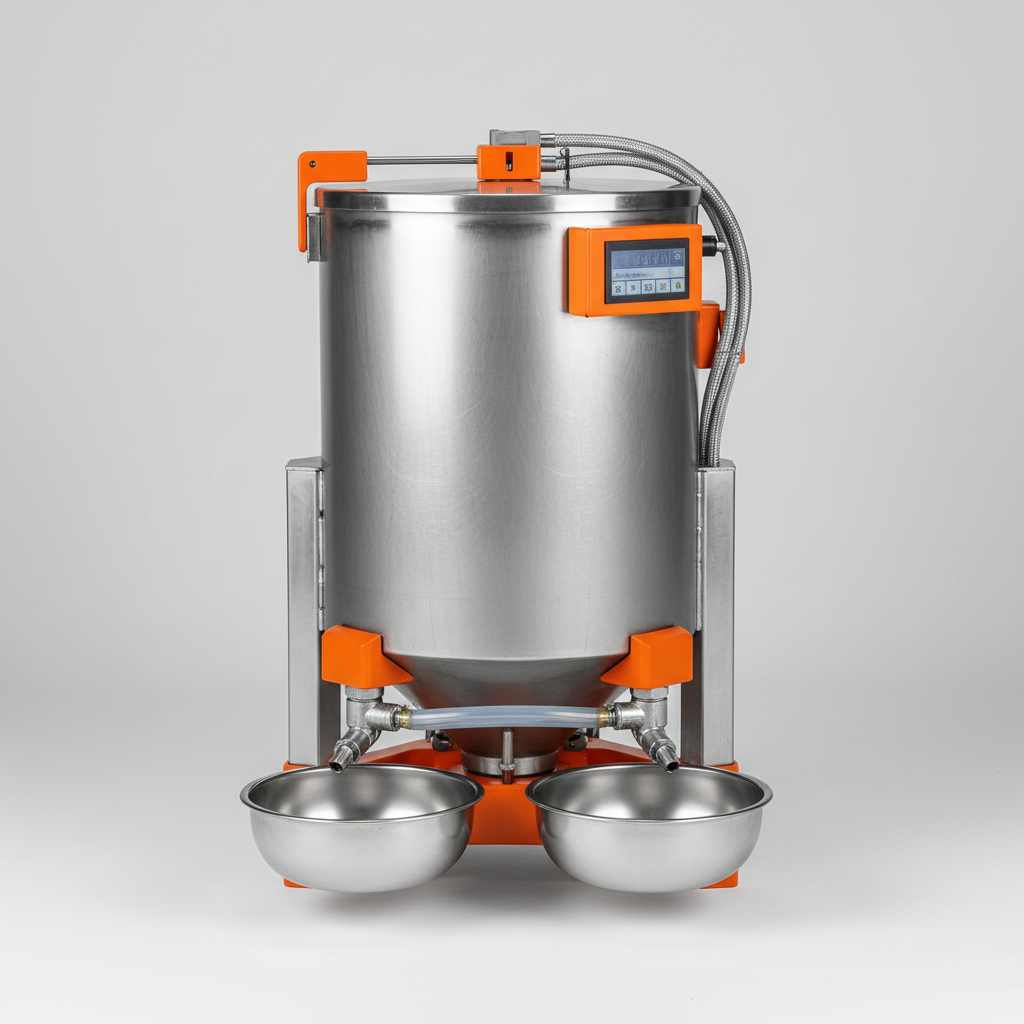
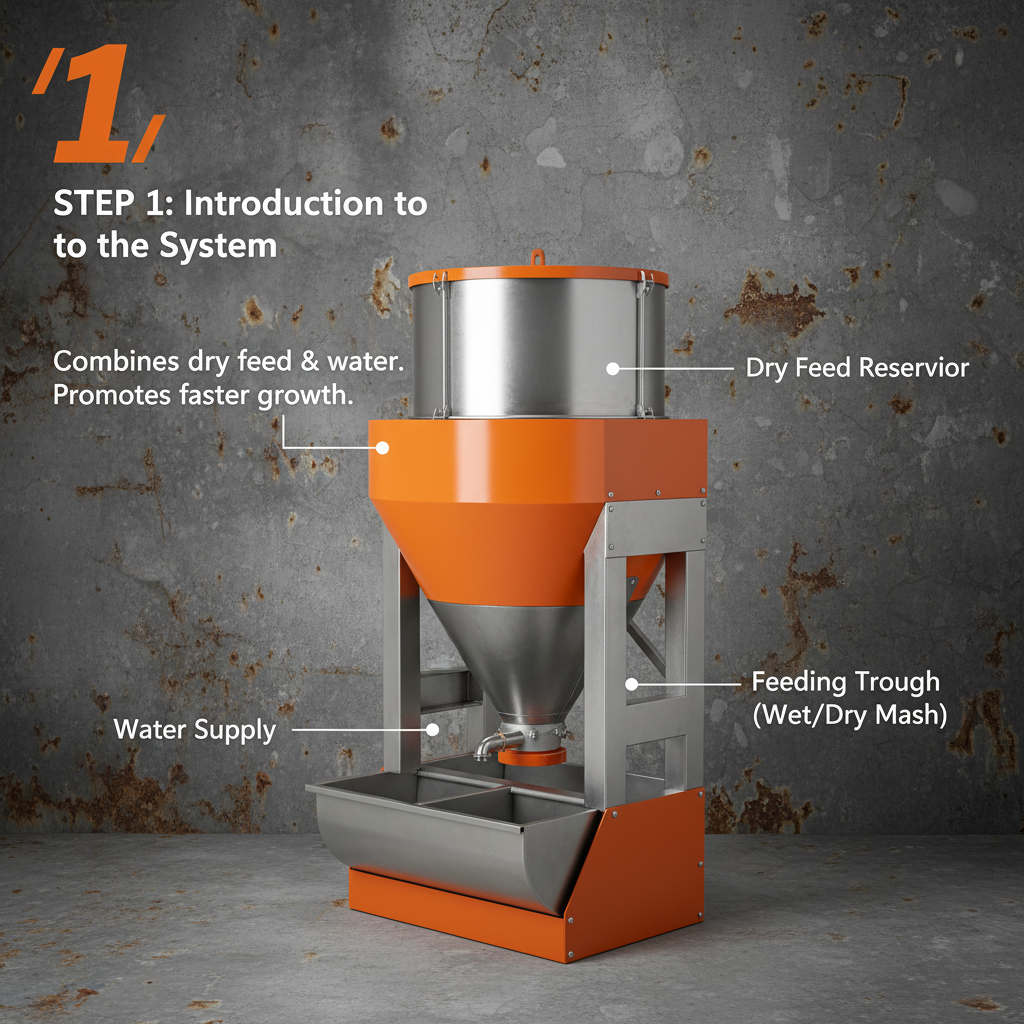
In simple terms, hog equipment encompasses all the tools, machinery, and structures used to raise, feed, house, and manage pigs effectively. This includes everything from feeders, waterers, ventilation systems, farrowing crates, to waste handling apparatus.
While it sounds straightforward, this equipment directly ties into modern agricultural standards and increasingly, into humanitarian needs. For example, in regions ravaged by natural disasters, rapid-deployment modular hog equipment allows displaced farmers to resume pig rearing quickly, aiding economic recovery.
Core Components of Effective Hog Equipment
Durability
When you’re working out in the fields or barns, equipment built to last really matters. Whether it’s galvanized steel feeders resistant to rust or heavy-duty plastic waterers that don’t crack under freezing temperatures, durability means less downtime and replacement costs. Many engineers say it’s the first thing you think about—but oddly enough, often overlooked in favor of upfront price.
Scalability
Farmers don’t stay the same size forever, and hog equipment needs to grow with them. Modular pens or stackable feeders allow incremental expansion without a complete overhaul. This means smallholders can upgrade step-by-step, avoiding those all-or-nothing investments that sometimes crush local operations.
Cost Efficiency
It’s tempting to chase the cheapest gear, but long-term operational costs like maintenance, feed waste, or energy consumption often outweigh the initial price. For example, automated feeders might have higher upfront costs but save money over time by accurately dispensing food, reducing waste.
Animal Welfare and Biosecurity
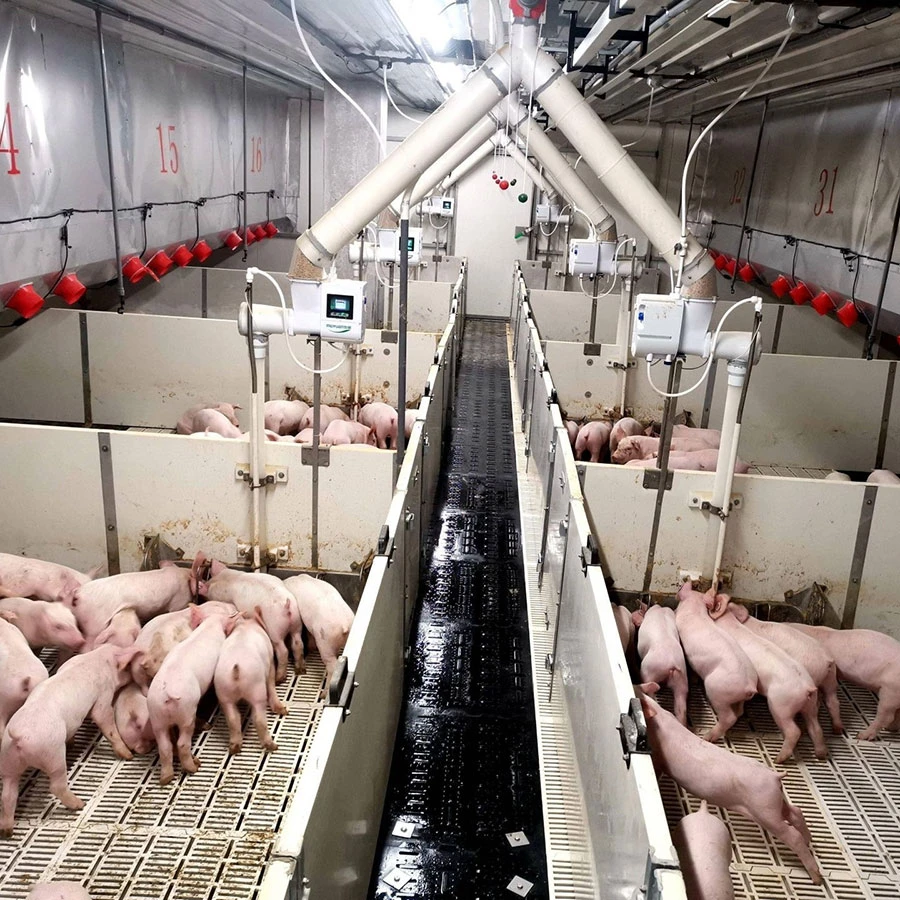
This one’s vital. Proper hog equipment supports healthier animals by ensuring adequate space, clean water, and clean air. Specialized farrowing crates, ventilation systems, and waste management equipment reduce disease risks. After all, healthy pigs are productive pigs, and that means better returns for farmers.
Environmental Sustainability
Modern hog equipment also takes the environment into account, reducing emissions and runoff through advanced waste treatment systems or energy-conscious designs. Many farms now see sustainability as part of their core investment rather than an optional extra.
Easy Maintenance and Cleaning
In real terms, equipment that’s difficult to clean or fix simply gets ignored or poorly maintained, which spirals into bigger problems. Designs that allow quick dismantling, stainless steel surfaces, or simple access panels contribute greatly to efficiency.
Global Applications and Real-World Use Cases
Across Europe, North America, and increasingly Asia and Latin America, hog equipment is adapted to suit climates, regulations, and farm sizes. For instance:
- In Denmark: High-tech automated feeding systems integrate with IoT to optimize nutrition and monitor pig health remotely.
- Vietnam and the Philippines: Smallholder farmers rely on affordable, modular housing and feeders that resist tropical humidity.
- Post-disaster zones: NGOs distribute prefab hog equipment kits to quickly restore livelihoods after floods or earthquakes.
Oddly enough, some of the most impressive innovation comes not from big industry but from local cooperatives designing simple, rugged feeders or waterers from reclaimed materials—proving ingenuity often beats capital.
Mini takeaway
Hog equipment adapts to very different needs globally, from high-tech setups to rudimentary but effective systems in developing economies.
Advantages and Long-Term Value of Hog Equipment
Good hog equipment isn’t a “nice to have” — it’s a long-term investment yielding:
- Reduced operational costs—thanks to efficient feed dispensing and durable materials.
- Improved animal health and welfare, leading to higher productivity and fewer disease outbreaks.
- Enhanced environmental compliance—helping farms meet tightening regulatory requirements.
- Social impact benefits—stable livelihoods for rural communities and increased food security.
- Peace of mind—knowing that your equipment can handle the stresses of day-to-day farming.
There’s an almost emotional angle here, too. Farmers develop trust in their equipment and, by extension, their ability to support families and communities. That connection can’t be underestimated.
Future Trends and Innovations in Hog Equipment
Looking ahead, hog equipment is set for exciting upgrades influenced by technology and sustainability:
- Automation and IoT: Sensors monitoring feed, water, temperature, and pig activity help optimize conditions automatically.
- Eco-friendly materials: There’s a push to replace plastics and metals with biodegradable or recycled components.
- Energy-efficient waste treatment: Systems that convert manure into energy or fertilizer on-site are gaining traction.
- Modular designs: Rapid deployment units for disaster response or quick farm expansion.
Digital mapping and AI-supported management software are becoming common, raising the bar on precision hog farming.
Challenges with Current Hog Equipment and Solutions
Of course, no solution is perfect. Some ongoing challenges are:
- High initial capital investment: Prevents adoption by small-scale farmers—microfinancing and subsidies can help.
- Maintenance knowledge gaps: Poor upkeep due to lack of training leads to failures—extension services and online tutorials are mitigating this.
- Climate variability: Equipment designed for one region may fail elsewhere—customizable local solutions are emerging.
With the right collaboration between manufacturers, governments, and farmers, these hurdles become manageable.
Product Specifications of a Typical Hog Feeder System
| Specification | Value |
|---|---|
| Material | Galvanized steel & high-density polyethylene |
| Capacity | 100 kg feed per hopper |
| Dimensions | 120 cm (L) x 60 cm (W) x 90 cm (H) |
| Feeding Type | Automatic timed dispensing |
| Power Source | Solar panels / battery backup |
| Durability | 10+ years with maintenance |
Vendor Comparison: Top Hog Equipment Providers
| Vendor | Product Range | Price | Geographical Focus | Unique Selling Point |
|---|---|---|---|---|
| AgriEquip | Feeders, Pens, Waste Systems | $$ | North America, Europe | Advanced automation integration |
| FarmTech Solutions | Modular housing, Feeding lines | $$$ | Asia, Latin America | Climate-adapted systems |
| EcoPig Gear | Bio-waste treatment, Energy systems | $$$$ | Global | Environment-first technology |
Frequently Asked Questions About Hog Equipment
- What makes automated hog feeders better than manual ones?
- Automated feeders reduce feed wastage, ensure timely feeding, and allow precise portion control. This improves growth rates and reduces costs. Plus, fewer labor hours are needed, which is a big plus on larger farms.
- How long can modular hog housing last in tropical climates?
- With proper maintenance, modular housing can last over 10 years, even in humid conditions. Using corrosion-resistant materials like treated steel and UV-resistant plastics helps extend lifespan.
- Are eco-friendly hog waste systems cost-effective?
- Initially, green waste treatment systems might seem pricey, but they reduce pollution fines and even generate usable energy or fertilizer, adding economic and environmental value in the long run.
- How can NGOs import hog equipment for rapid deployment?
- Many suppliers offer prefabricated, containerized systems designed for easy shipping and assembly. Partnering with specialized vendors and understanding customs regulations helps streamline international imports.
Final Thoughts and Next Steps
Ultimately, investing in quality hog equipment means investing in the future of agriculture, food security, and rural livelihoods. With steady technological advances and a growing focus on sustainability, the right equipment will keep farms resilient and efficient.
Interested in upgrading your setup, or just exploring options? Visit our website for a wide range of reliable, scalable, and innovative hog equipment today. The right tools make all the difference, you know.
References
Post time: Dec . 02, 2025